Japan: A Photo Essay, Part 1
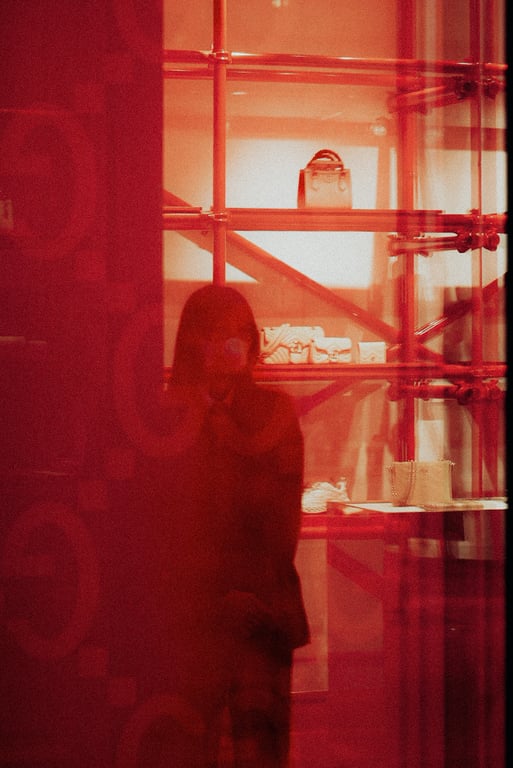
This is my first attempt at a photo essay, and it has been a learning process in understanding what this form really demands. While putting it together, I realised that a good photo essay requires more than a set of images. It asks for coherence between photographs and thought. The early pieces will probably come across as uneven on this dimension. But with each attempt, I hope to refine that relationship. My intention here was simply to start, to improvise, and not wait for perfection.
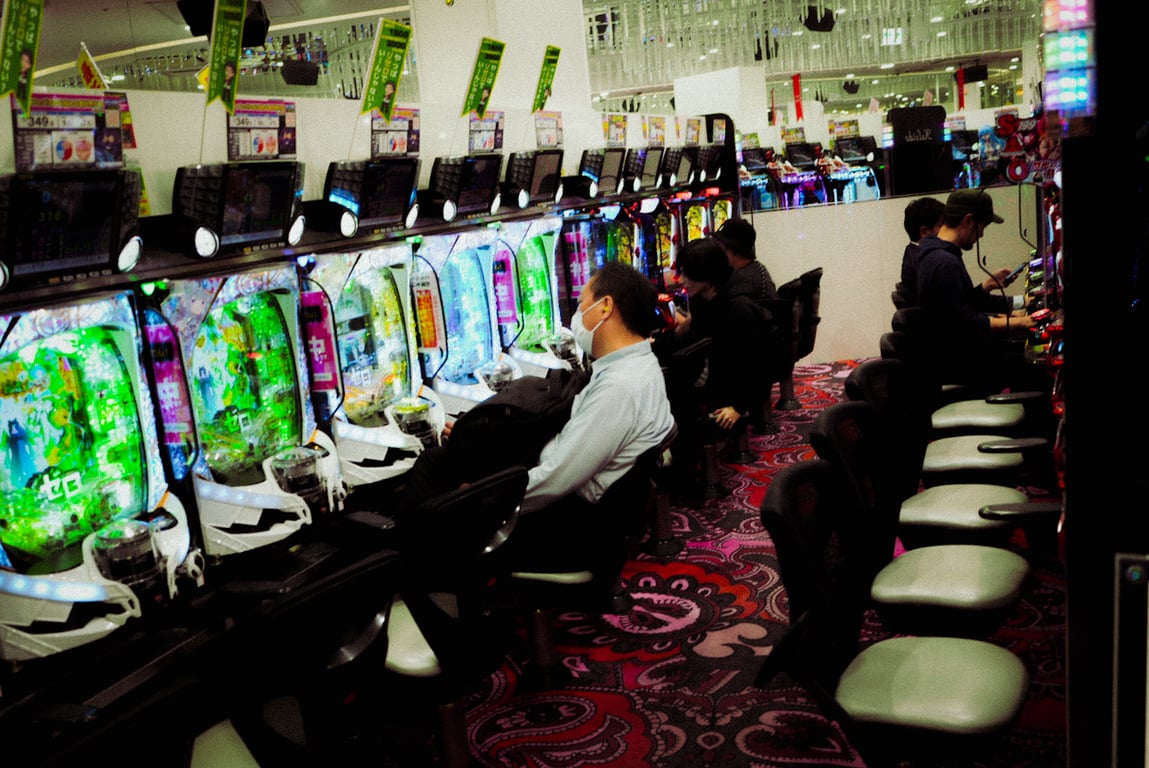
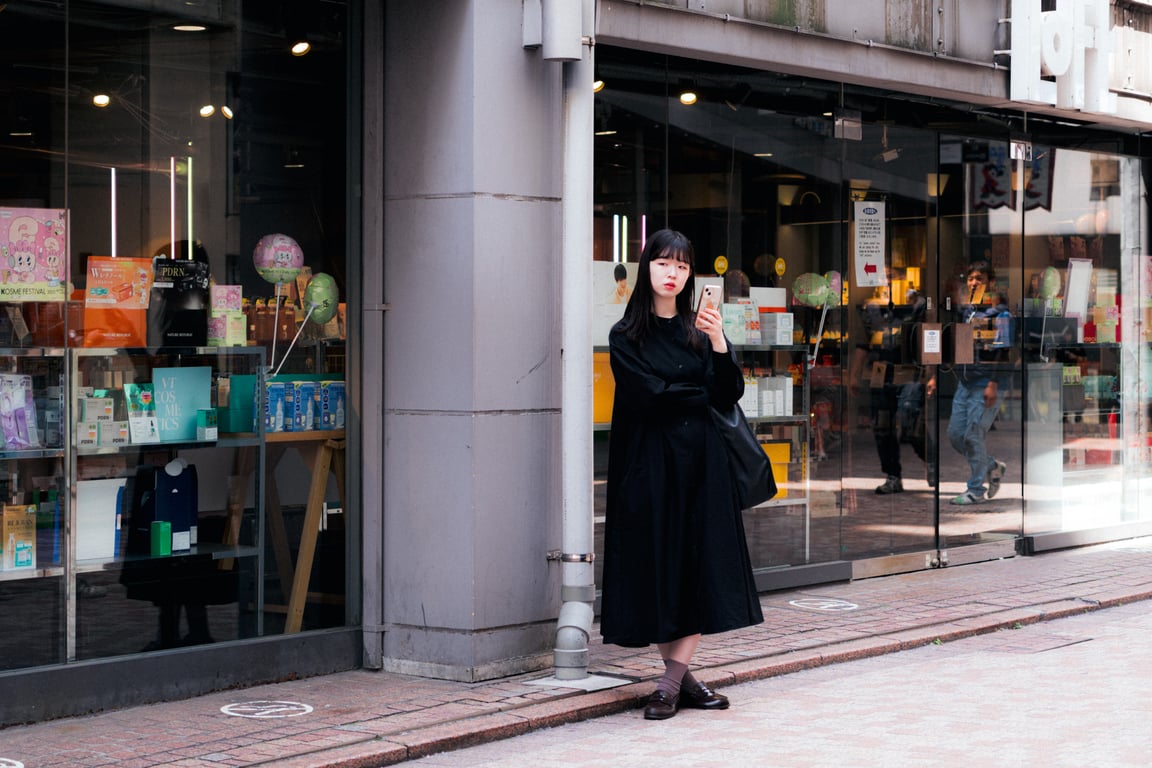
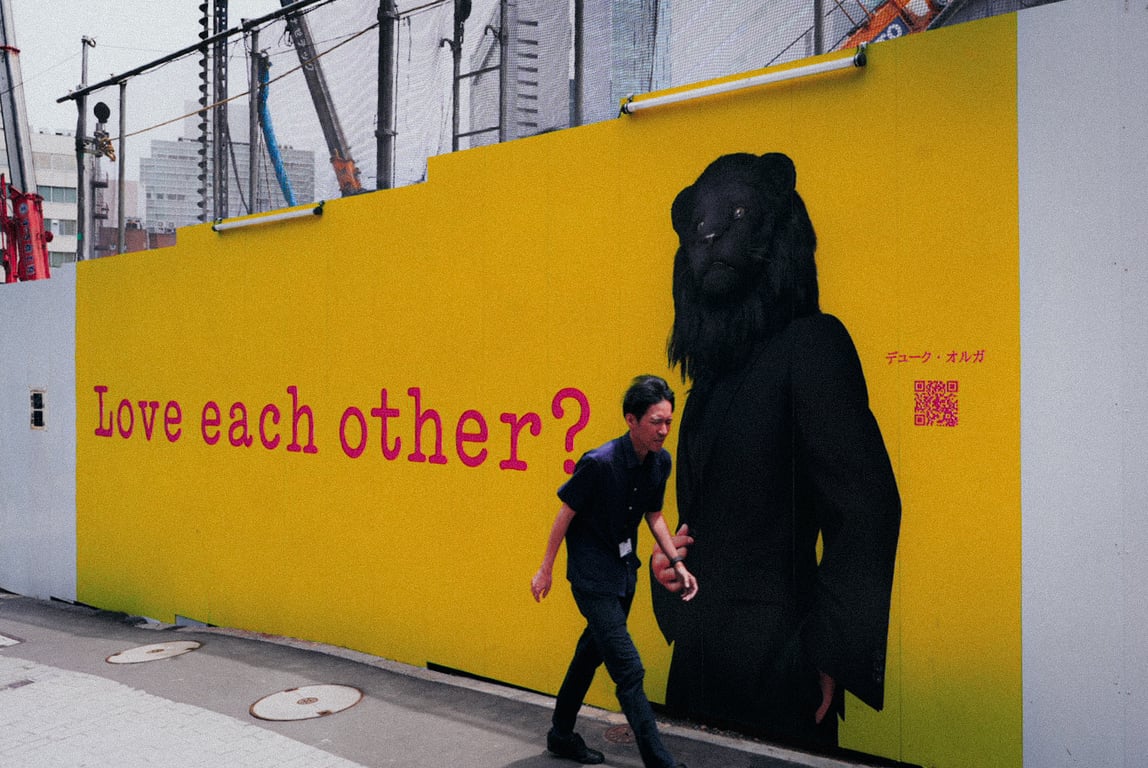
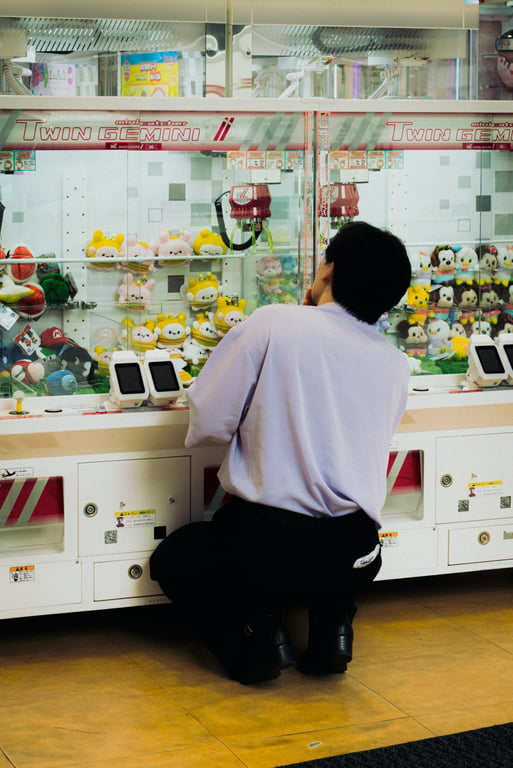
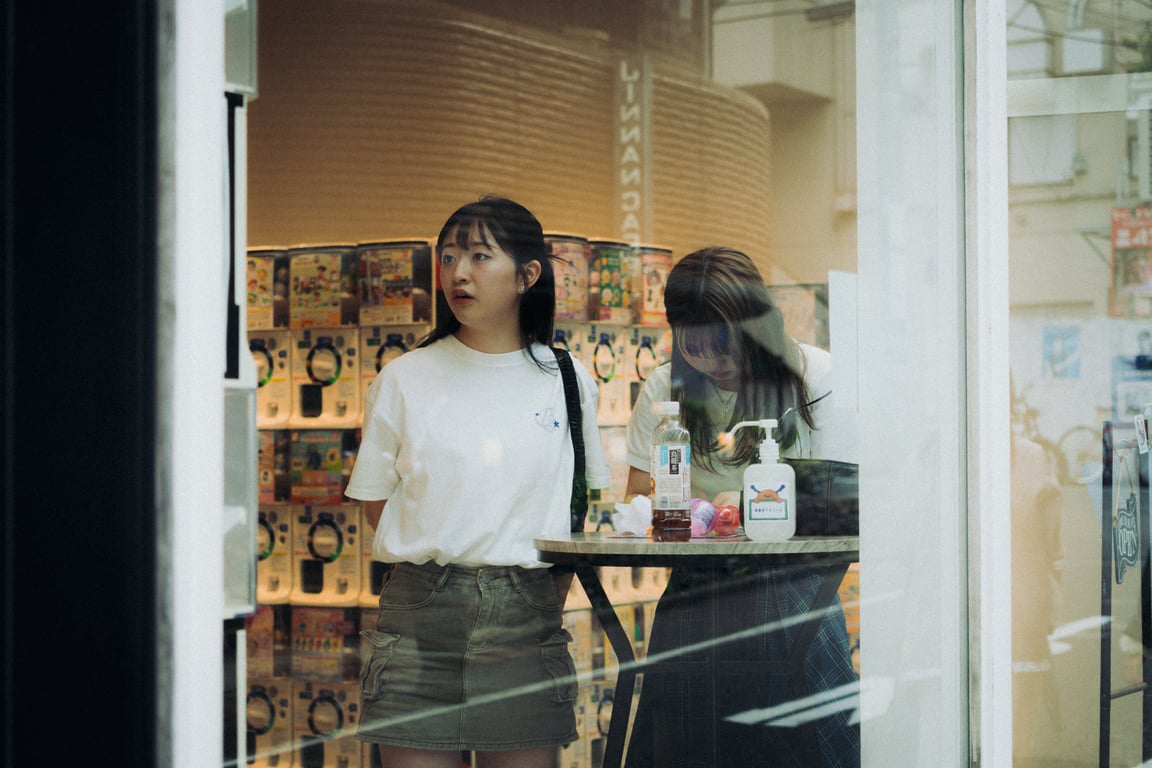
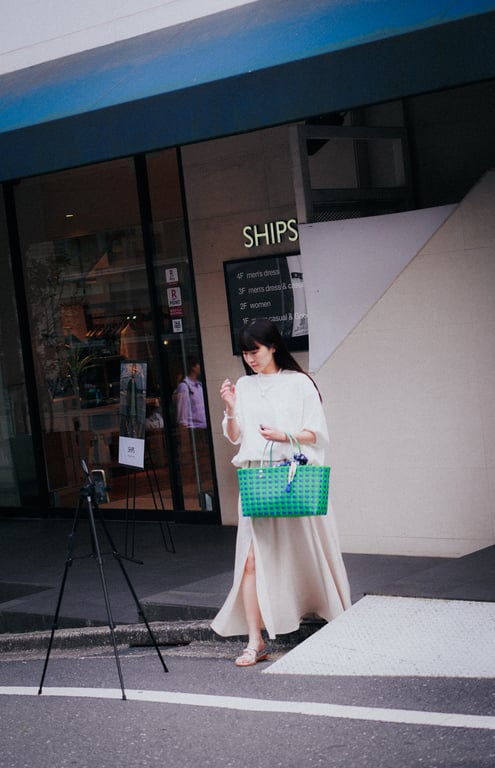
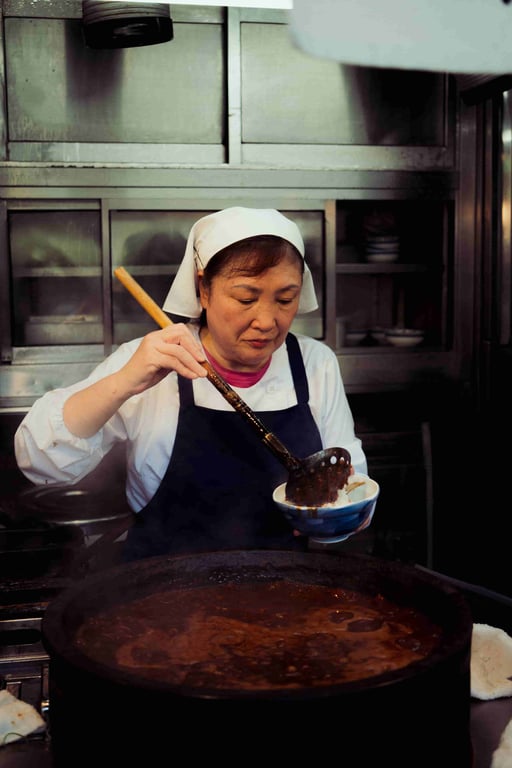
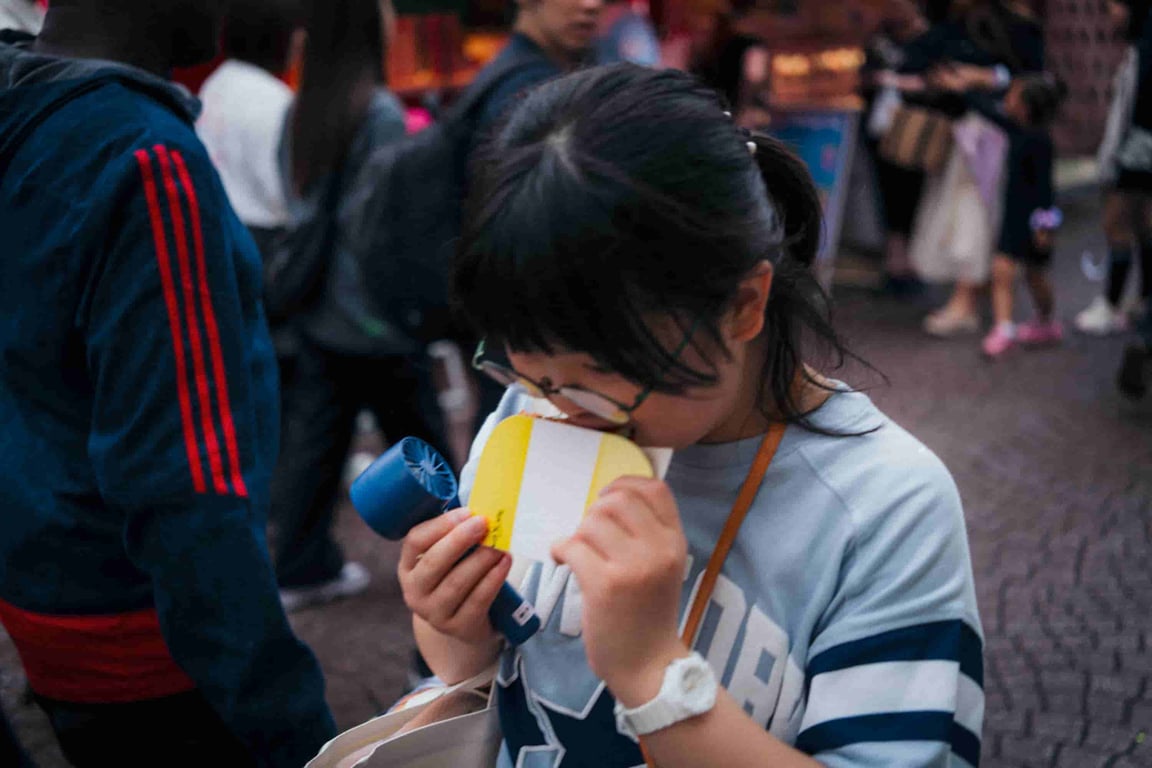
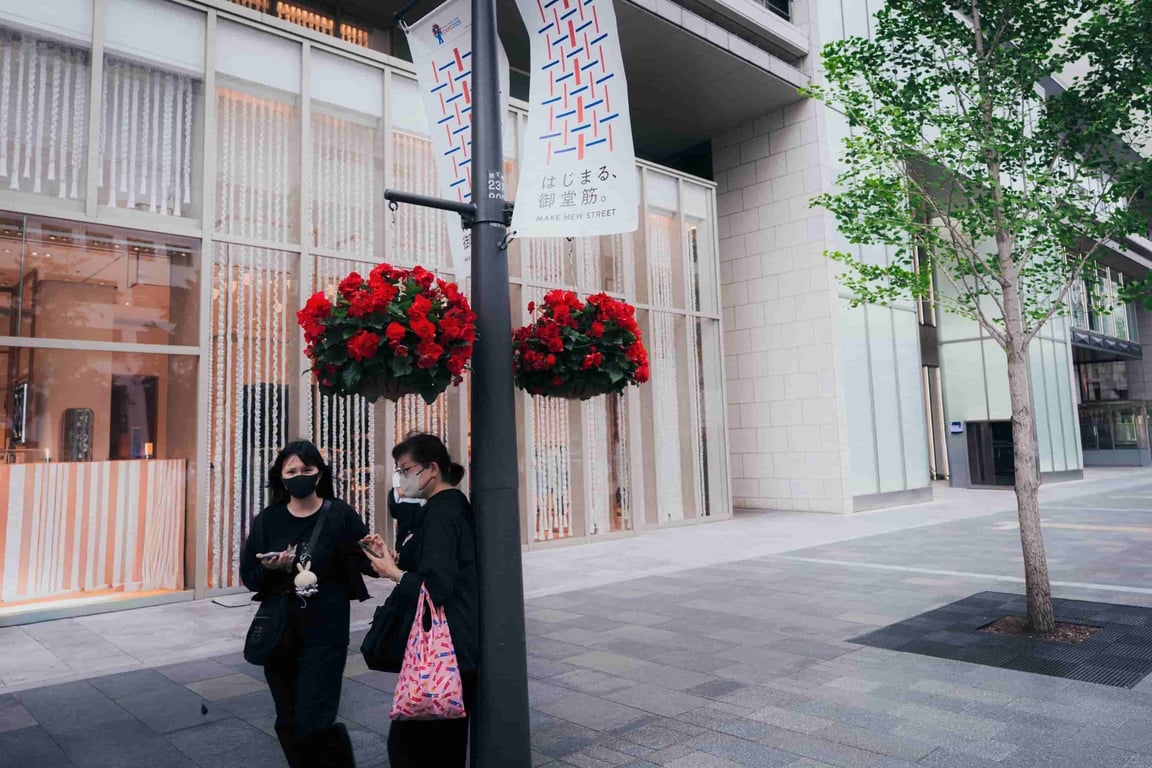
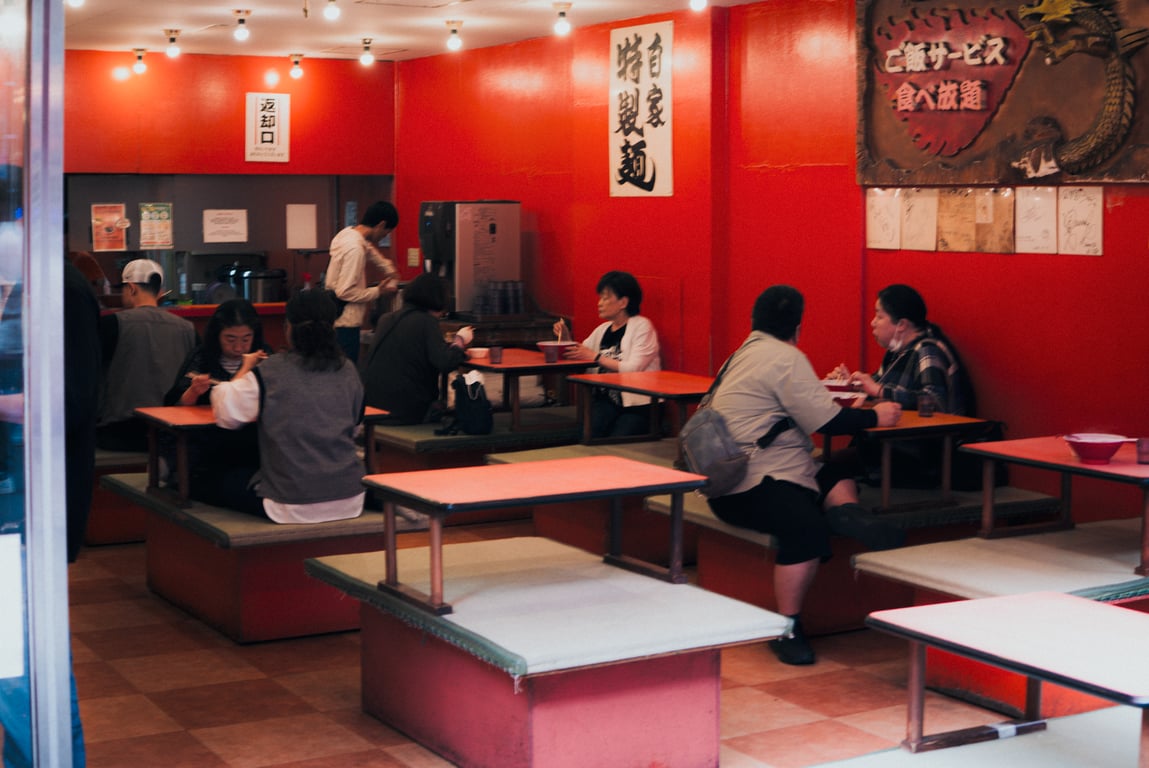
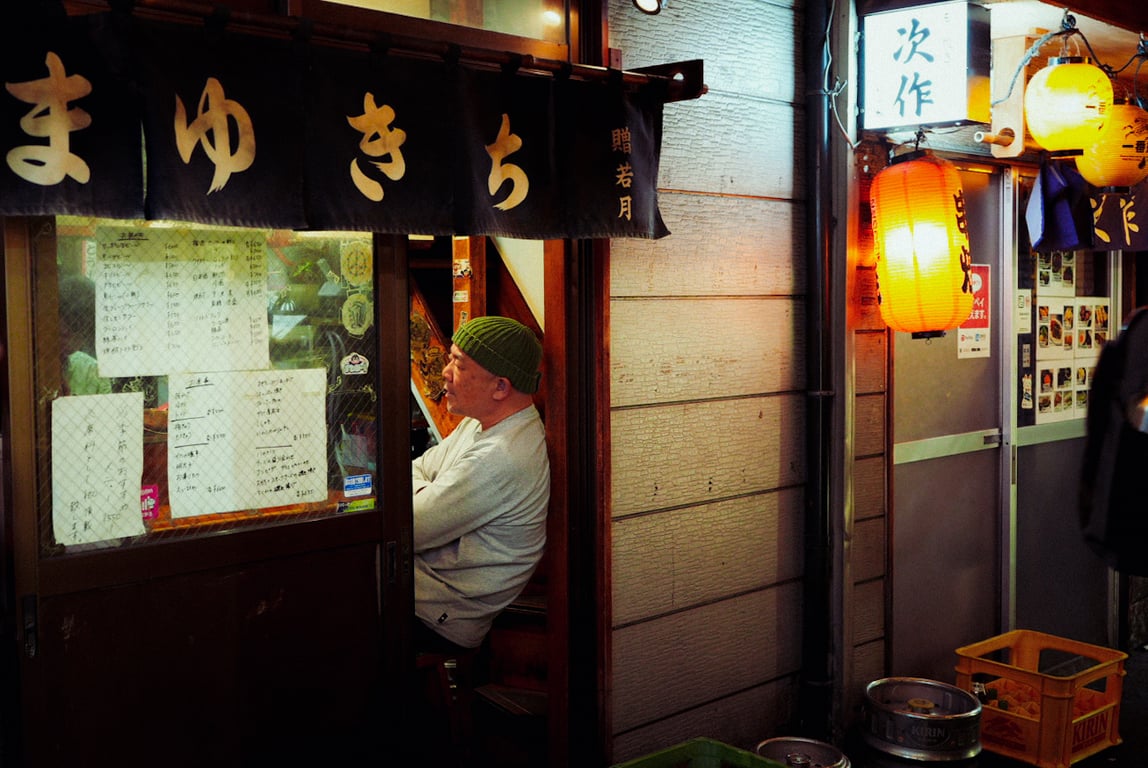
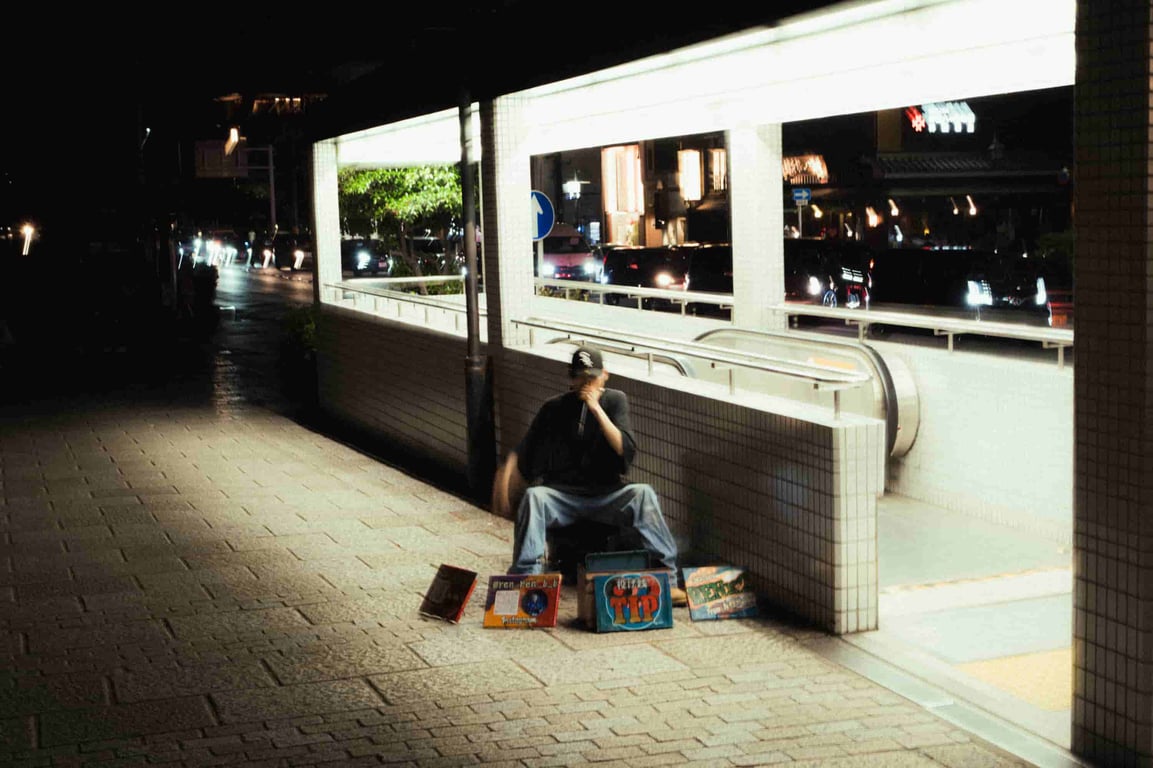
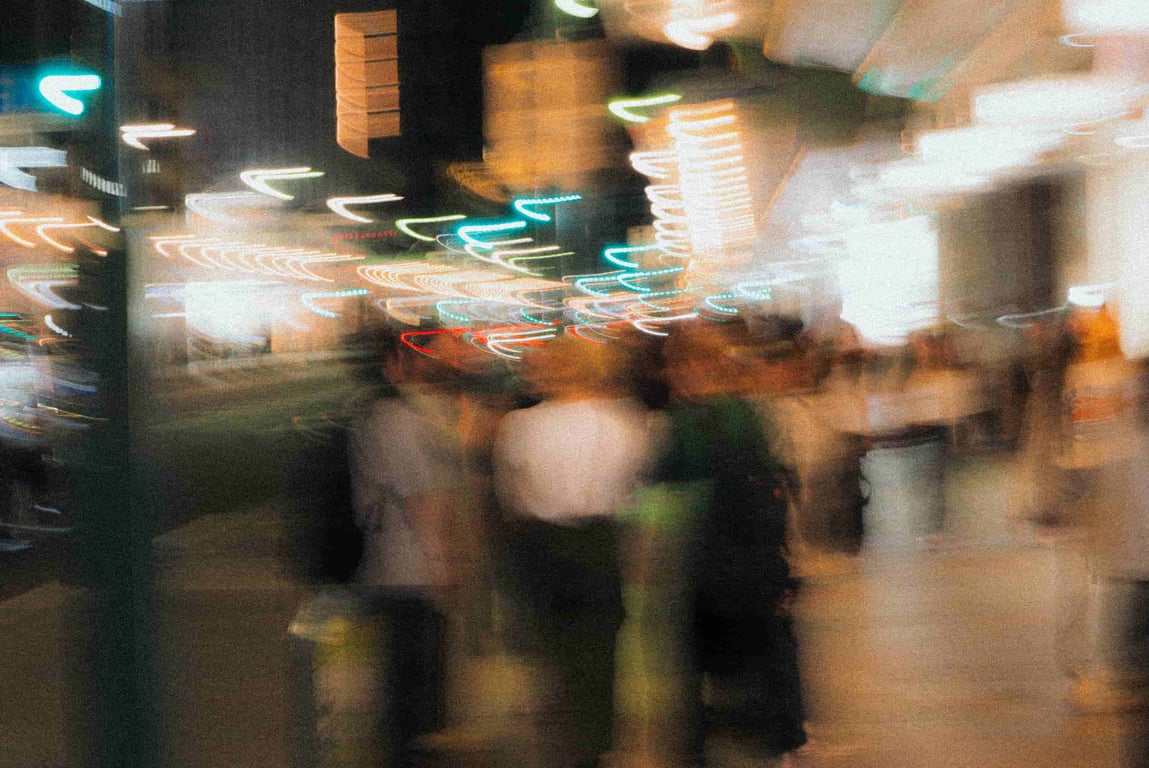
The most striking thing about Japan, at least for me, was the culture that people seem to have slowly (over centuries) agreed upon. As I walked through the streets with my camera, I realised that what I was trying to capture was a different configuration of society. It felt like a way of organising life that runs counter to some very basic human instincts around competition and survival. The culture seems to be built upon on restraint, on attention, and on care, and on the quiet decision to place those values above growth-at-all-costs, speed, and dominance. And yet it has still led to progress and thriving.
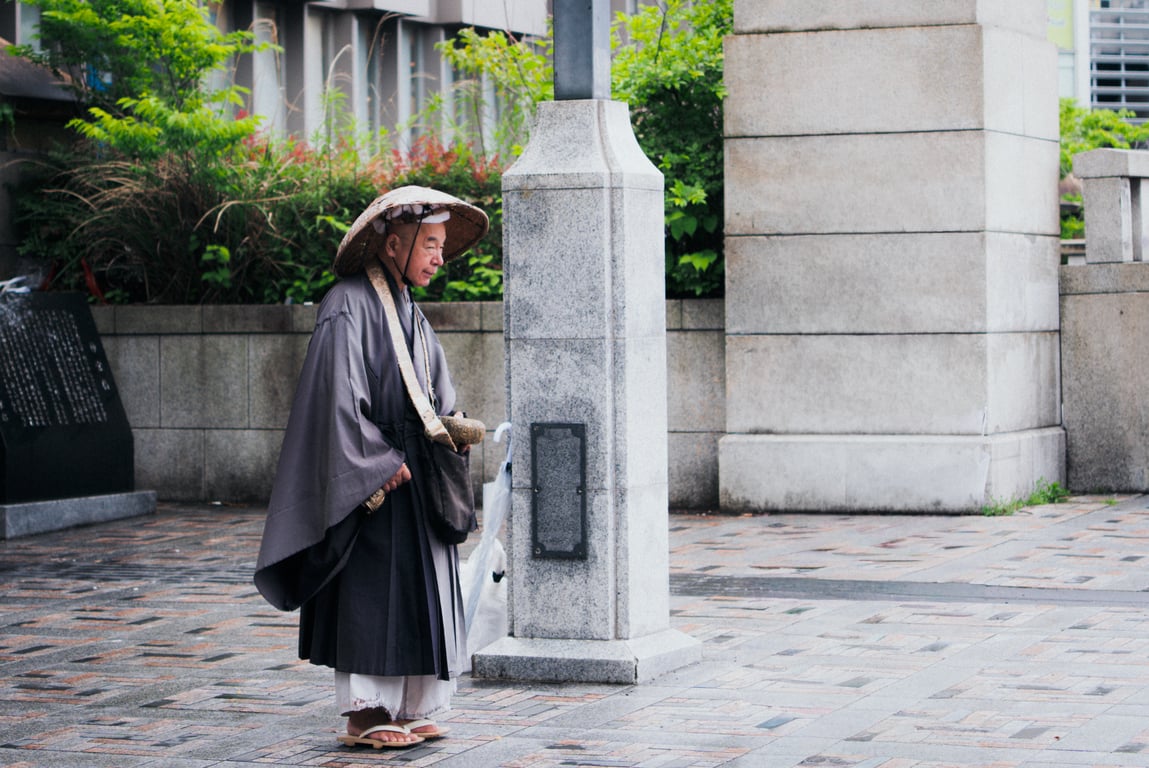
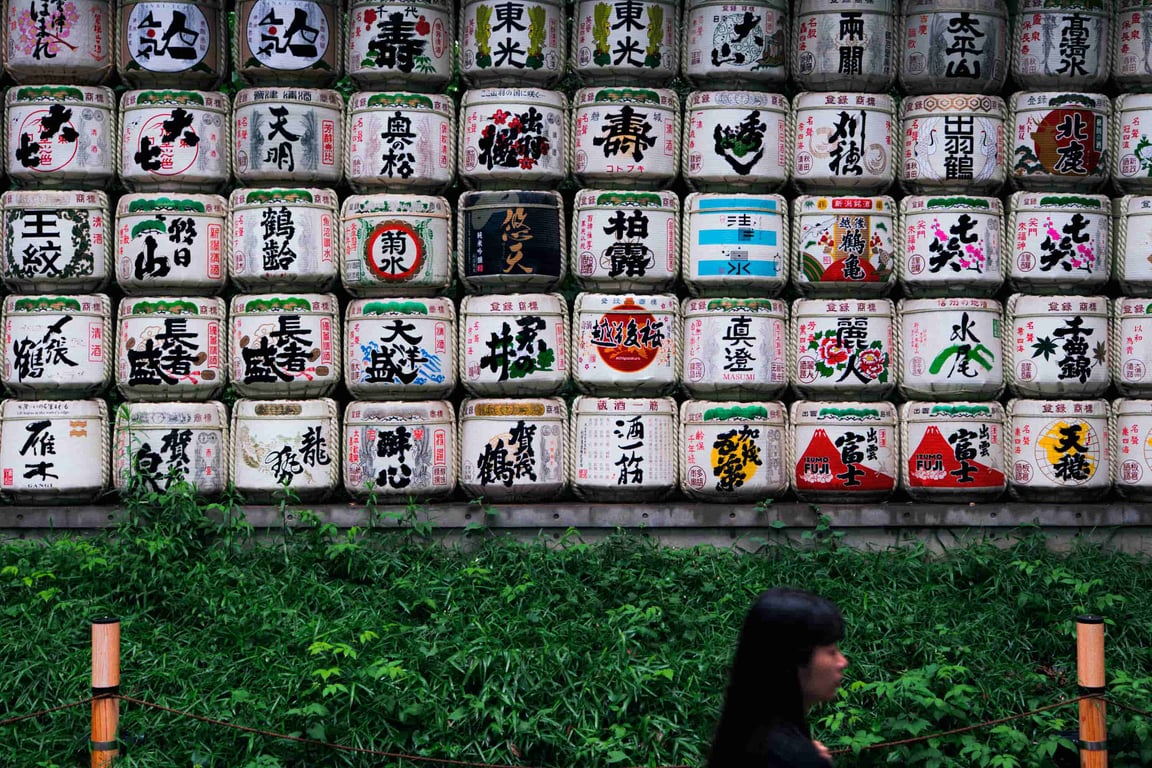
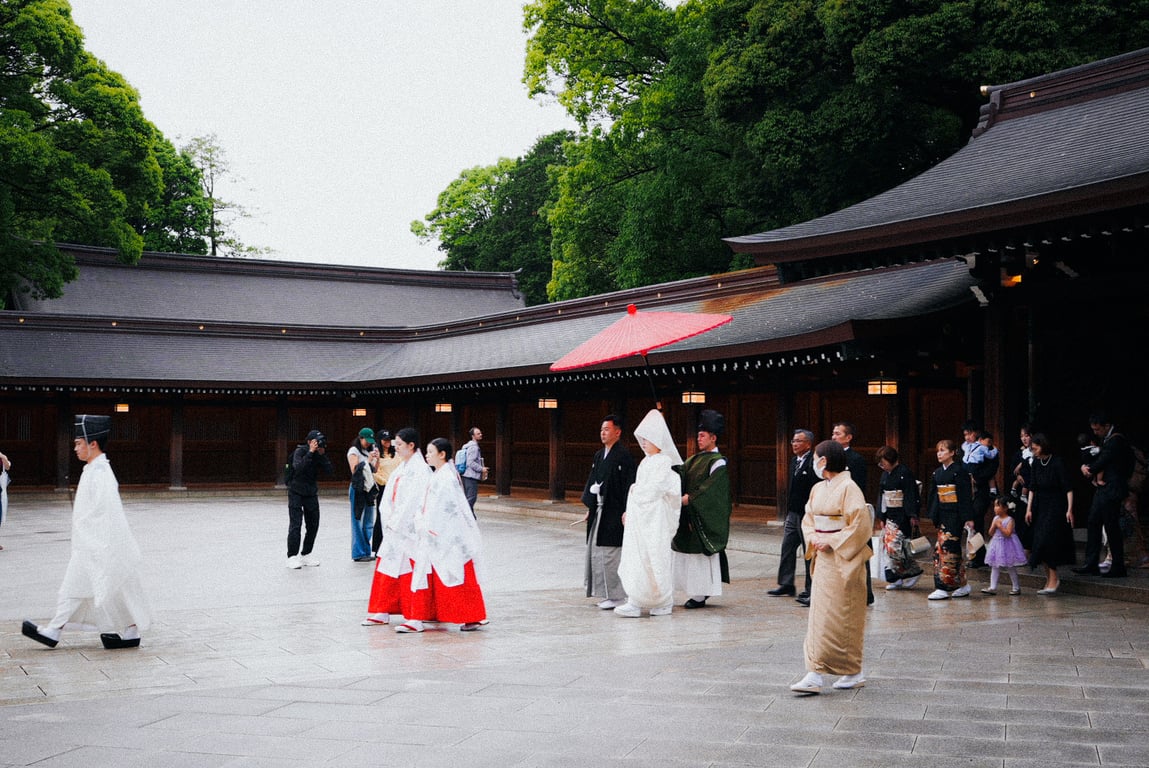
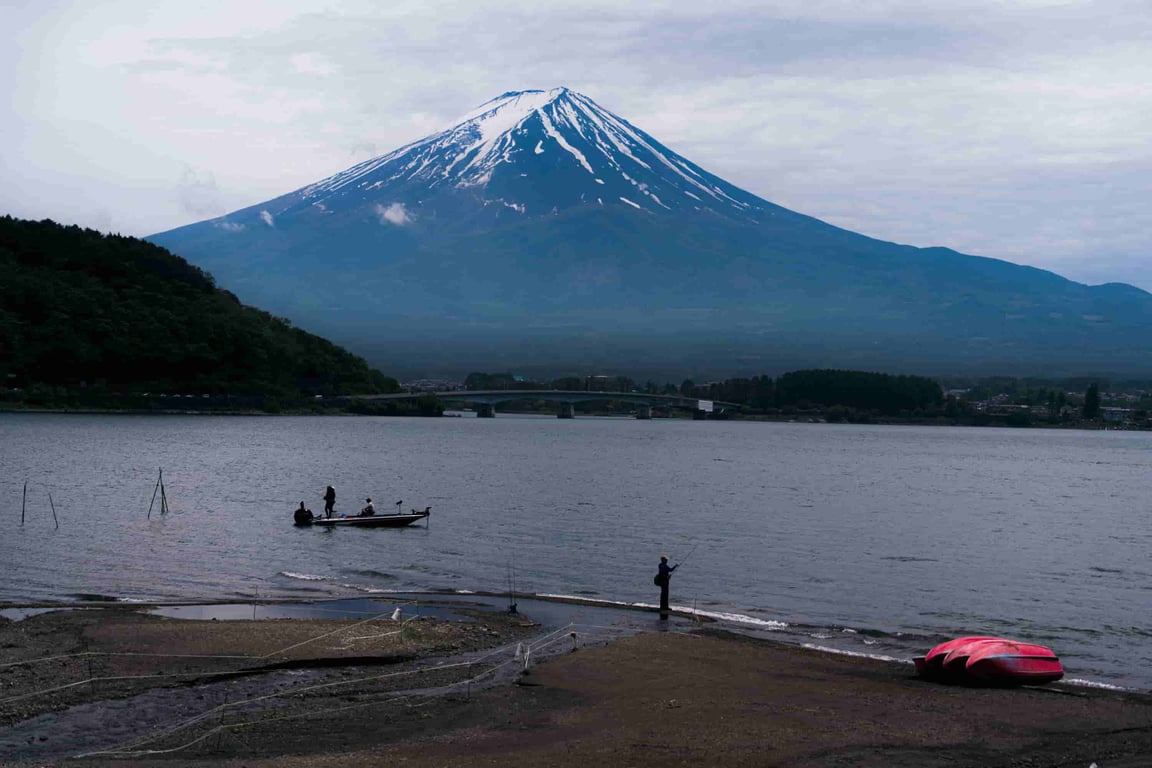
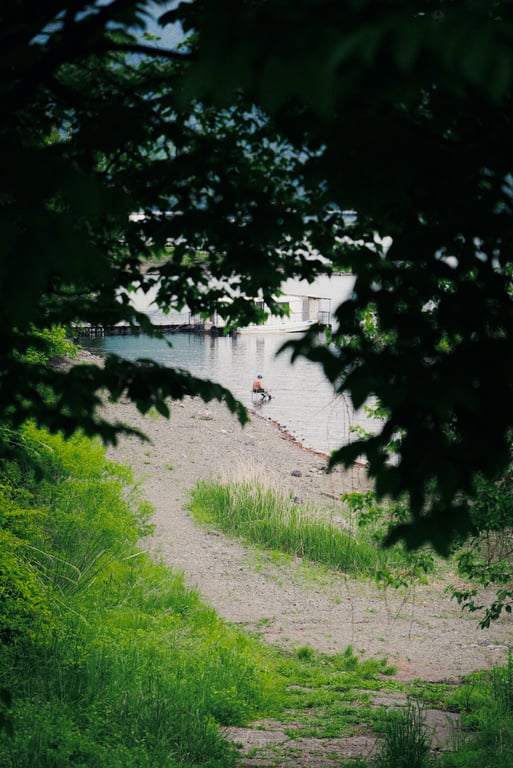
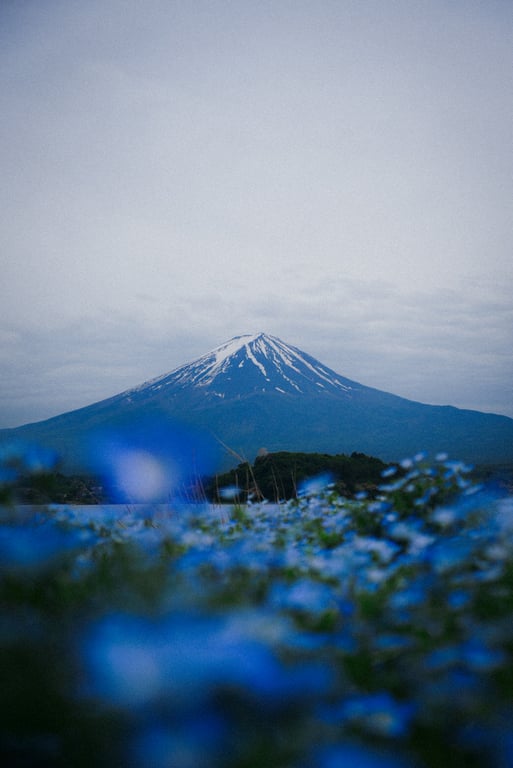
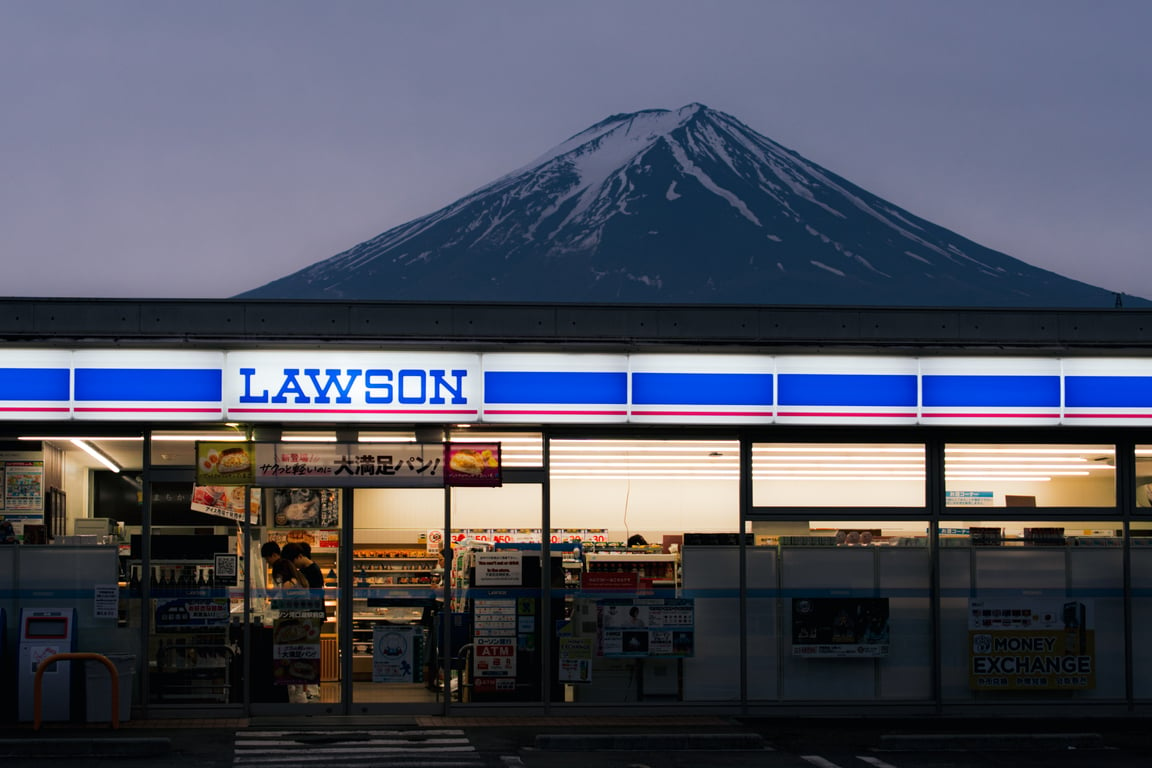
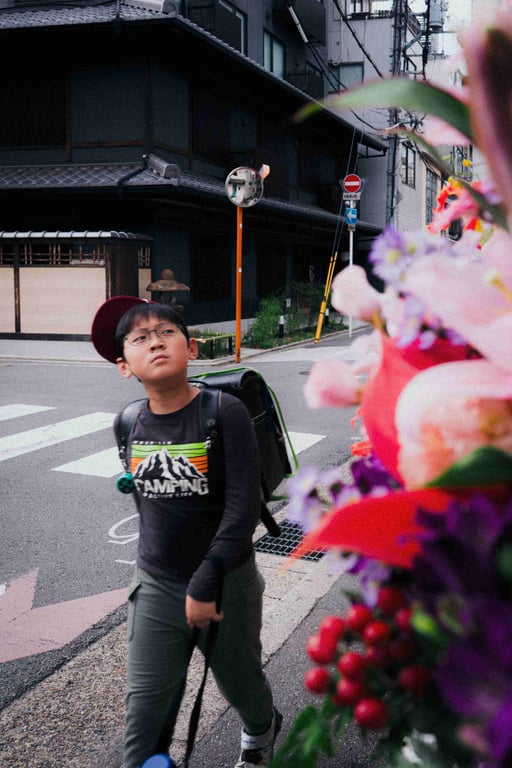
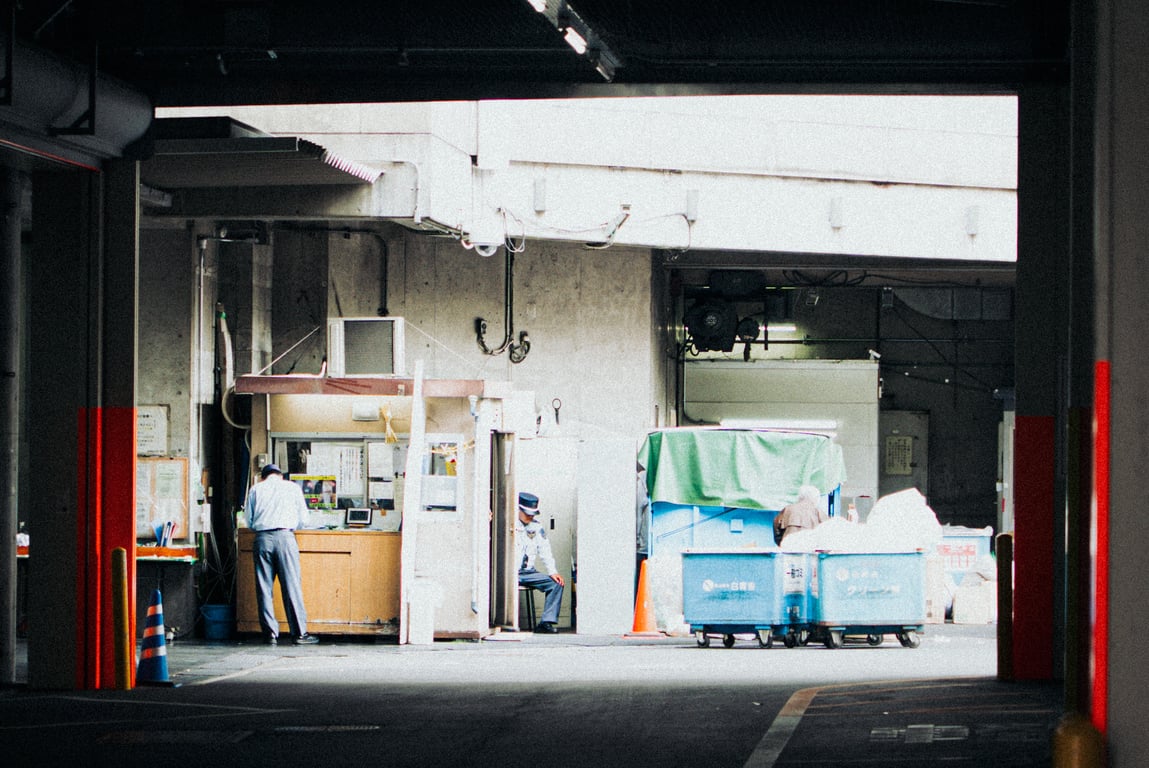
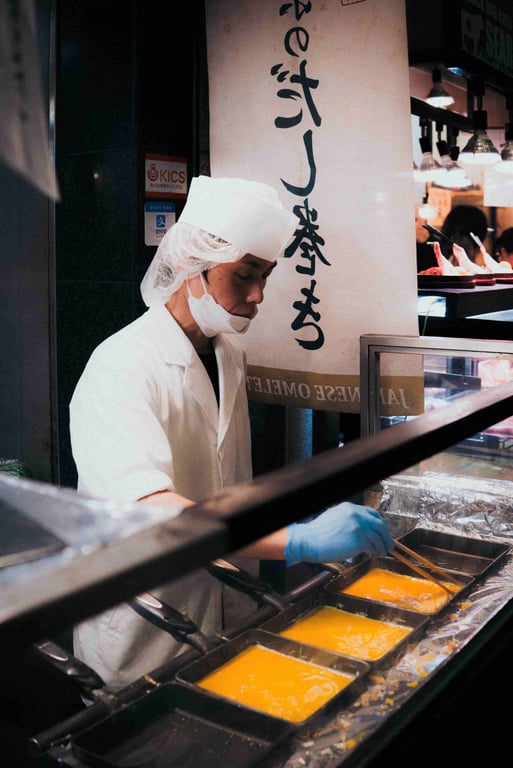
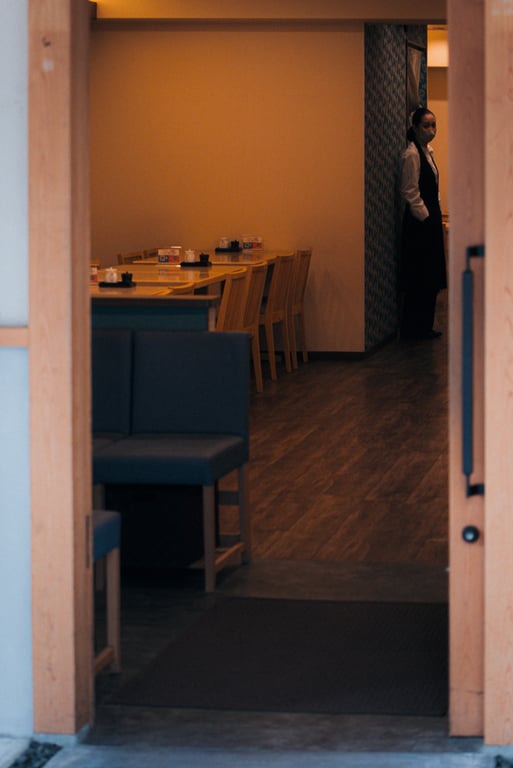
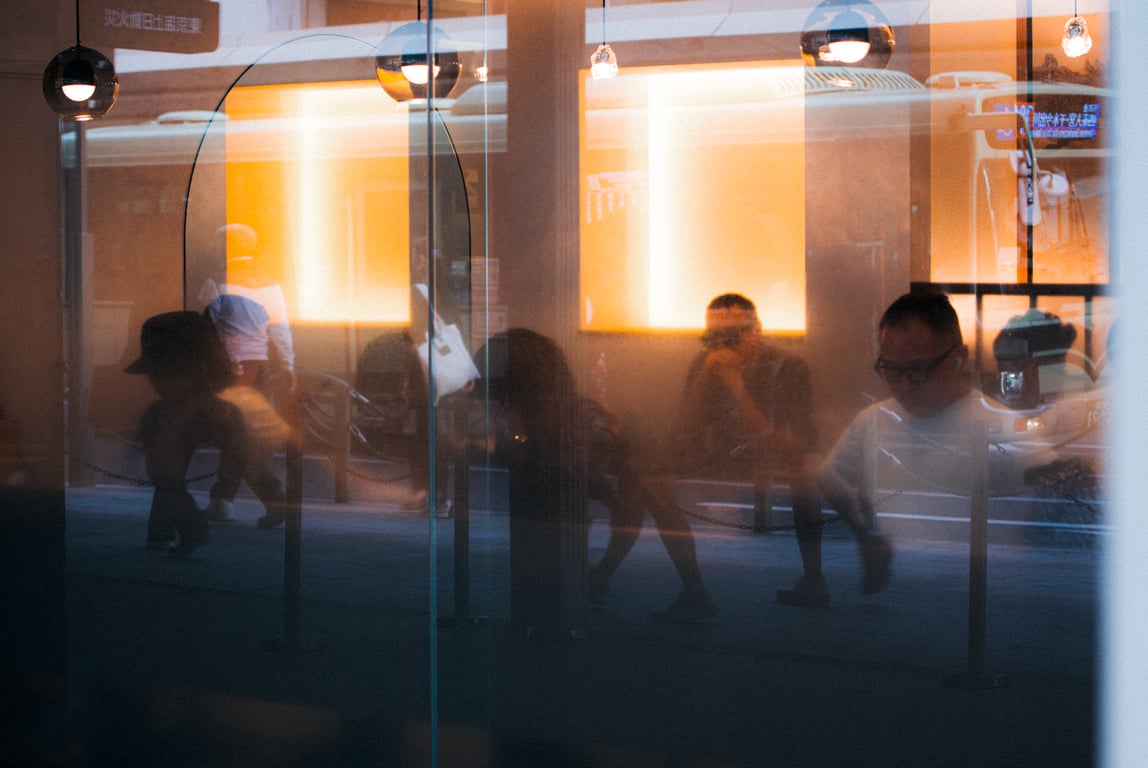
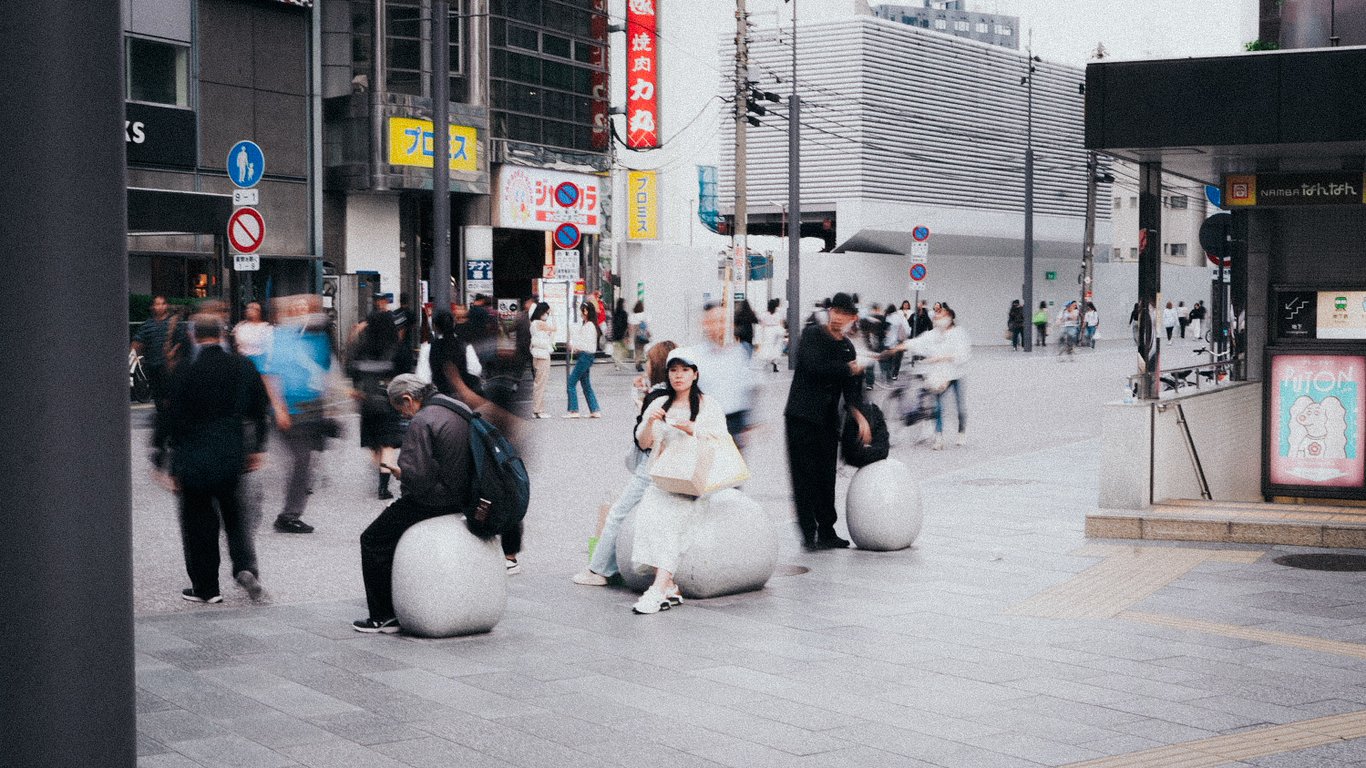
People are deeply respectful toward one another, sometimes to the point of being less confrontational than in most other countries. You see it everywhere: in traffic, where people avoid overtaking unless it is necessary; and on platforms, where people queue patiently while boarding trains. There is a culture of queuing outside stores well before they open. My guess is that these people are waiting for a scarce artifact - an object or an experience - but I would not be surprised if they also find waiting itself to be a semi-meditative act.
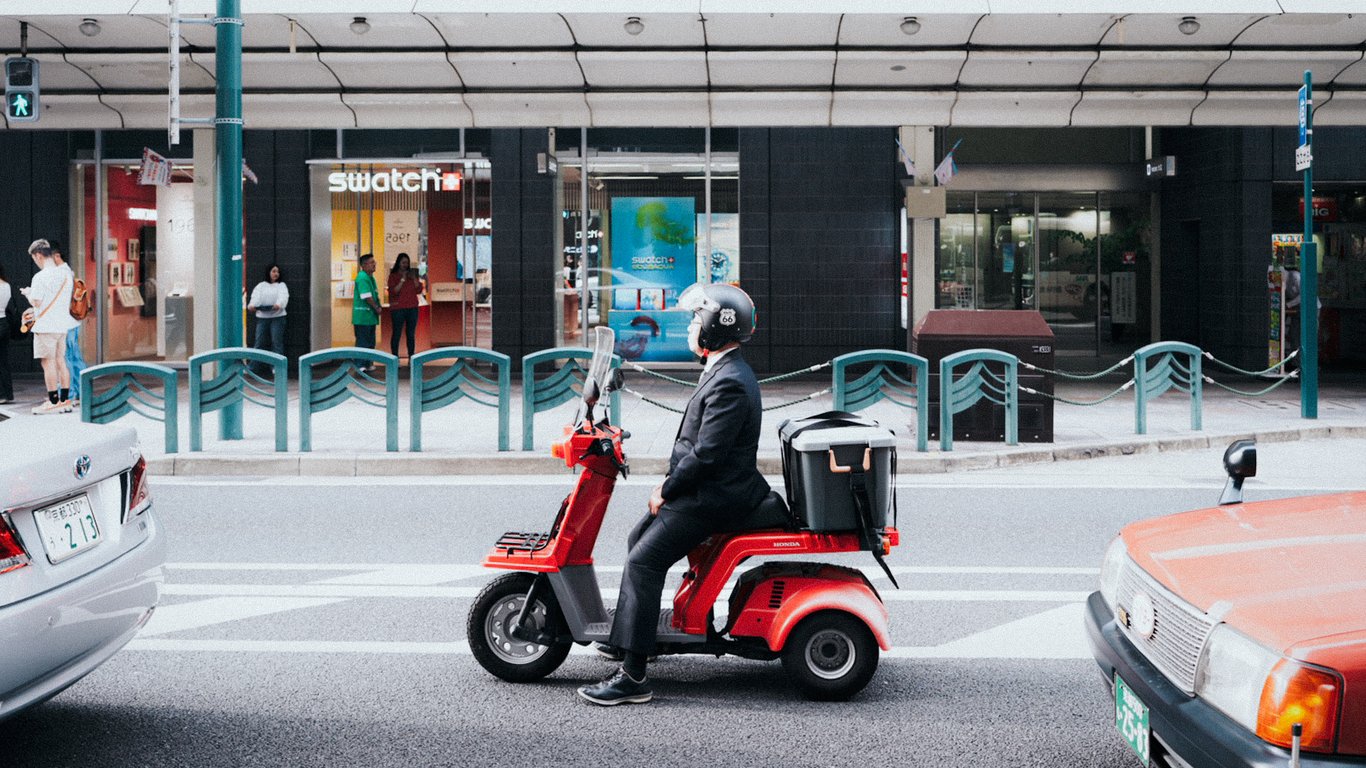
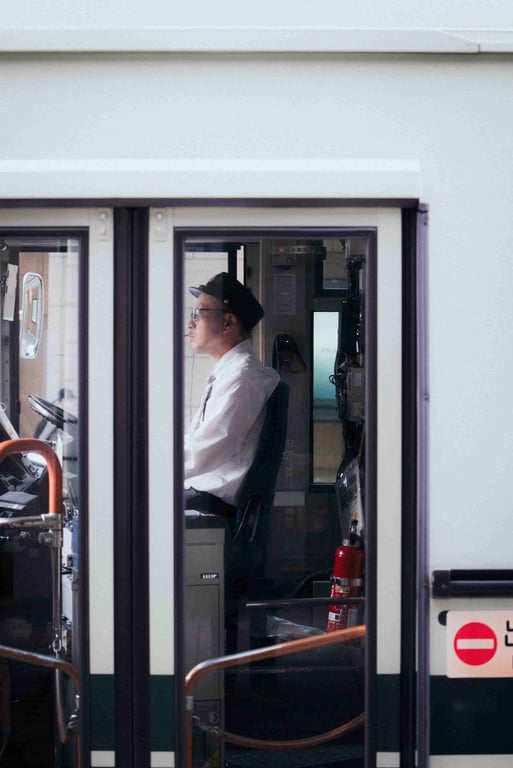
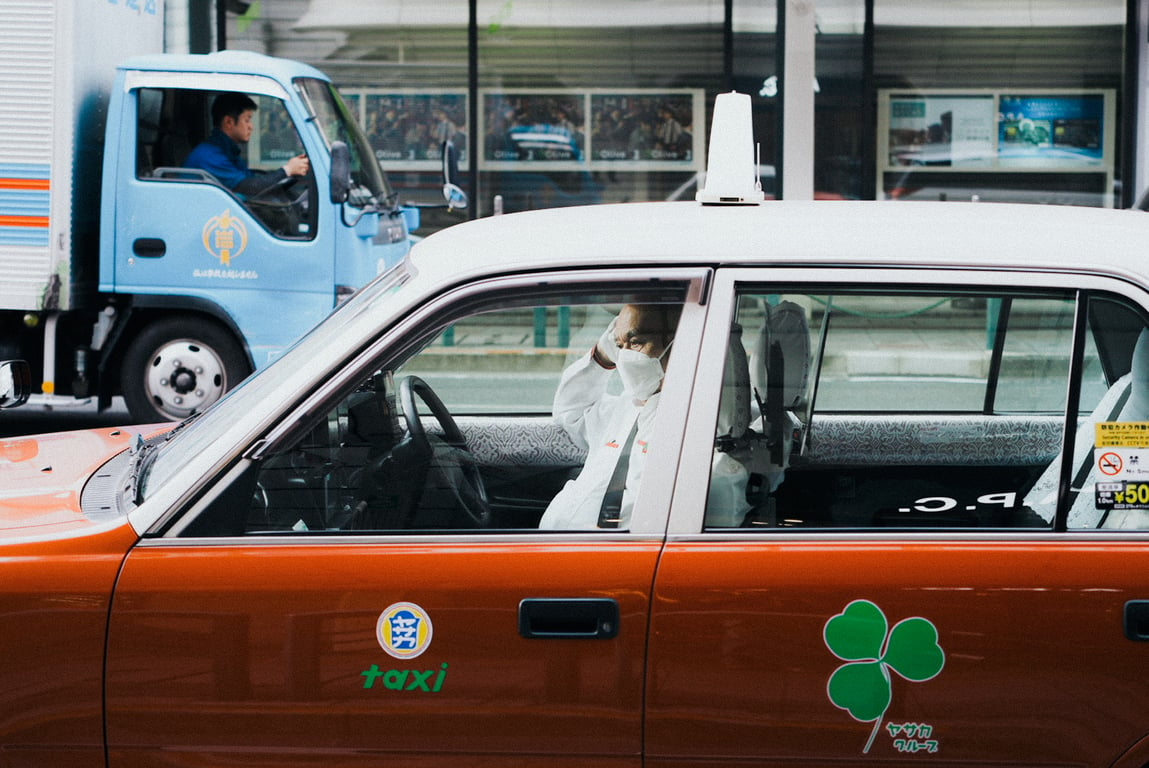
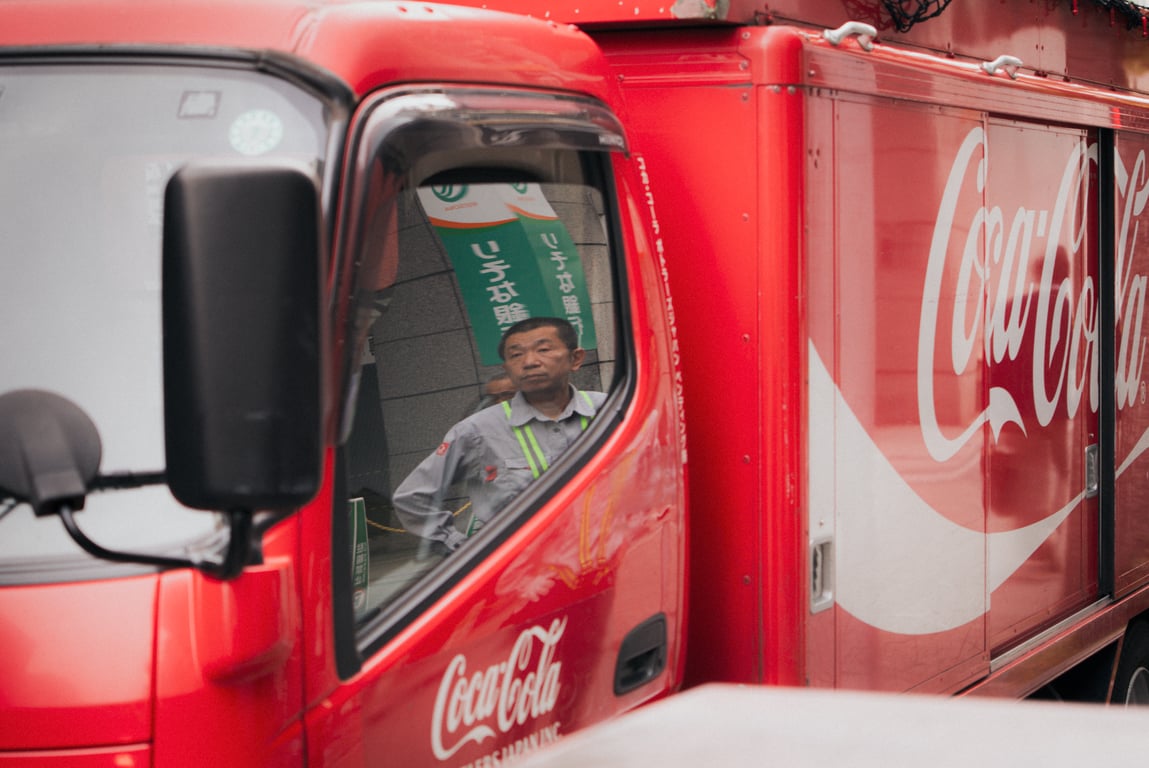
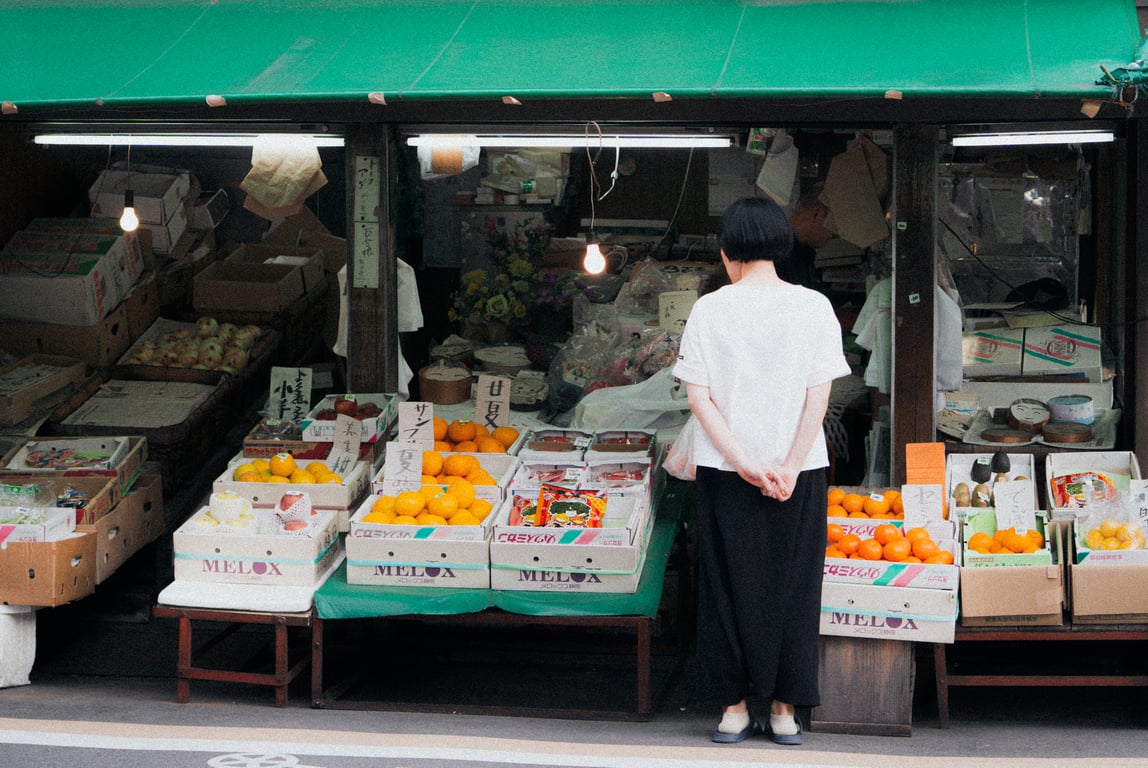
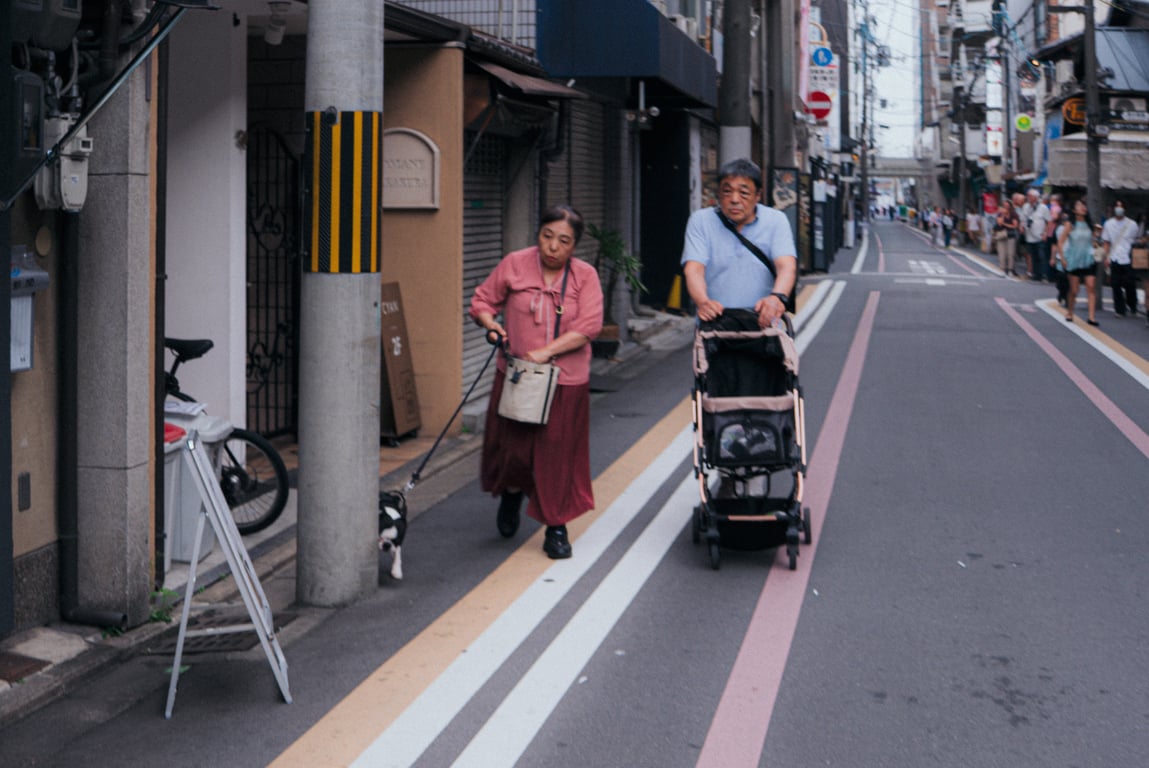
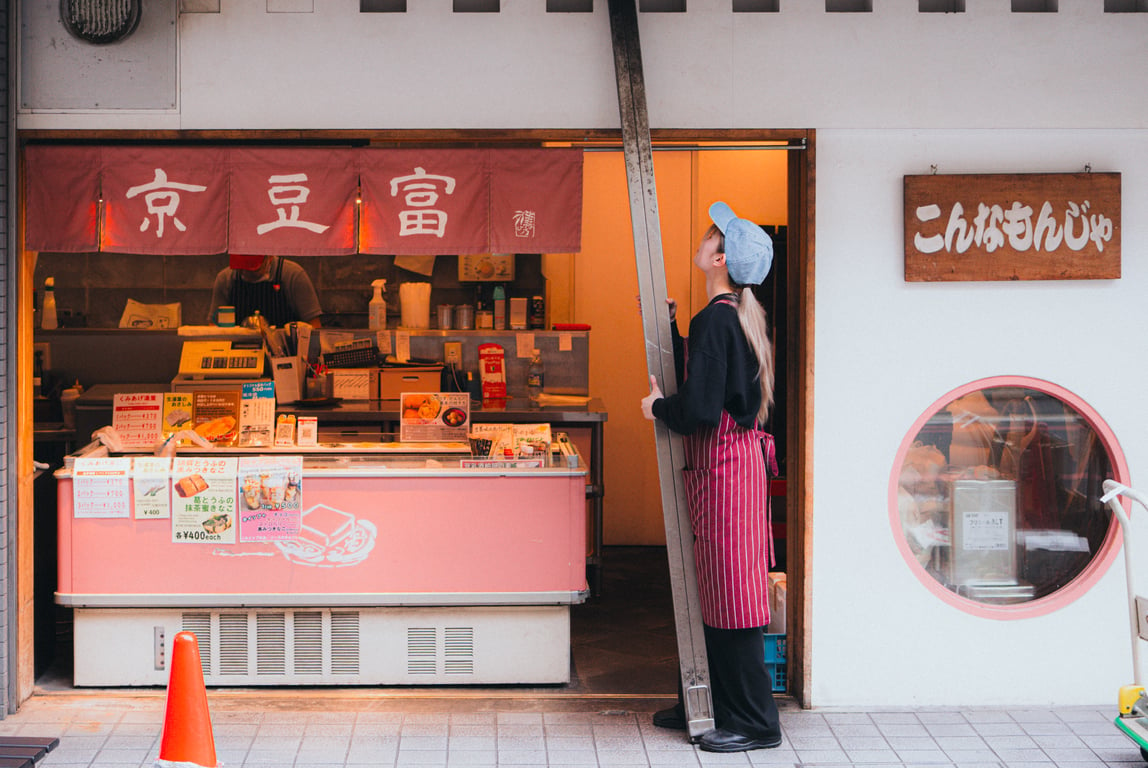
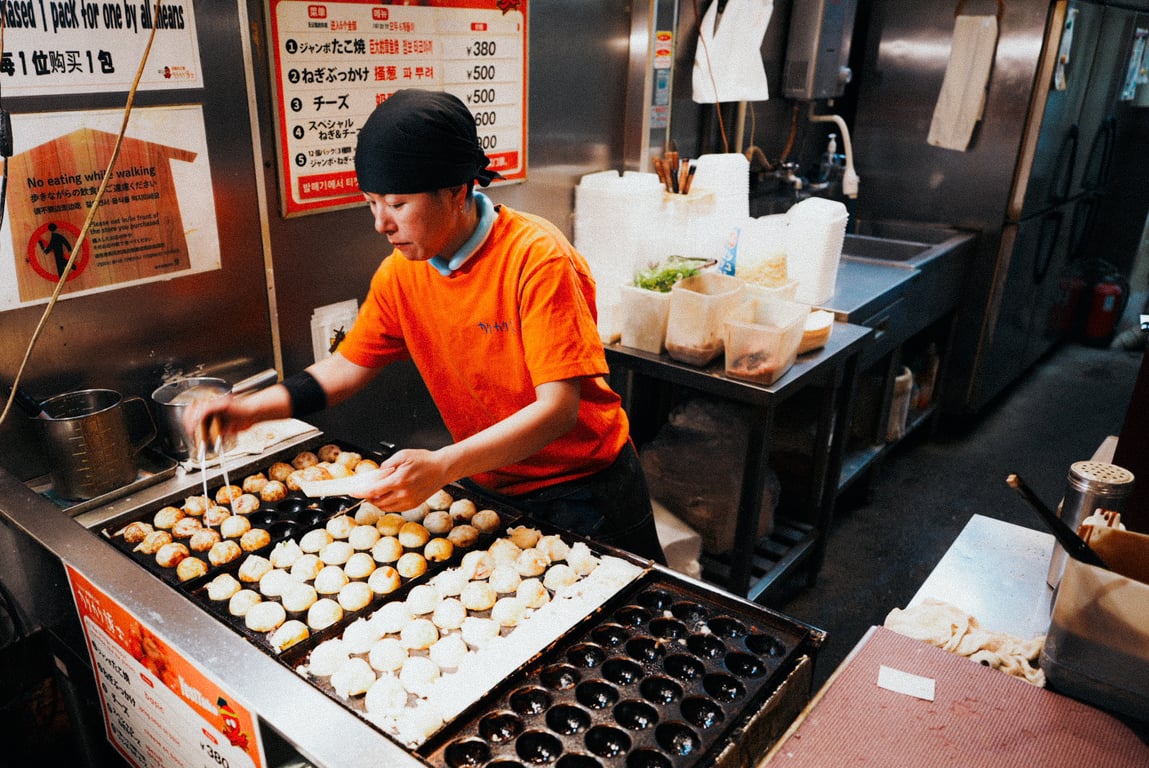
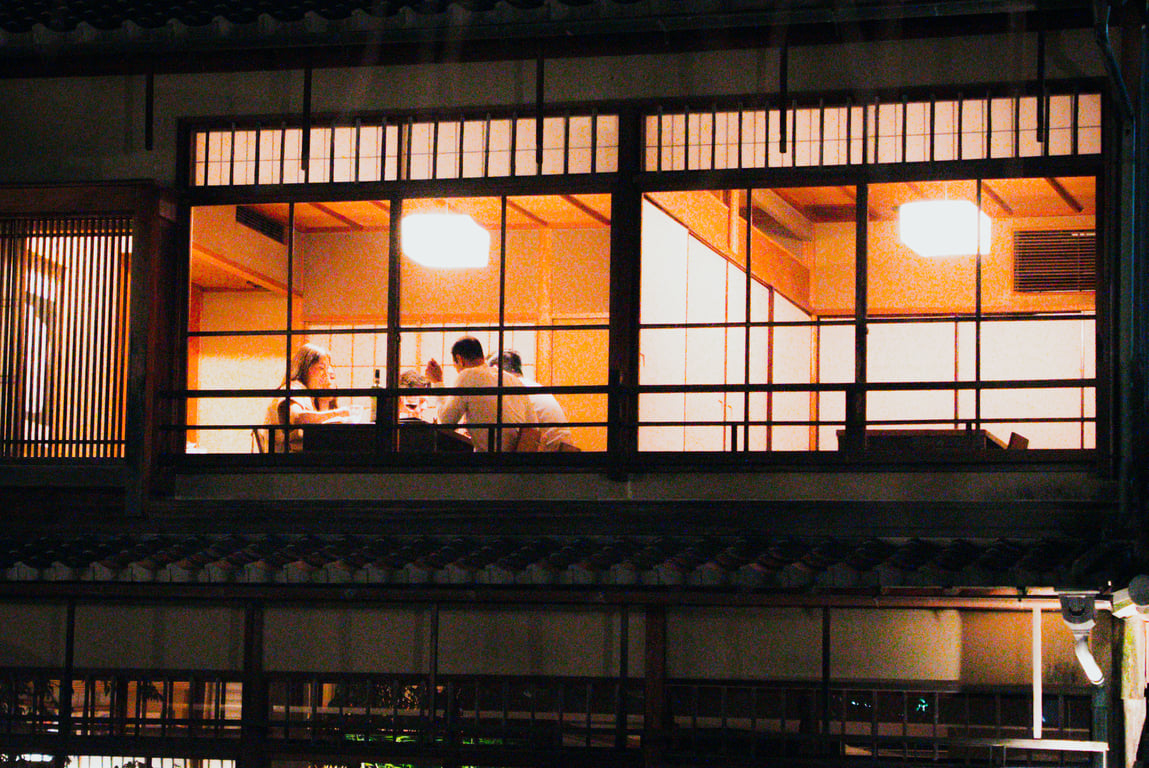
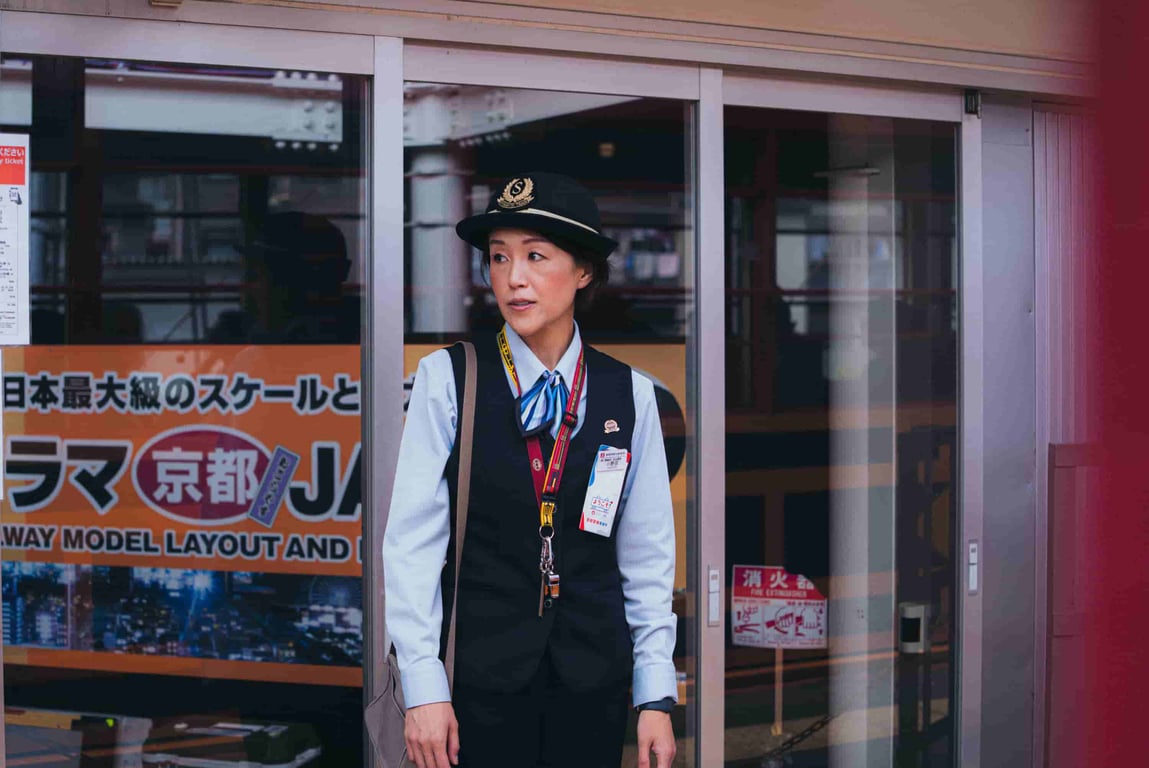
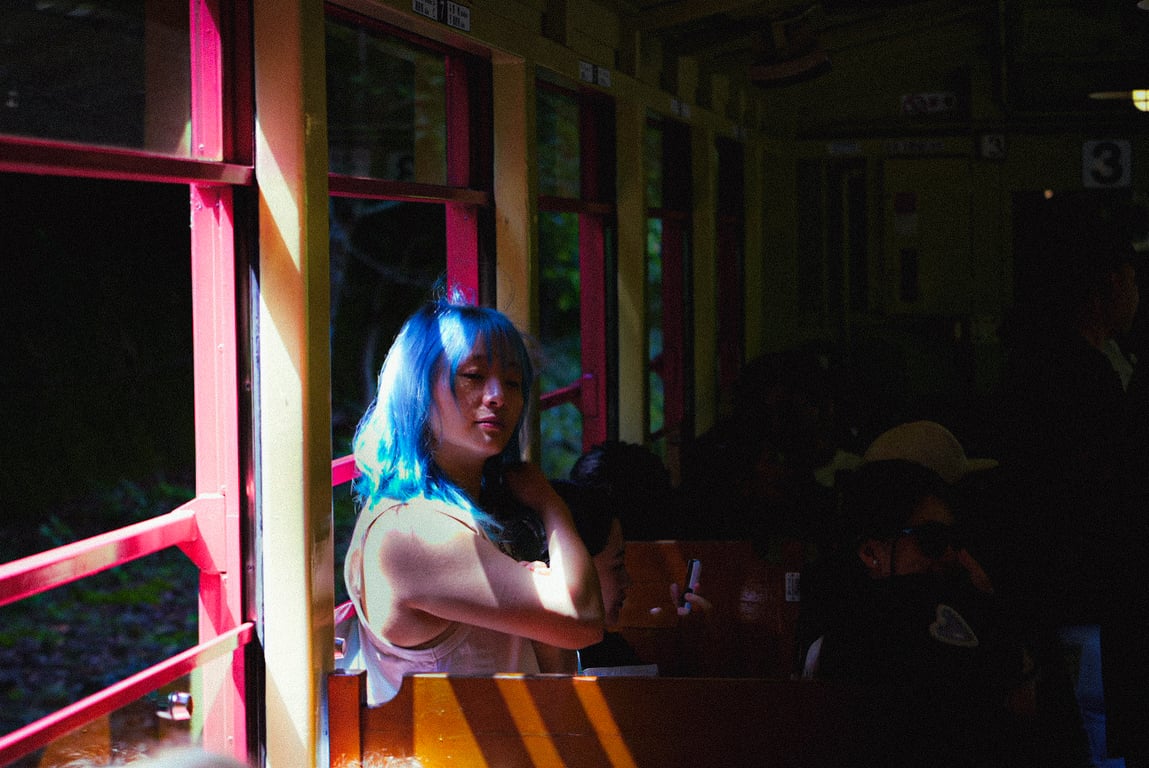
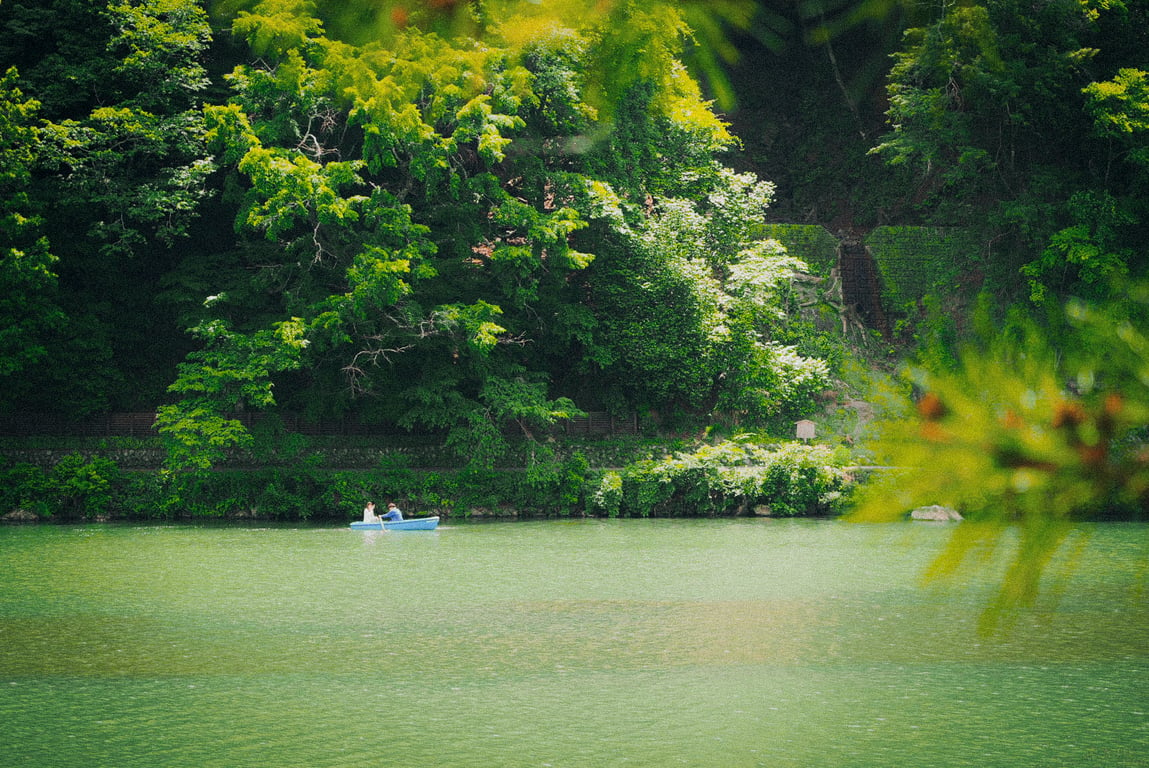
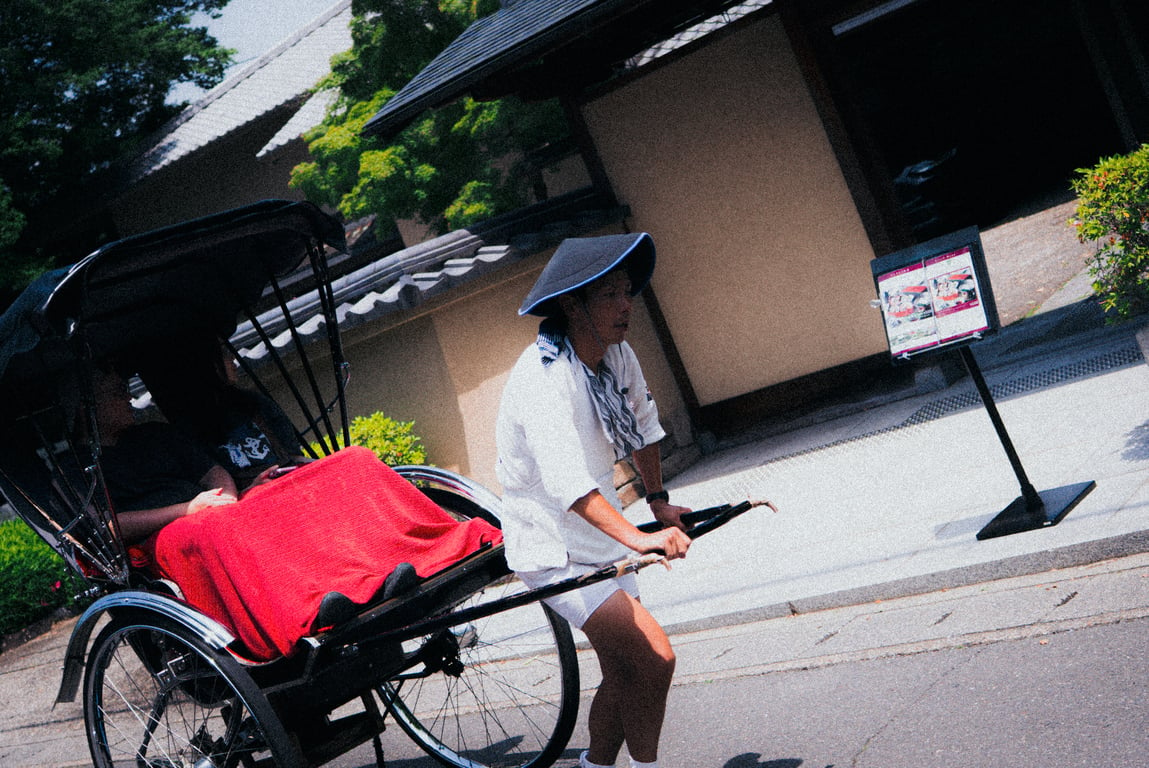
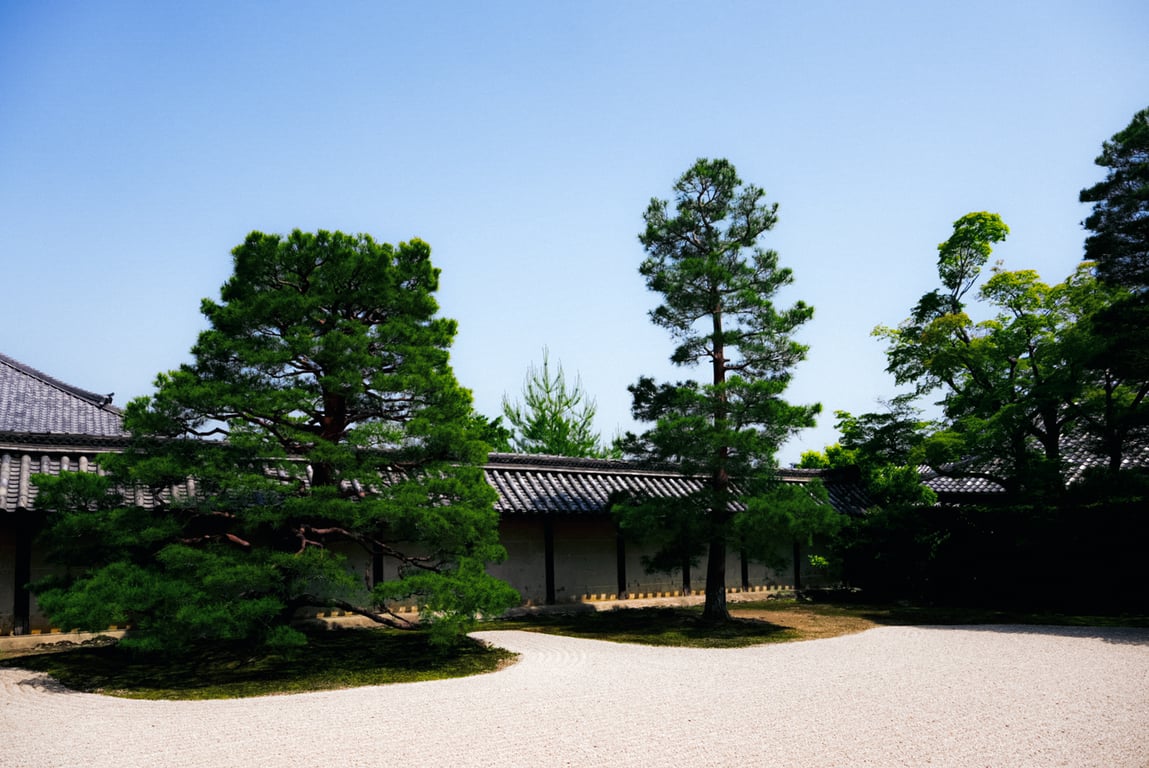
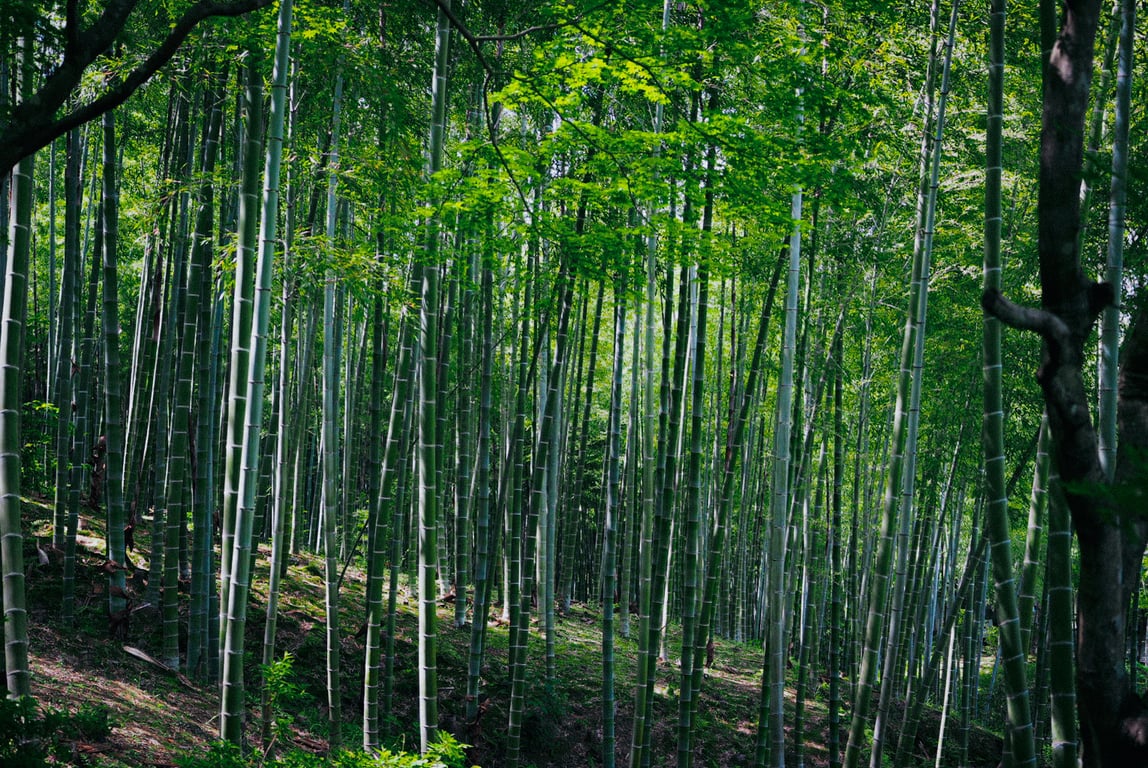
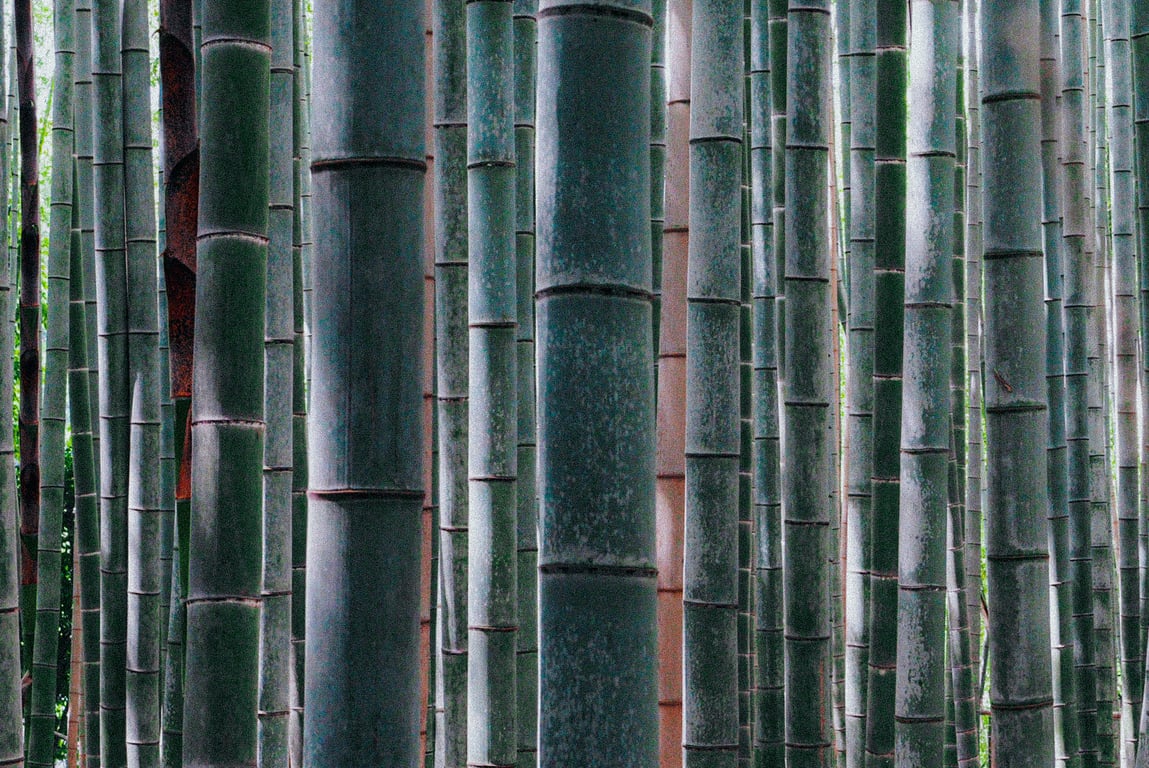
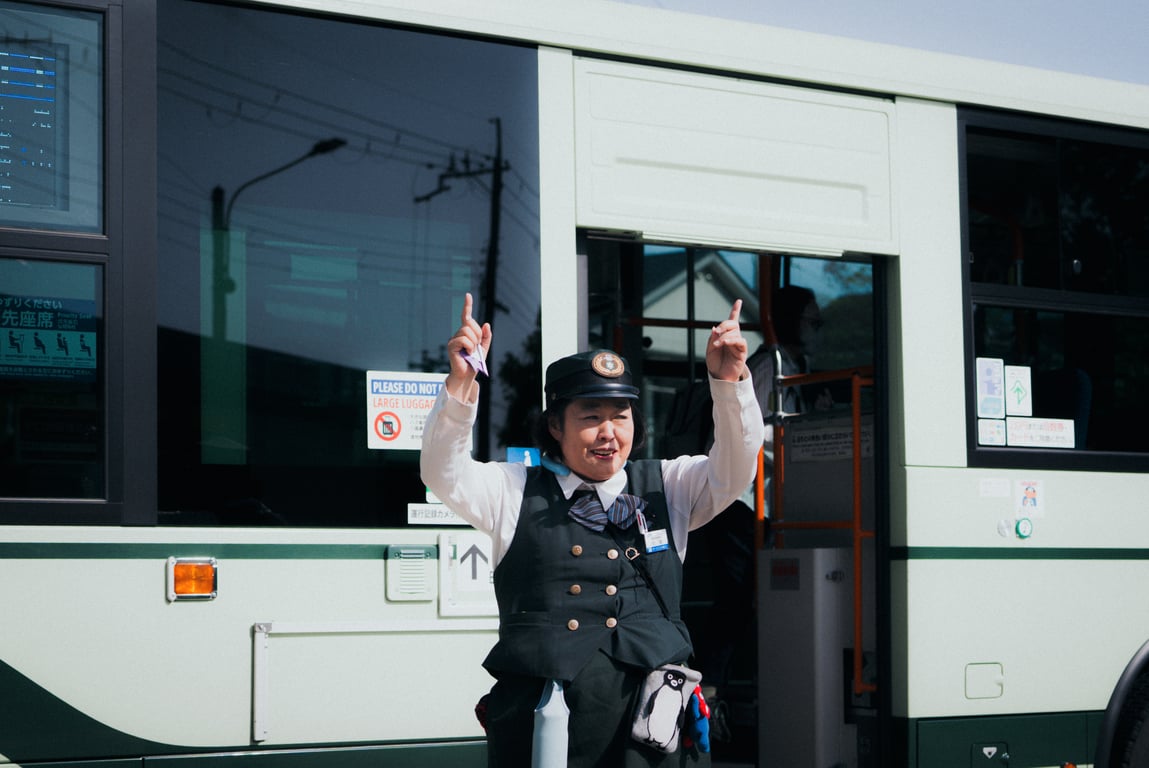
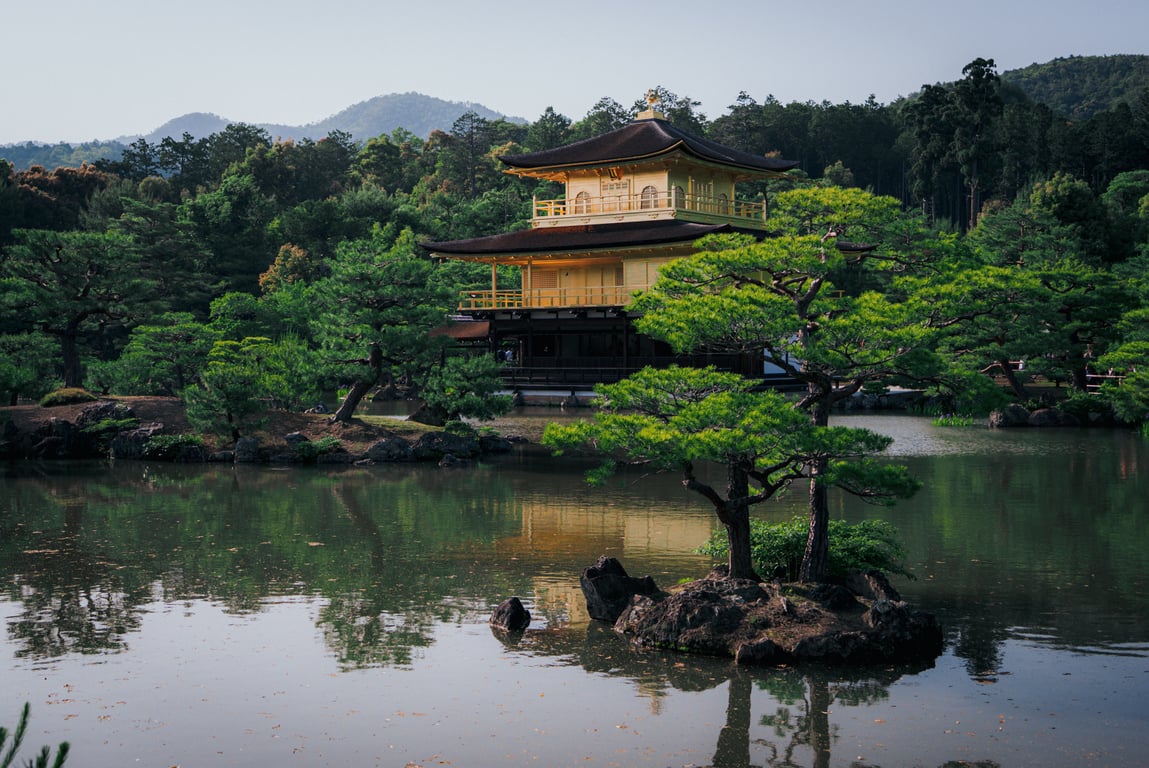
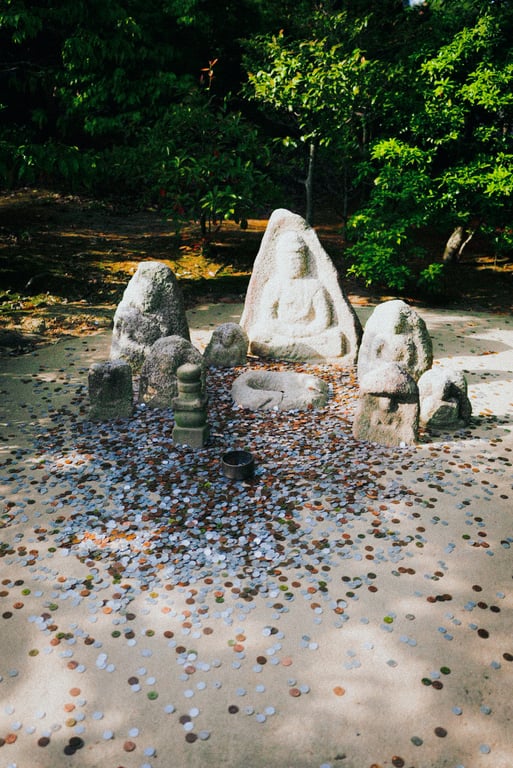
Silence is maintained on trains, and people are expected to keep their voices low in public spaces. You are discouraged from eating while walking, partly because it increases the risk of littering. You do not find litter on the streets, and you also do not find public trash cans. Instead, people are expected to carry their waste back home and dispose of it there.
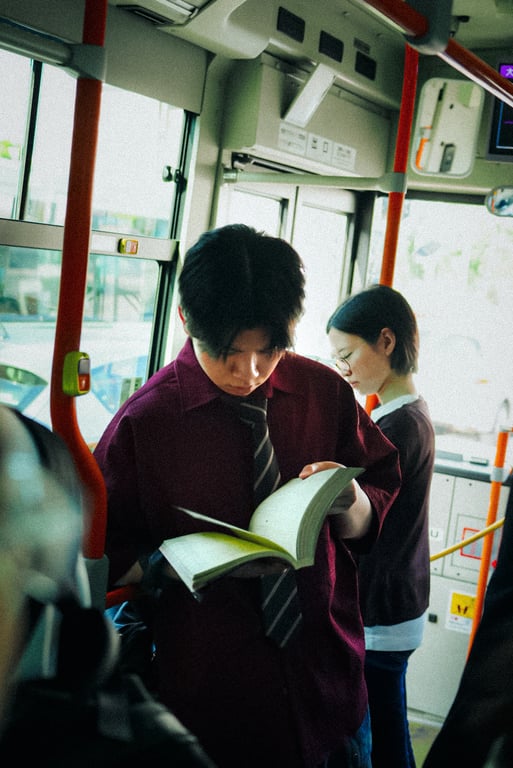
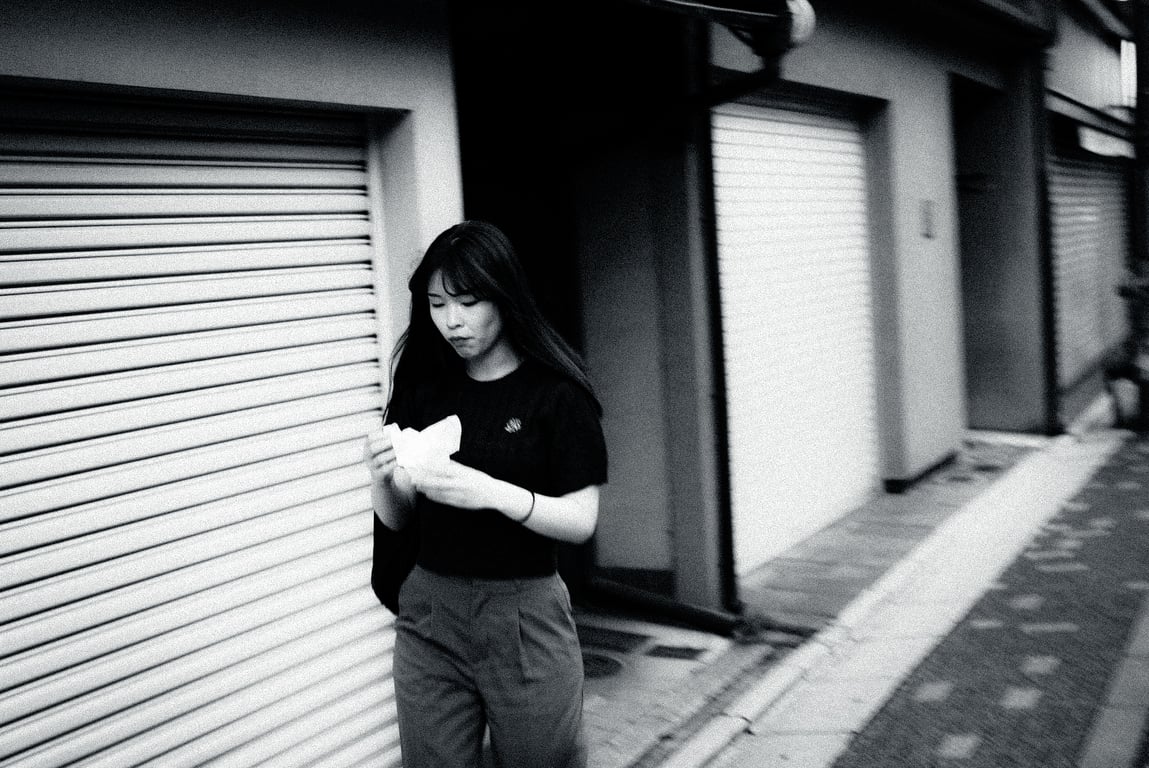
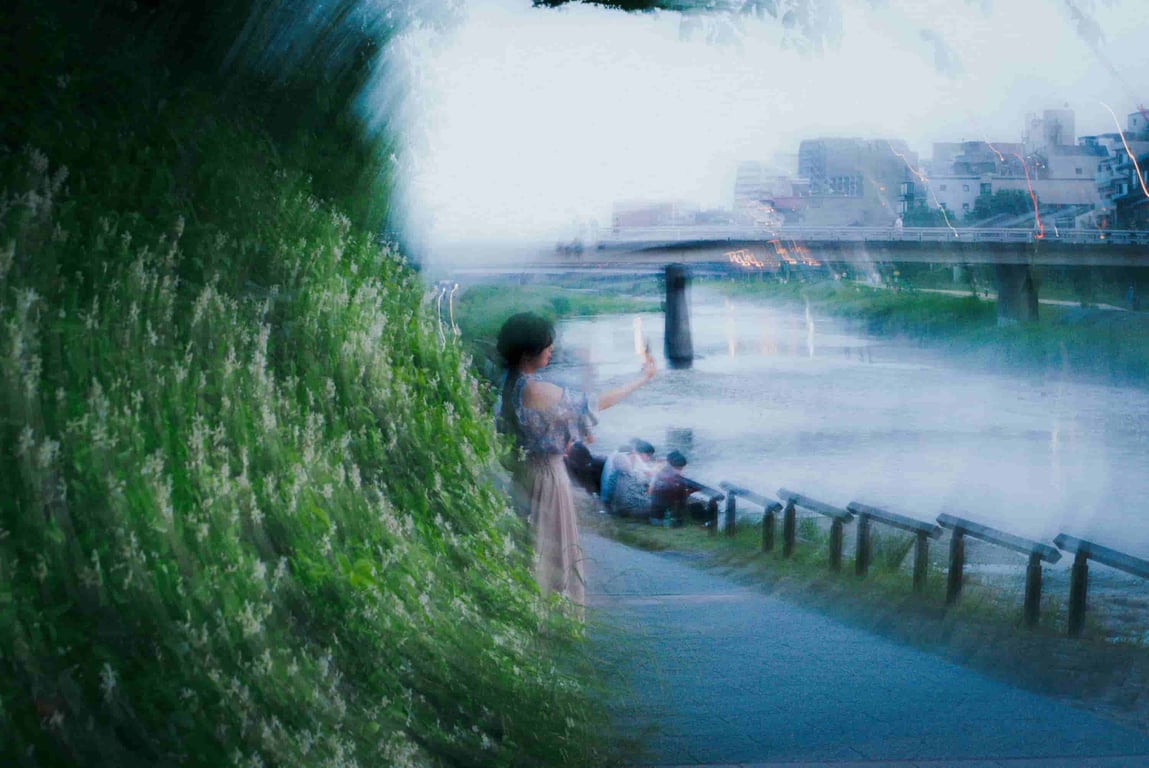
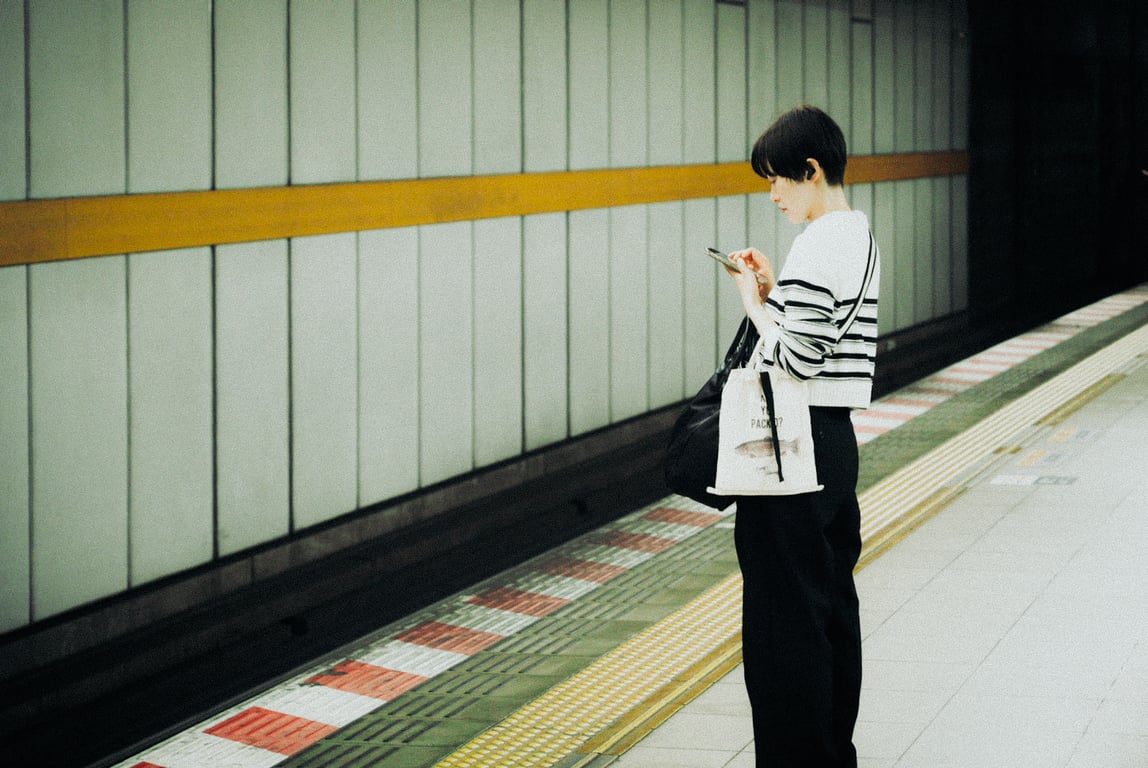
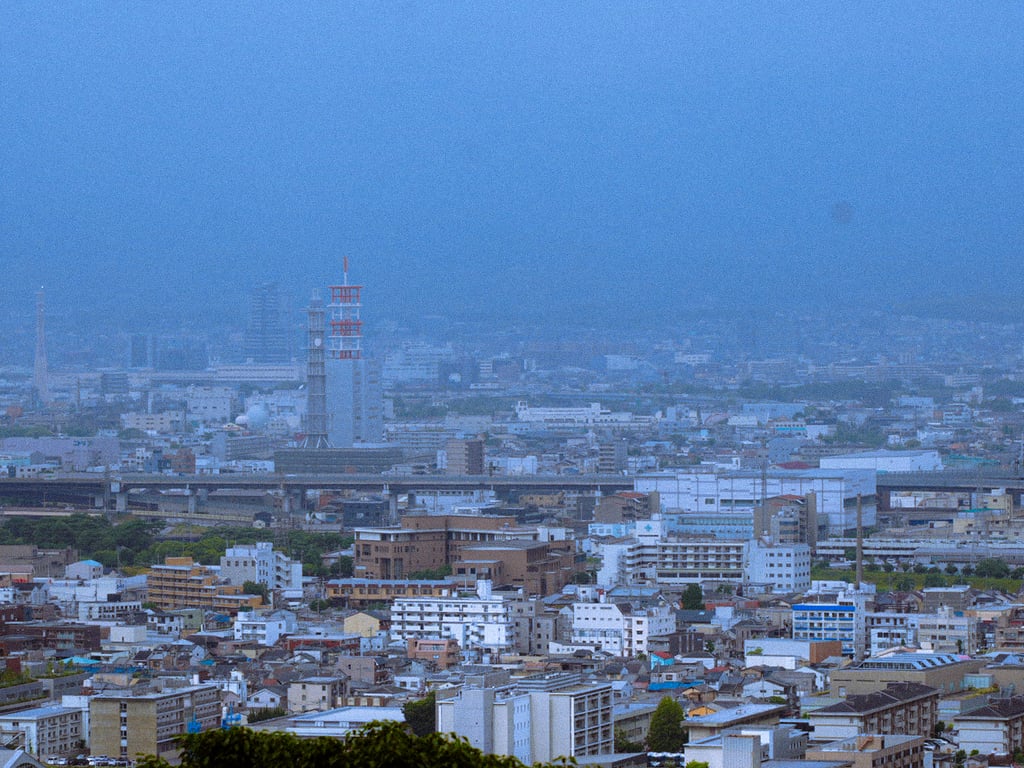
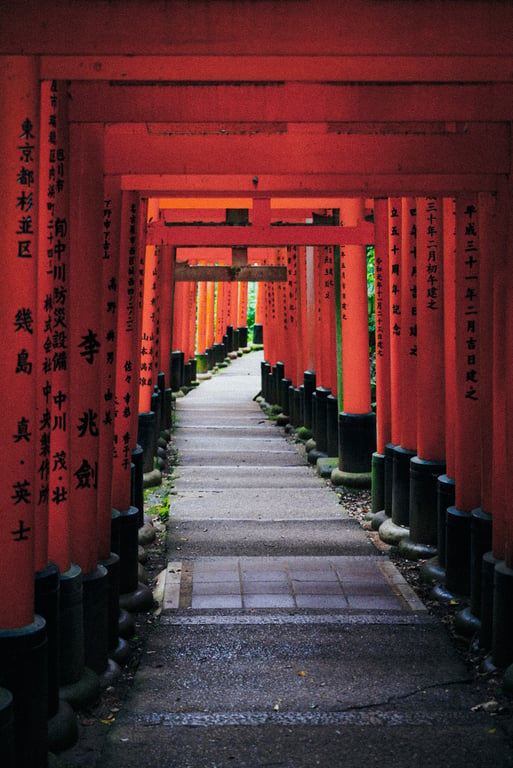
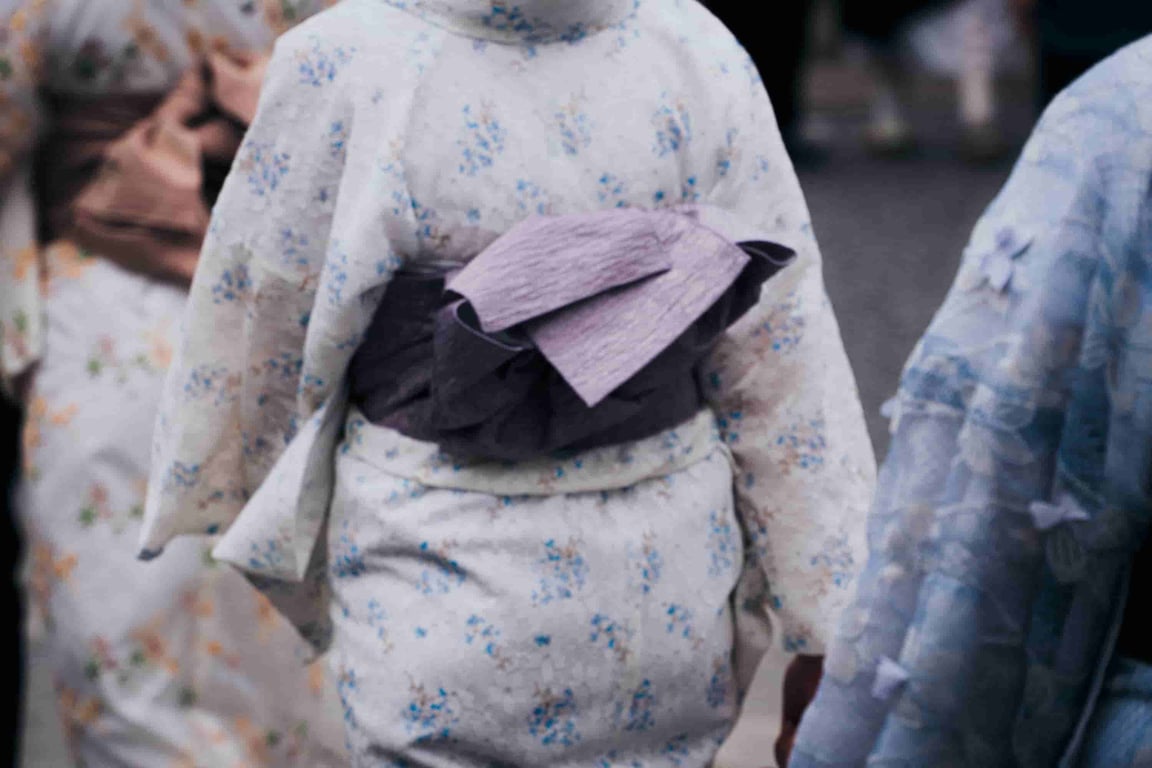
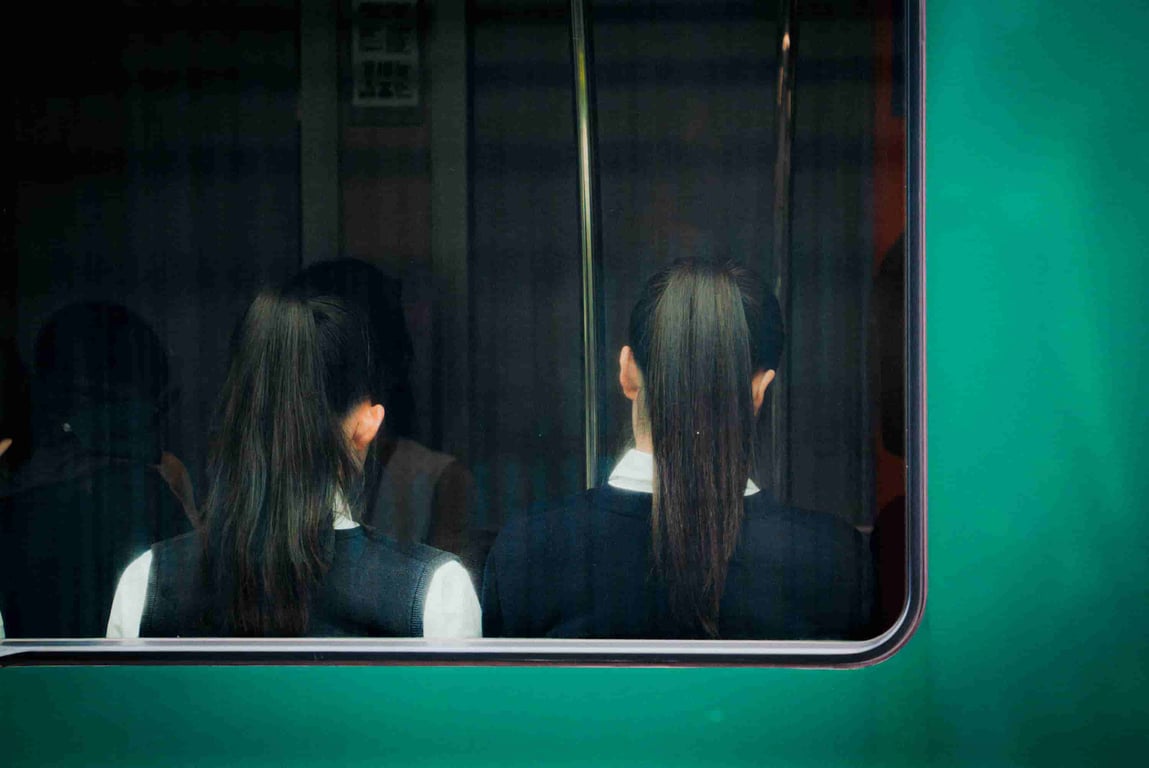
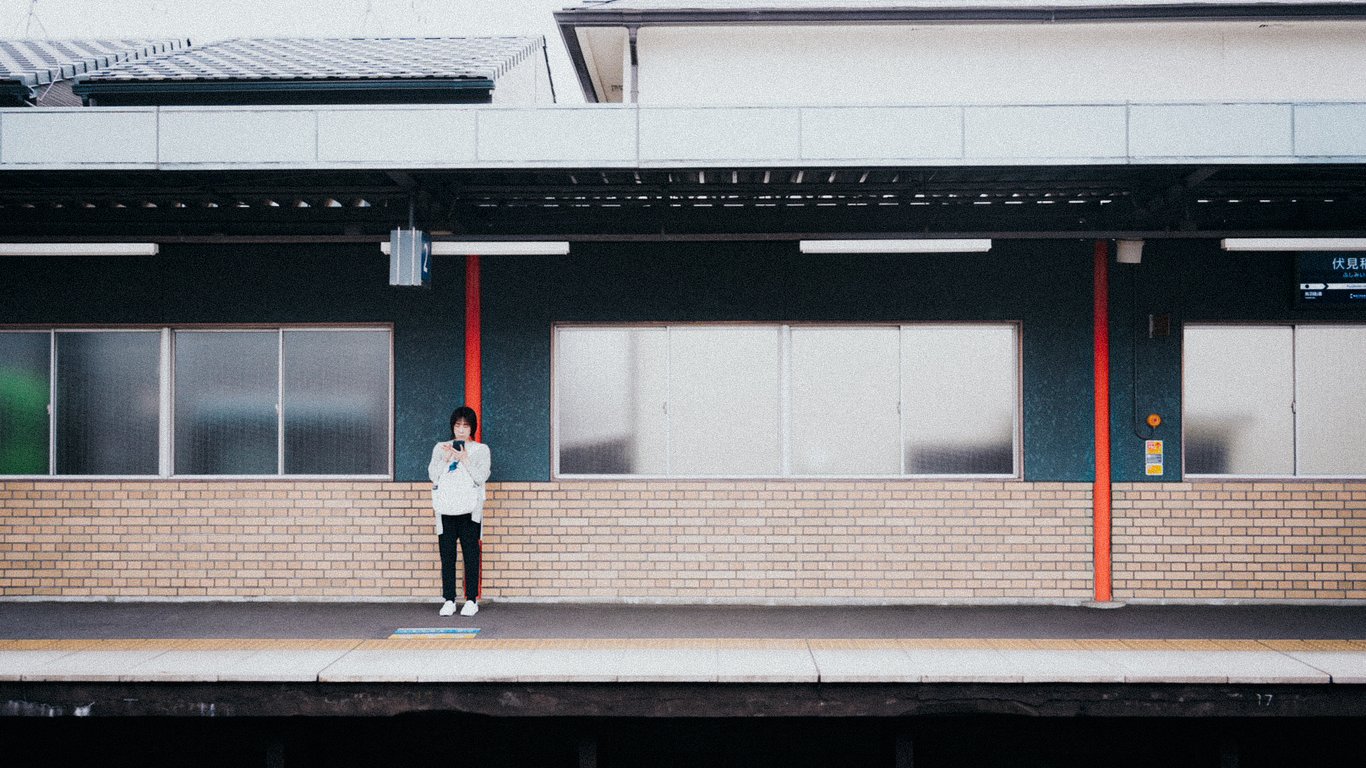
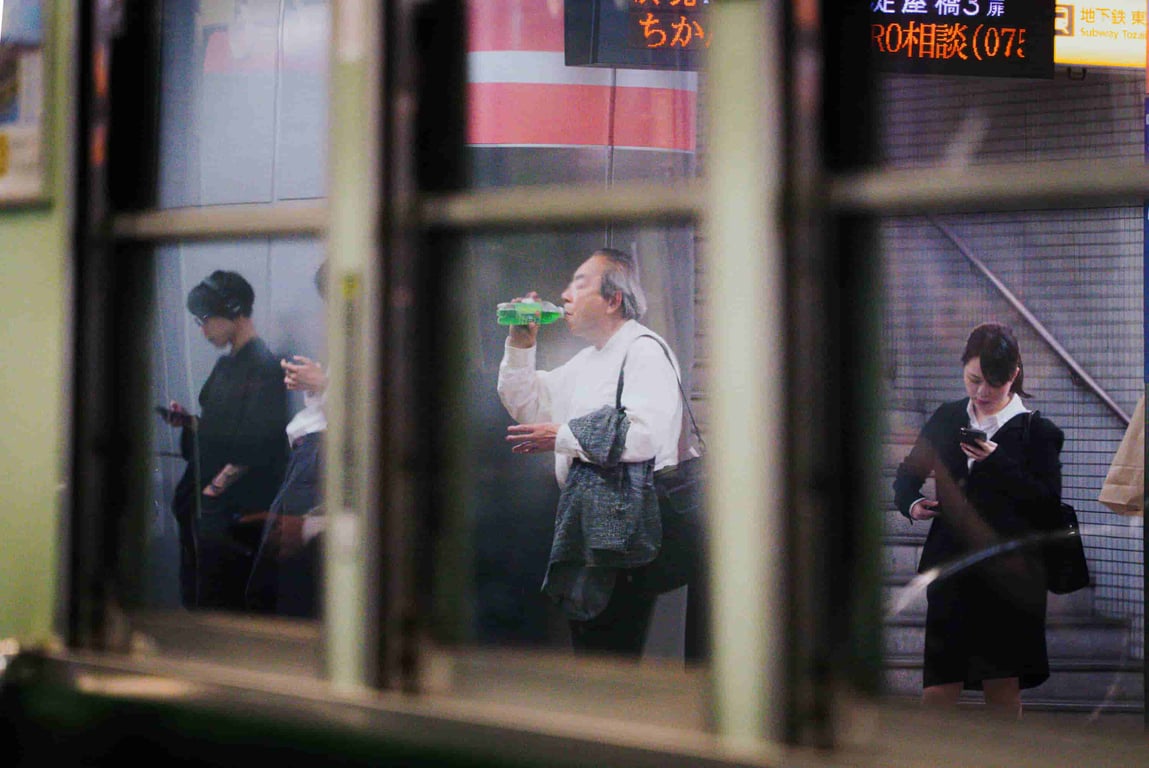
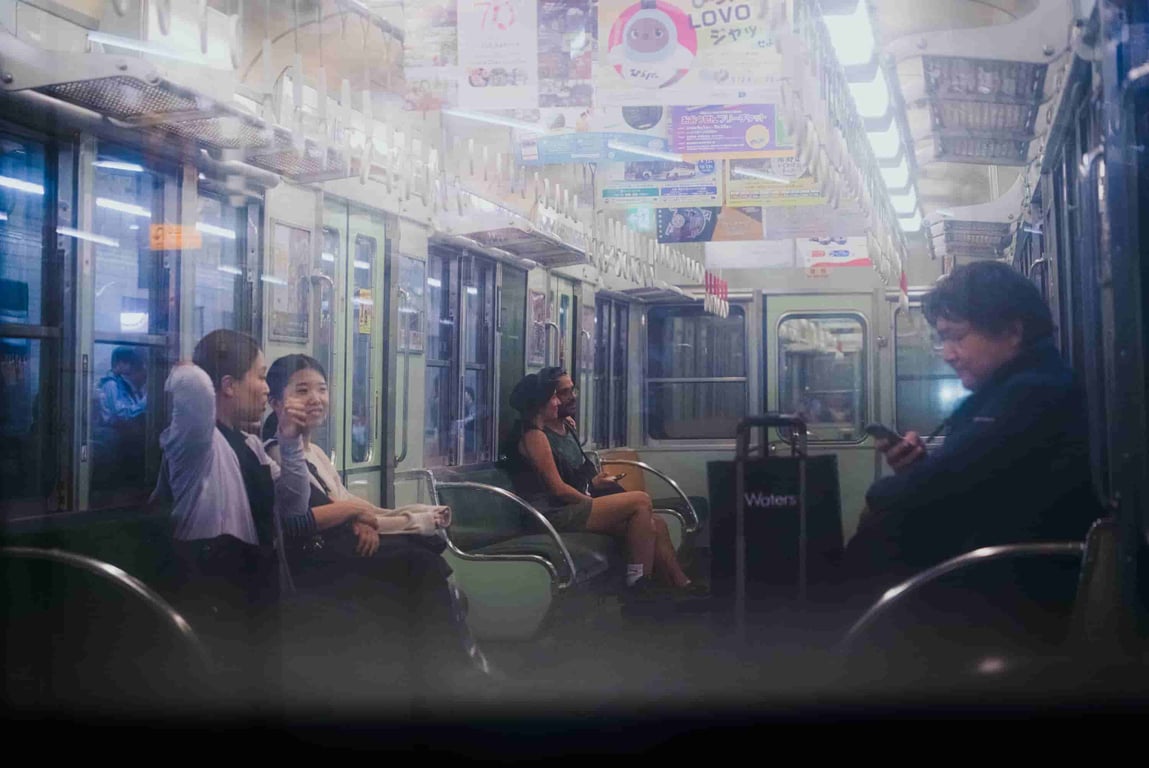
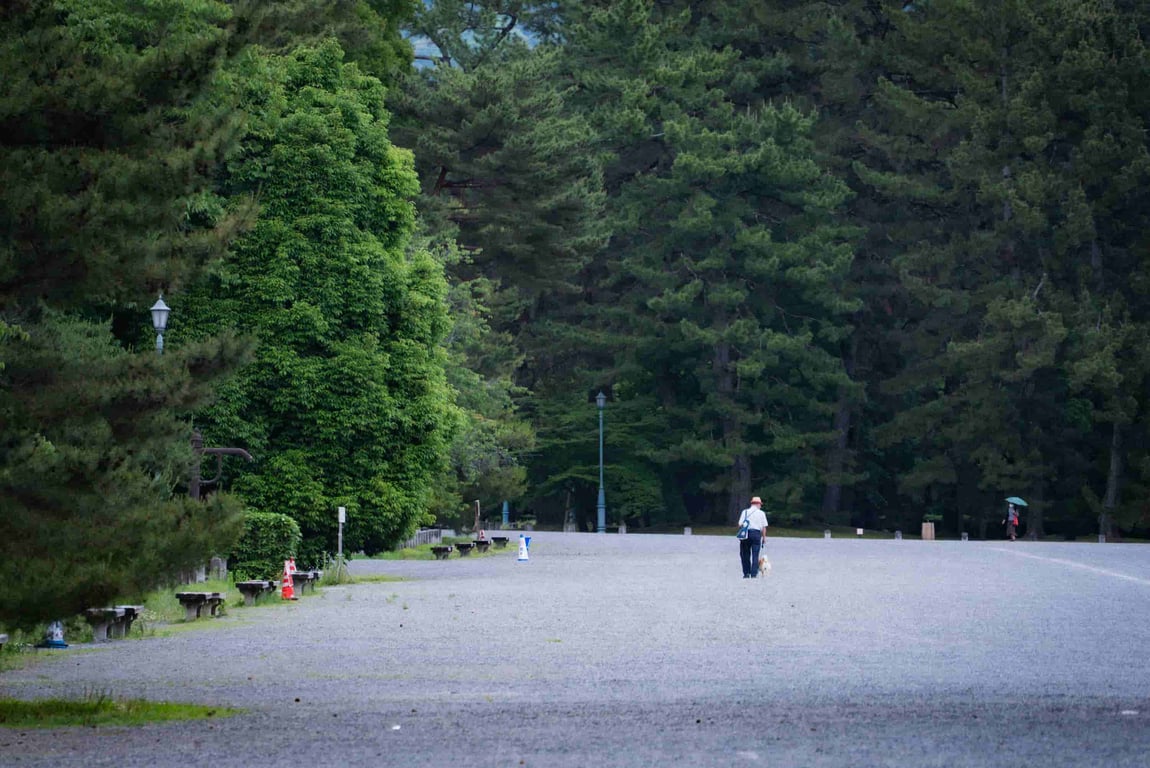
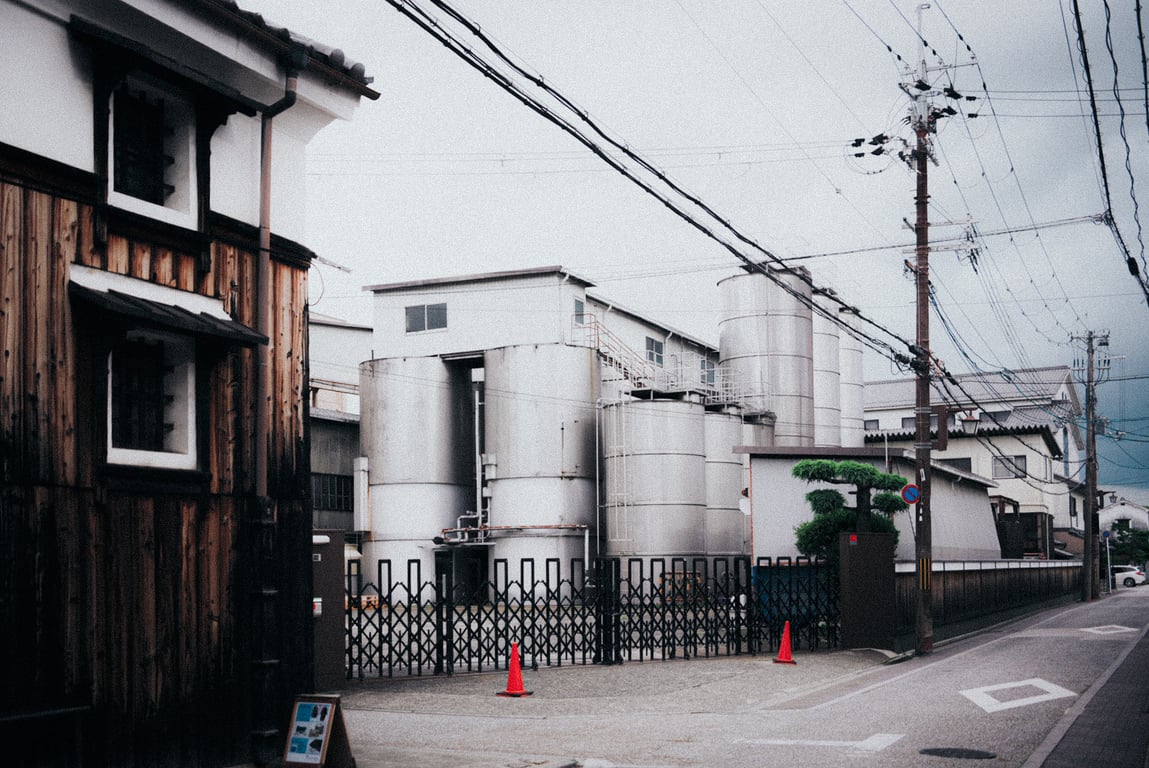
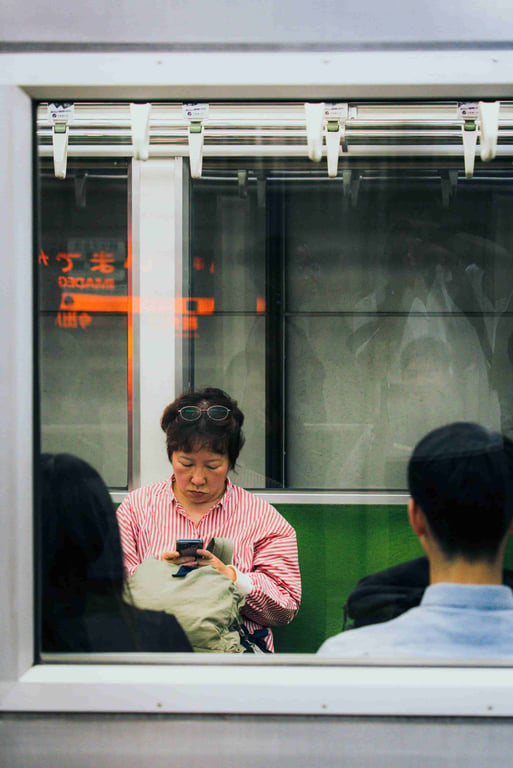
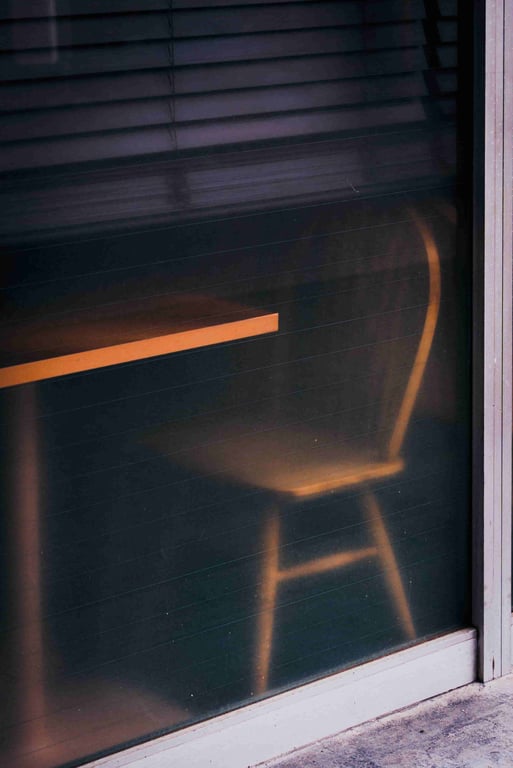
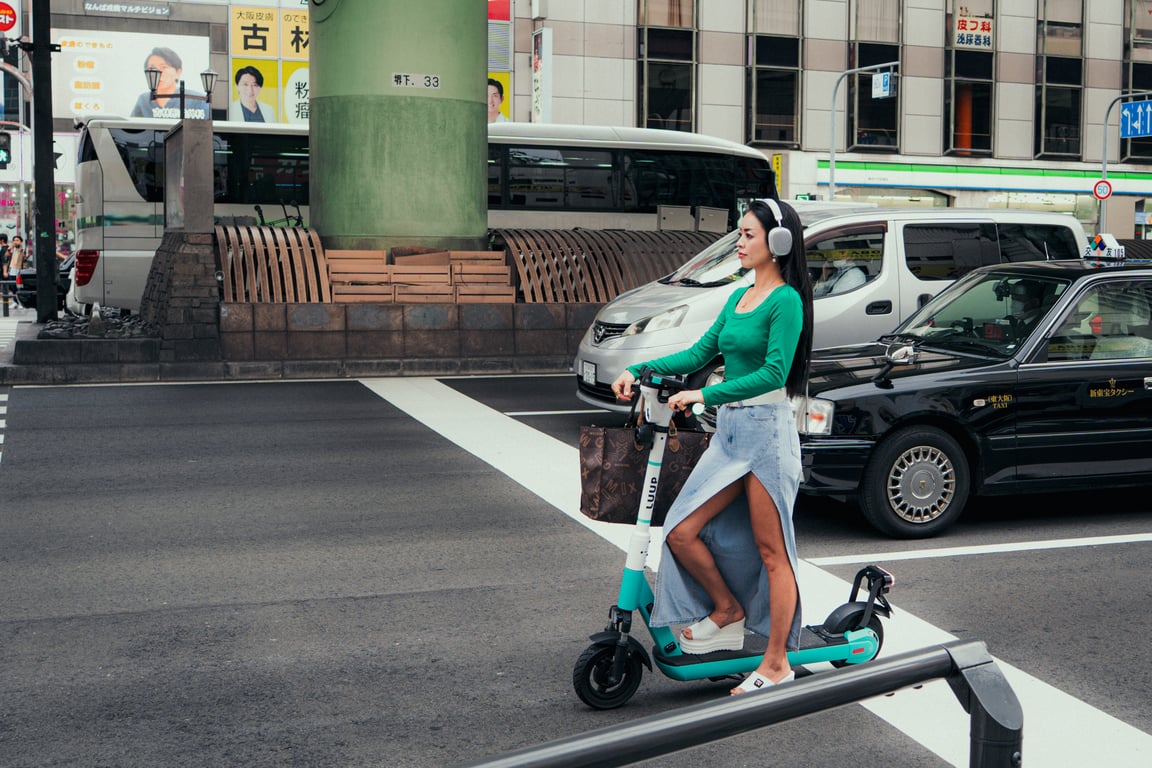
Japan has such a formidable transport infrastructure that we never once needed to use a private vehicle. The second-order effect of this is that road traffic stays low, which in turn makes cities far more friendly to pedestrians and cyclists. Whether it was the inter-city Shinkansens or the local buses, getting anywhere felt efficient and affordable, and almost entirely frictionless. At one point, when our bus arrived just two minutes late, the staff apologised for the inconvenience. I kept wondering how incentives are aligned to make this level of time discipline real. Perhaps the incentive is simply cultural: a sense of duty toward others, with the reward being the inner alignment that comes from doing one’s job well.
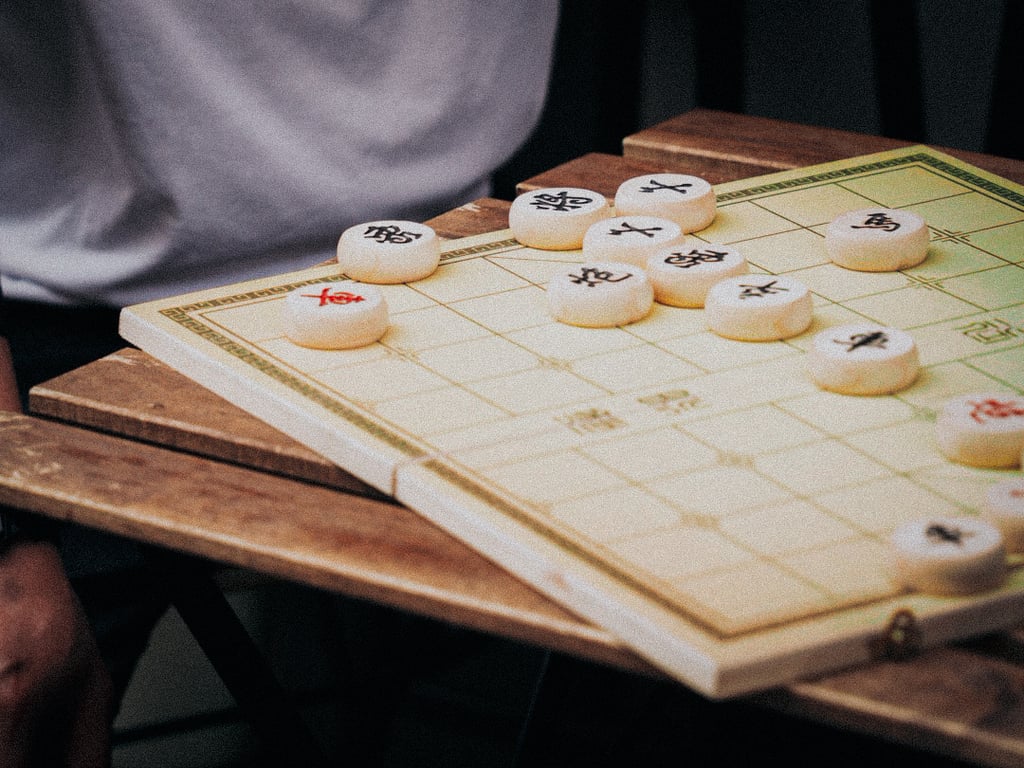
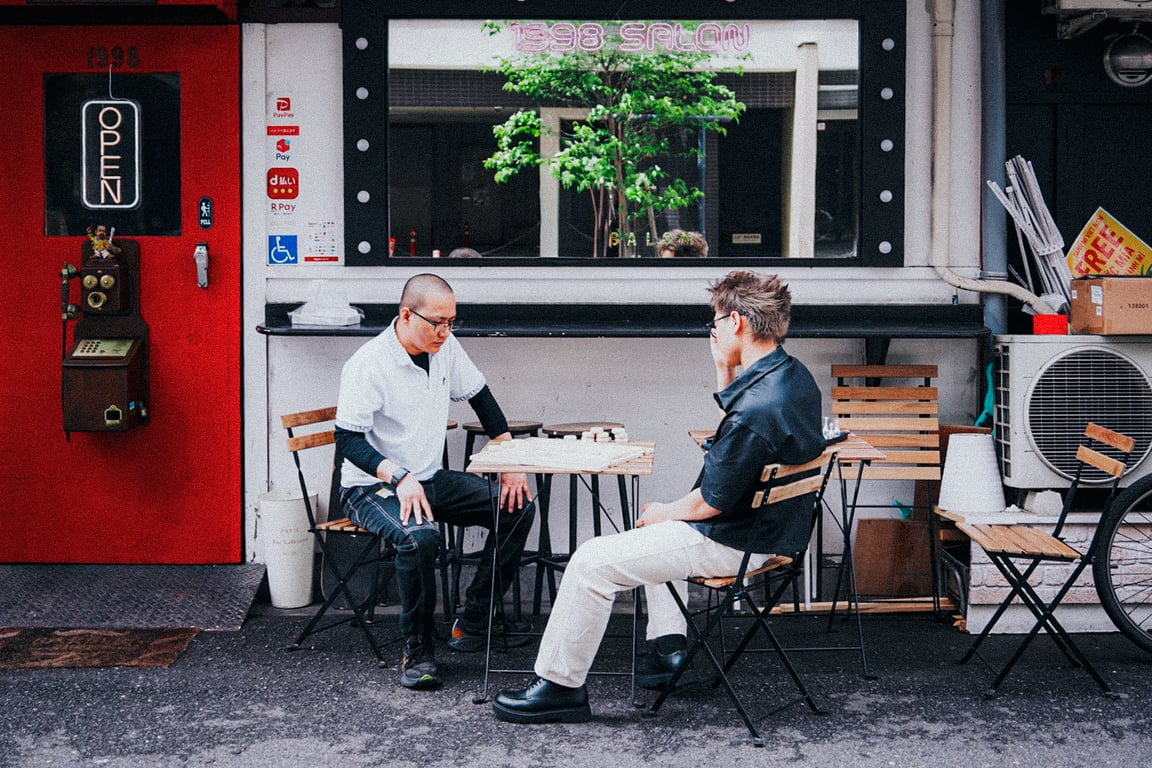
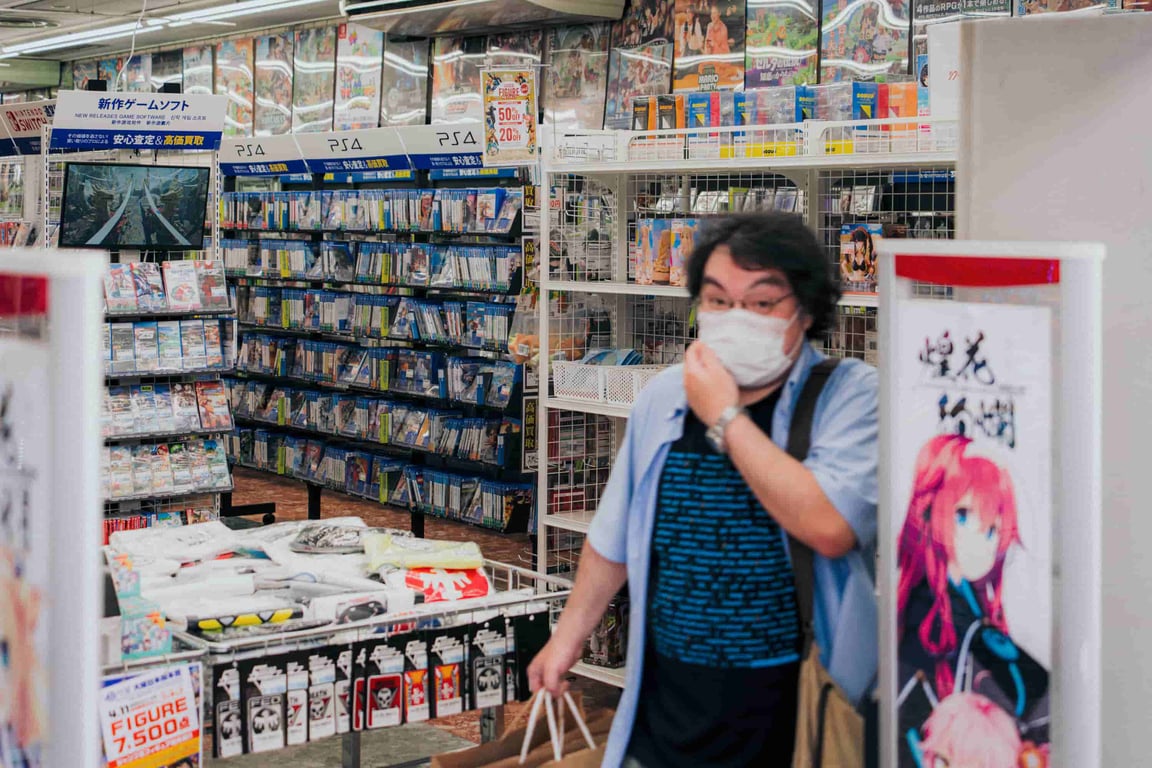
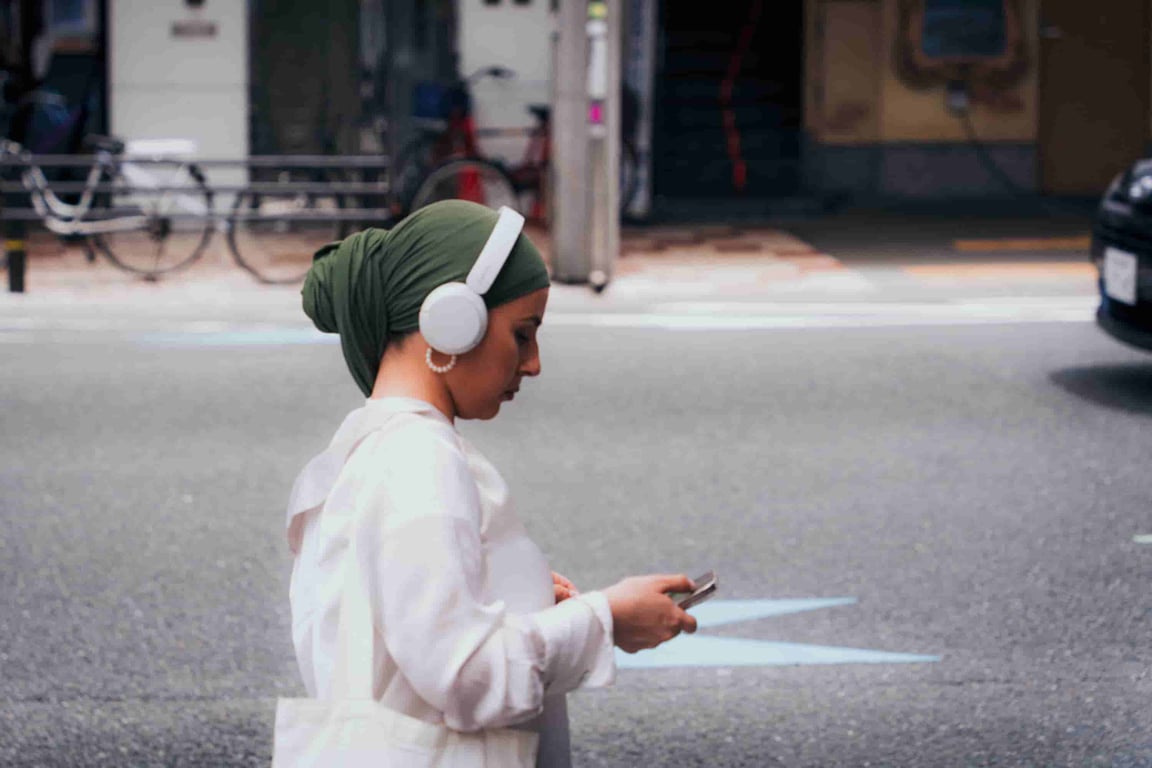
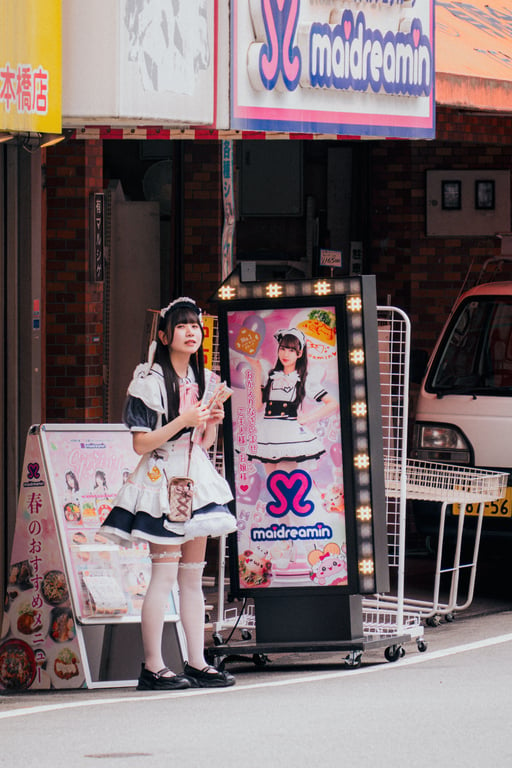
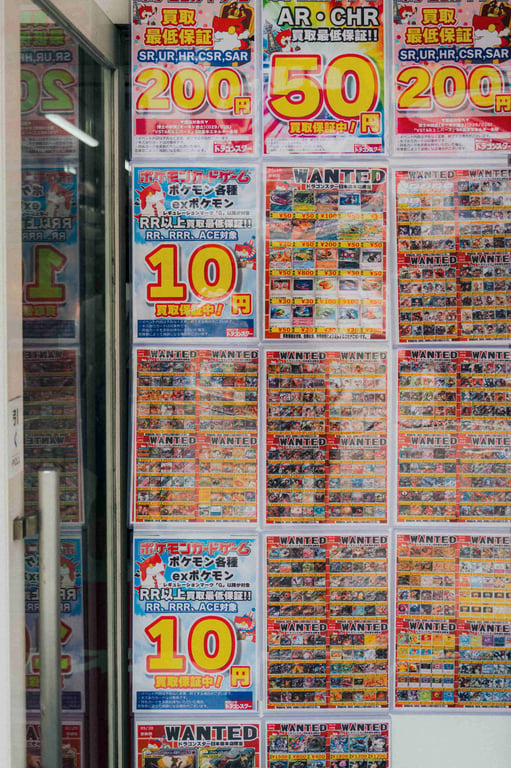
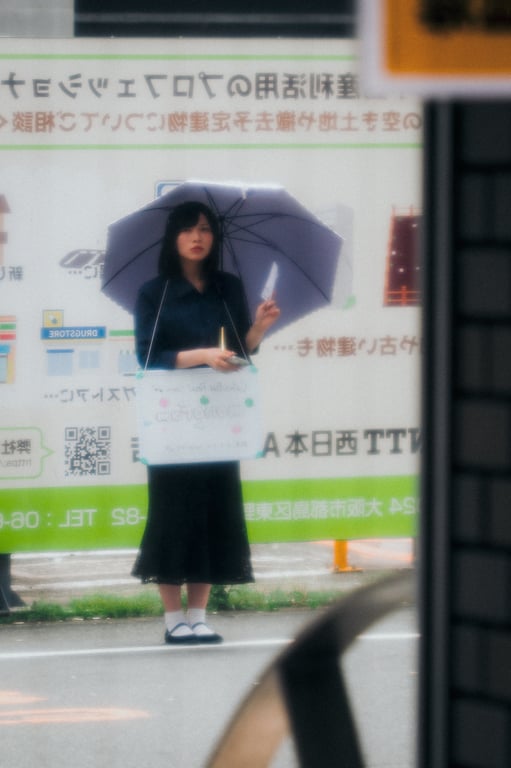
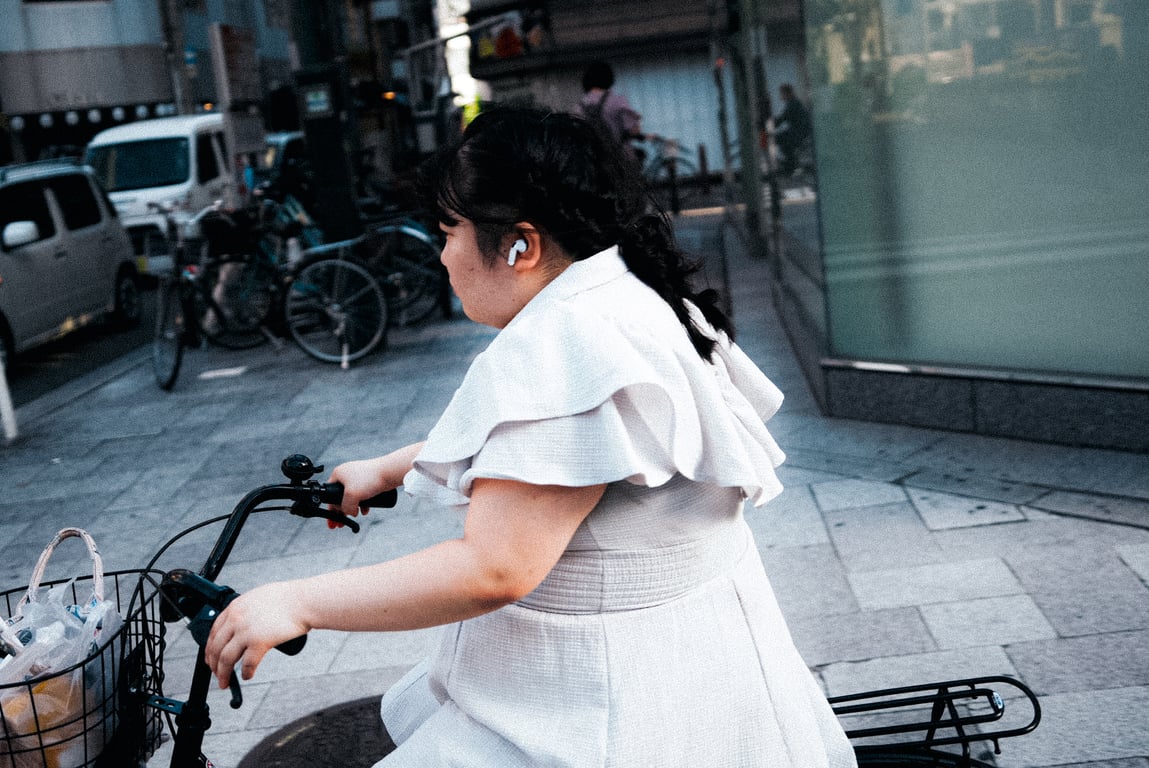
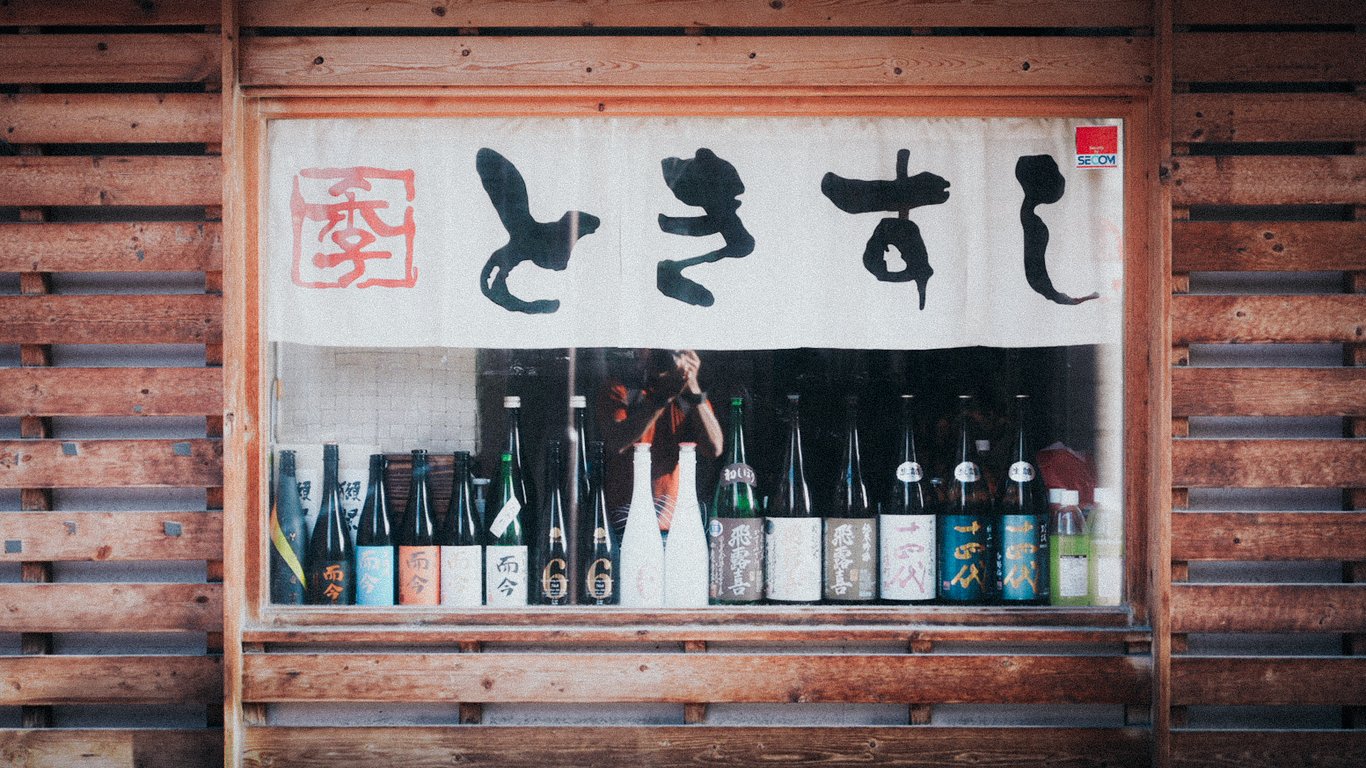
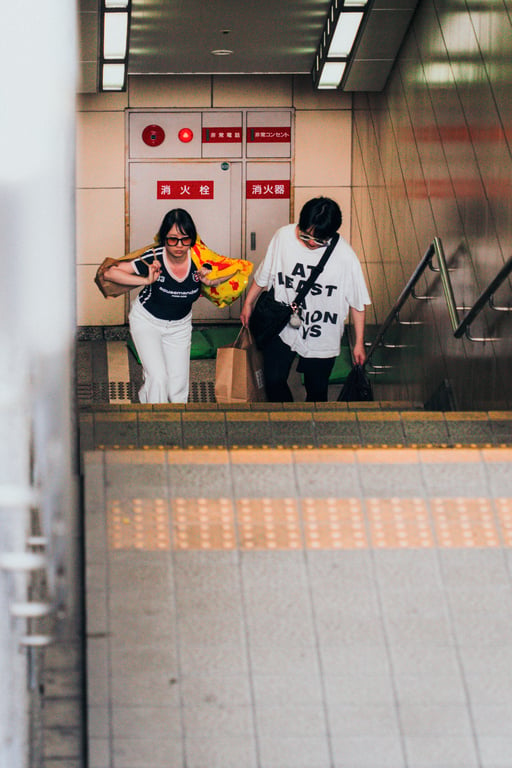
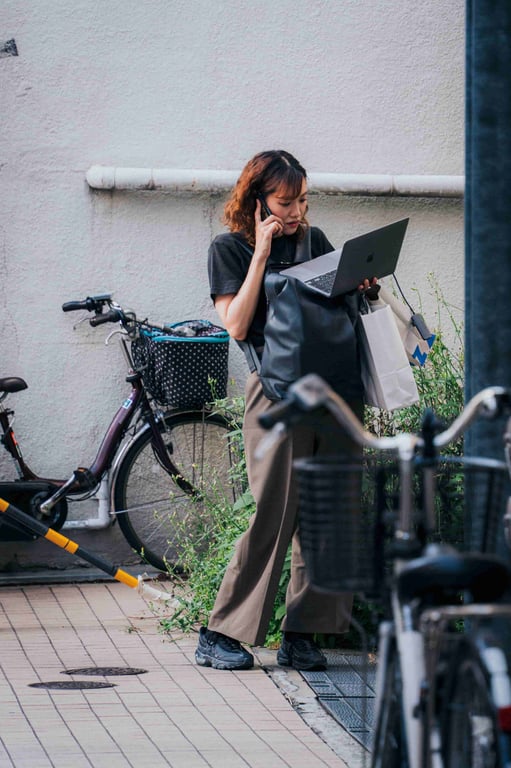
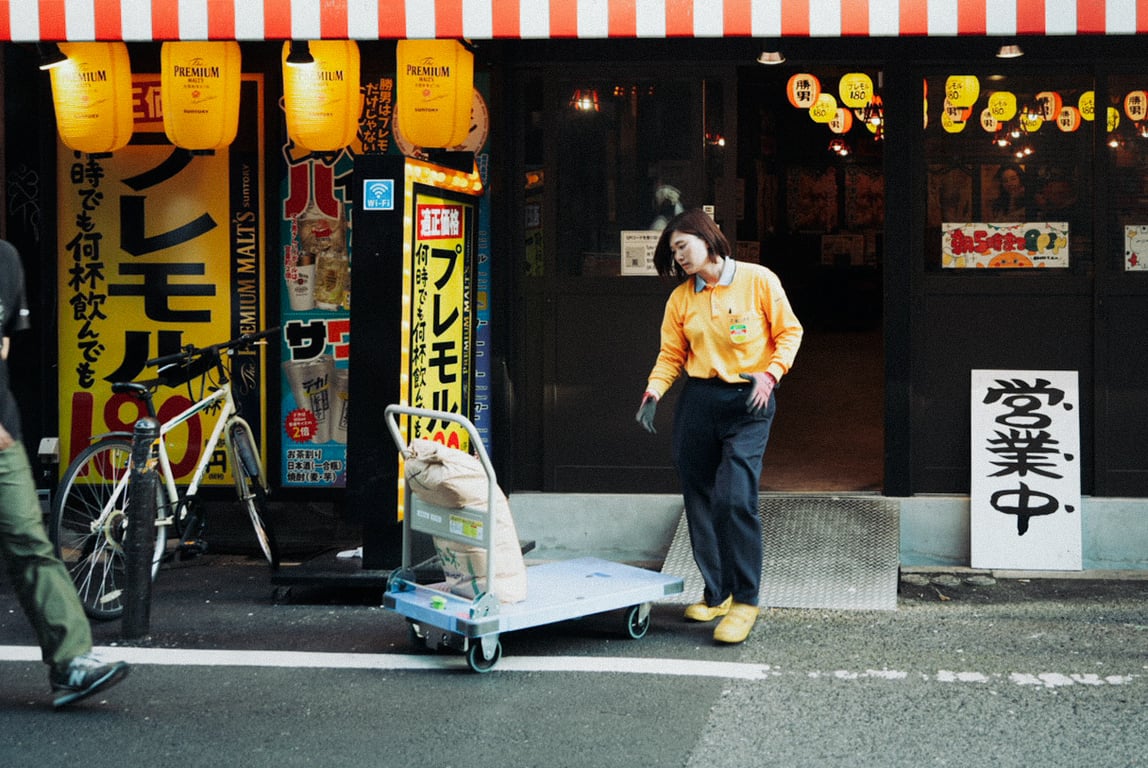
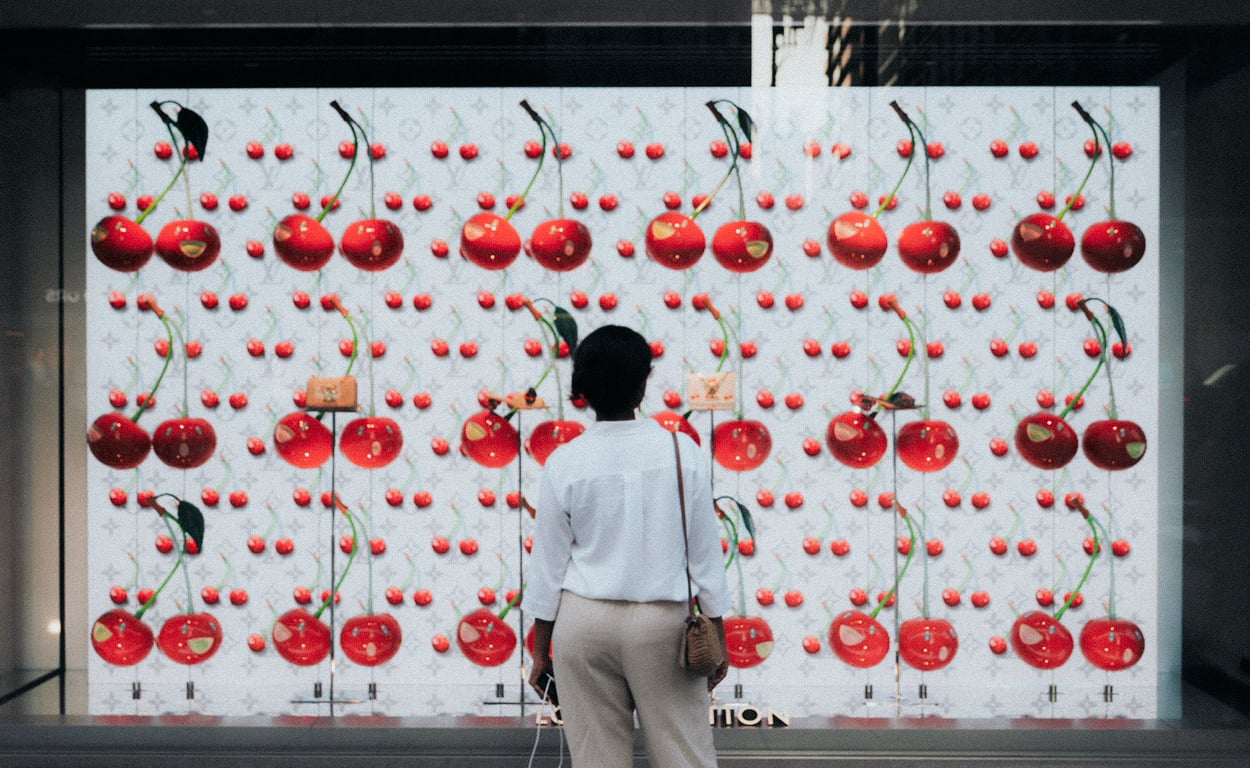
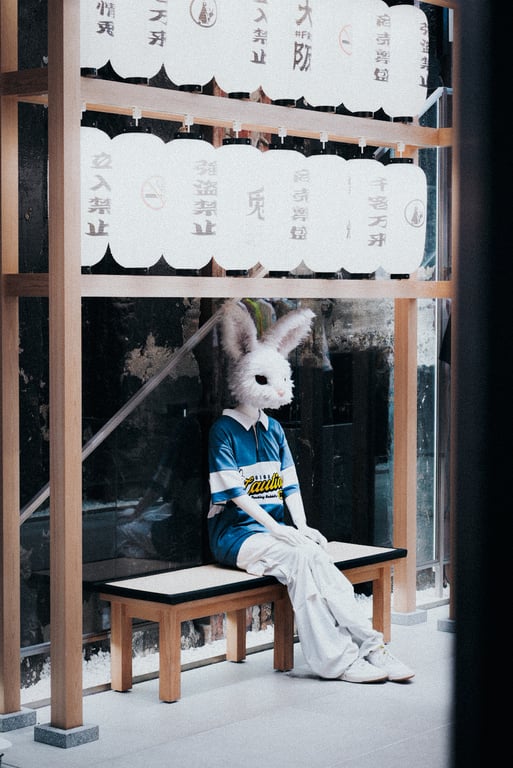
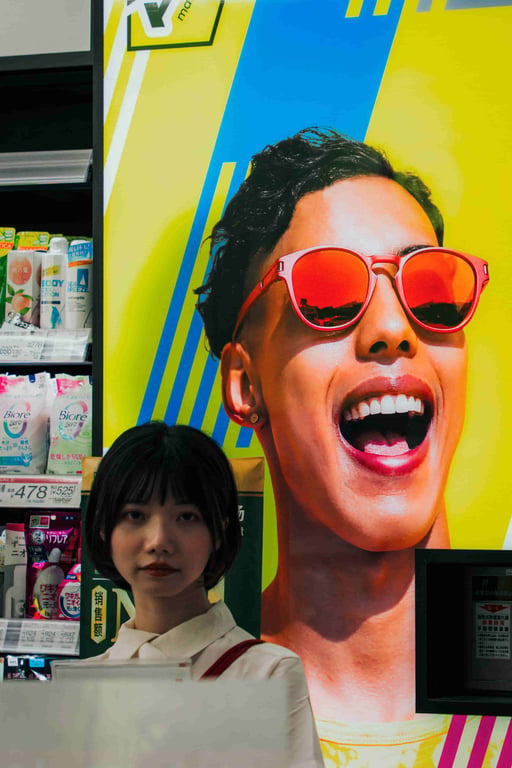
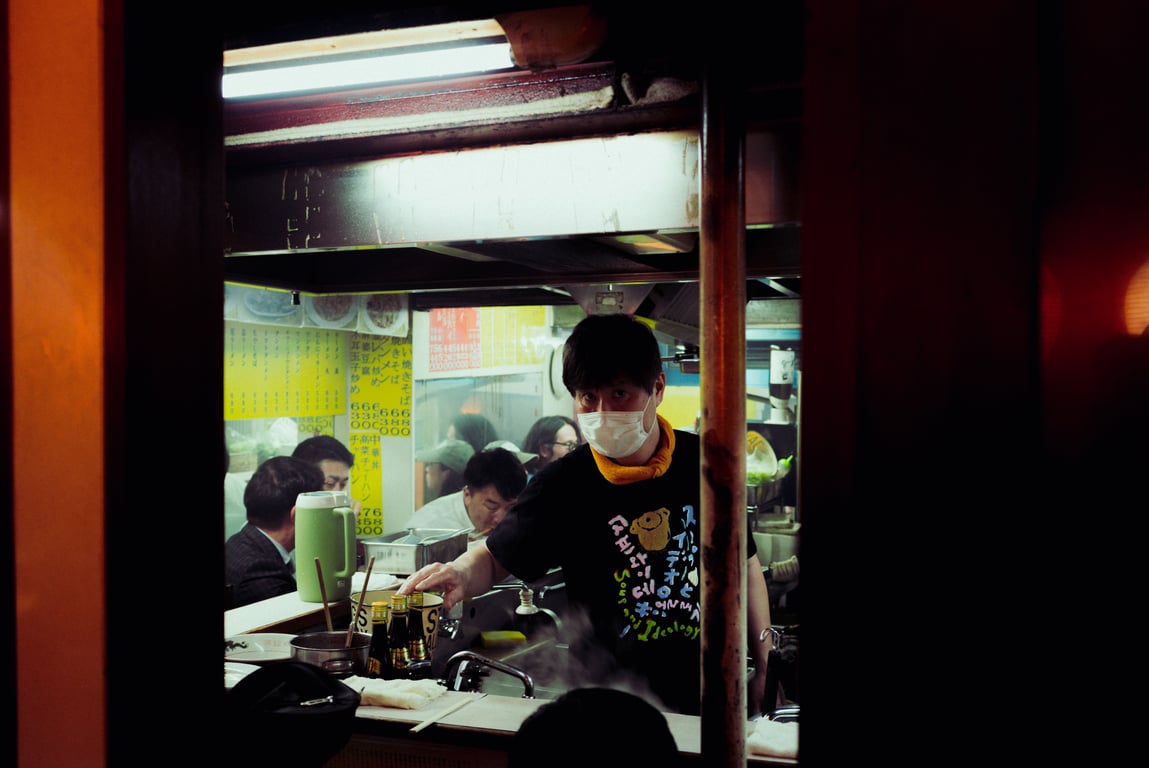
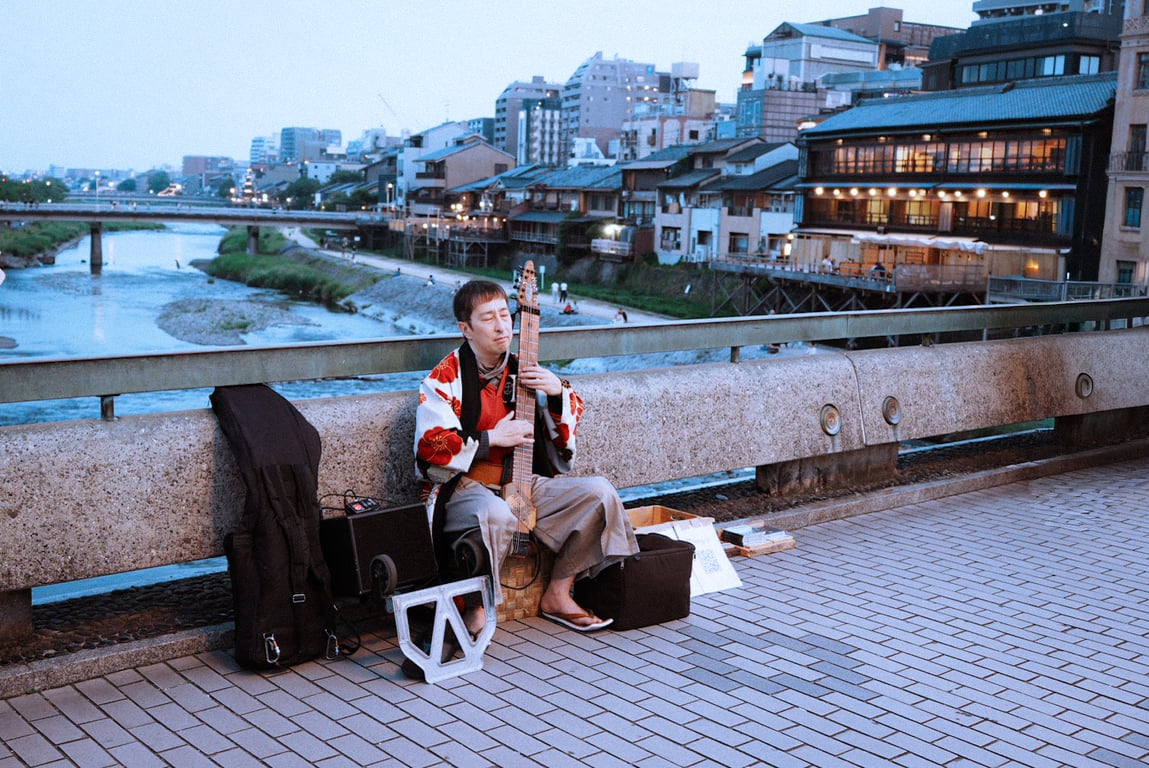
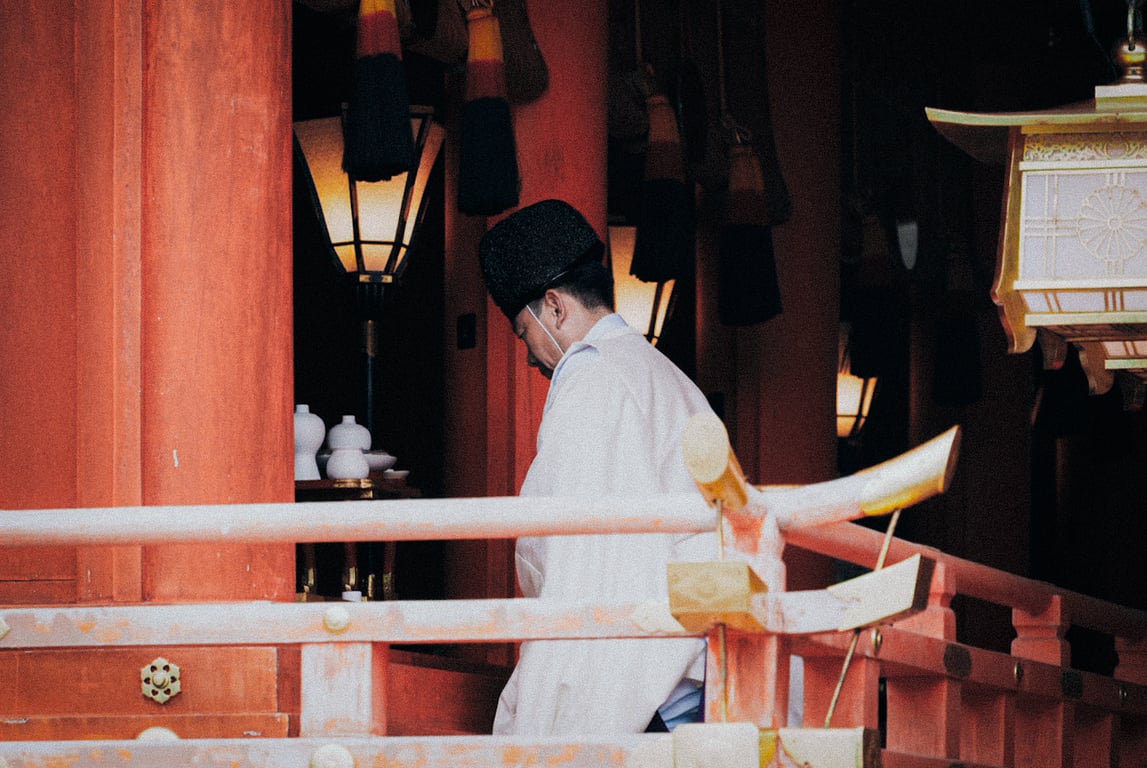
At the heart of all this is craft and intention. Beyond the well-known arts of origami, kintsugi, matcha tea-making, the pursuit of craft shows up almost everywhere. You see it in knife making, in bonsai, and in the relationship chefs have with their food. But what’s striking is that you also see it in far more ordinary places too: in the care taken with packaging, in the feel of stationery and paper goods, and in the small details of public infrastructure like drain covers, signboards, and handrails. It leaves an impression that all of these objects are designed to belong to their spaces, not just function. In each of these, there is a quiet seriousness about doing one thing well and doing it with care. I believe this is rooted in Shinto philosophy, which treats every object as possessing a spirit. When every object is seen as having a spirit, it becomes a human duty to honor that spirit through attention and respect. As a result, getting better at what one does is not only professional improvement, but a kind of spiritual practice.
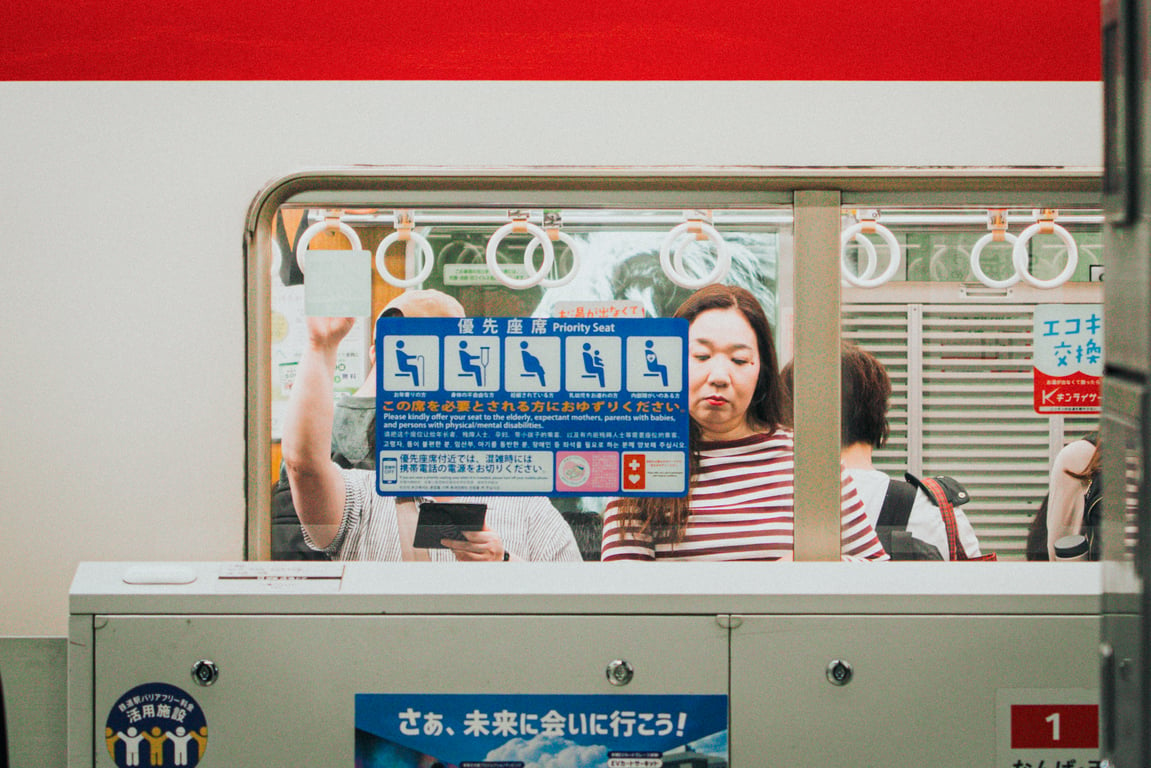
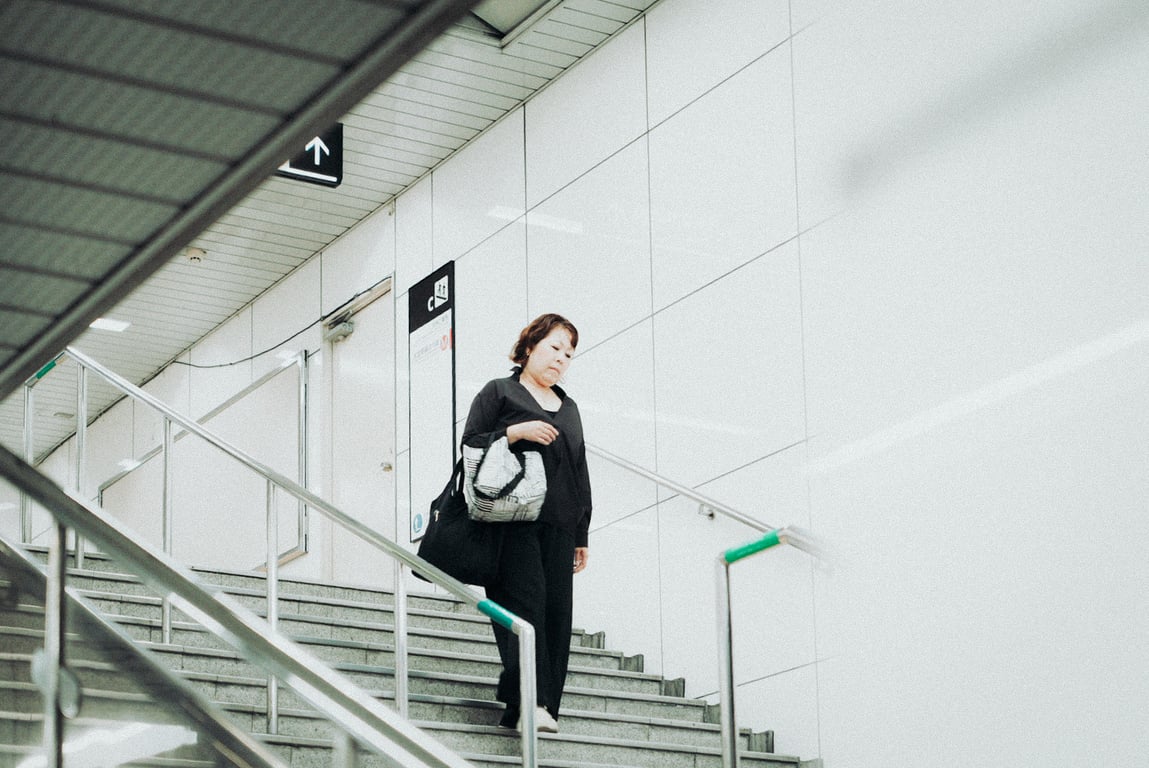
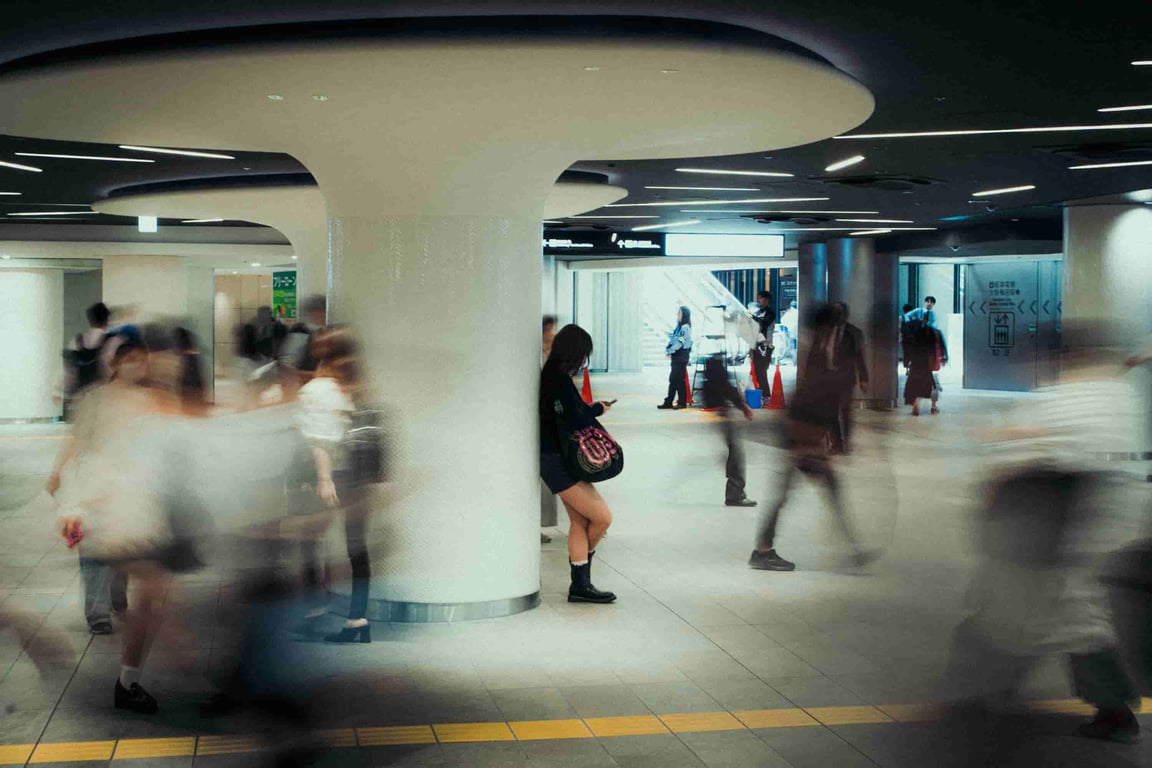
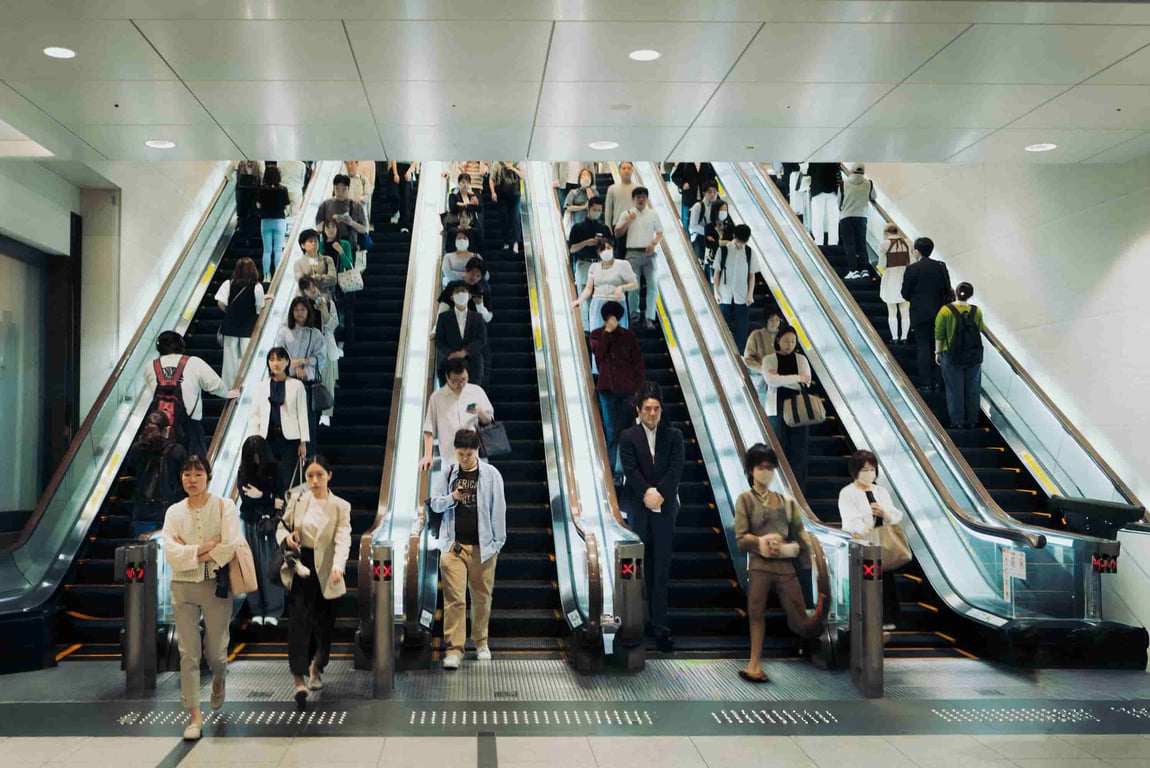
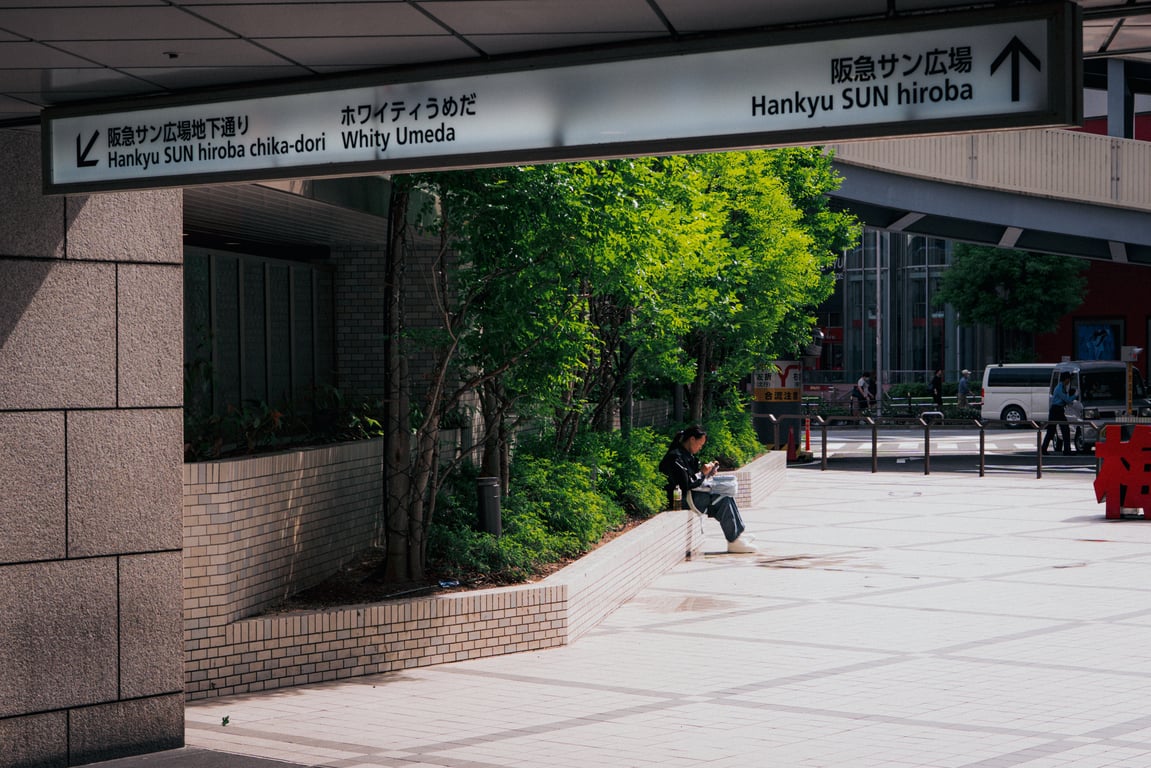
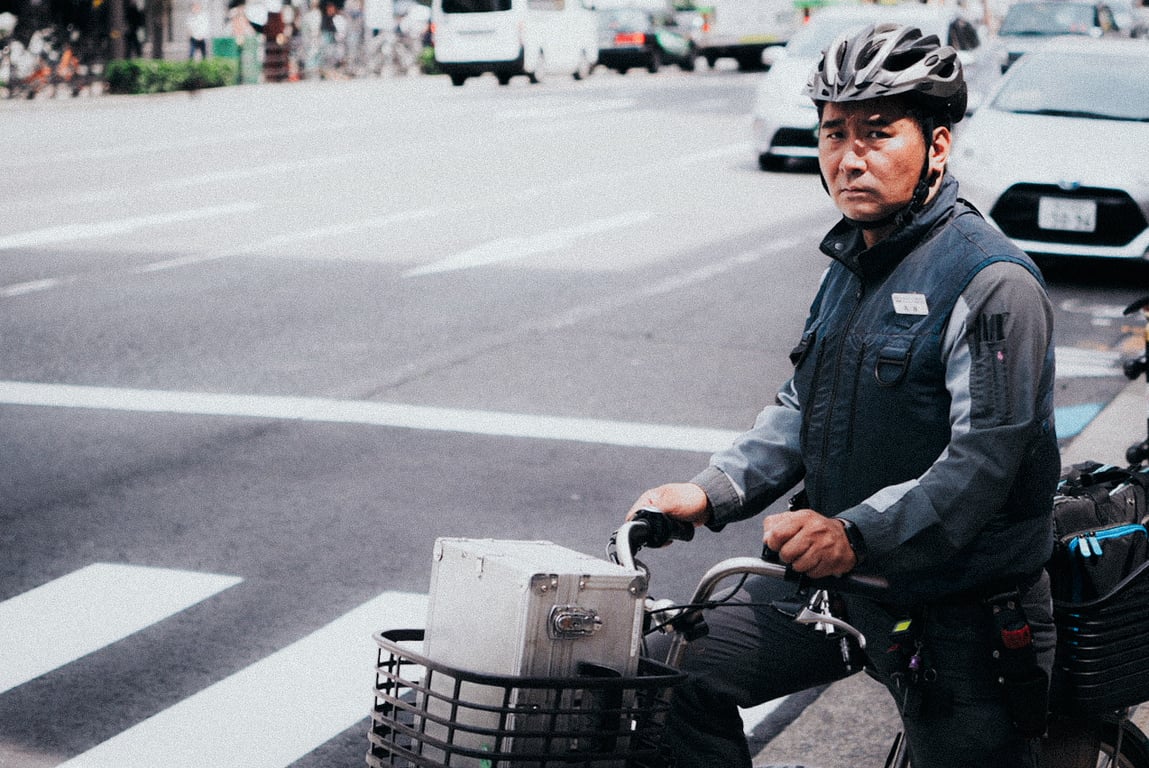
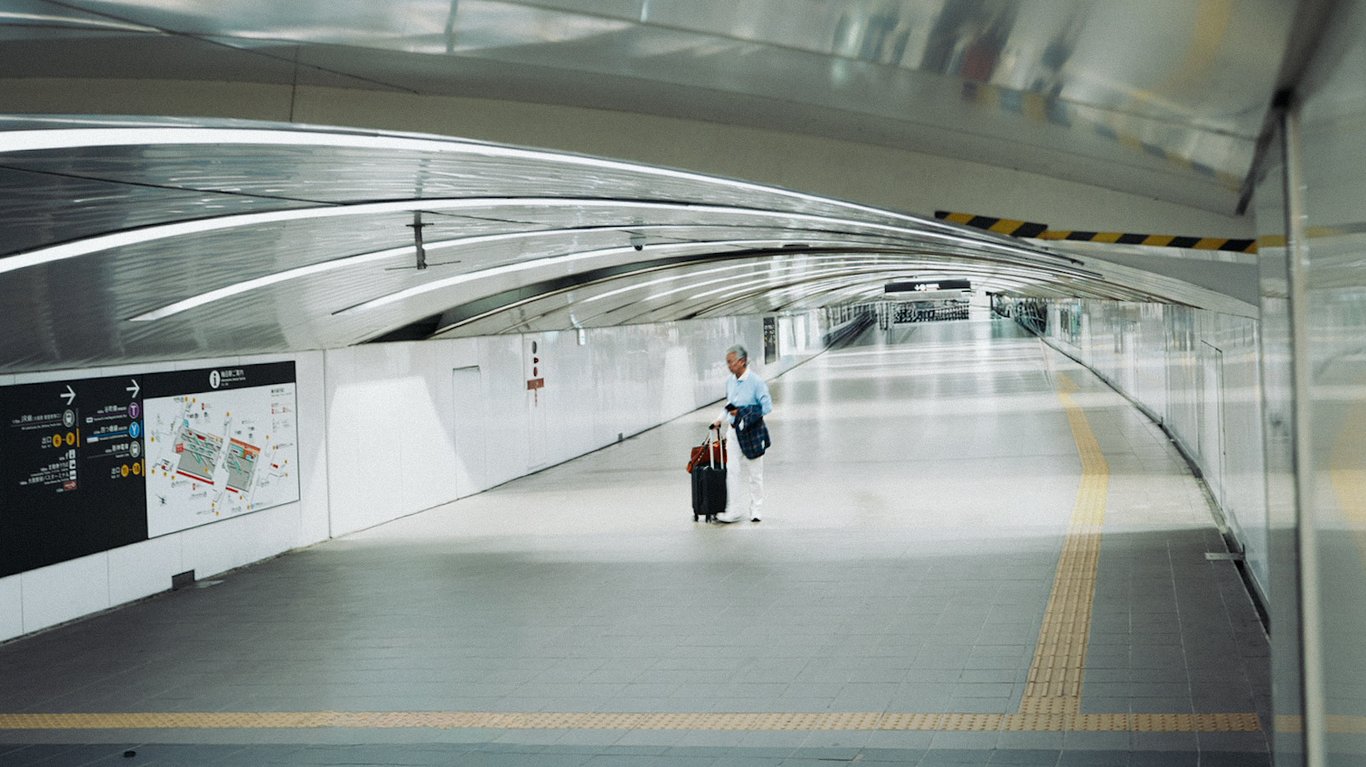
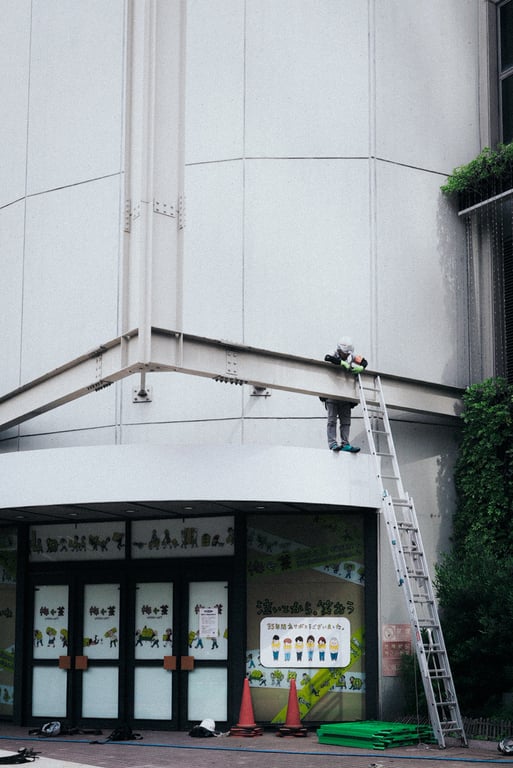
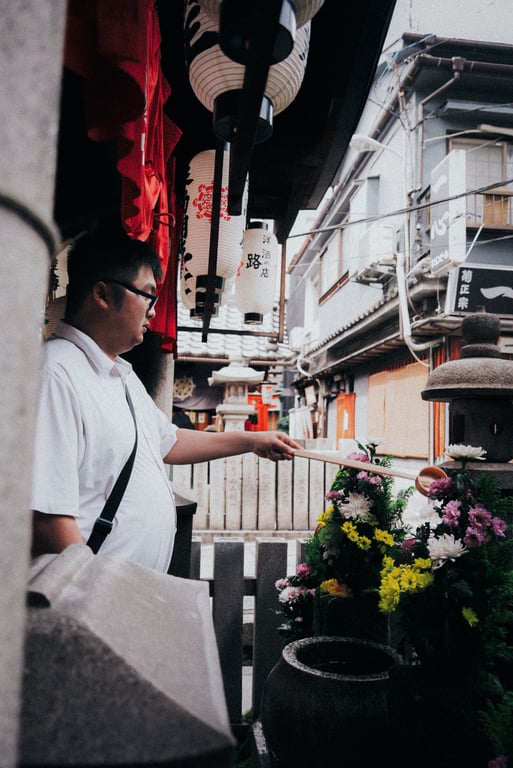
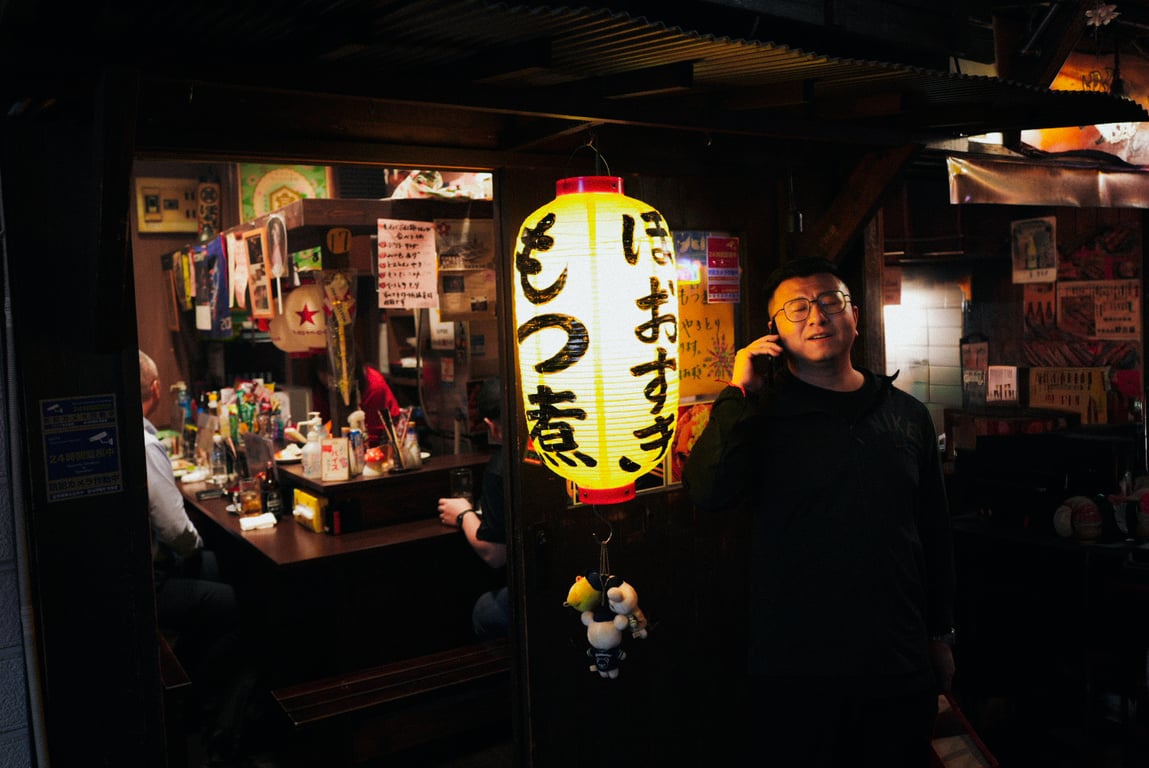
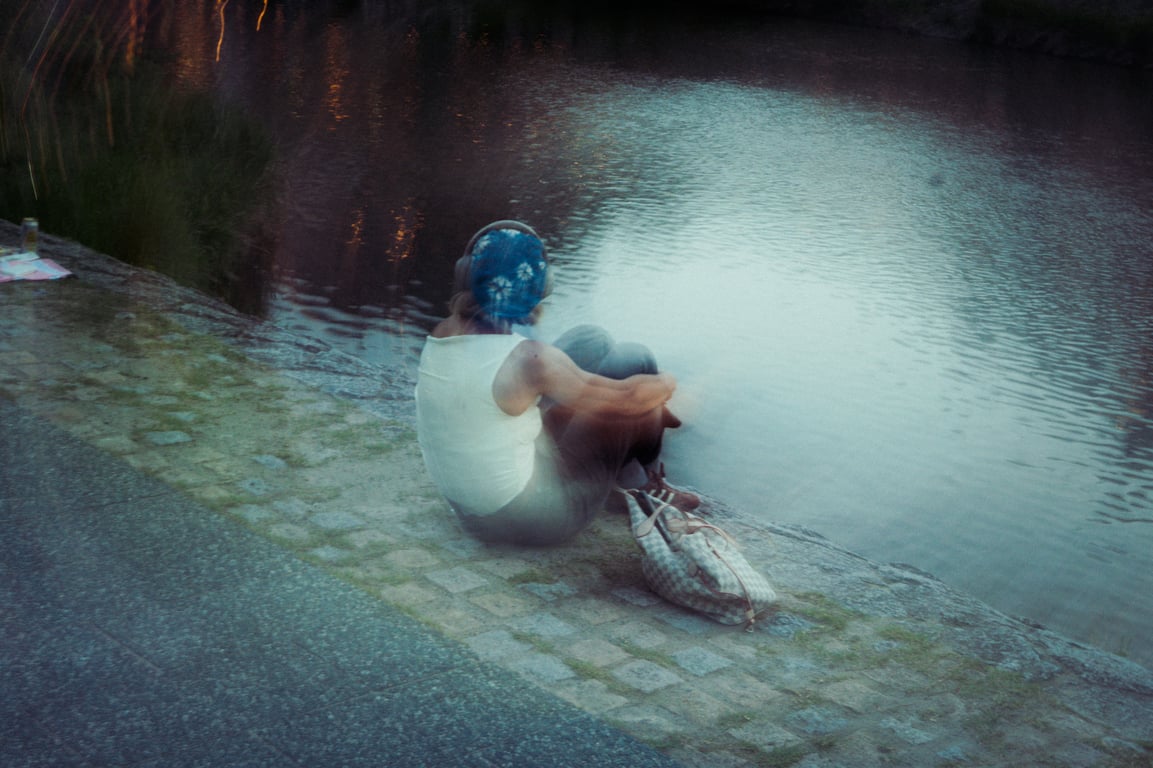
Beneath the order and politeness of Japanese society, there runs a quieter current: loneliness. I think that it grows from a long cultural priority placed on harmony over expression, and duty over individual fulfilment. From childhood, people learn not to burden others with their emotions, to perform their roles correctly, and to keep personal strain private. After the war, work became a moral obligation, often replacing family and community as the central source of meaning. Over time, urbanisation and automation made withdrawal easier, and eventually made it feel socially acceptable. Loneliness seems to be the hidden cost of a culture that optimised for restraint, efficiency, and social peace.