Today’s meditation was unconventional, certainly by the standards of what has likely passed for meditation through history. I spent 30 minutes simply looking at my nails. The impulse came from a small realisation that when you choose to observe something with sustained attention and care, you often begin to understand it more clearly. Sometimes, you understand it well enough to notice not just the problem, but also what might loosen its grip. So I sat there, staring at my nails for half an hour, watching closely and without distraction.
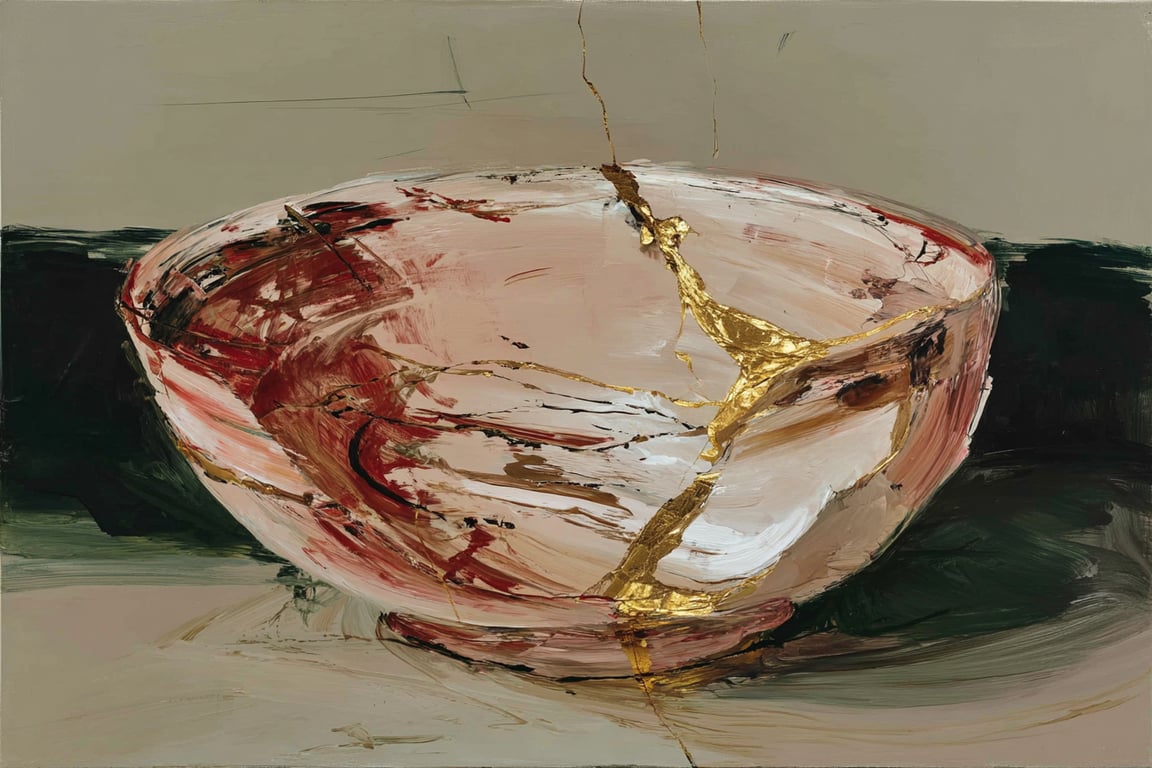
A few patterns became obvious very quickly. Whenever I notice a small piece of skin sticking out and my finger brushes against it, there is an immediate impulse to pick at it and keep going until the imperfection disappears. Along with it comes a subtle tension in my chest. And once I give in, something else takes over, where the mind involuntarily starts scanning for more imperfections. One small action seems to activate a larger loop, and the behaviour begins feeding itself.
I also noticed that some areas near the nail have hardened over time, probably from repeated picking and cutting into it. Hardened skin hurts less to pick, which makes it easier to pick. But that only leads to breaking into fresh skin, which then hardens too, reinforcing the behaviour. It feels like my mind and body have learned this pattern deeply. Any perceived imperfection in the skin creates a small tension, and that tension seeks release through picking. Over time, this response seems to have strengthened to the point where my fingers sometimes start searching for imperfections even when none are visible, almost as if they are acting on their own.
I do not clearly remember how this pattern began, but I suspect it emerged during moments of discomfort. In those situations, the physical pain of picking may have been easier to deal with than whatever emotional discomfort was present at the time. Through repeated exposure, the body conditioned to associate the act with relief. Now, the trigger feels much simpler. Even an accidental brush against uneven skin is enough to set the whole sequence in motion.
At first, I assumed the solution was mostly external. Applying a moisturising oil to keep the skin smooth would probably help, and it does to some extent. But I now realise the deeper work is internal: retraining the mind to be at ease with imperfection. The practice, then, is to embrace rather than resist. That means, when I feel the urge to pick, I should instead run my fingers gently over the rough edges, intentionally, but without acting on the impulse. I have to teach the mind that it is safe for the skin to be imperfect, and that nothing needs to be corrected in that moment. My hope is that, over time, this deliberate acceptance will rewire the response—that my mind will no longer equate imperfection with the need for correction. And in those moments, another tool is always available: simple observation. To notice, “Ah, my mind is sending signals to pick at the skin,” and instead of engaging with those thoughts, to return to being present, to stay with the moment itself, free from the content of the mind.