Spain: A Photo Essay
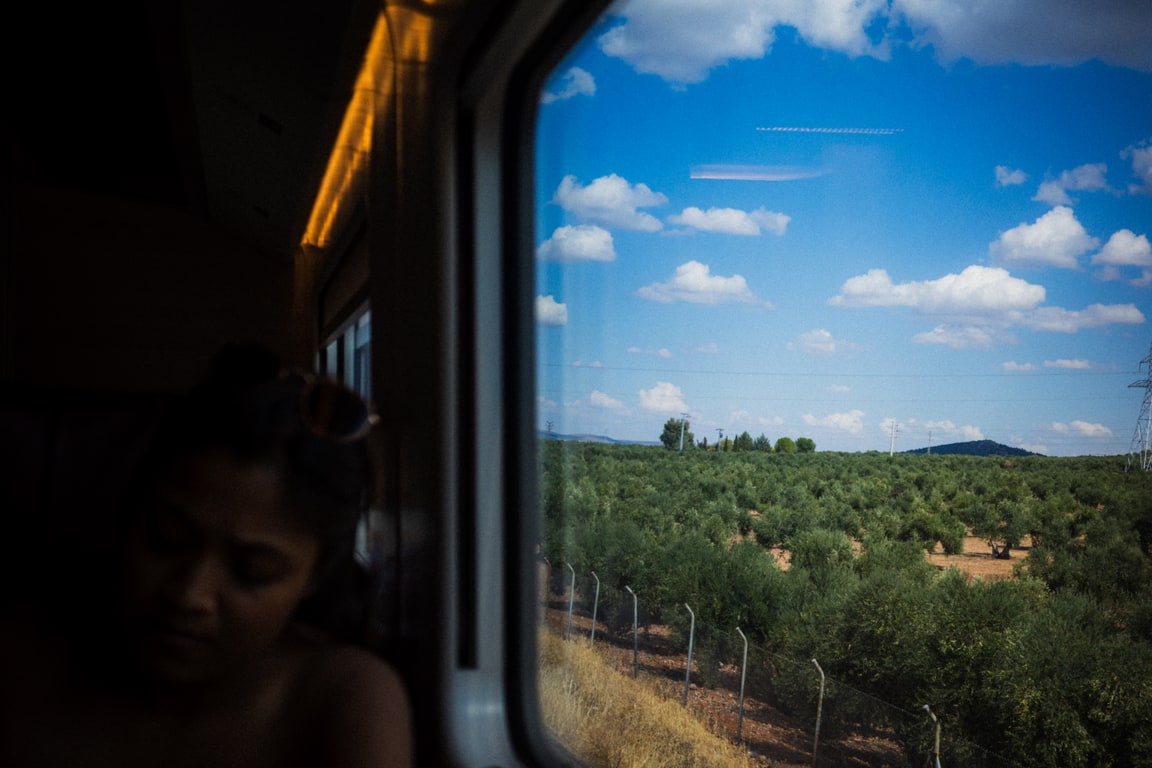
In September of this year, I travelled across Spain with Divya (my wife), my sister and brother-in-law. We went from Barcelona through Seville, Granada and Málaga, ending in Madrid. Along the way, we watched people build human towers, walked through streets filled with fireworks, and sat a few feet from flamenco dancers in a cave house. We also spent a considerable amount of time walking, eating at tapas bars and stopping for vermouth.
There was plenty to photograph, and quite a bit that needed more explanation than a photograph could offer. Some of it involved the places we had come to see: the stories behind the buildings, the significance of a celebration, or what was happening in a performance. Other things were less immediately remarkable, but just as interesting: how people treated one another at work, how neighbourhood bars fitted into the day, and what people seemed to make time for.
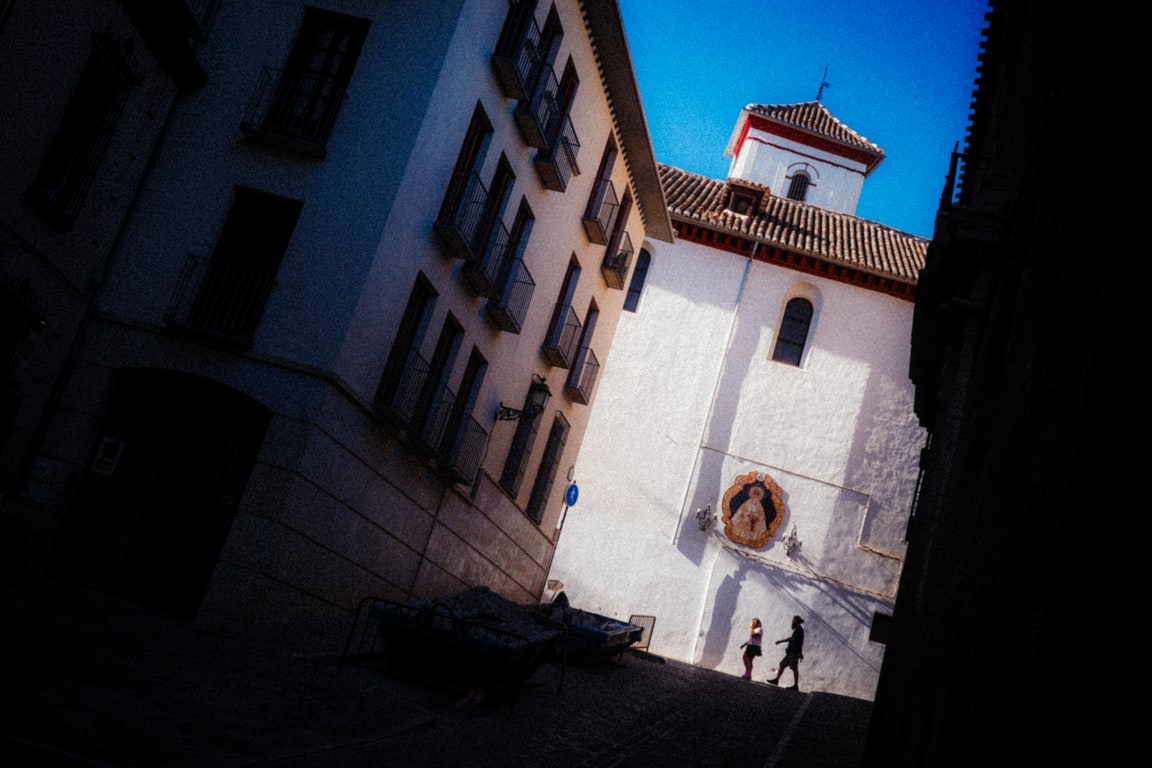
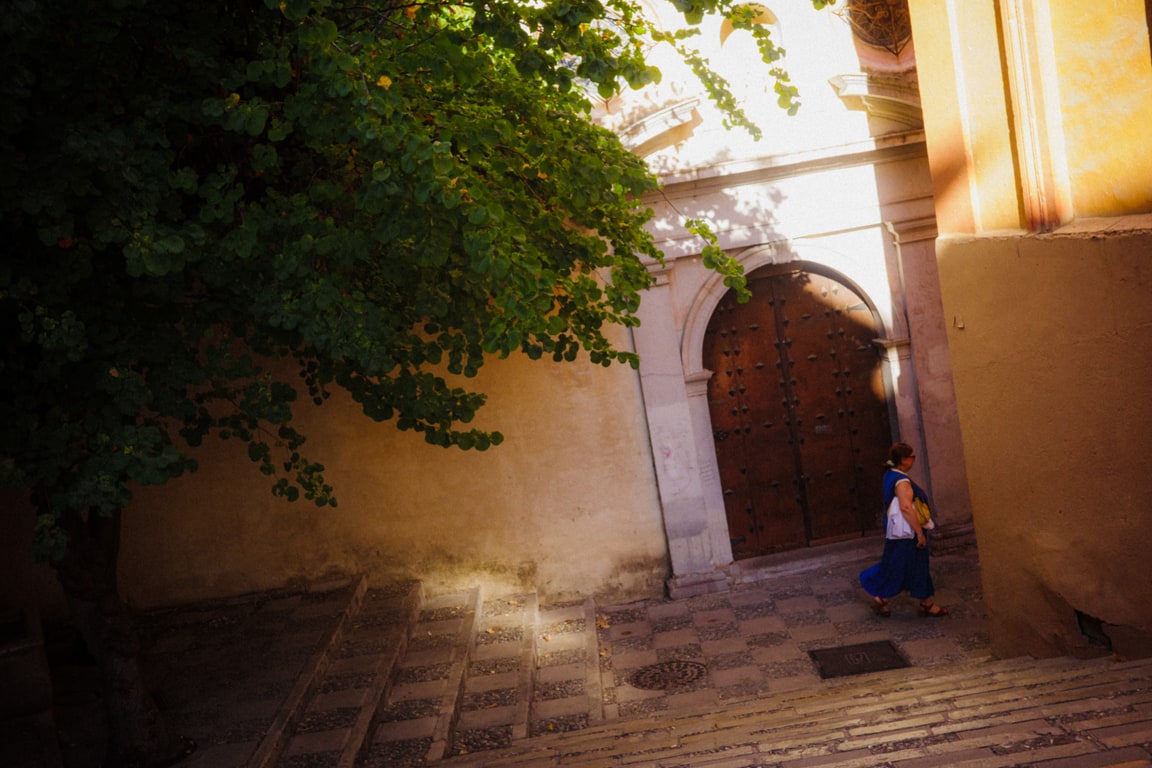
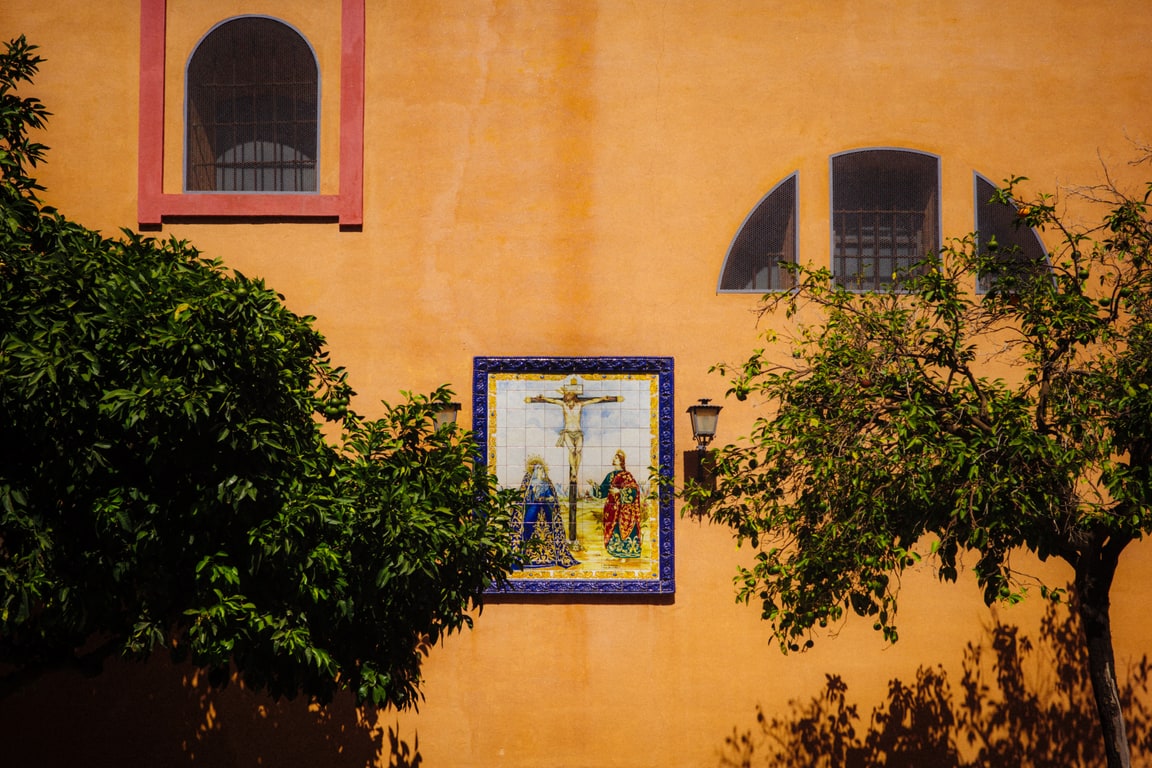
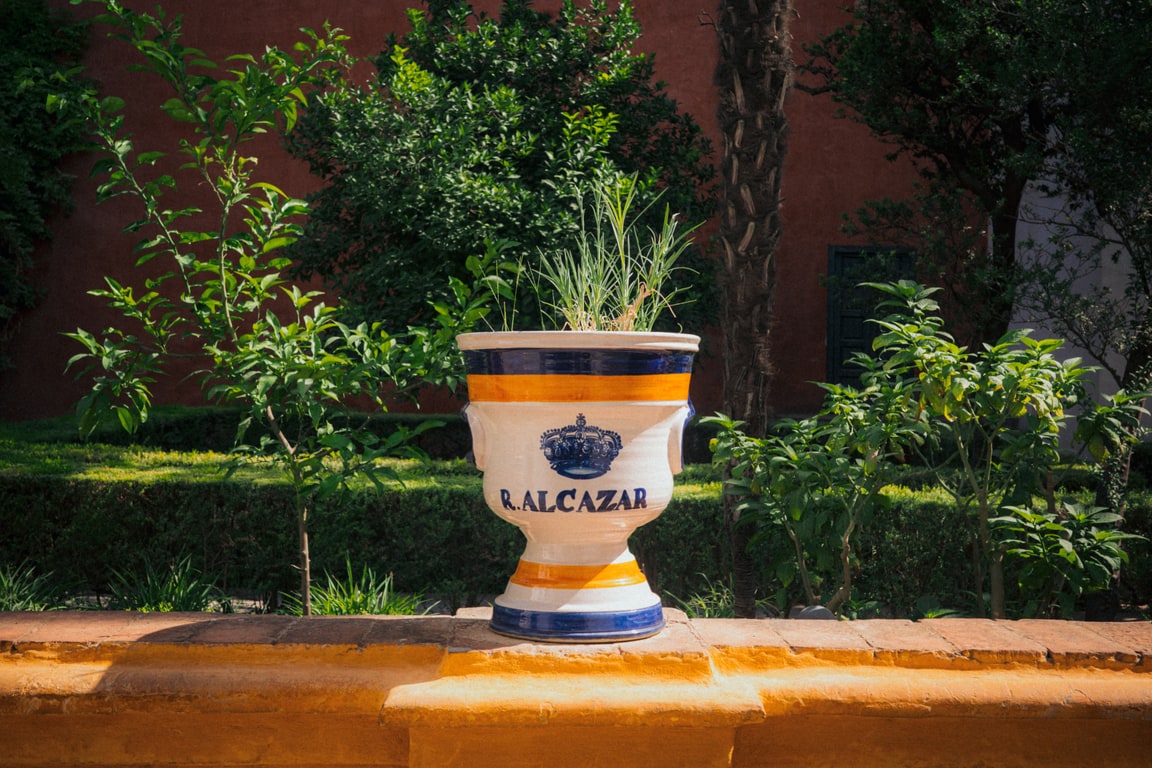
Children on Human Towers, Devils in the Streets
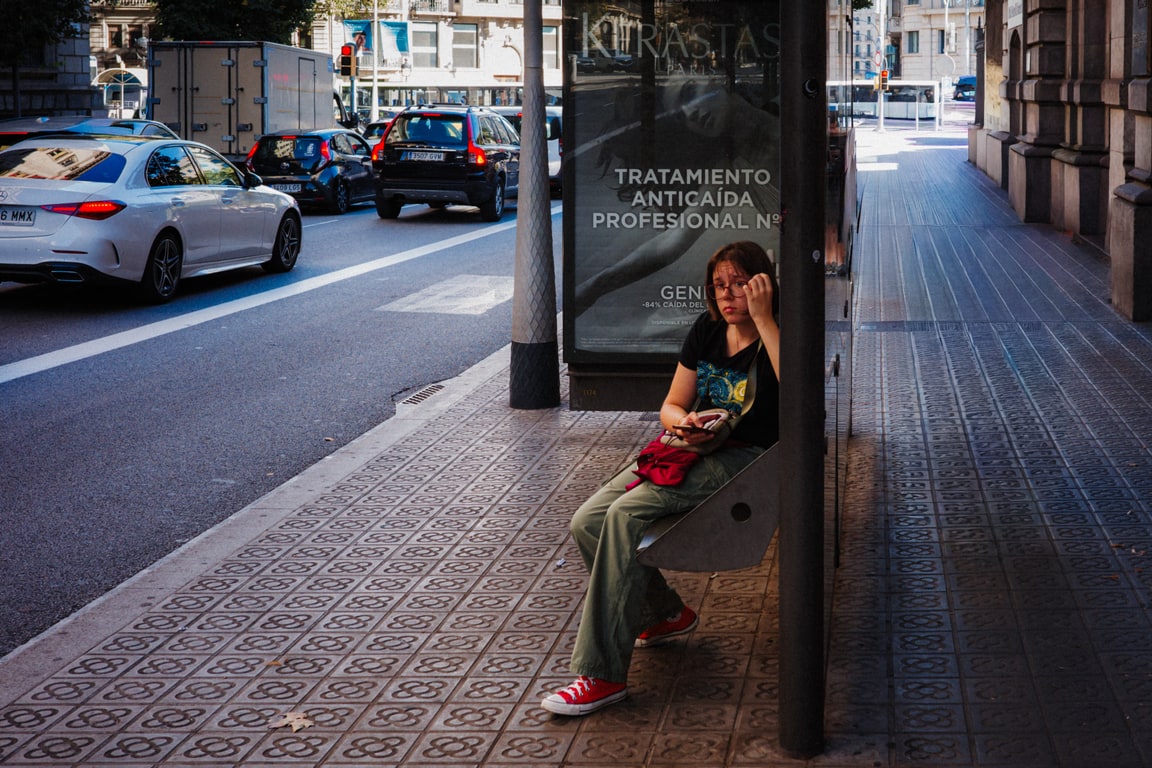
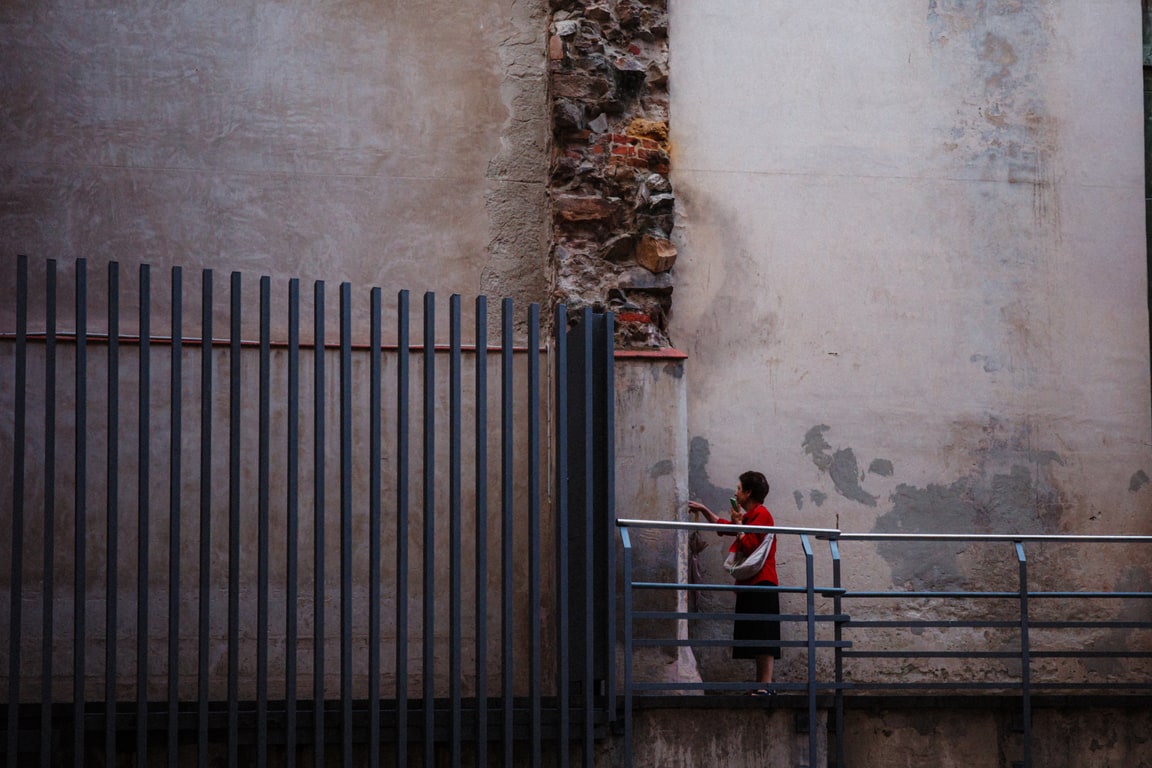
One morning, I took my camera through the neighbourhoods of El Raval and around La Rambla in Barcelona before the crowds arrived. The streets were almost empty, apart from a few runners, homeless people sleeping and South Asians who seemed to be heading to work. El Raval is home to sizeable Pakistani and Bangladeshi communities, where family and friendship networks have helped newcomers find work and open grocery shops, restaurants and phone shops. Their presence is part of the neighbourhood’s working life, alongside the Barcelona that attracts visitors.
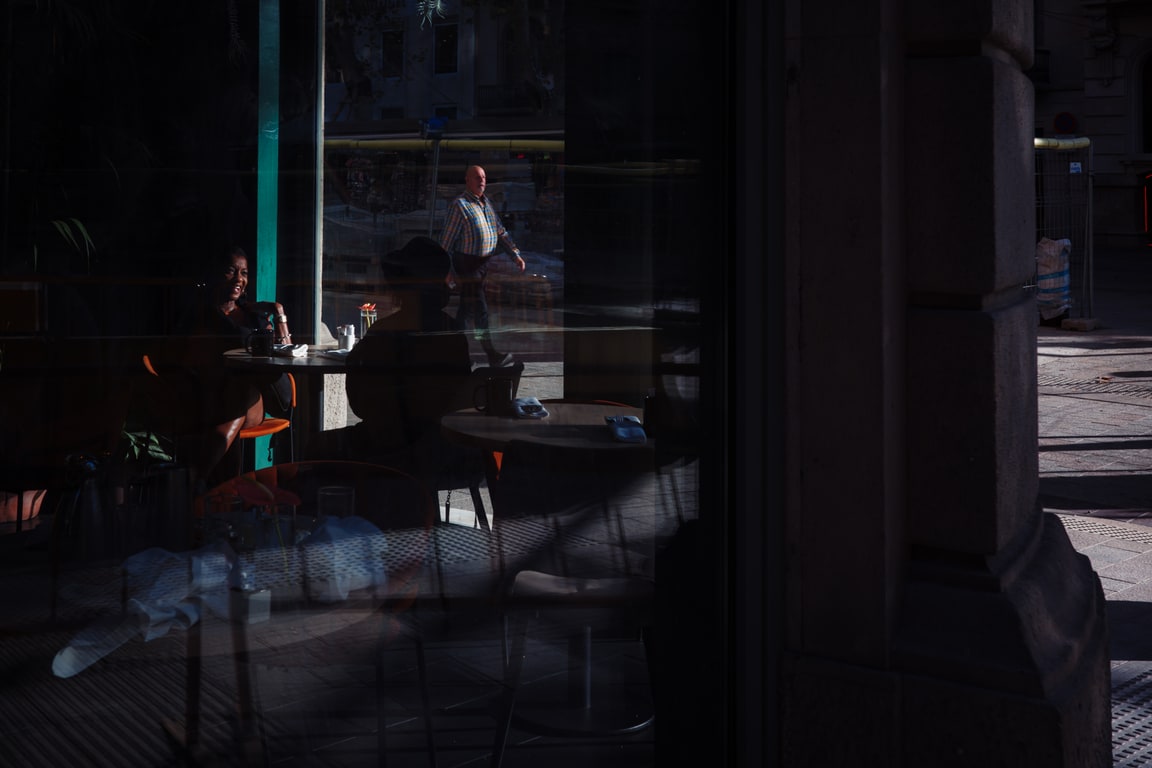
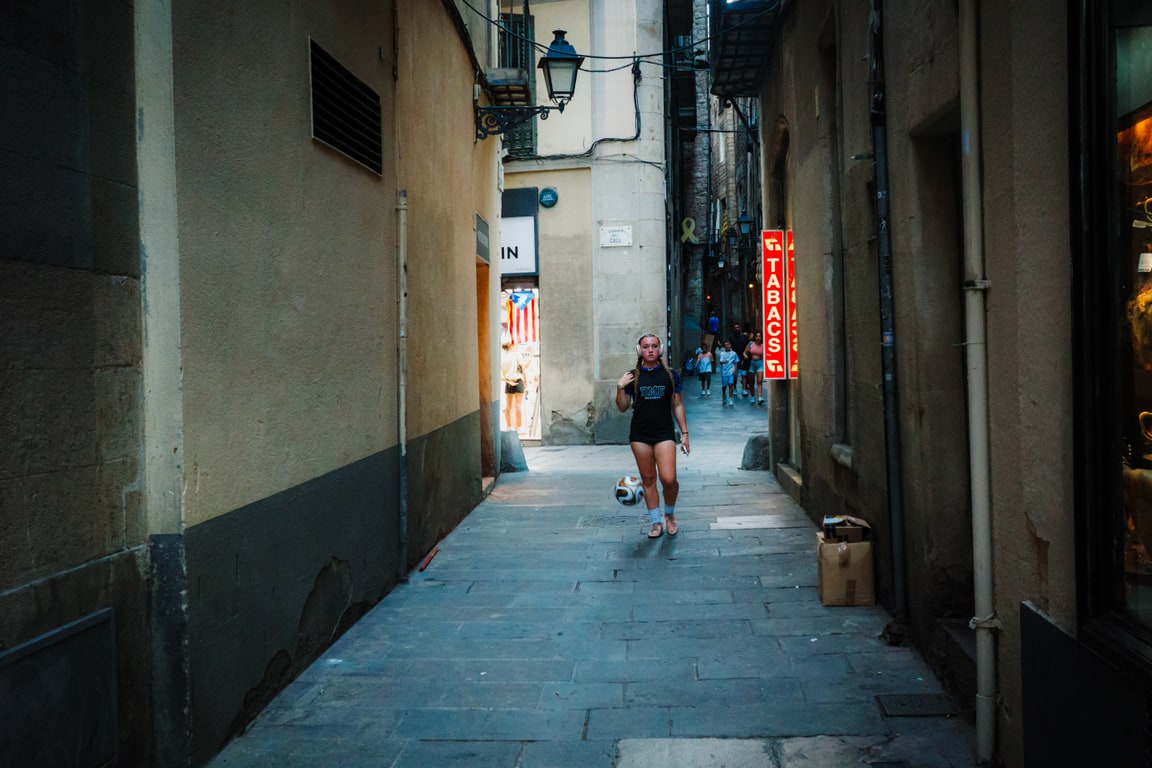
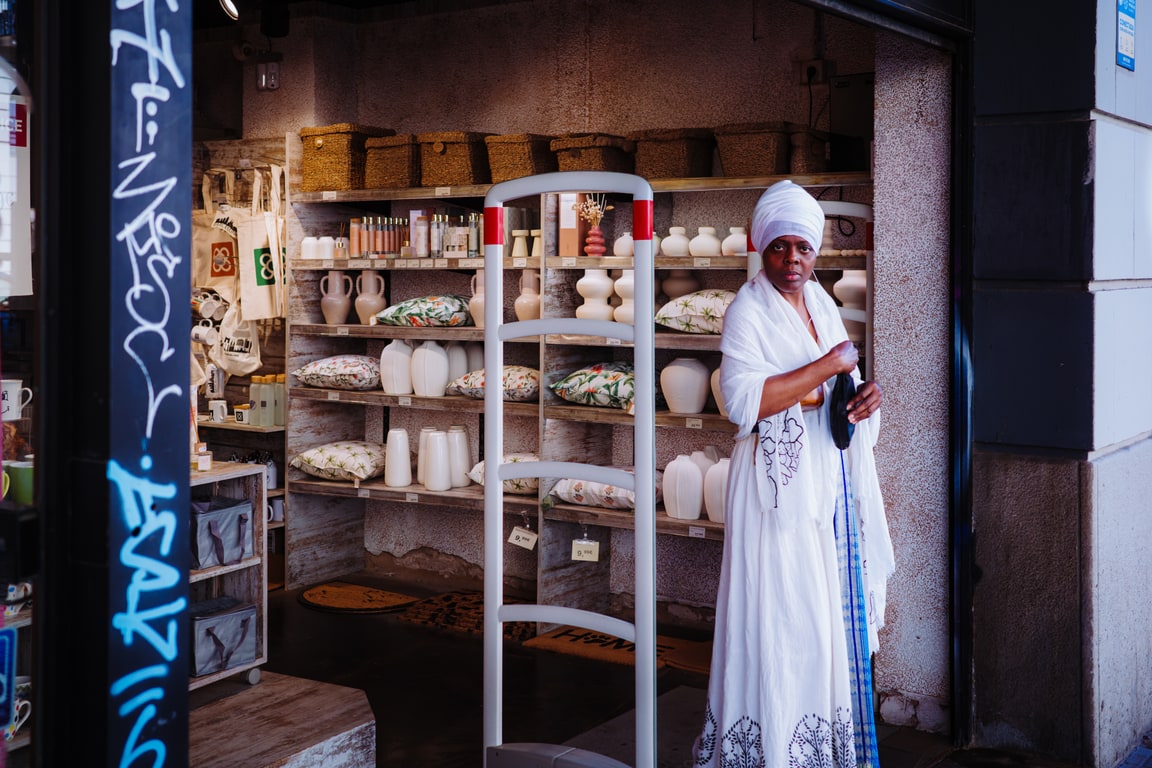
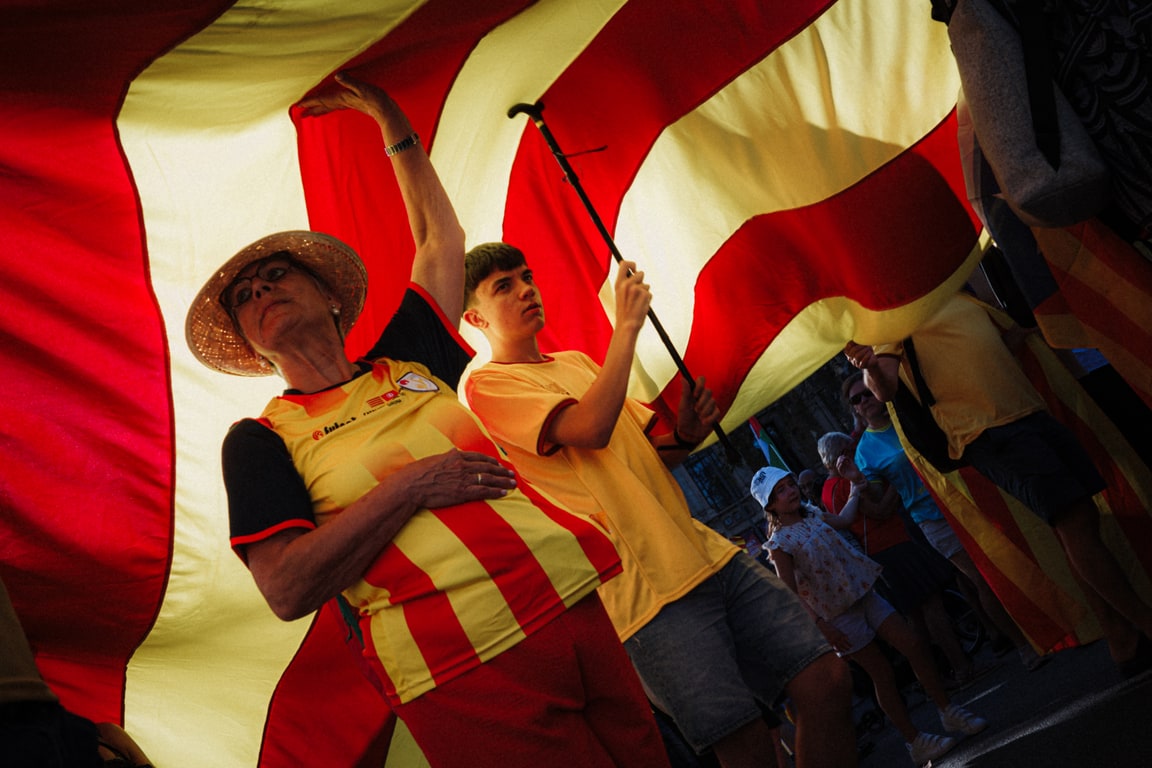
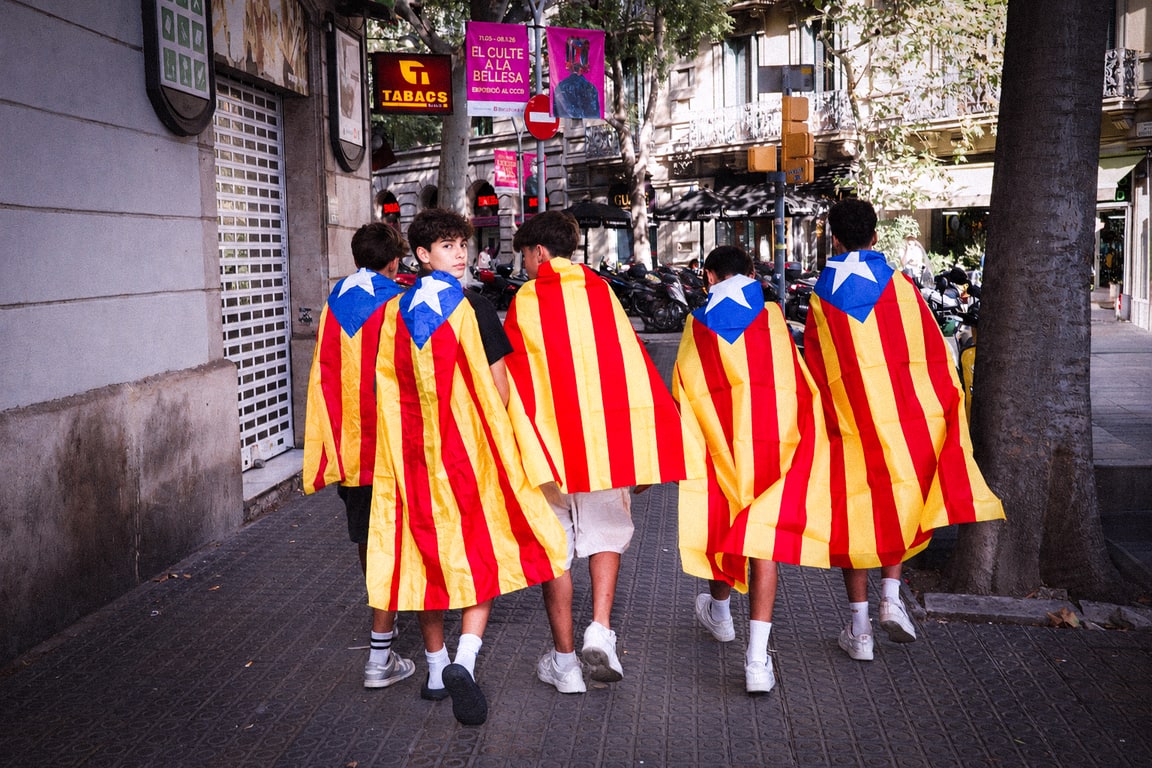
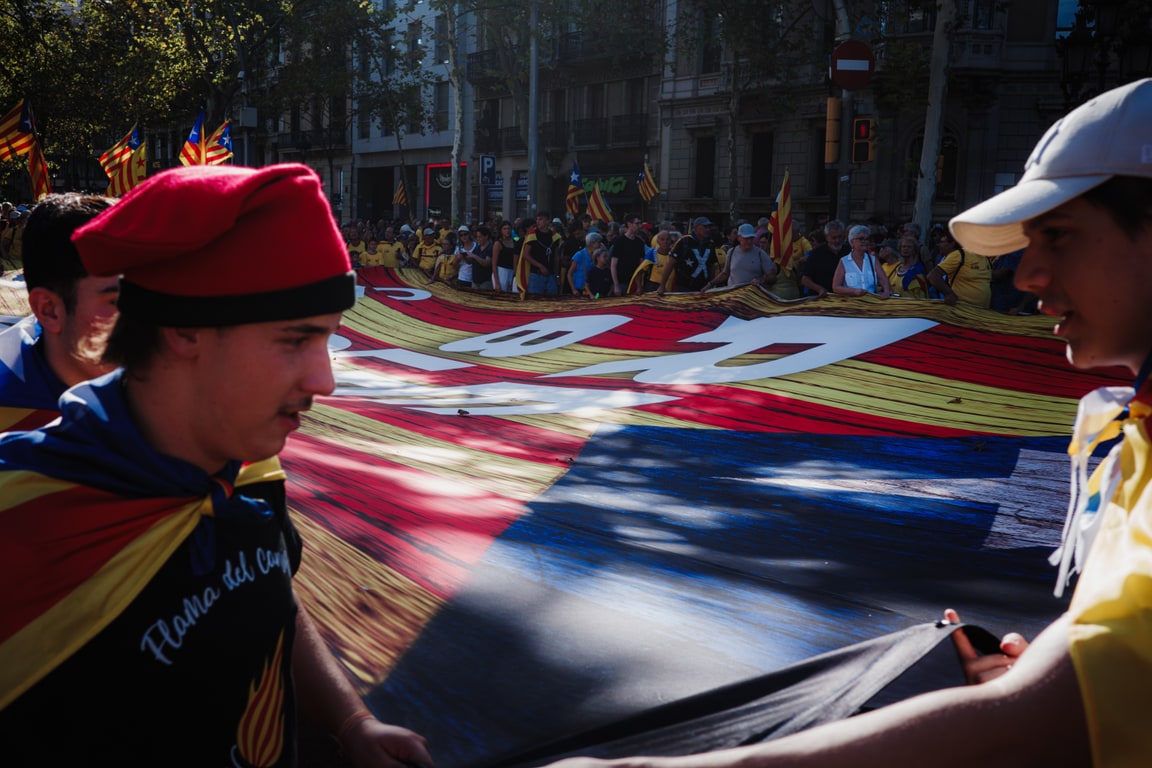
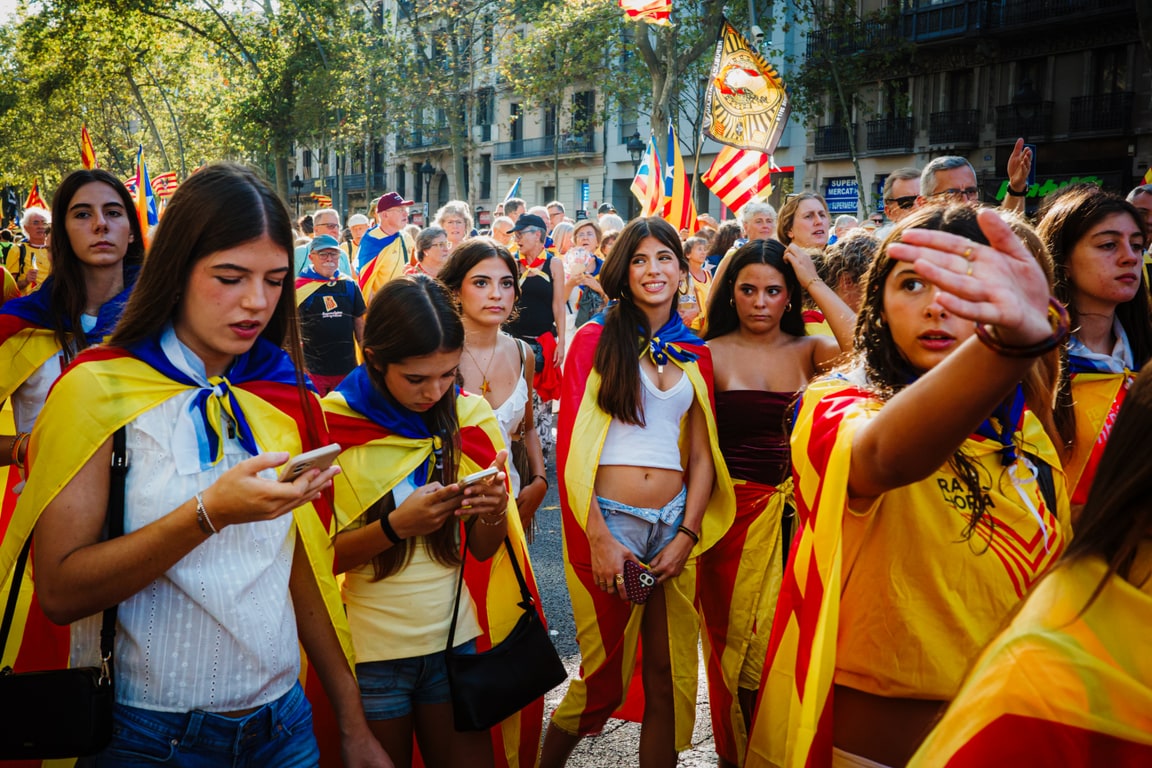
It also happened to be Diada, the National Day of Catalonia. Catalan flags hung from balconies across the city. The day commemorates the fall of Barcelona and the loss of Catalan institutions that followed, and has become an occasion to affirm Catalan identity, language and self-government.
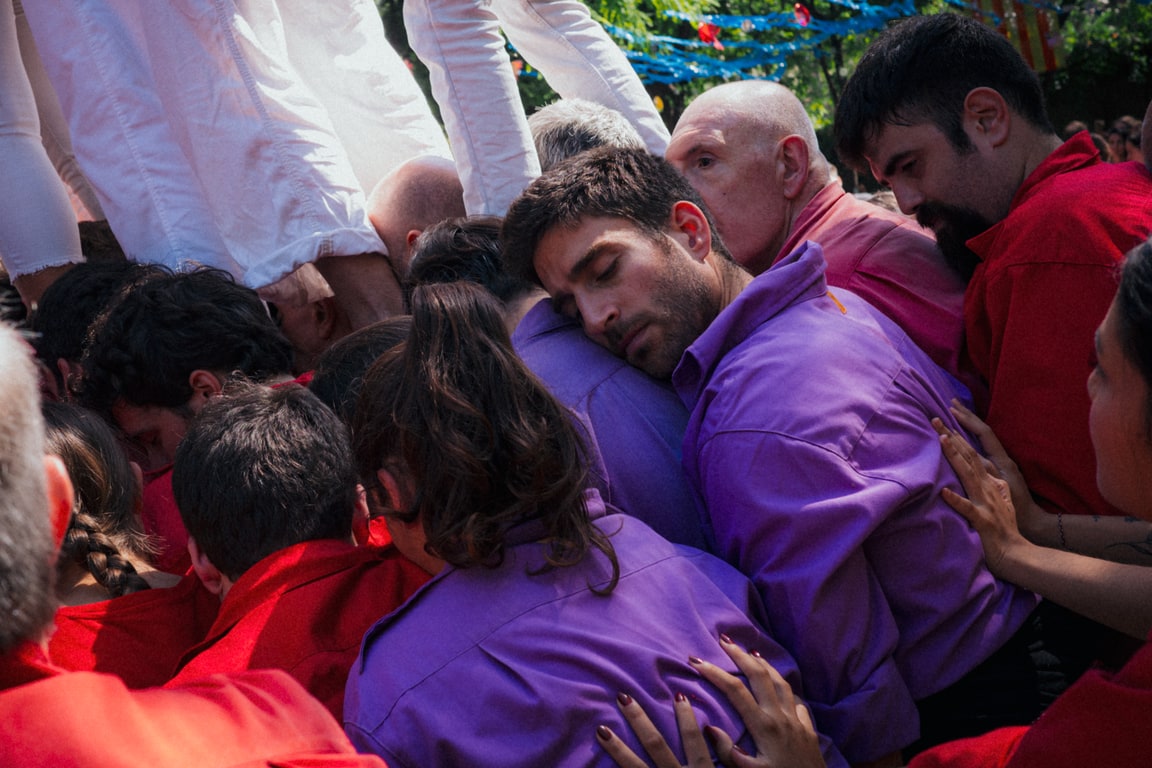
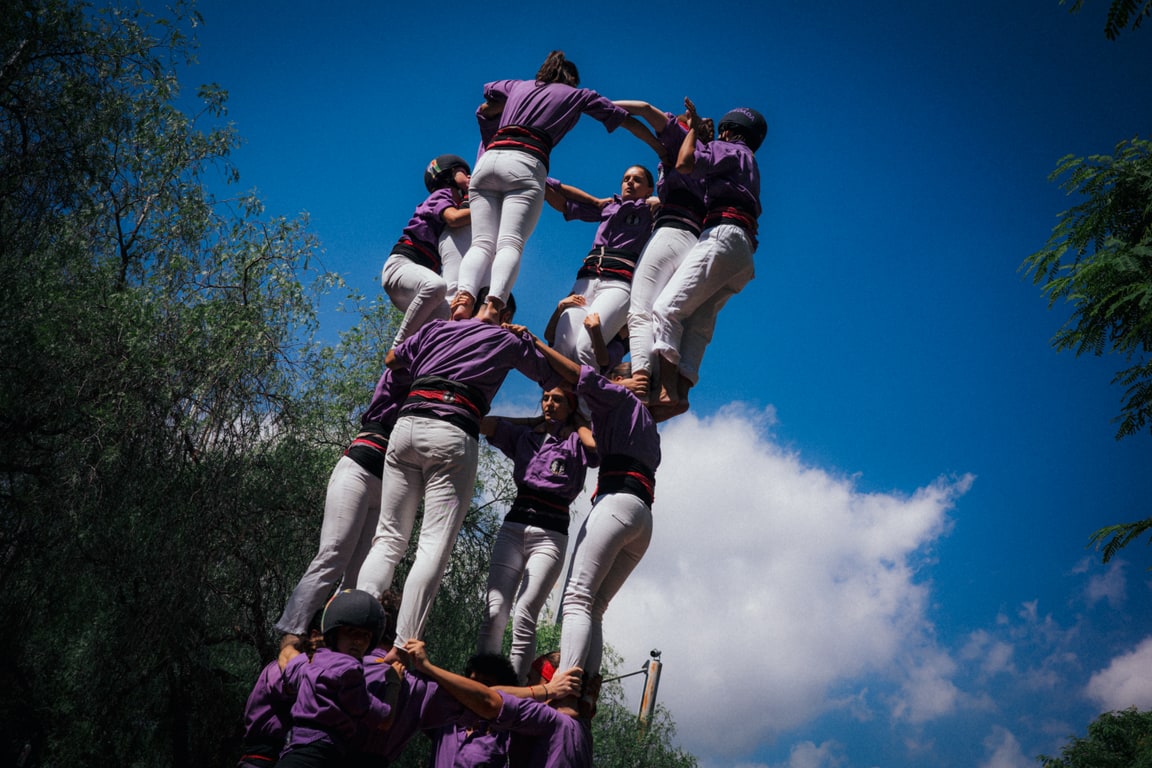
As part of the Diada celebrations, we watched castellers build human towers. At ground level, a tightly packed crowd formed a broad base, supporting the weight of the people above. More castellers climbed onto their shoulders, building the tower one level at a time, with small children making the final climb to the top. These are local amateur groups in which different ages and body types have a role: some provide strength and stability at the bottom, while lighter members climb higher. The skill lies as much in coordinating and trusting one another as in individual strength or balance. What struck me was how invested the surrounding crowd seemed in whether they would succeed.
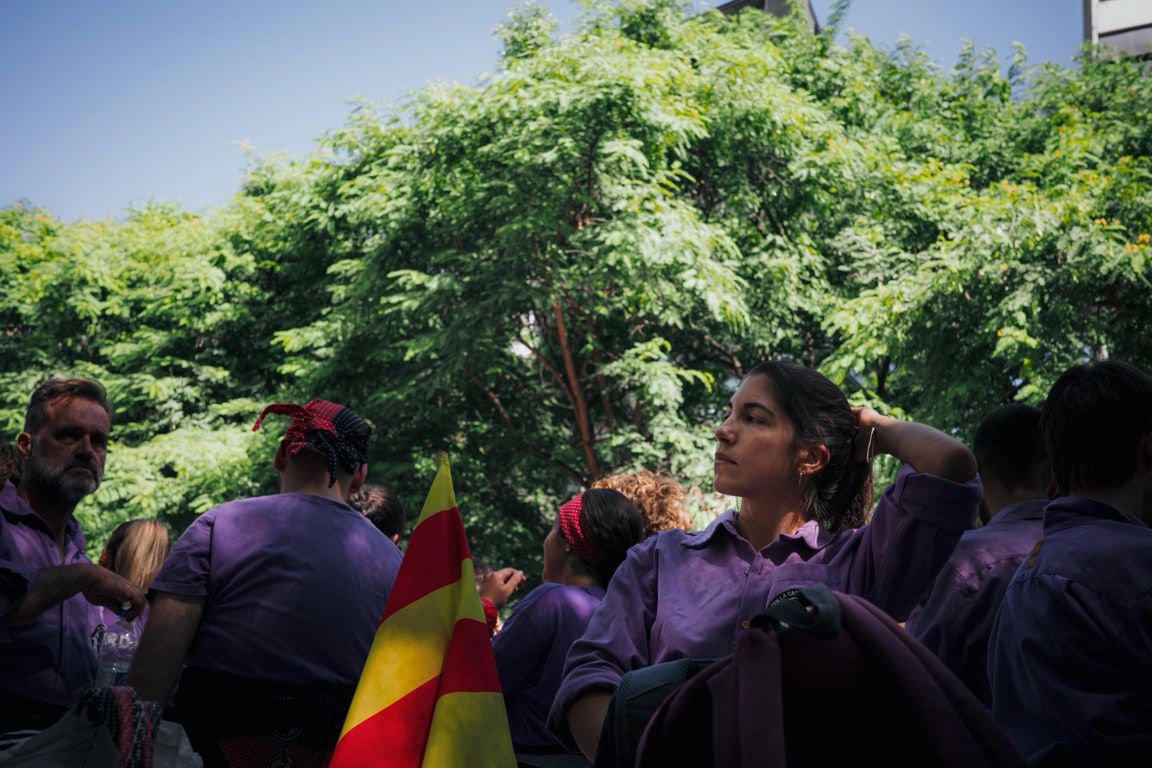
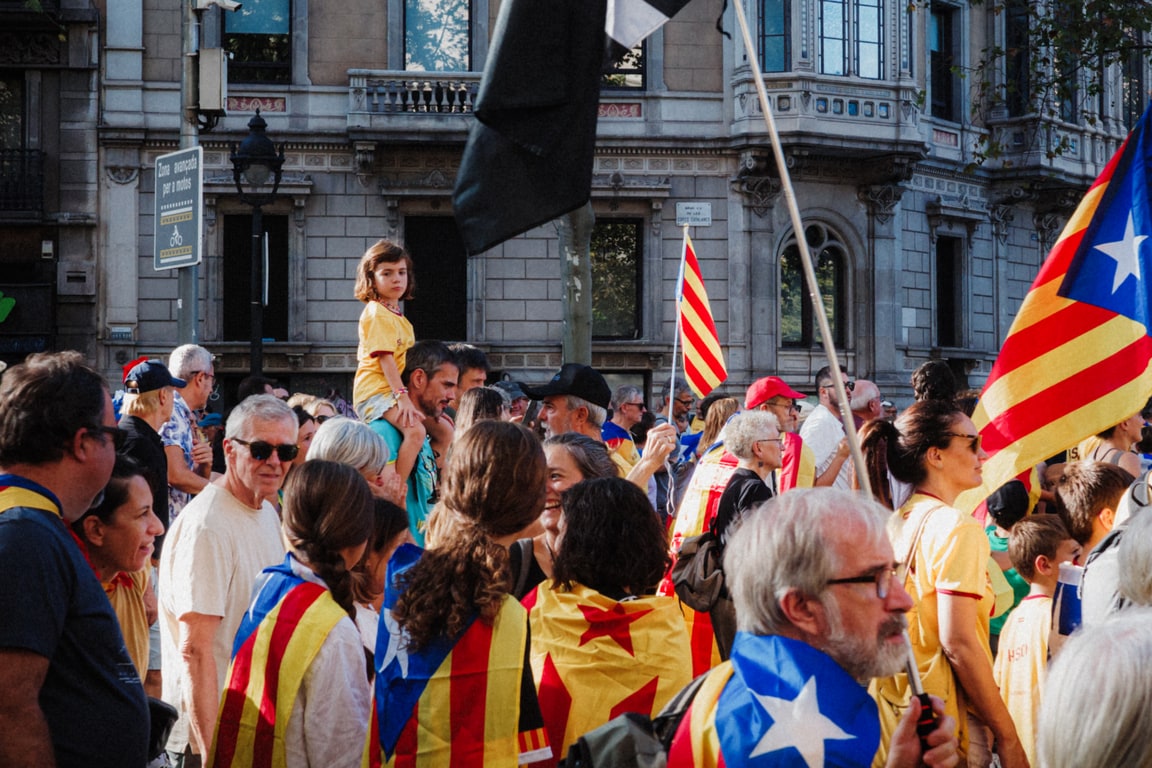
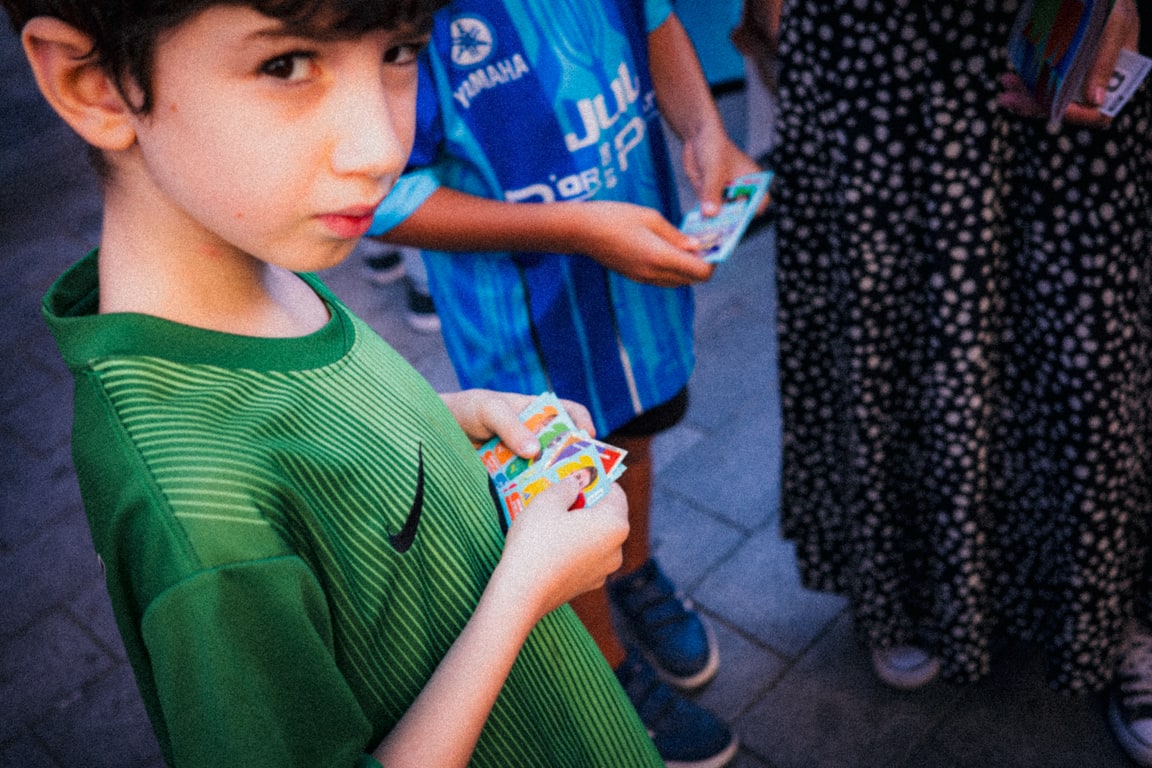
By evening, a Diada procession had filled the streets. People carried Catalan flags, sang, danced and cheered, with children and grandparents taking part alongside everyone else. The day’s significance was easier to understand here than through its history alone: people were publicly celebrating an identity, language and set of traditions they shared. What I enjoyed most was seeing that sense of belonging expressed so openly, even without sharing the politics behind it.
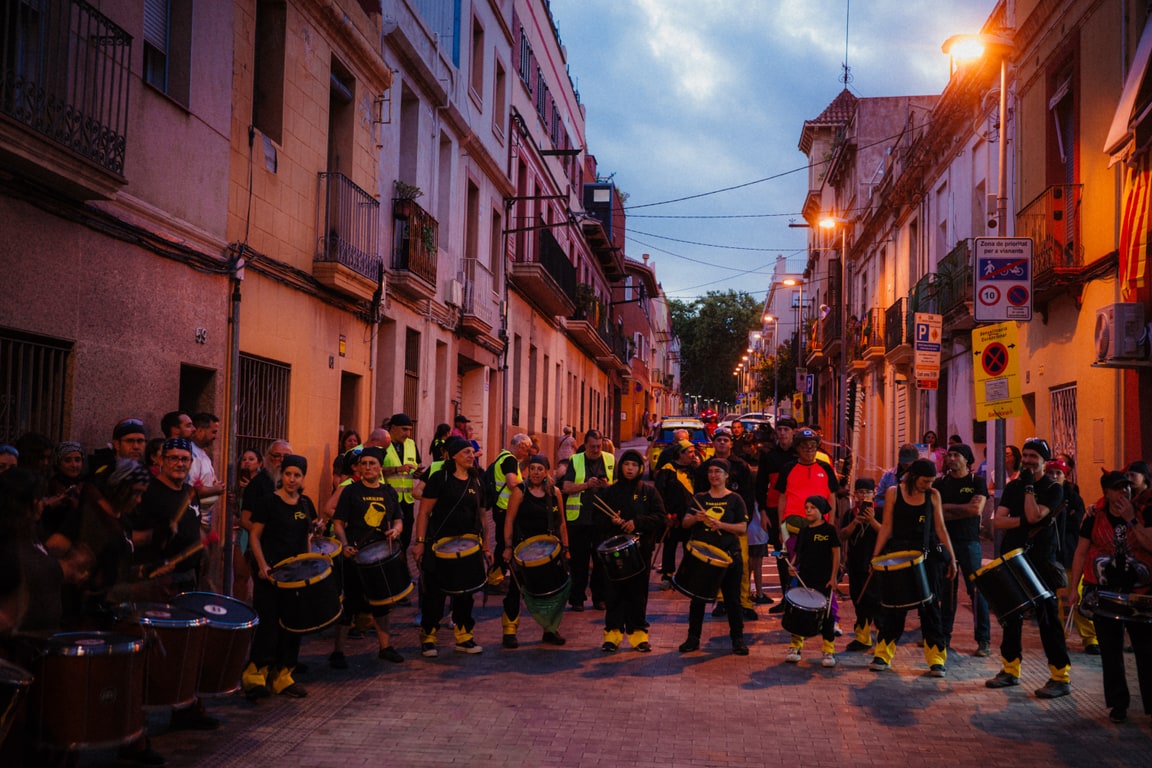
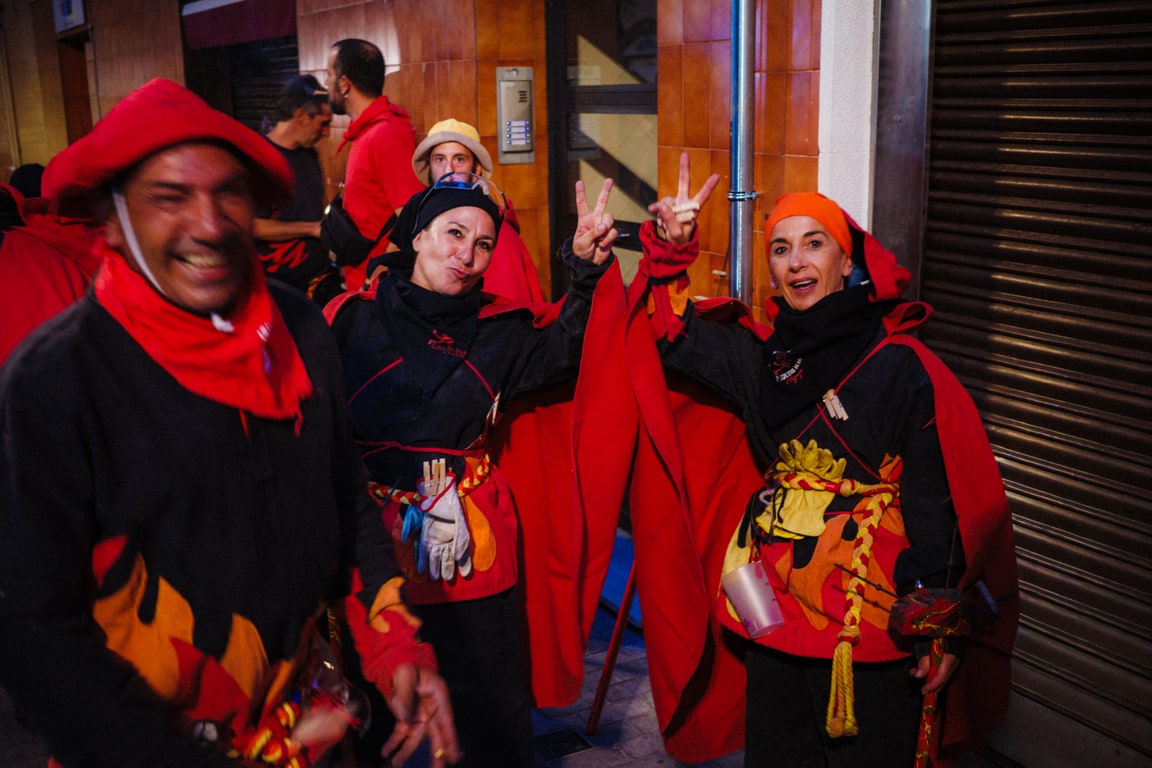
This was also the first trip on which we had deliberately sought out neighbourhood festivals. In Horta, we found ourselves in a correfoc, literally a “fire run”. People dressed as diables, or devils, walked through the narrow streets carrying trident-like staffs with fireworks attached. As the fireworks spun and sprayed sparks, people moved alongside and beneath them. Large dragon figures fitted with fireworks followed, accompanied by the continuous beating of drums. Families filled the streets, and residents watched from their balconies.
The devils originated in medieval religious theatre, but the modern correfoc took shape when spectators began joining the performance. That helped explain what we were seeing: the crowd was part of the event. People weren’t simply standing behind a barrier watching fireworks at a distance; they were walking through the streets with the figures setting them off.
Divya and I couldn’t remember joining a procession back home, despite India’s many public celebrations. We often find the crowding, chaos and unruly behaviour off-putting, even when the occasion interests us. Horta was hardly quiet or spacious, and it added fireworks going off just centimetres from people. Yet children, parents and grandparents seemed comfortable taking part together, and we felt comfortable joining them. We ended up walking with the procession, surrounded by drums and flying sparks.
A Church Can Also Be an Entire World
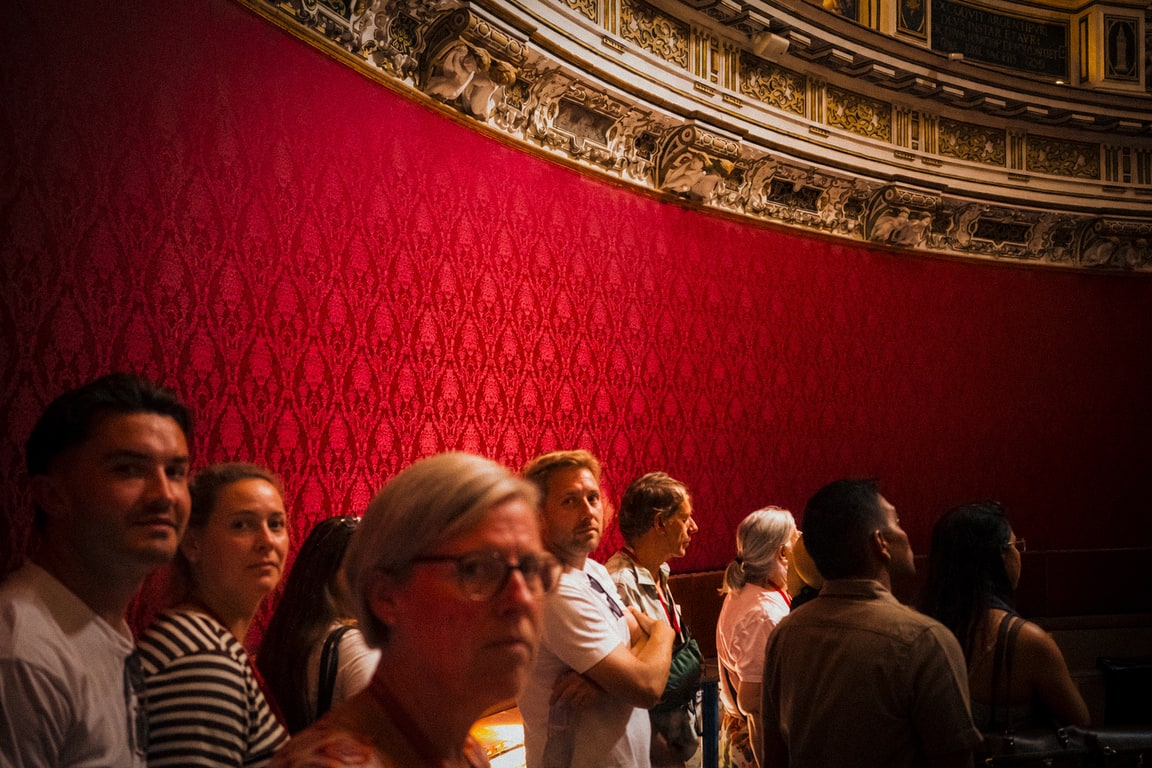
At the Sagrada Família, Gaudí’s church in Barcelona, our guide had us stand facing the unfinished façade while she explained the Christian stories it would eventually depict and the meaning behind its doors. We spent several minutes concentrating on what she was describing. Then she asked us to turn around.
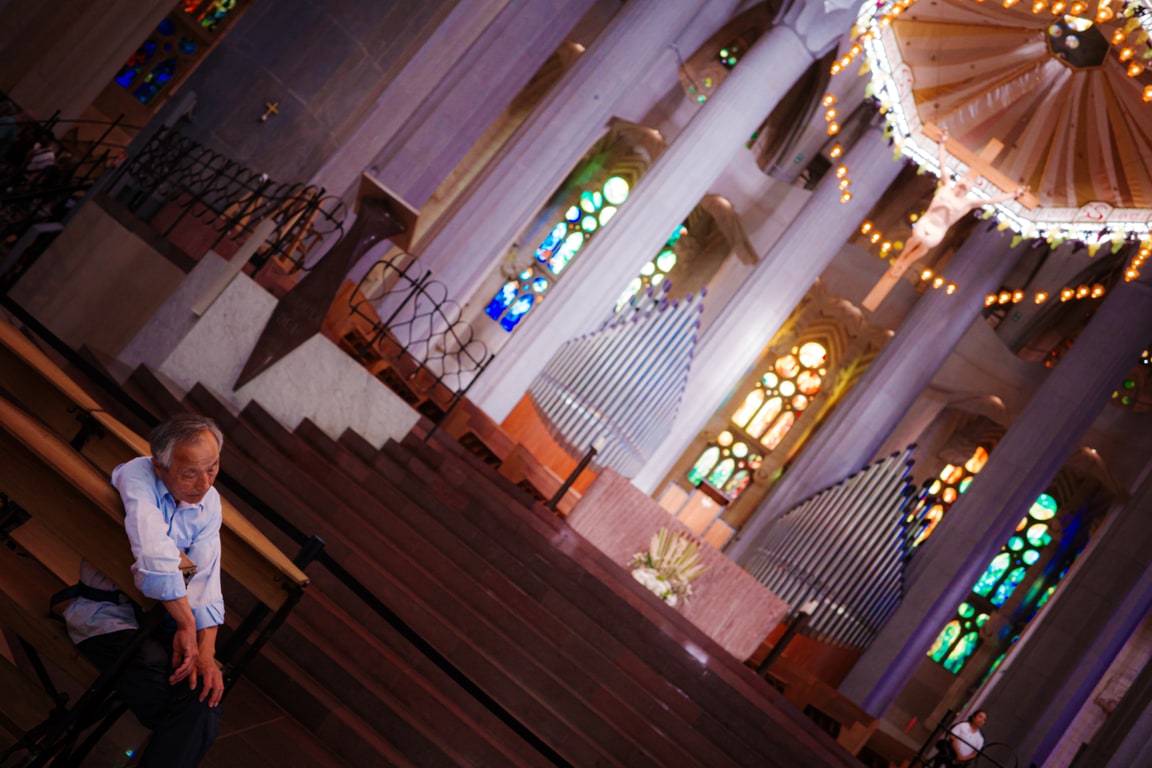
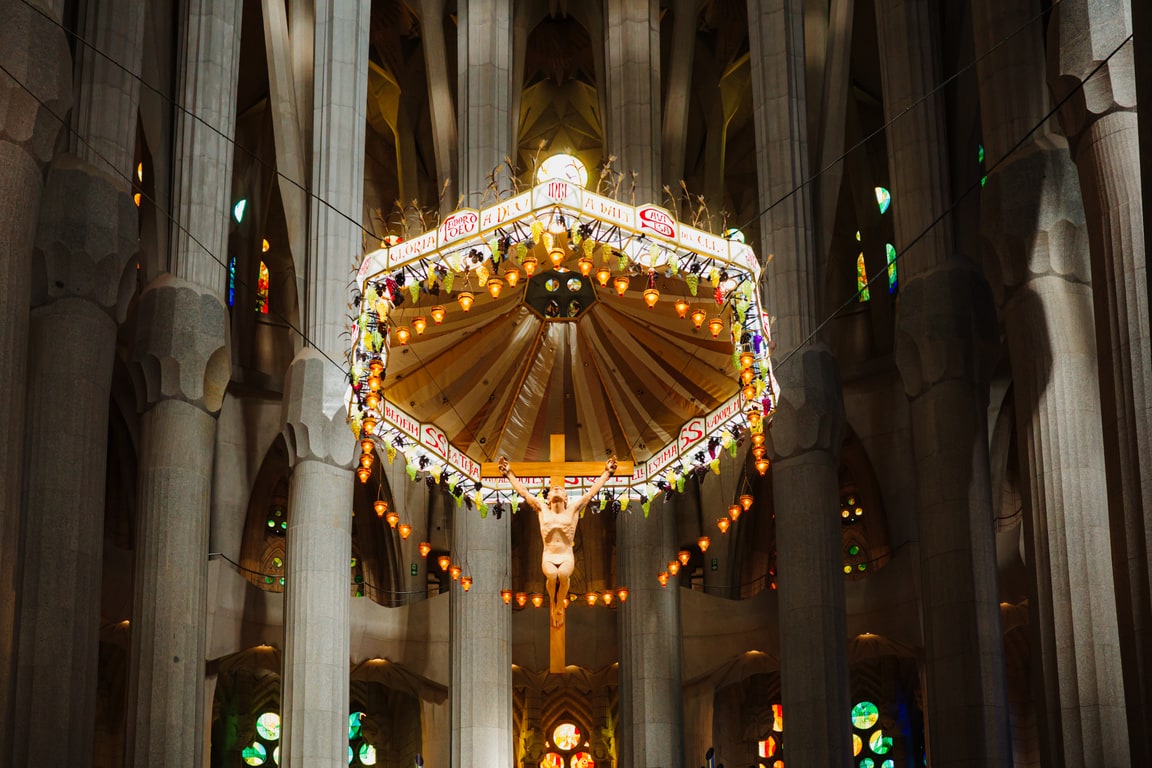
Behind us was the enormous interior: columns rising and branching like trees, a ceiling high overhead, and the figure of Jesus suspended in the distance. By keeping our attention on the doors, she had saved the full view of the space for that moment. We were quite speechless.
As she showed us around, details that we might have dismissed as decoration began to make sense. Outside, two columns rest on a sea turtle and a tortoise. The sea turtle is on the side closer to the sea; the tortoise faces the mountains. Even the choice between two similar animals had been thought through.
Inside, the columns resemble tree trunks splitting into branches as they rise towards the ceiling. Those branches help distribute the building’s weight, so the resemblance to a forest is built into how the church stands. The stained glass takes the sun into account too. Cooler colours receive the morning light, while reds and oranges catch the warmer light towards sunset. The colour of the interior changes with the time of day. Looking at the church from outside, I hadn’t expected so much colour within.
Along with the scale and beauty, what amazed me was that someone had imagined all these things together. The animals related to the surrounding landscape, the tree-like forms helped support the building, and the windows worked with the movement of the sun. All of it belonged within a church telling Christian stories. The longer our guide explained, the more there seemed to be to notice.
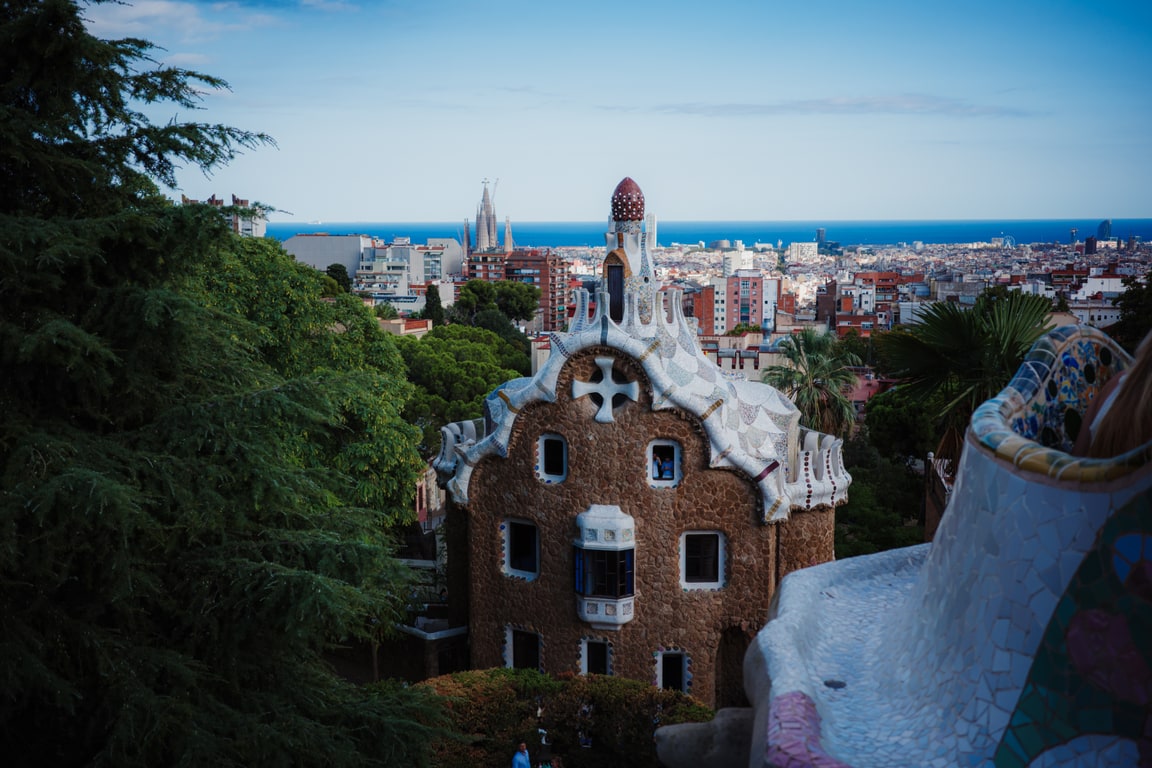
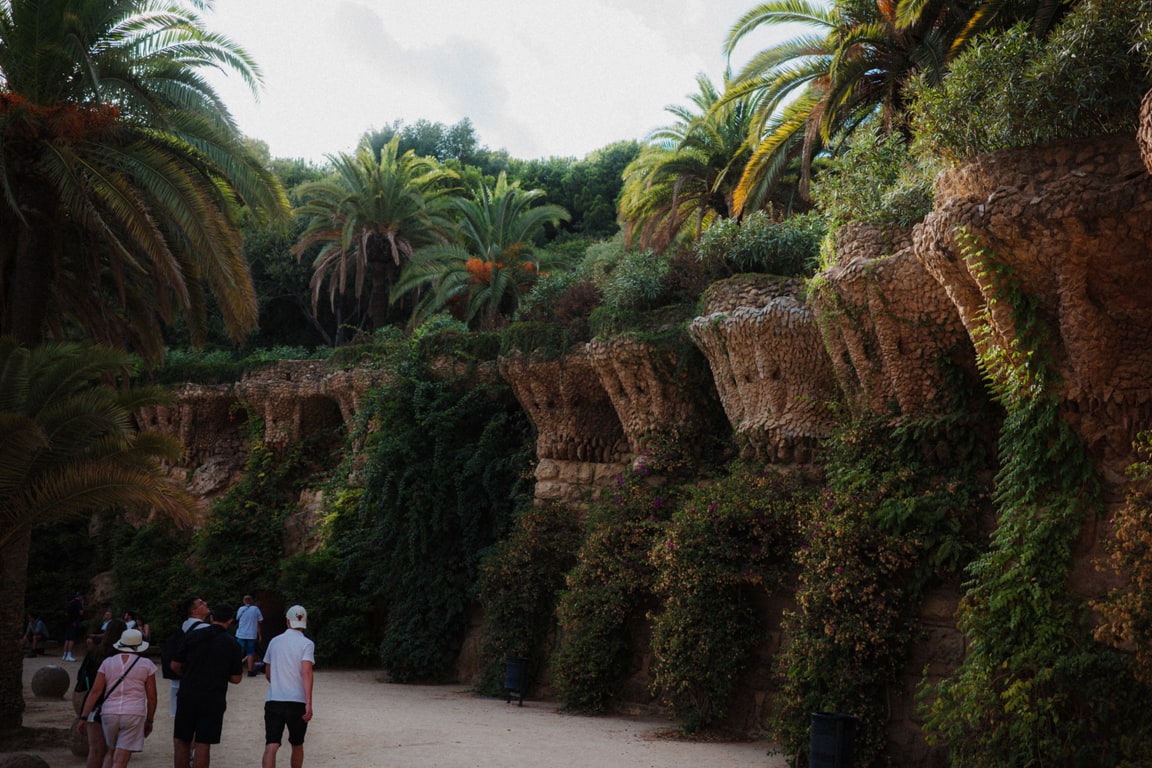
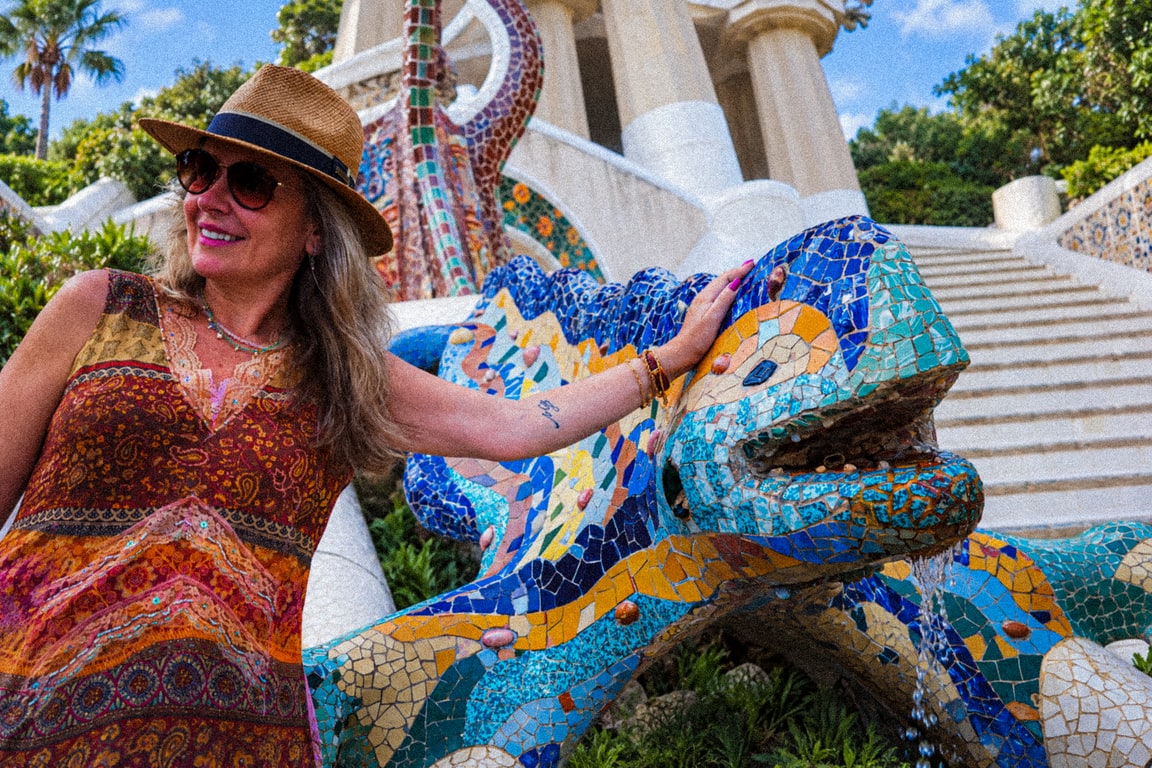
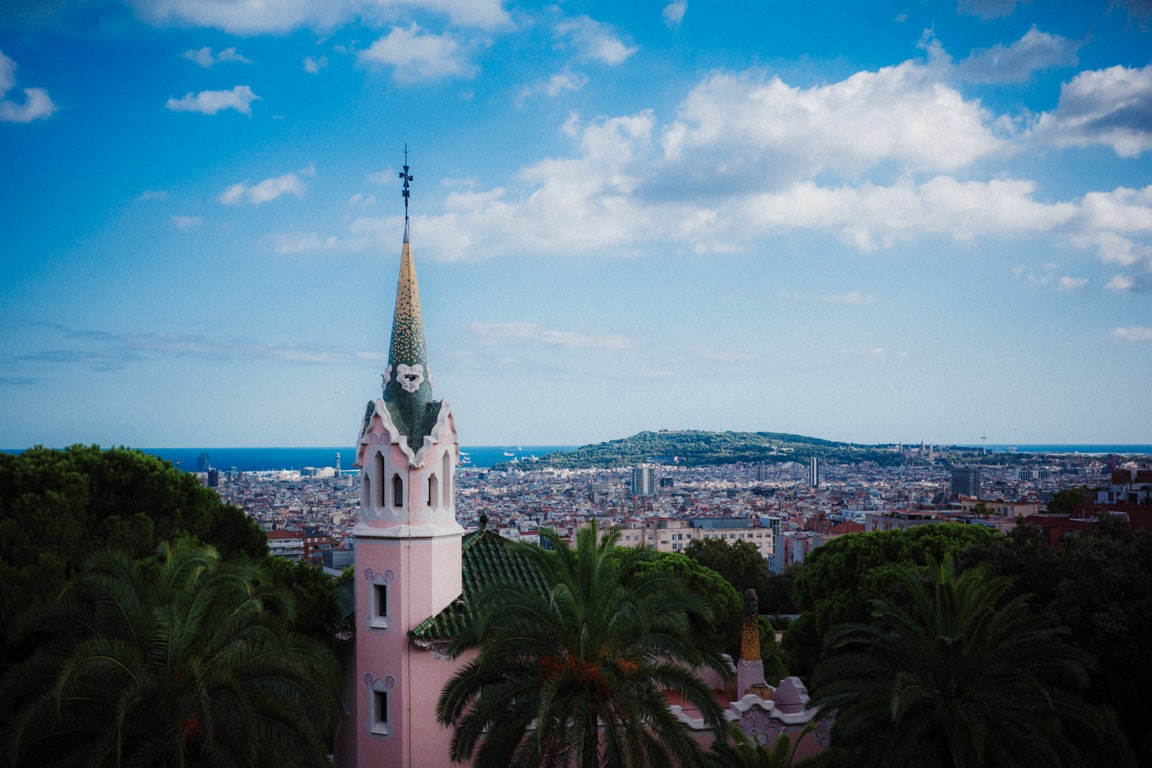
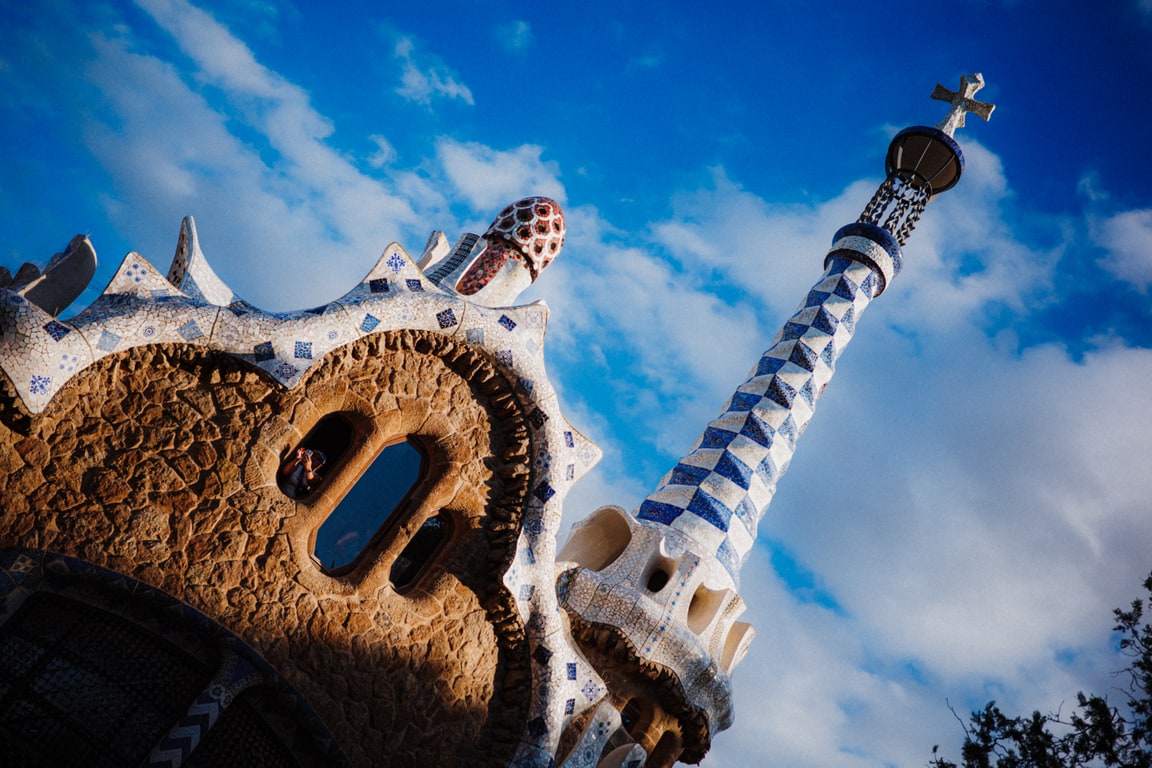
At Park Güell, Gaudí’s interest in nature extended across an entire hillside. Columns resembled tree trunks, paths followed the slope, and mosaics made from broken ceramic pieces covered the surfaces. Buildings and walkways seemed to fit into the terrain rather than impose a regular shape on it.
I had assumed it had always been a park. It was actually a property development that hadn’t found enough buyers. The plan was to create a neighbourhood of around sixty homes for wealthy Barcelona families, inspired by English garden suburbs. Even the English spelling of “Park” came from that idea. Buyers would build houses within rules governing their height and position, so that one home wouldn’t block another’s sunlight or sea views.
Knowing this changed how I understood the place. The paths, stairways and viaducts were routes connecting future homes across the steep hillside. The large terrace was somewhere for neighbours to gather. All that attention to curves, columns and mosaics had gone into spaces people were meant to use as part of an ordinary day.
But an imaginative design wasn’t enough to make people move there. The location was difficult to reach, the building restrictions limited what buyers could do with their plots, and too few people were interested. Gaudí himself lived in one of the houses for nearly twenty years, but the planned neighbourhood never took shape. The grounds eventually became a public park.
Some Cities Make You Want to Leave the House
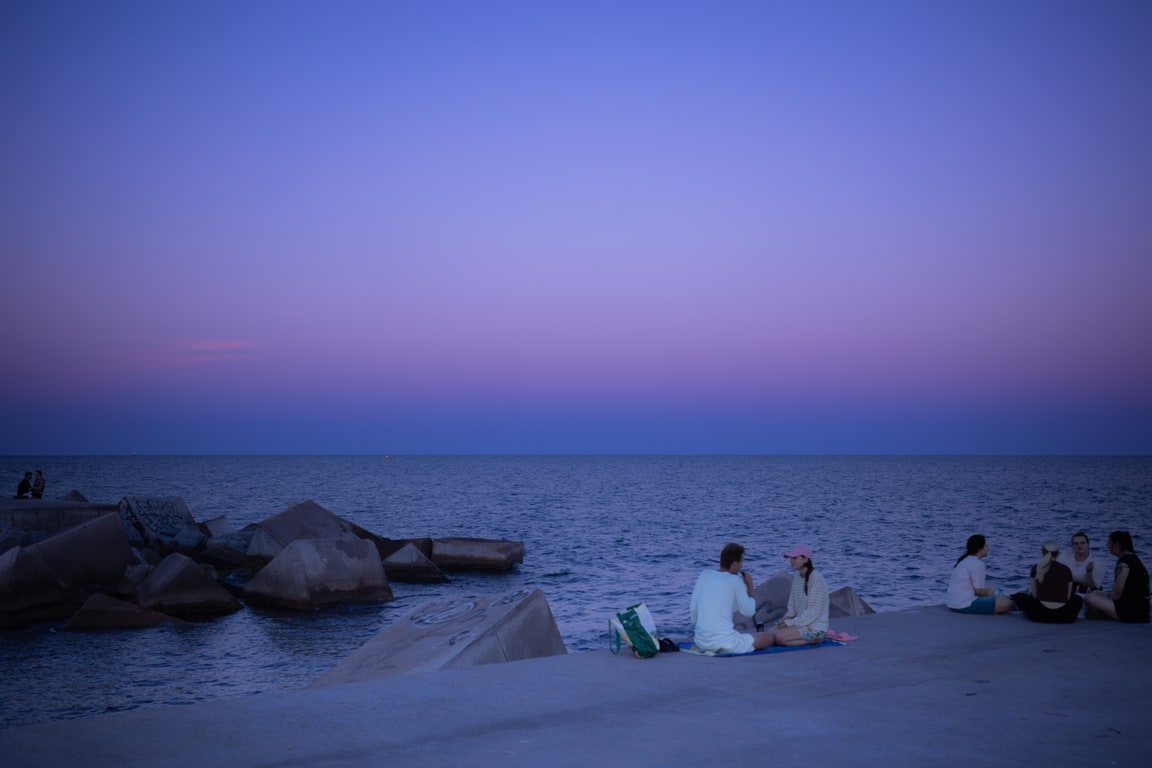
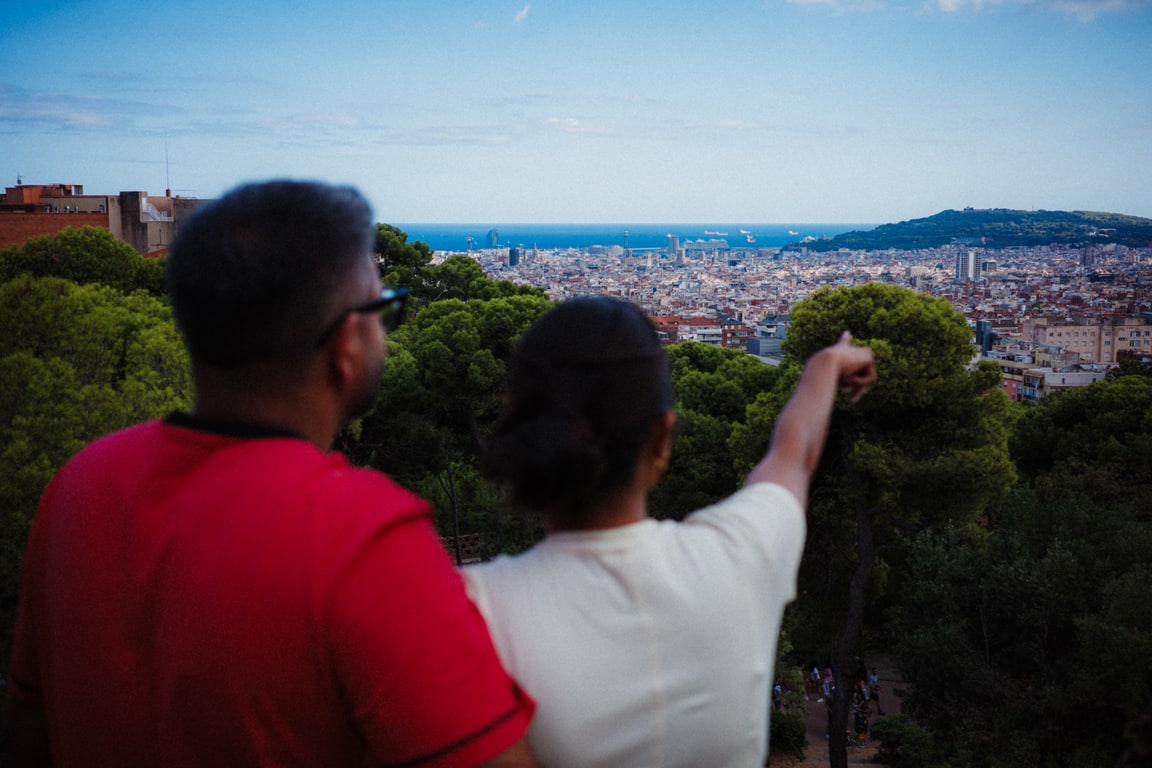
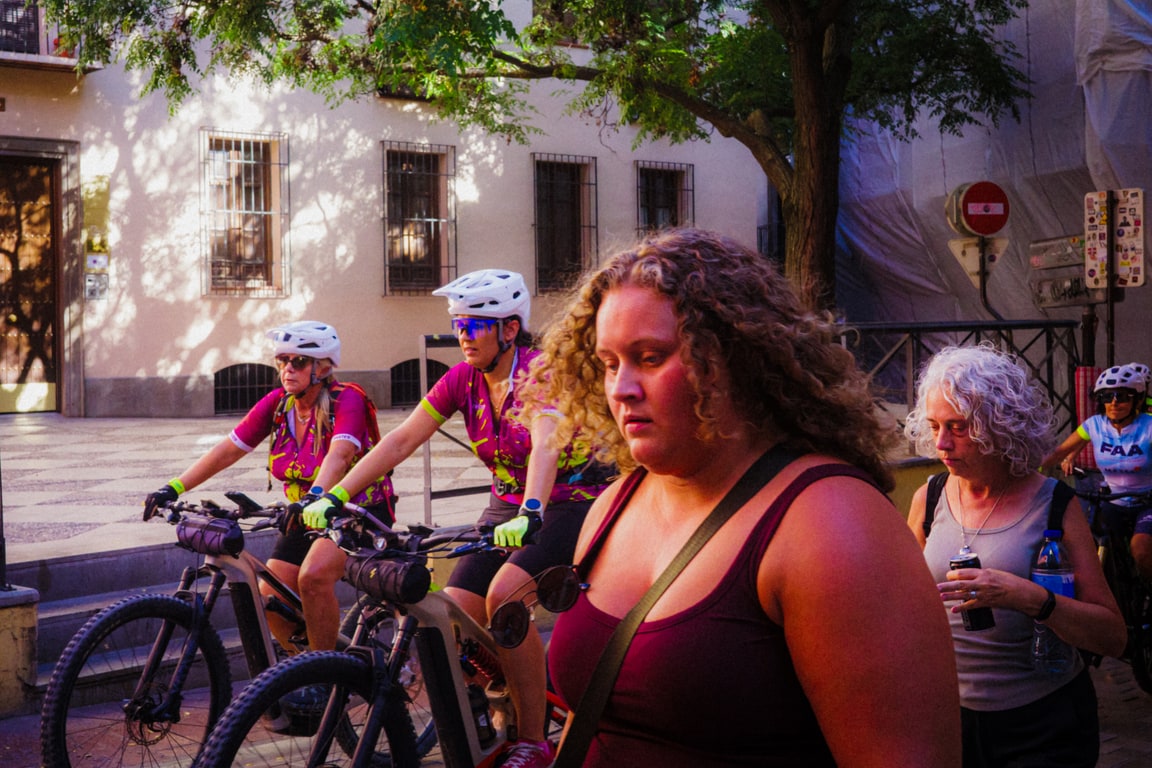
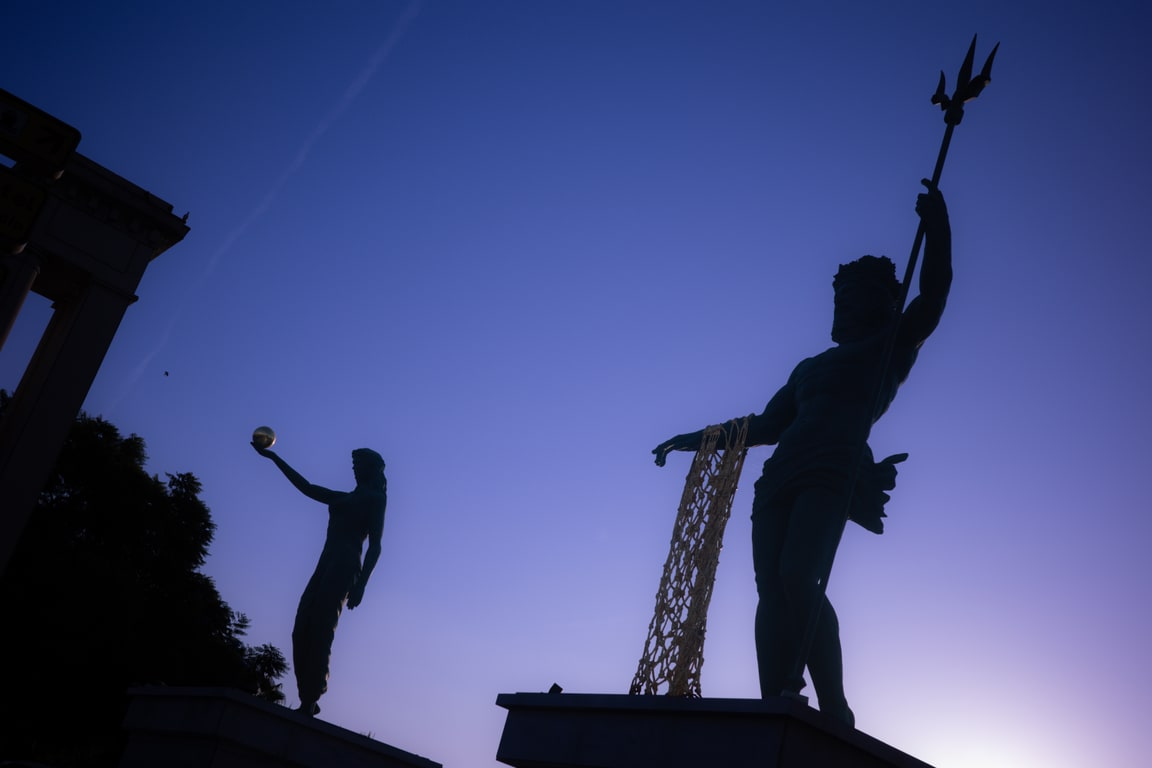
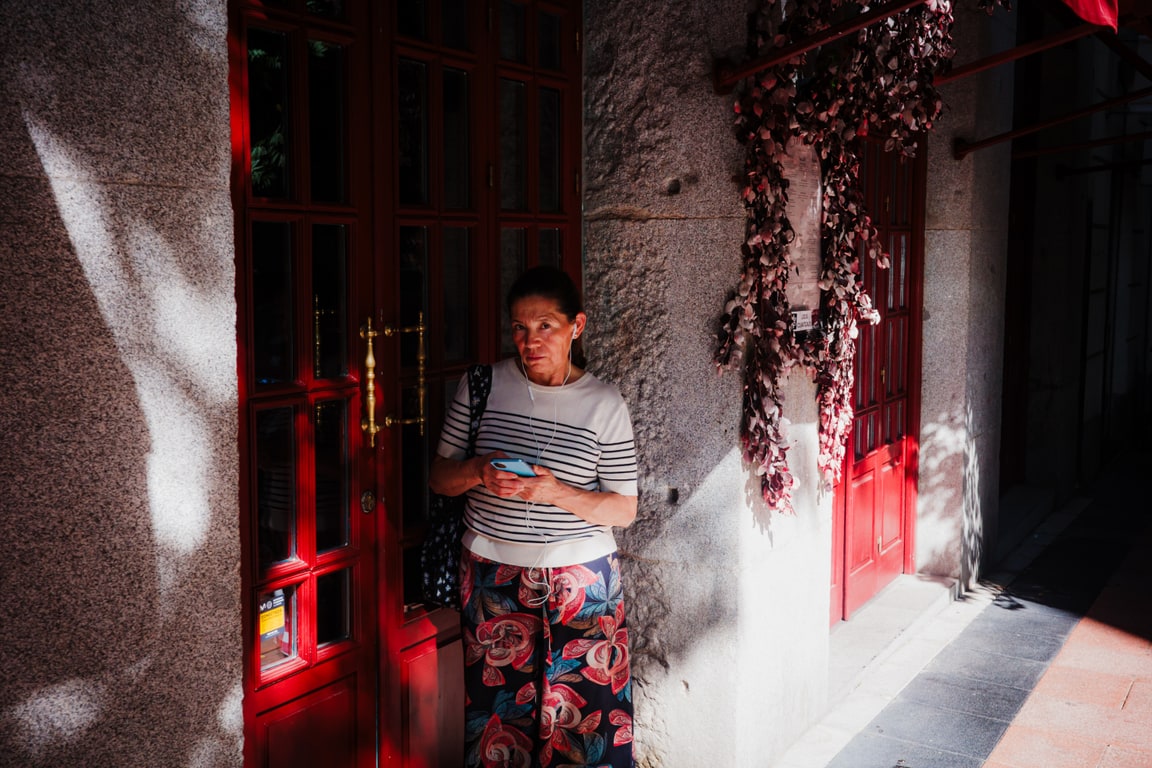
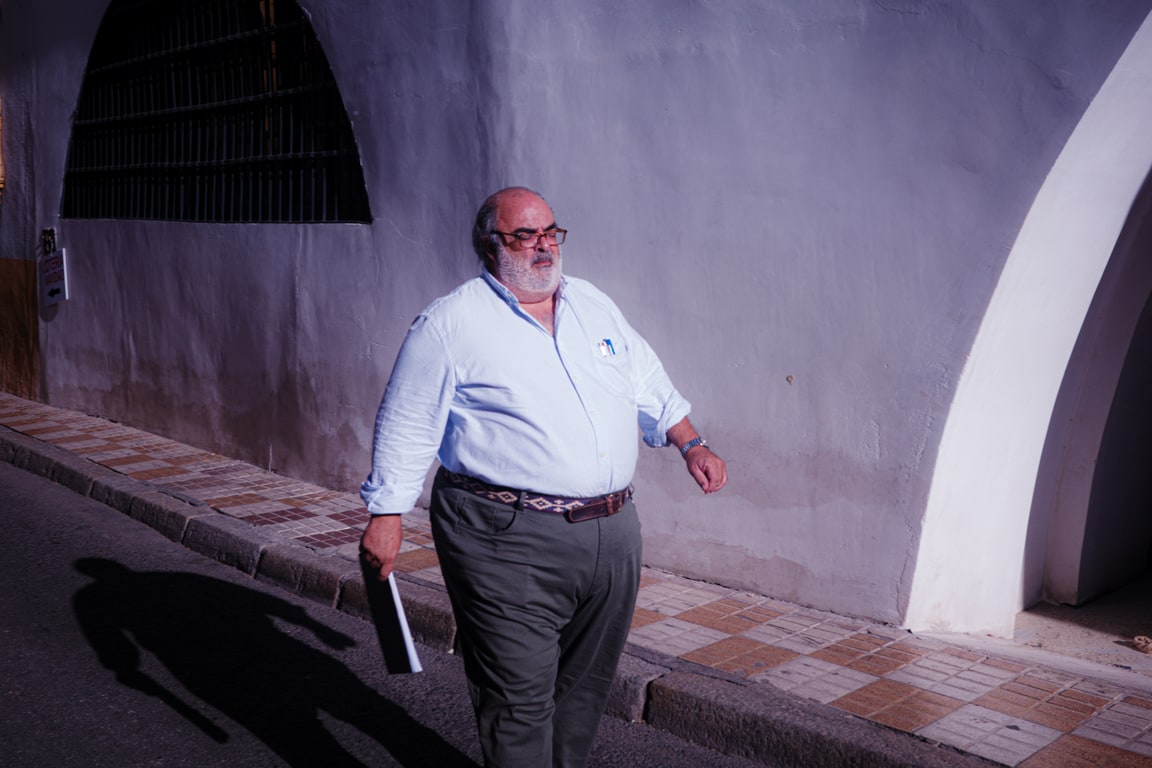
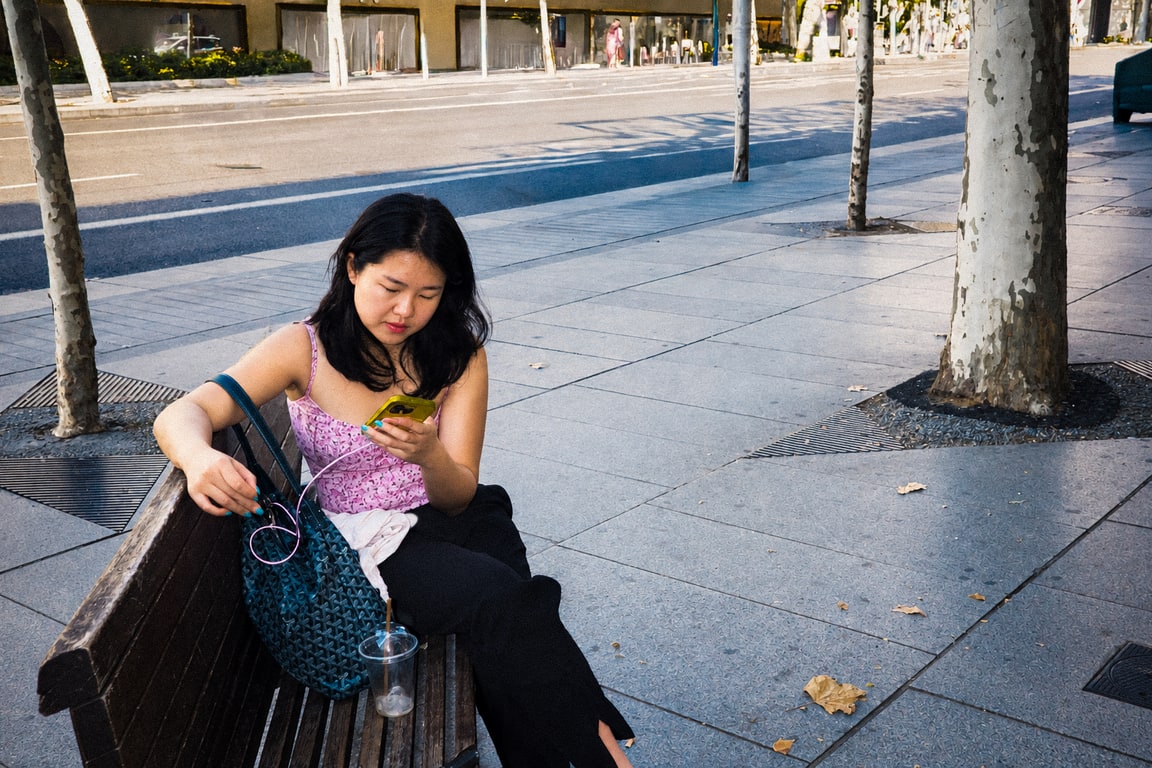
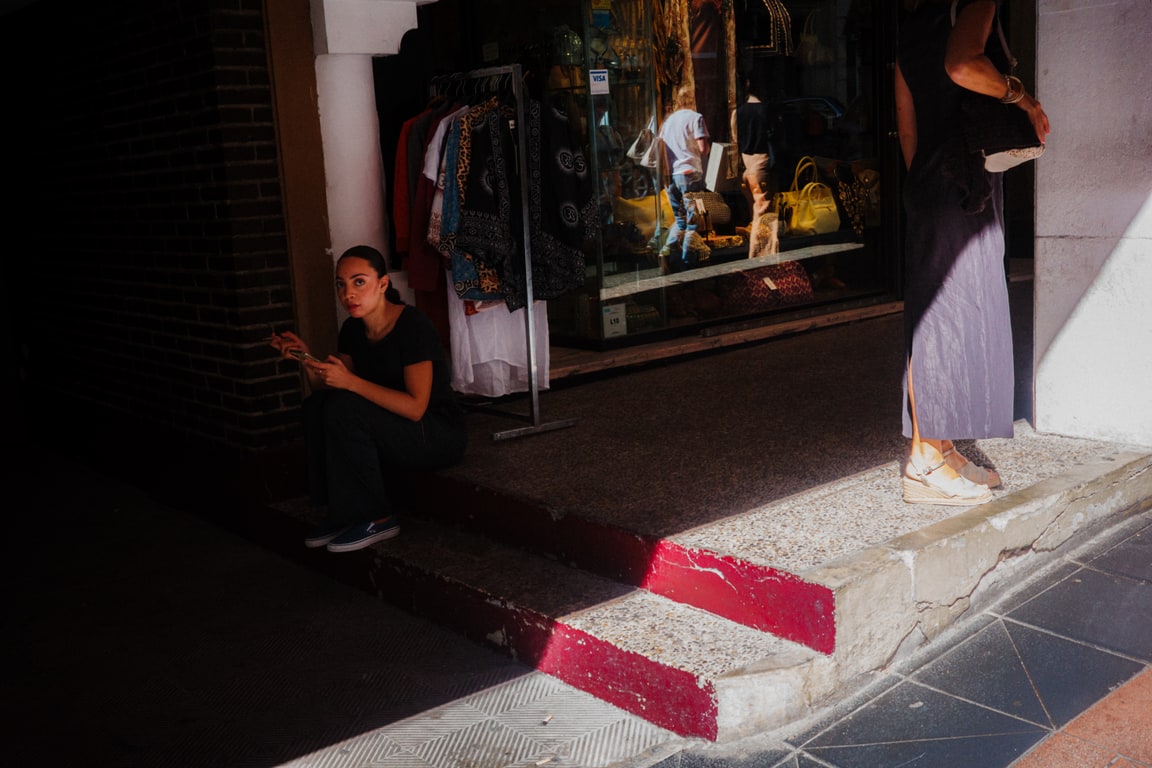
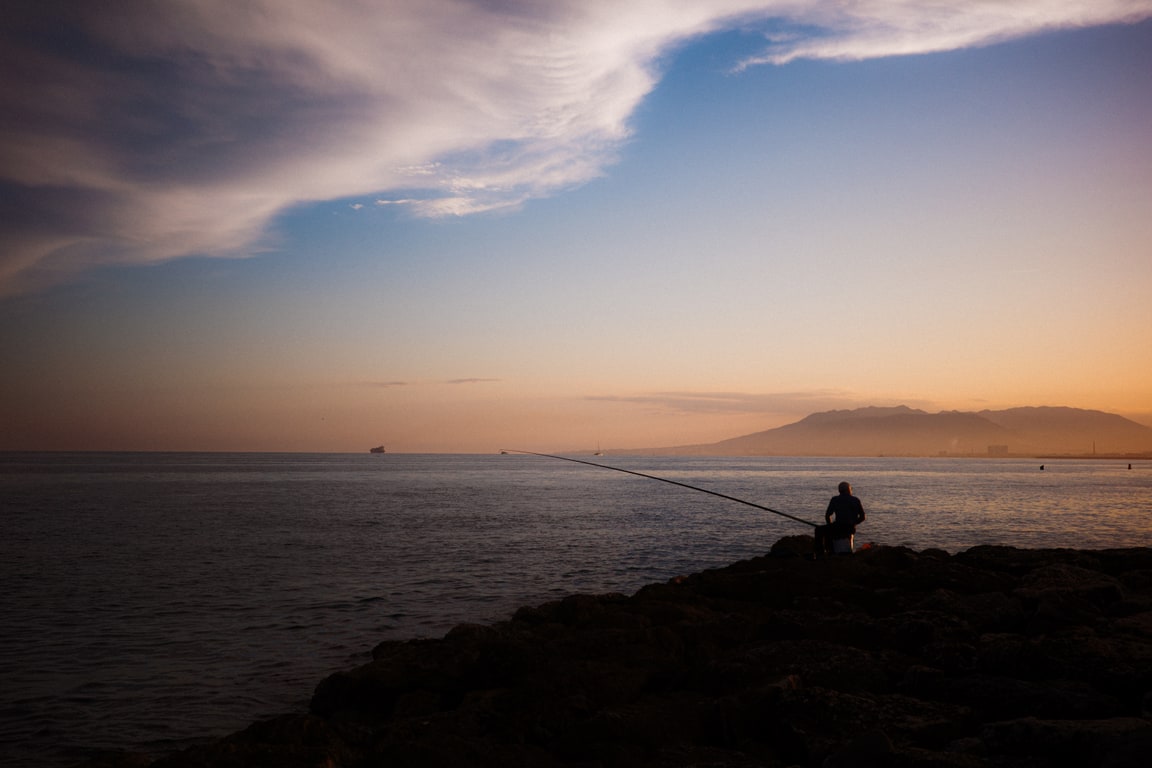
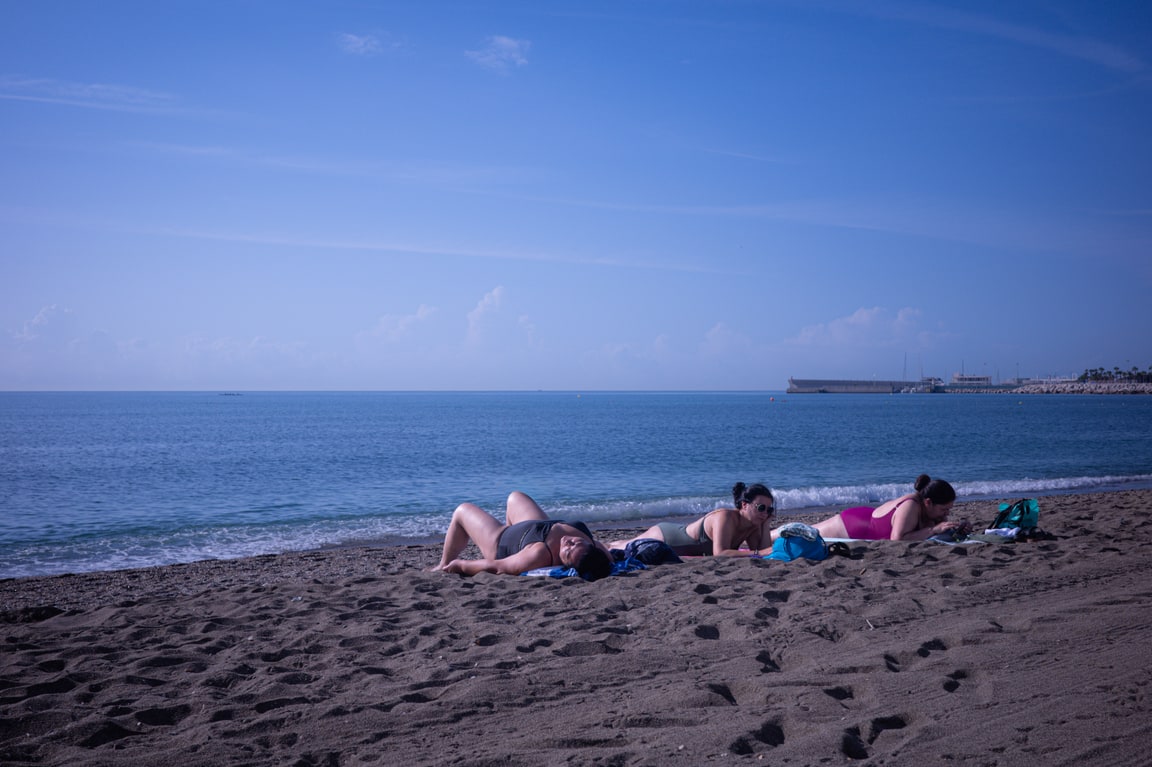
In the neighbourhoods we walked through, there seemed to be plenty of thought given to life outside people’s homes. Every city and town we visited had places where you could go for a walk, sit for a while or meet someone without needing to enter a restaurant or shop. This was true even of ordinary residential areas.
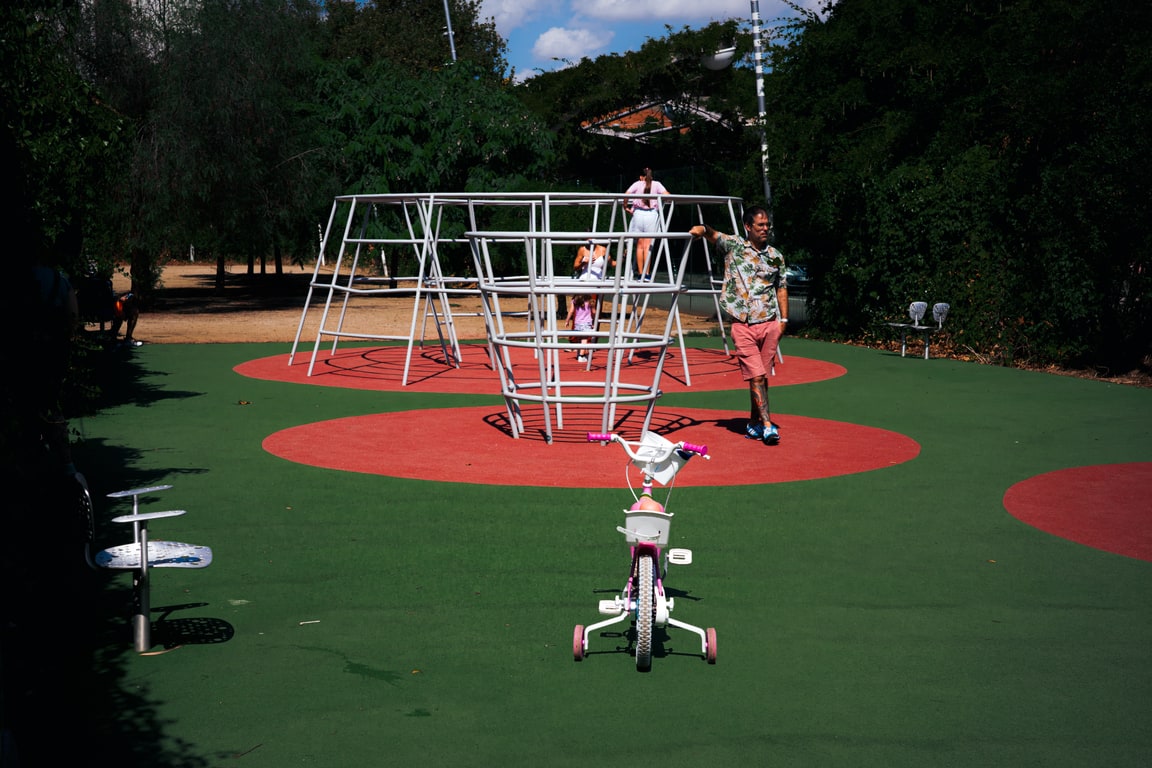
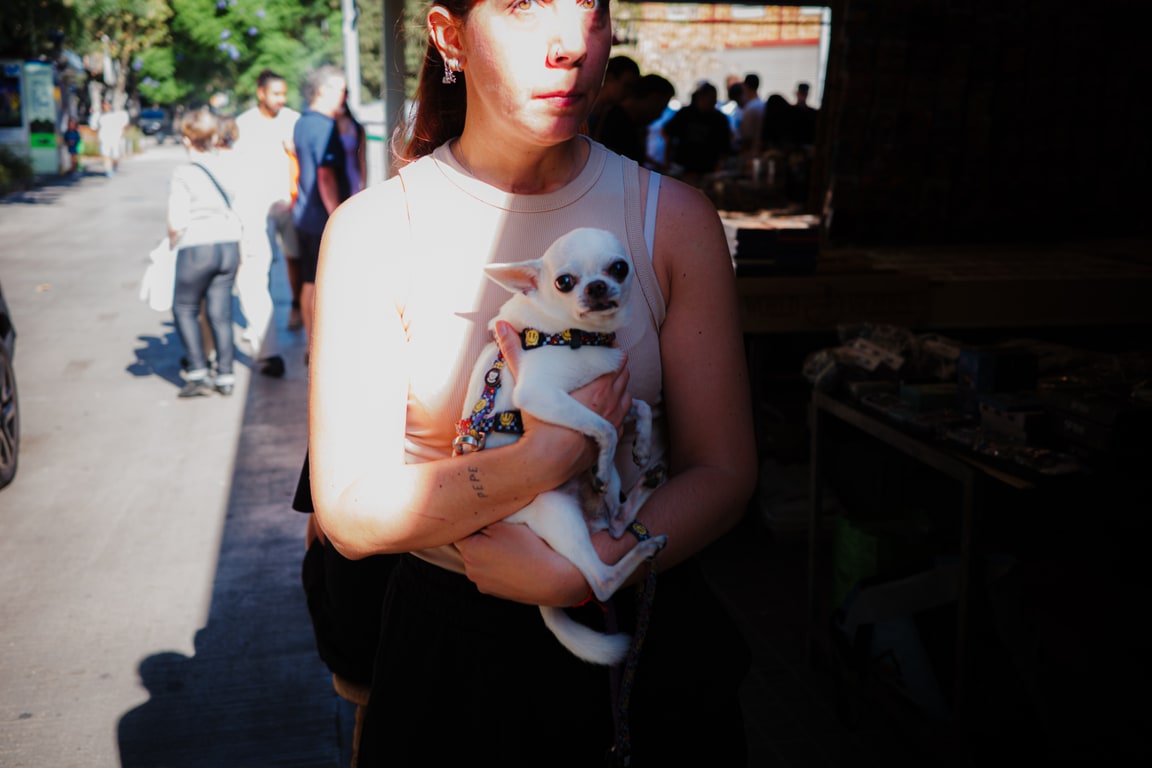
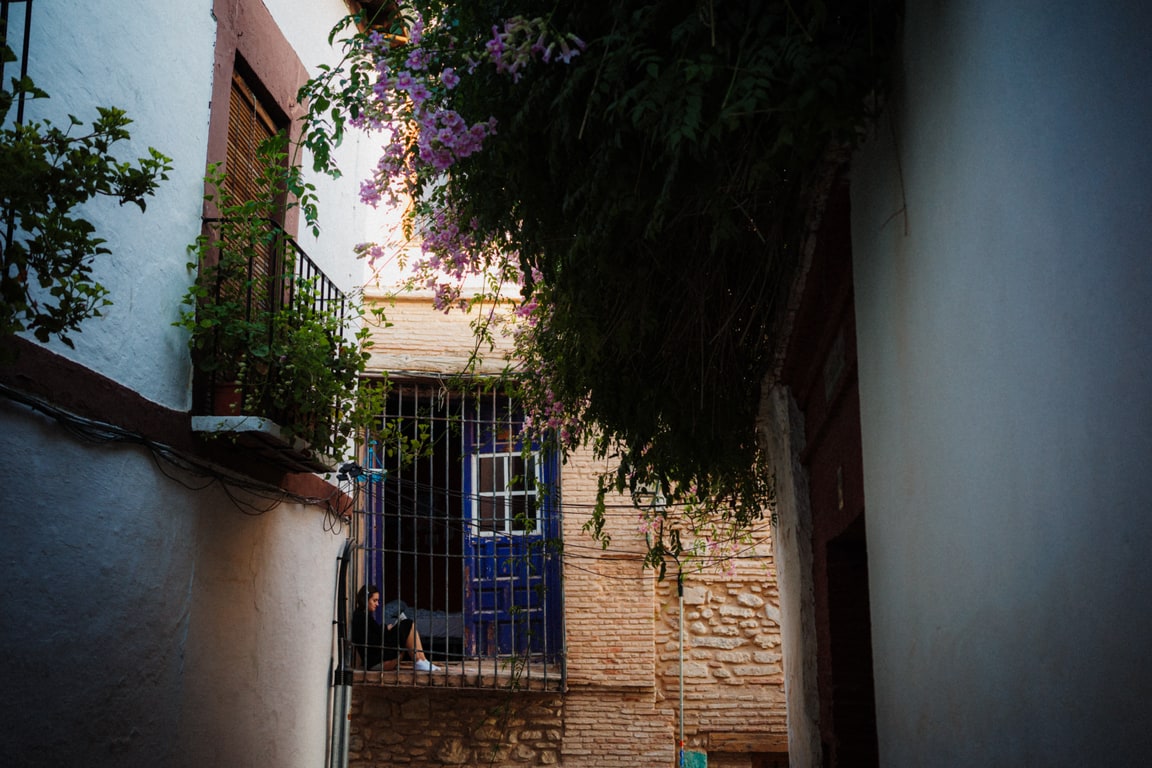
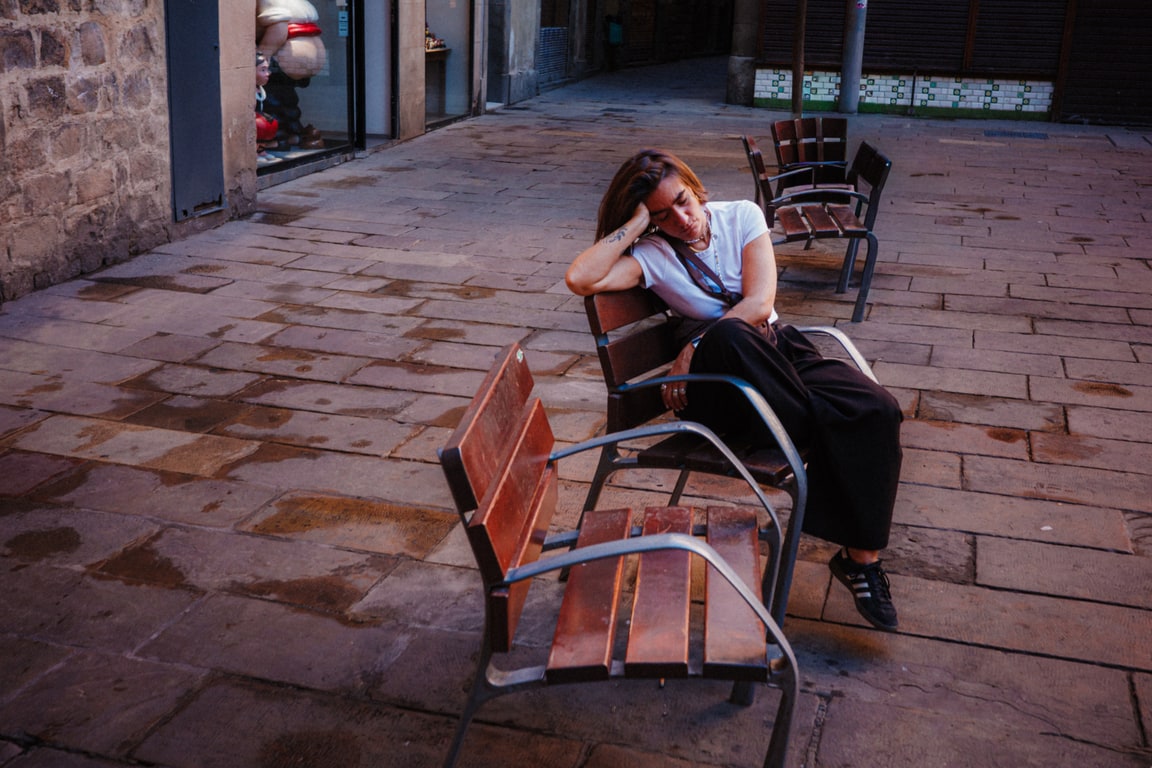
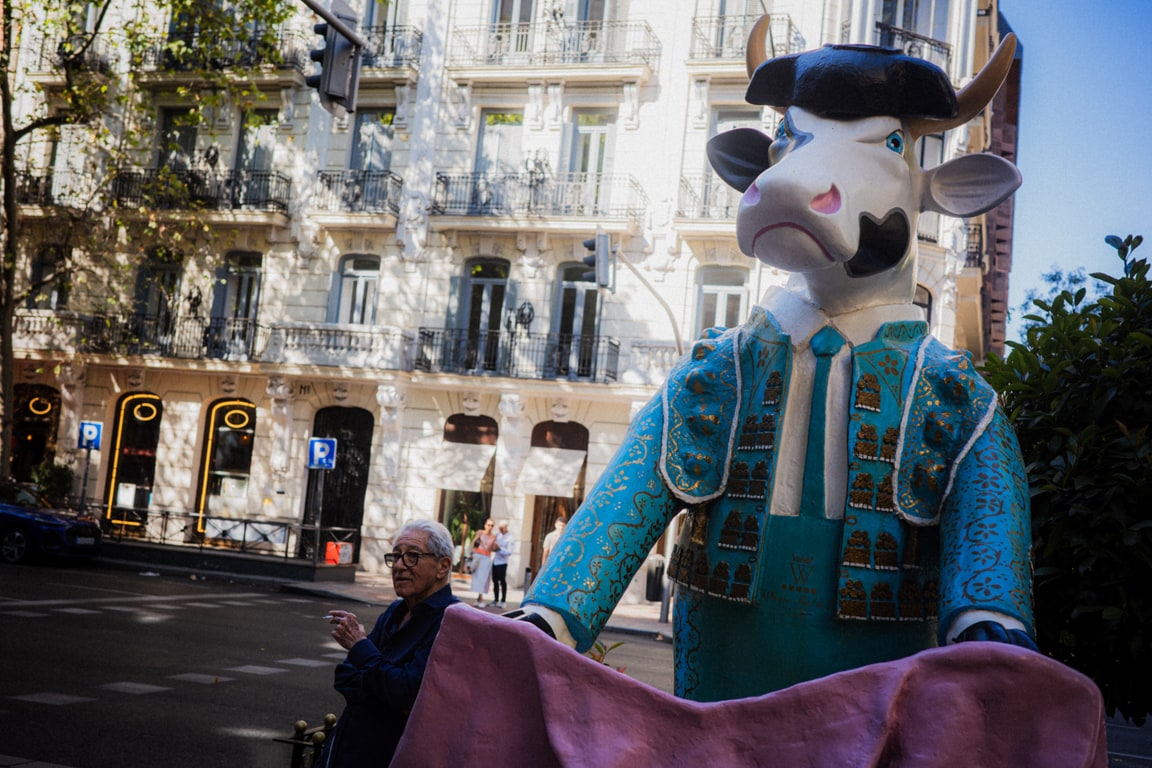
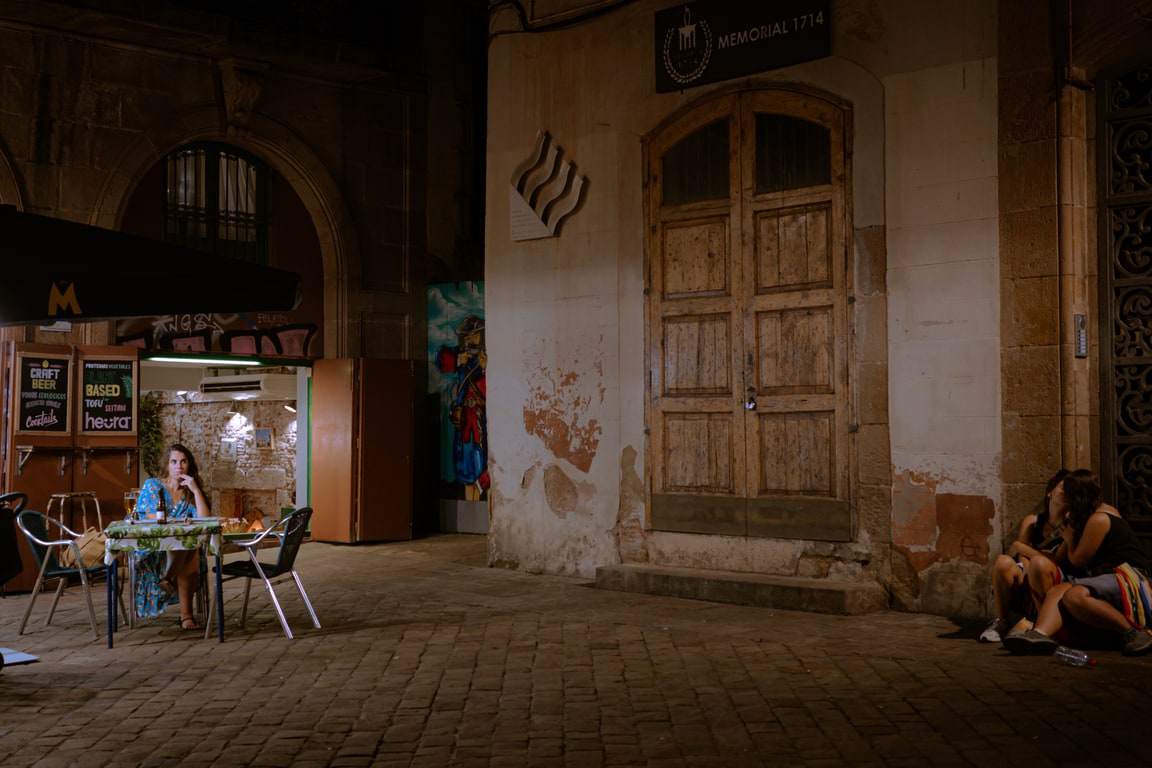
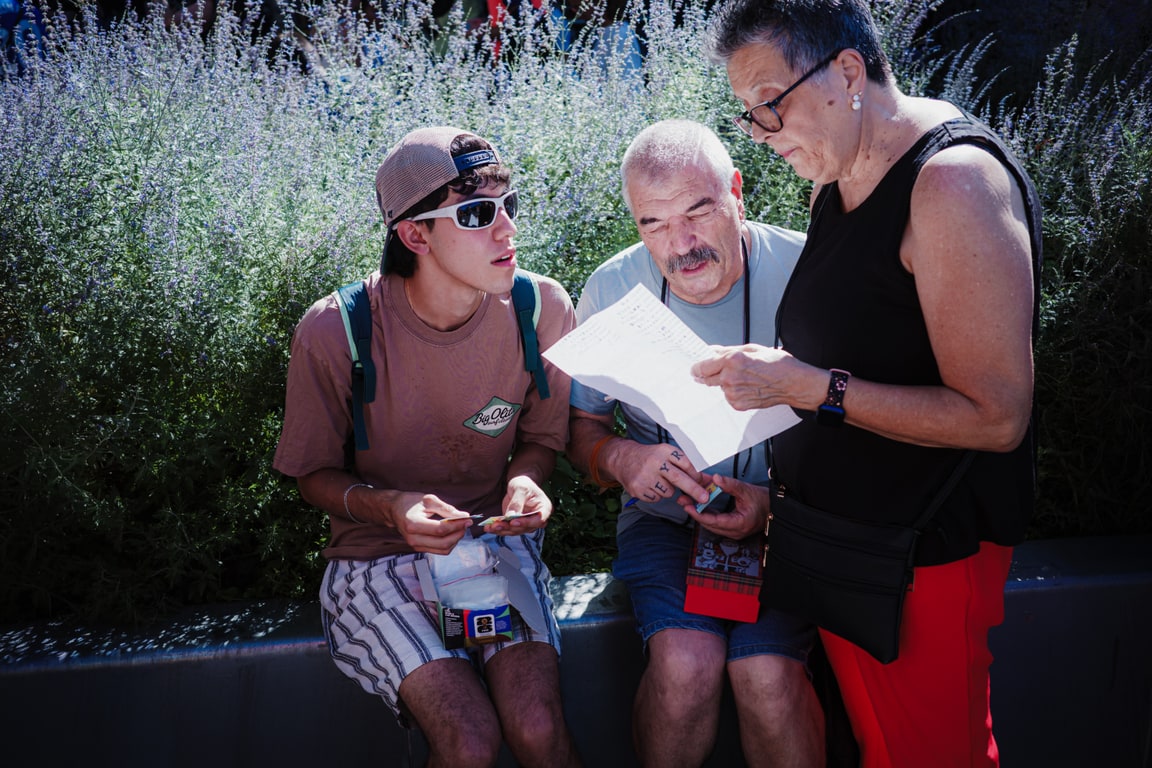
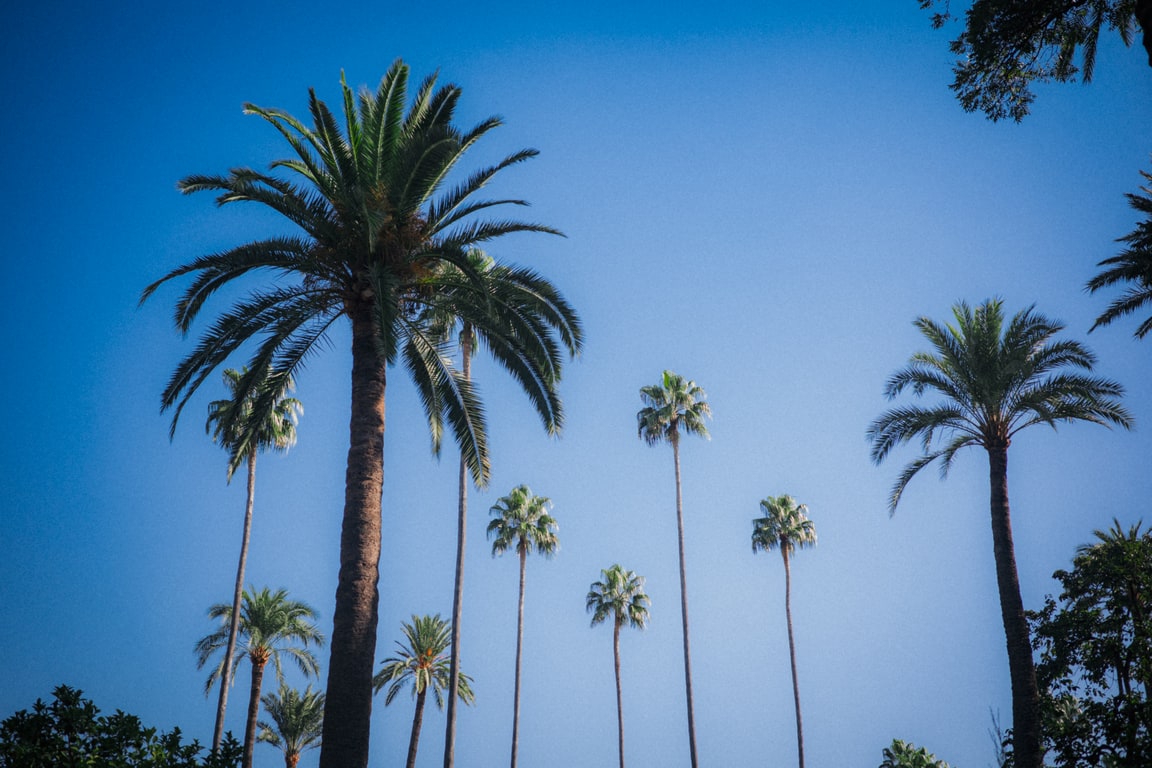
There were plazas, parks, promenades, pedestrian streets, wide pavements and benches everywhere. Streets connected naturally to cafés and neighbourhood squares, making it easy to move between them on foot. People walked to meet friends, took their dogs out, stopped for coffee, moved between bars or simply wandered around. Others sat in plazas without necessarily doing very much. You could step outside without deciding in advance where you were going or how you would spend your time.
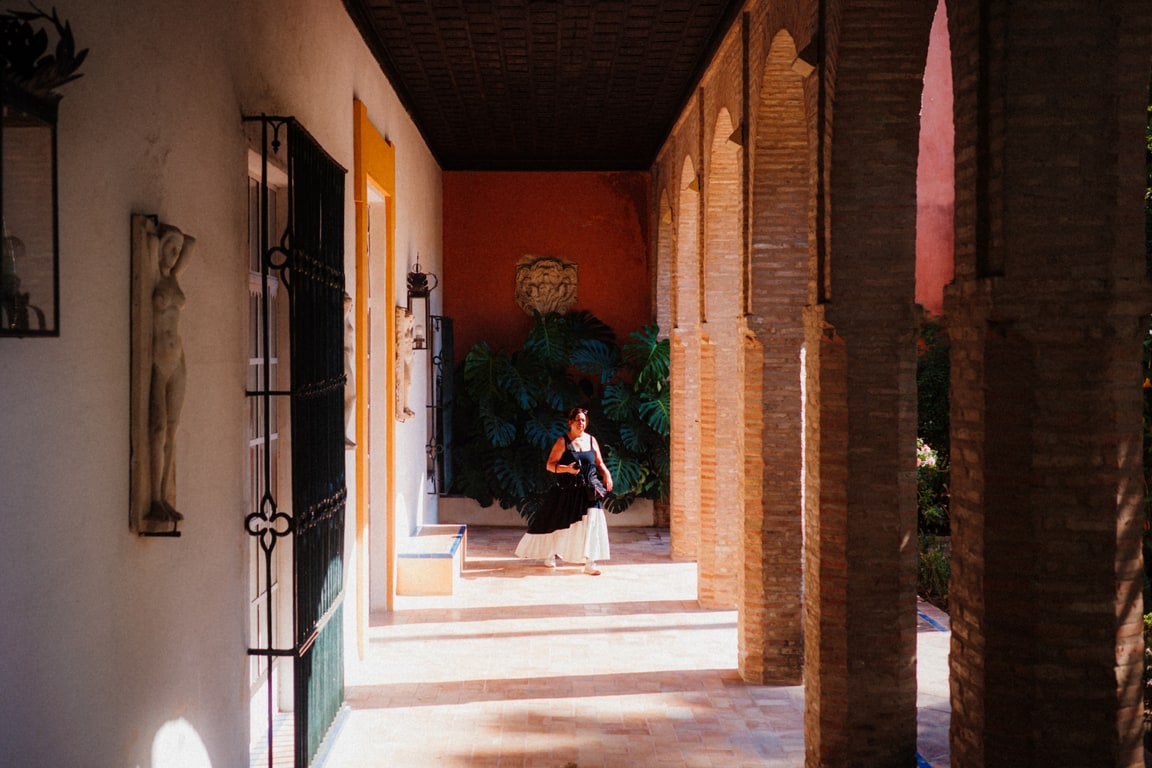
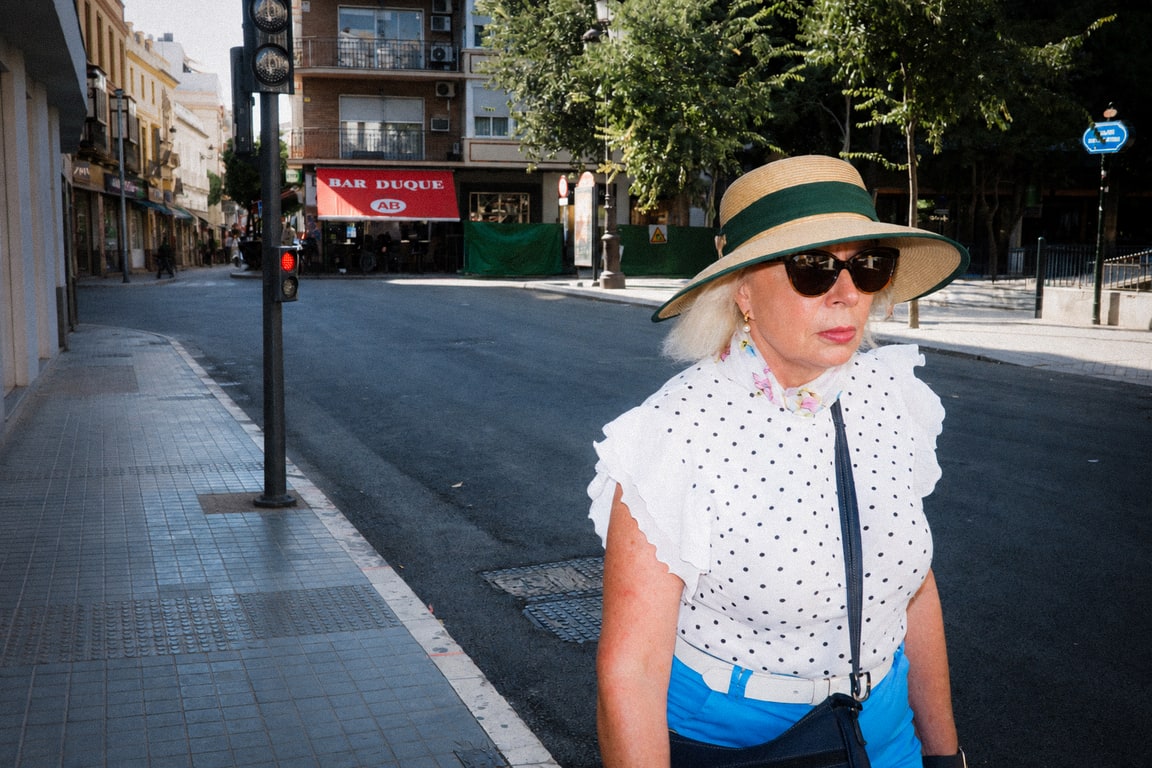
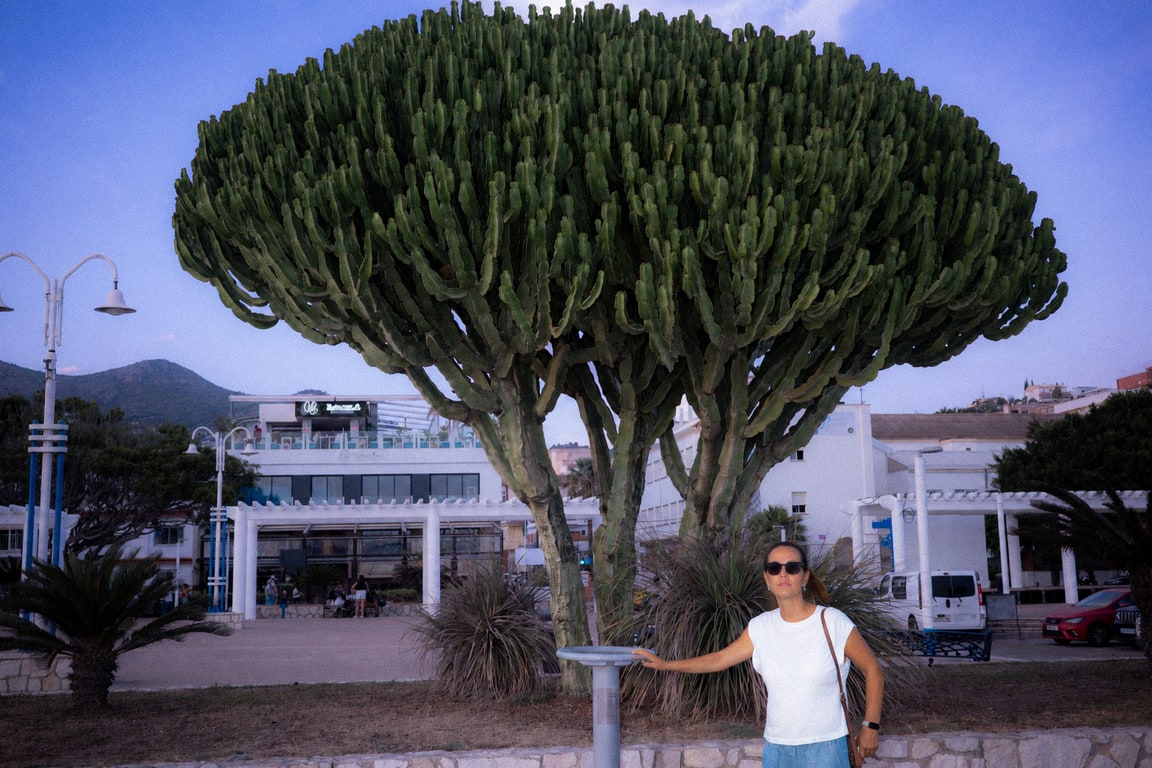
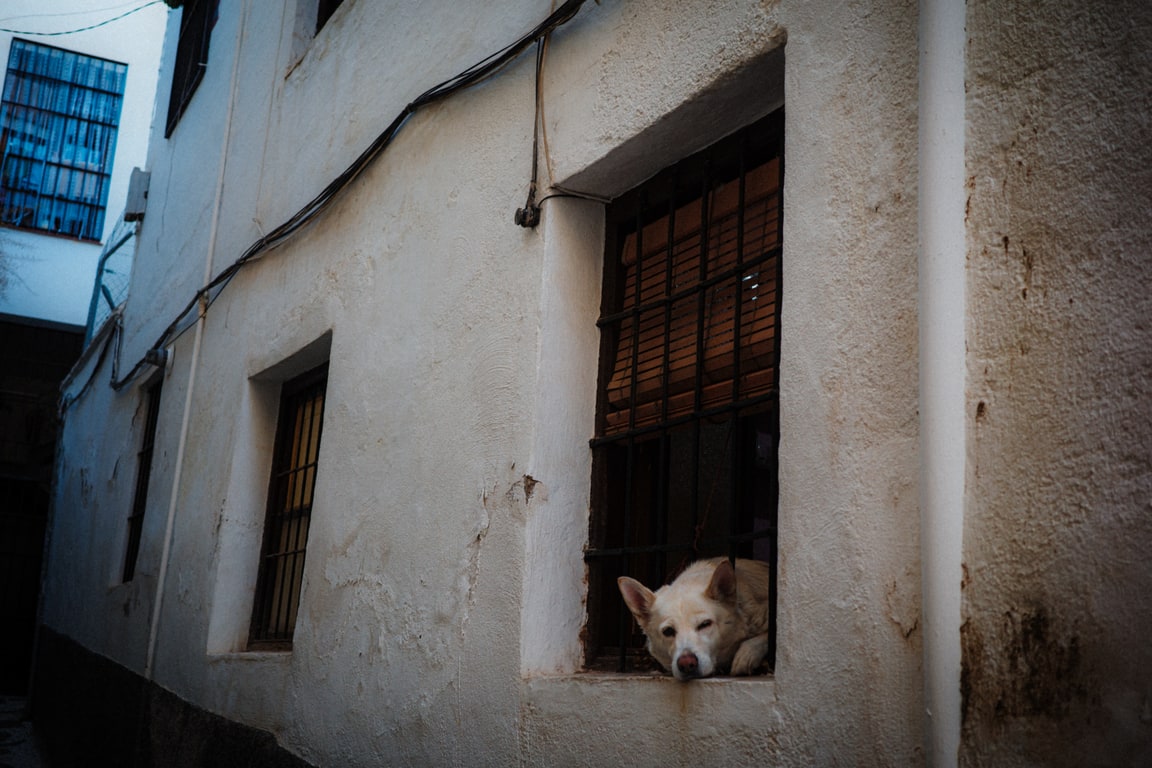
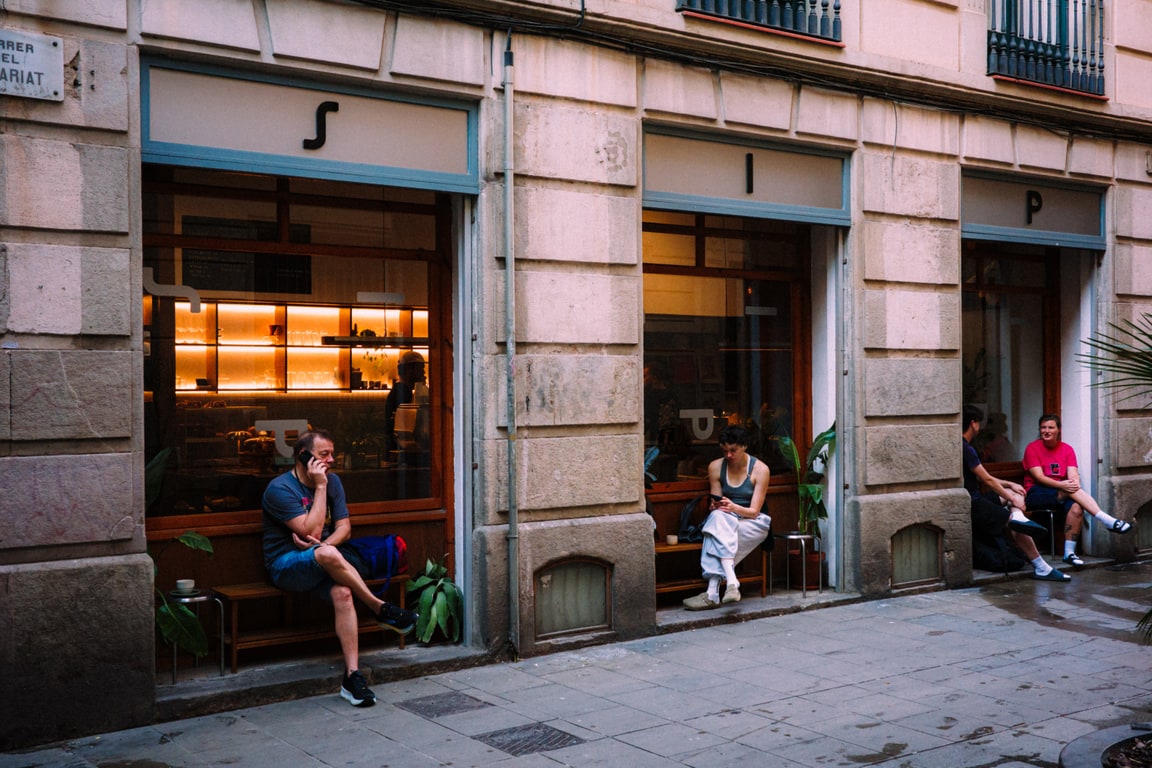
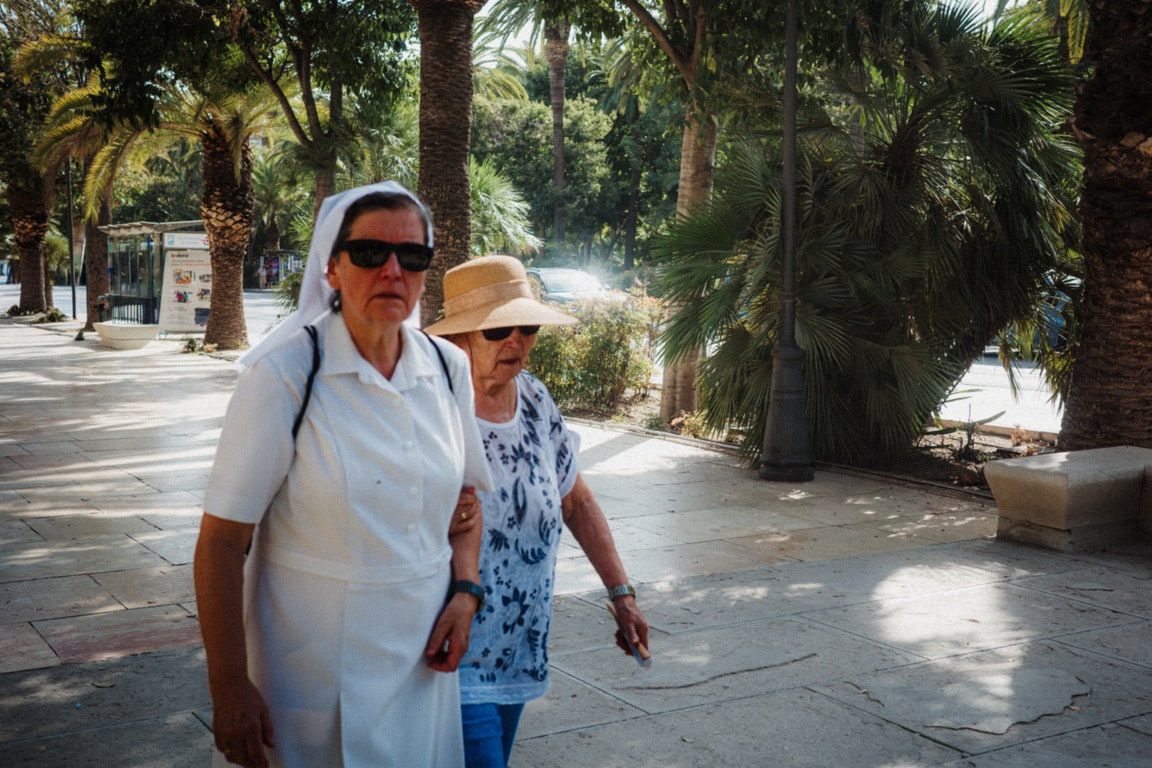
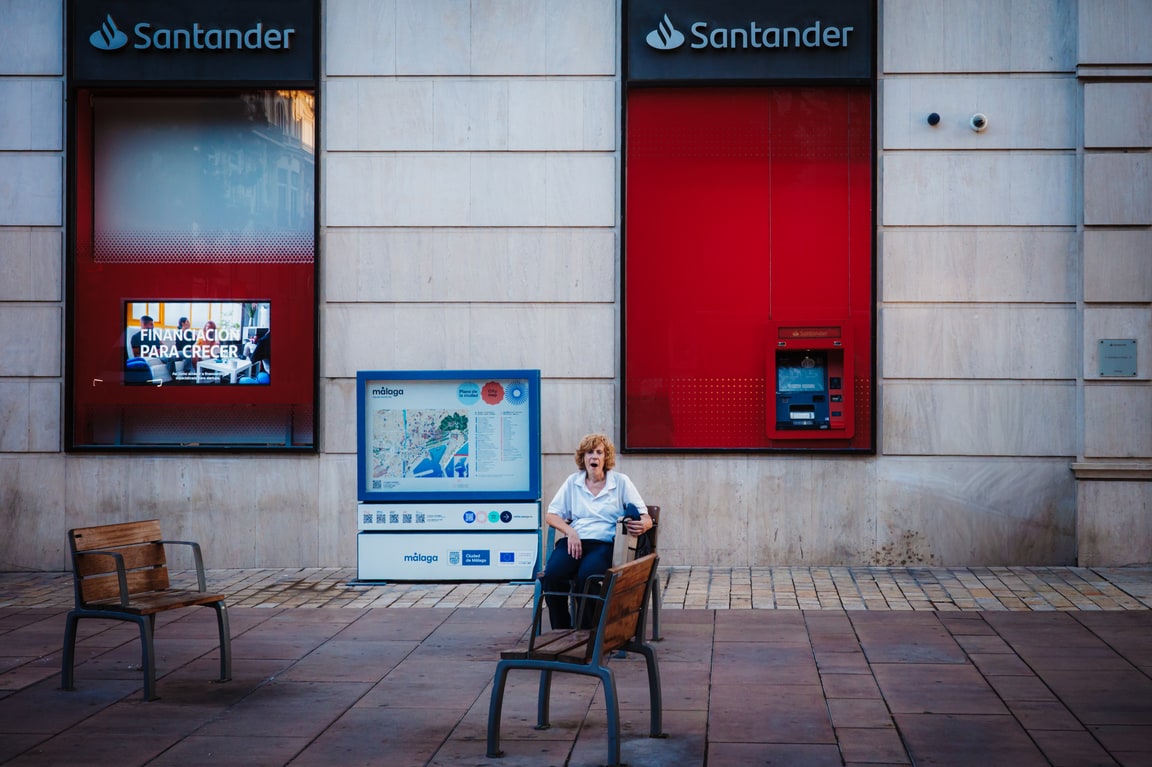
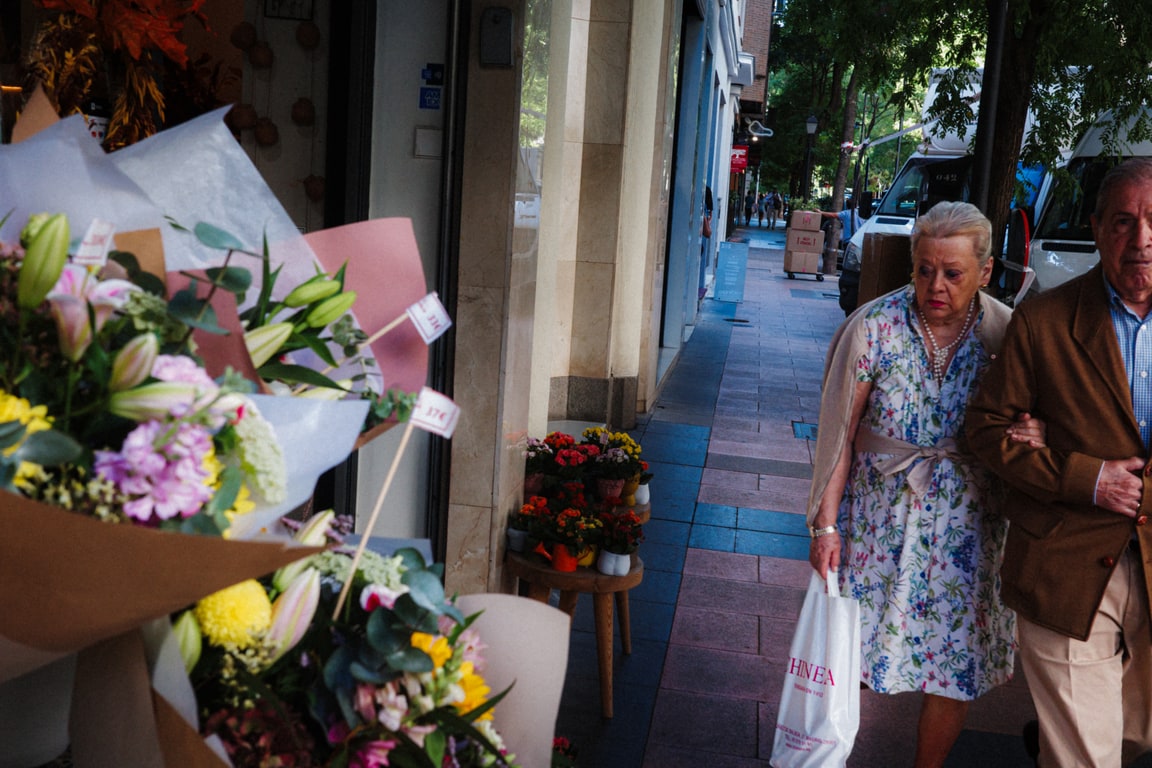
This was perhaps the difference from India that made me most envious. In many Indian cities, once you remove restaurants, cafés, bars, malls and shopping, there are surprisingly few pleasant places to simply spend time outside. Getting around can be unappealing too. Pavements can be inconsistent or unusable, crossing roads unpleasant, and cycling unsafe. Even when somewhere is close enough to walk to, taking a vehicle can feel like the sensible choice.
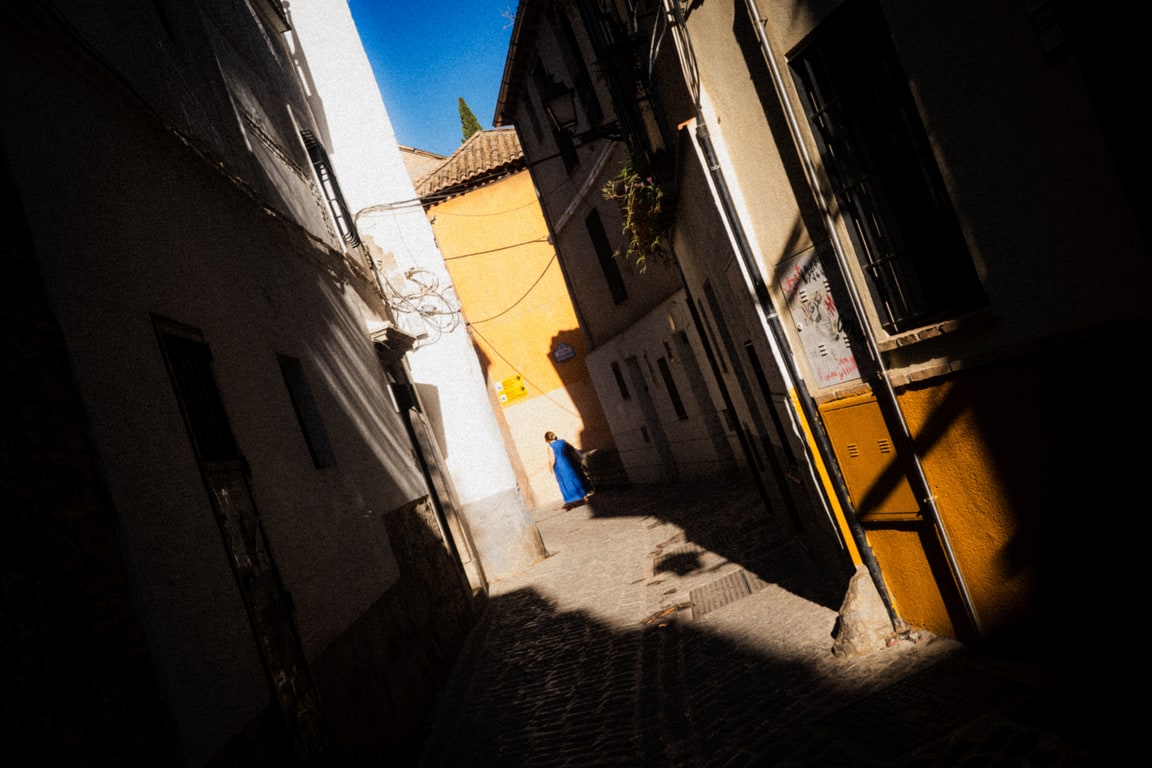
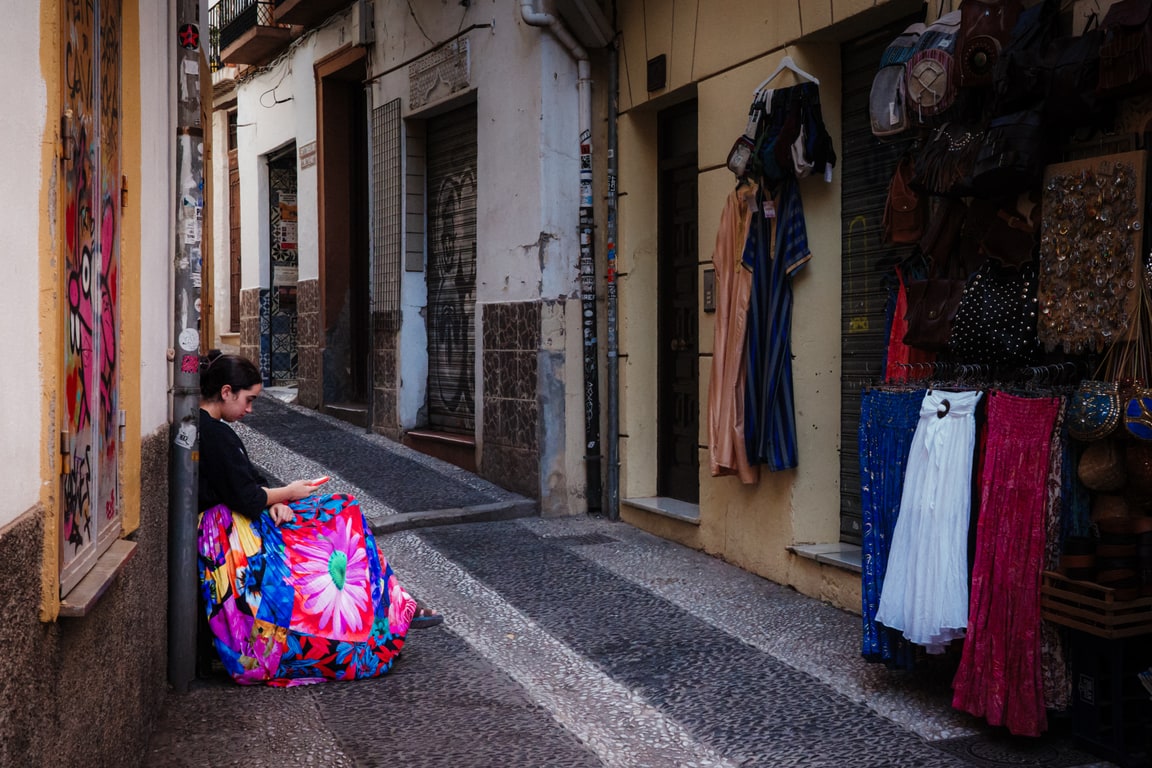
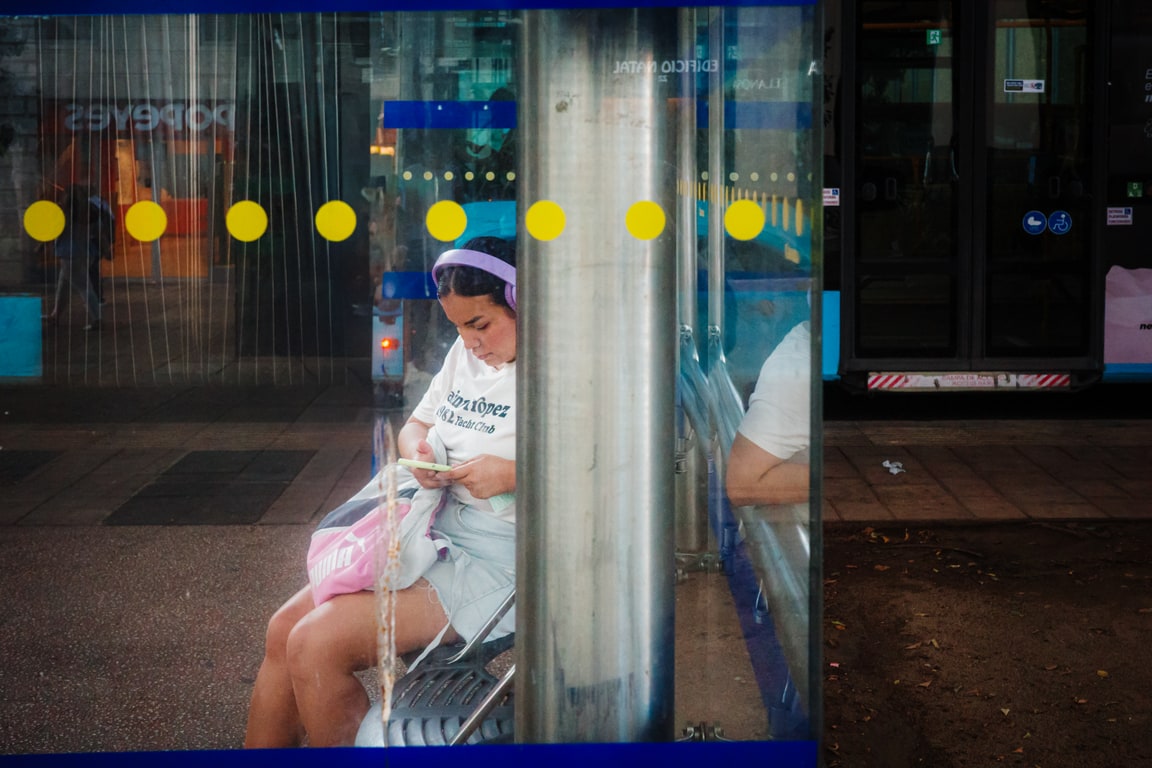
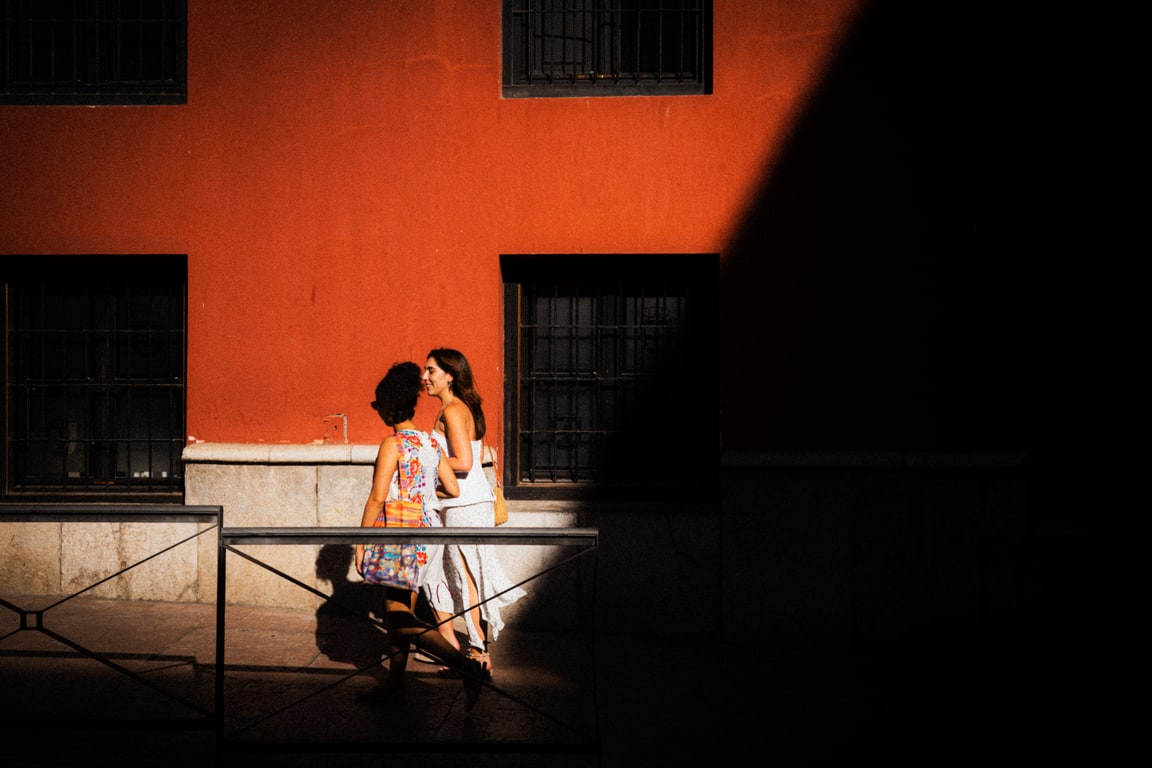
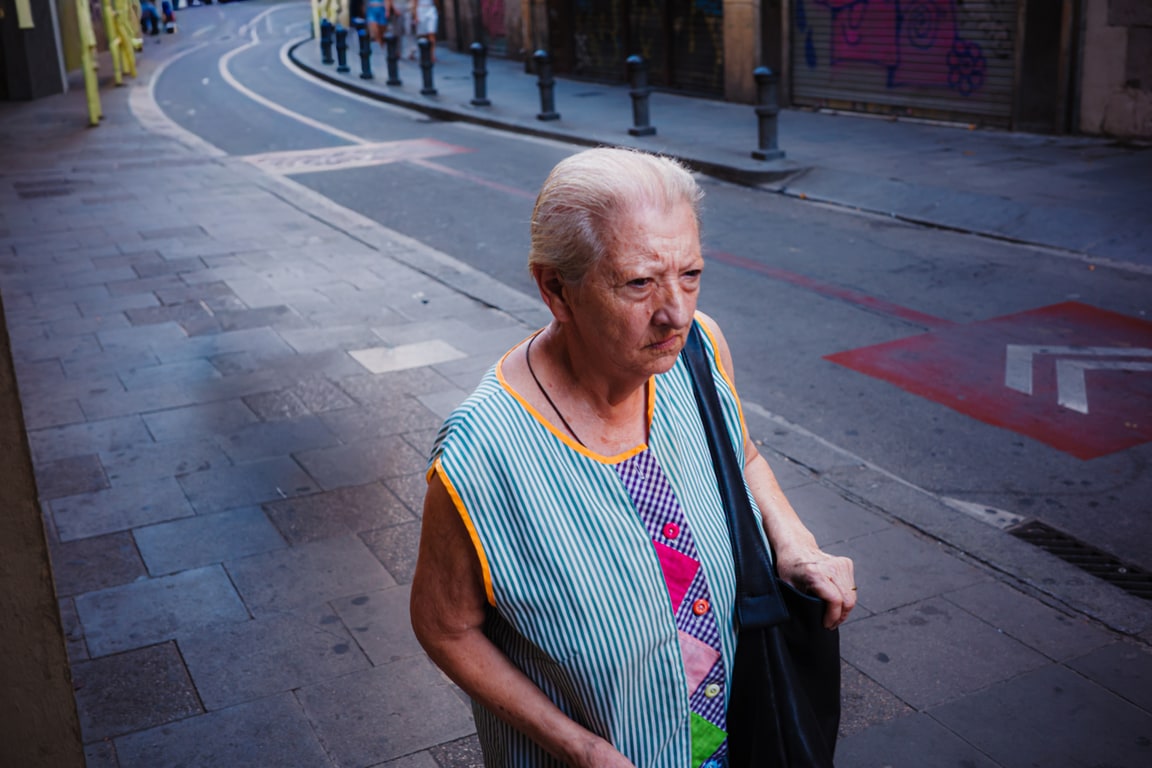
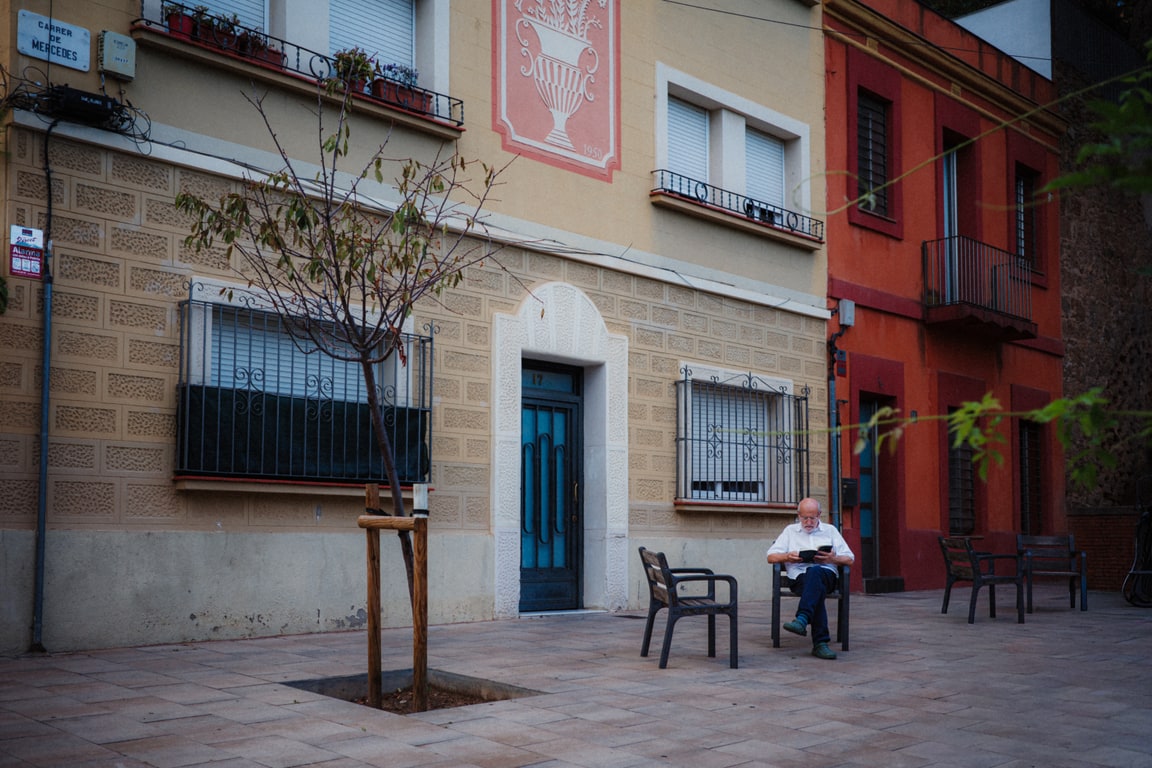
When the streets are pleasant, physical activity, chance encounters and time outdoors become part of an ordinary day. Walking to meet a friend or stopping in a square gives you some of these things without having to arrange exercise or a separate social outing. I would be surprised if people in Spanish cities didn’t walk considerably more than middle- or upper-class Indians whose routines revolve around cars, cabs and indoor spaces.
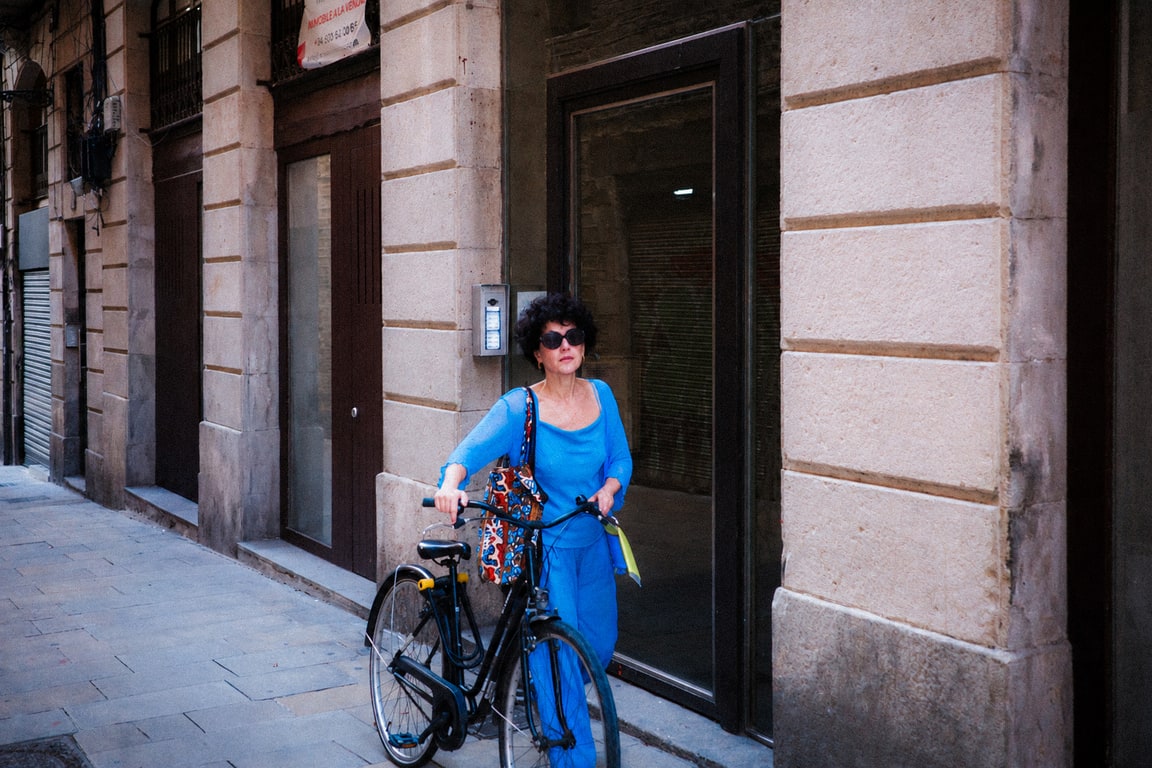
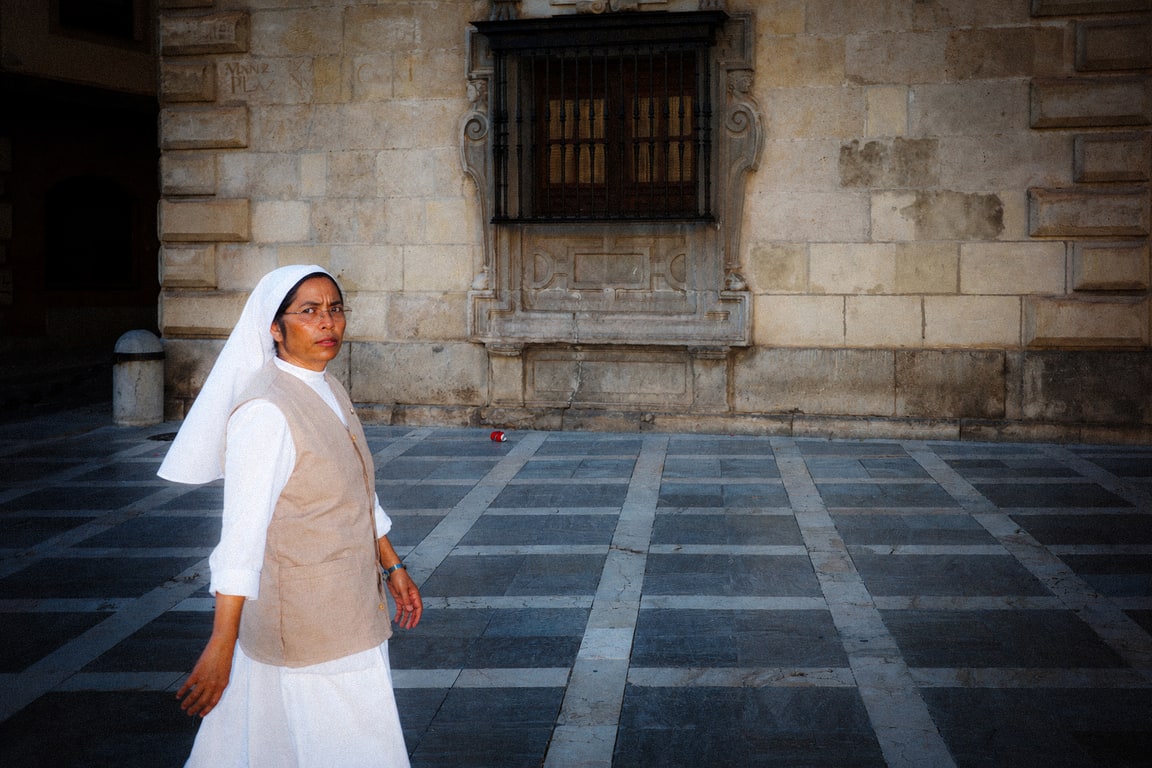
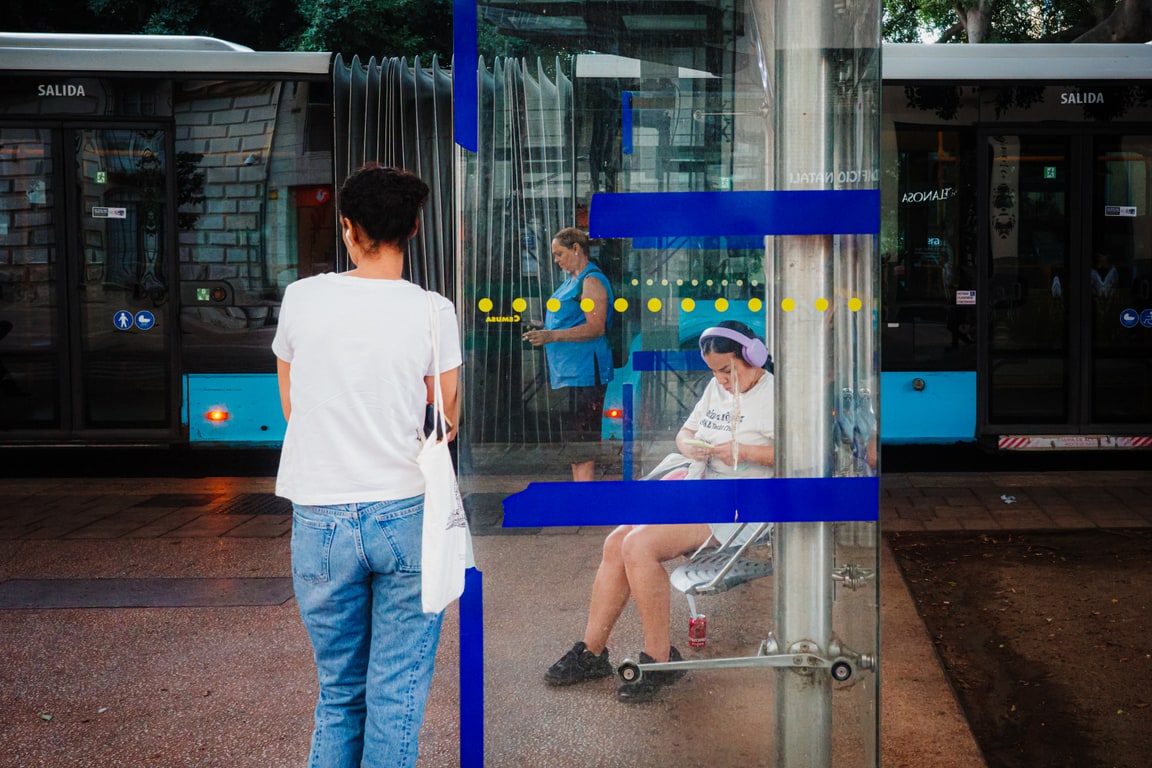
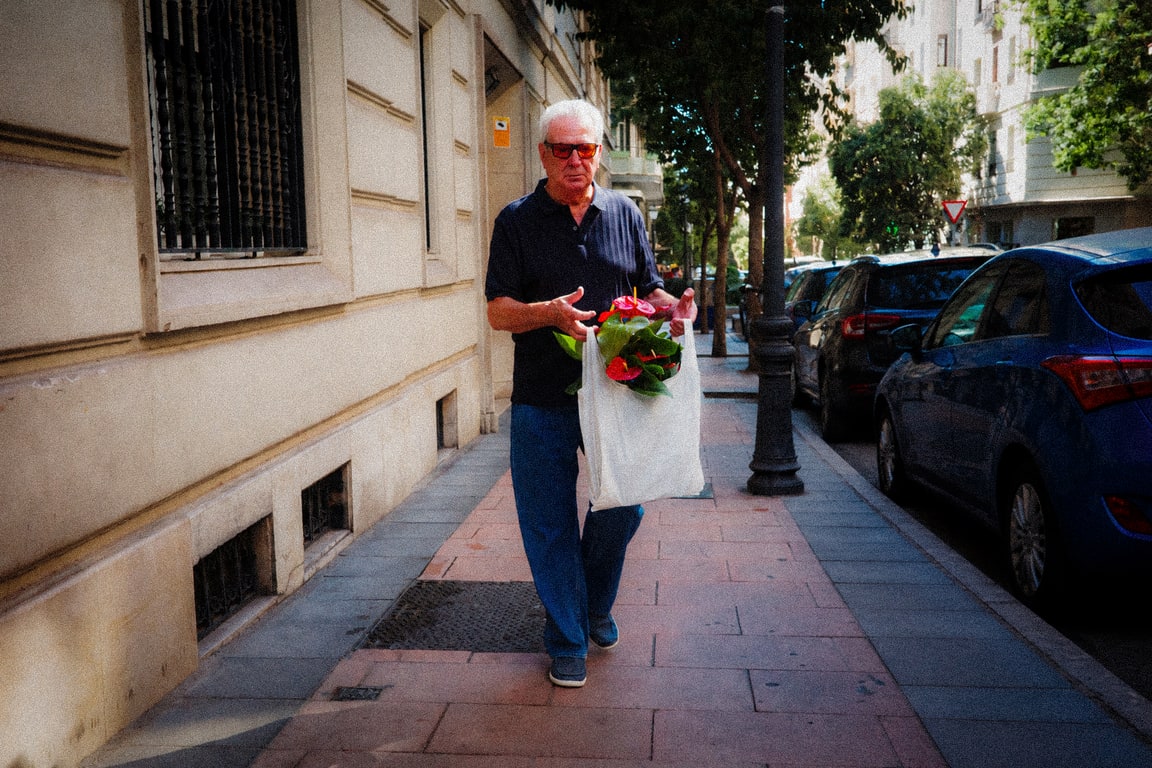
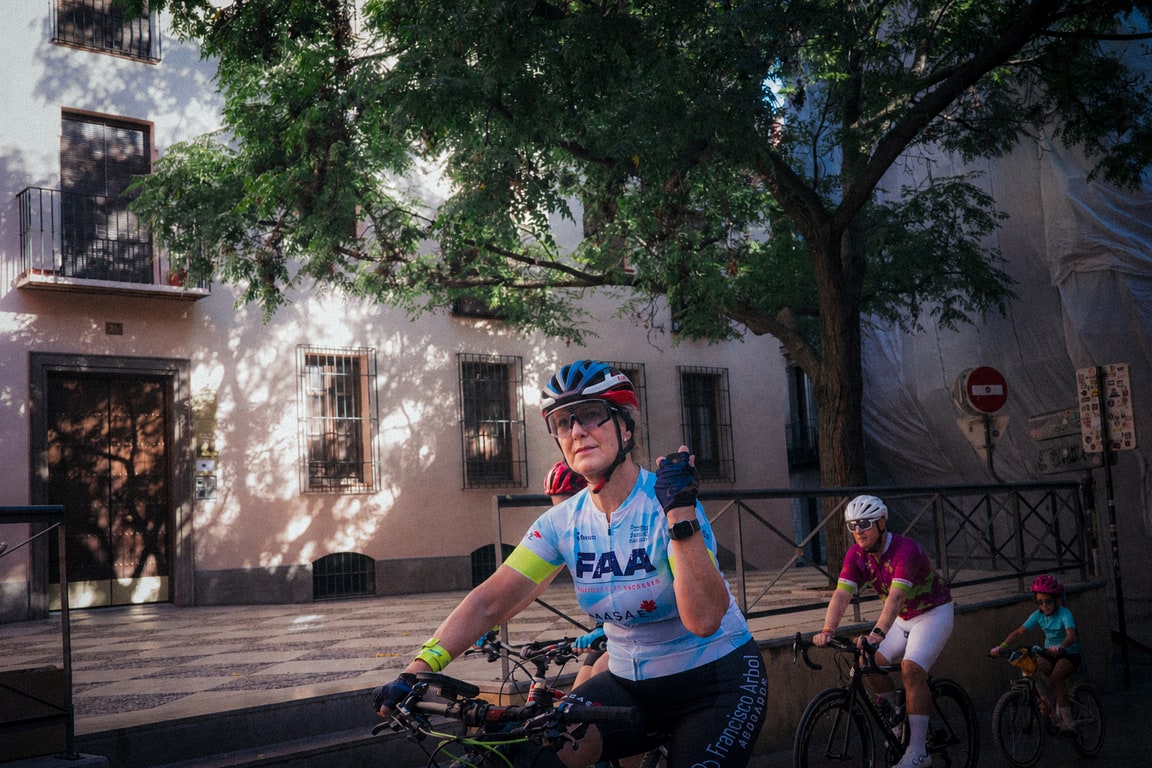
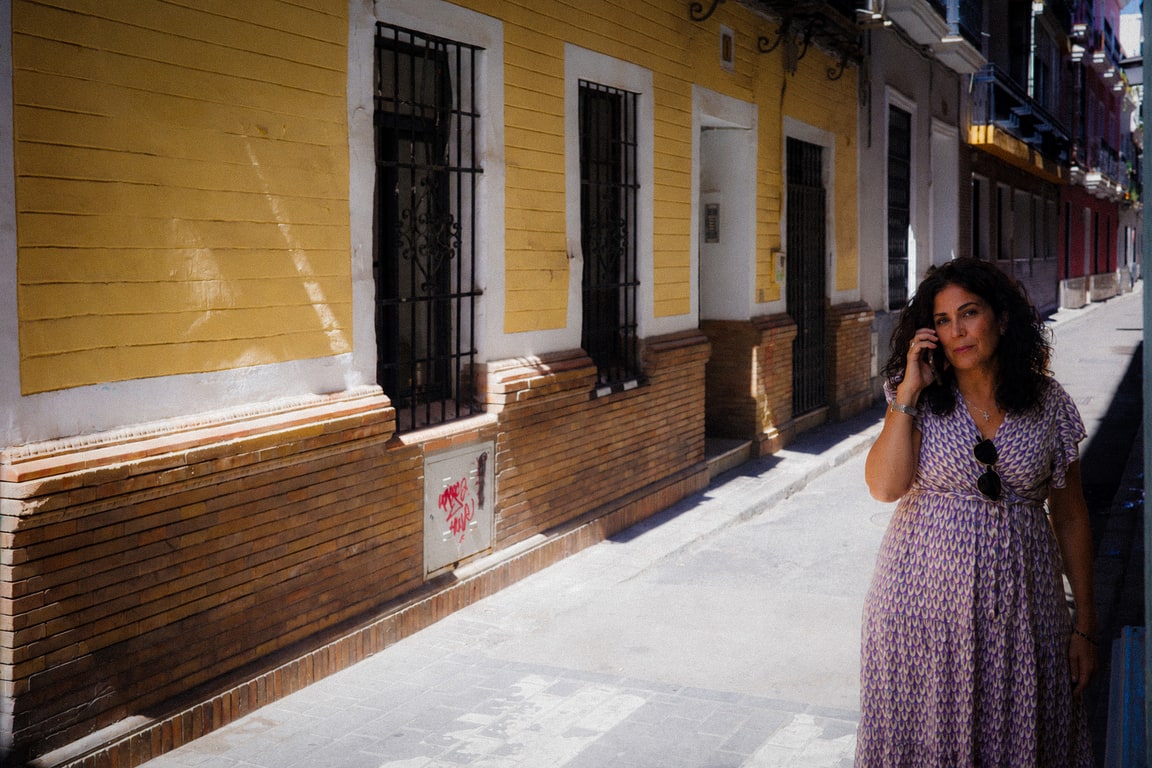
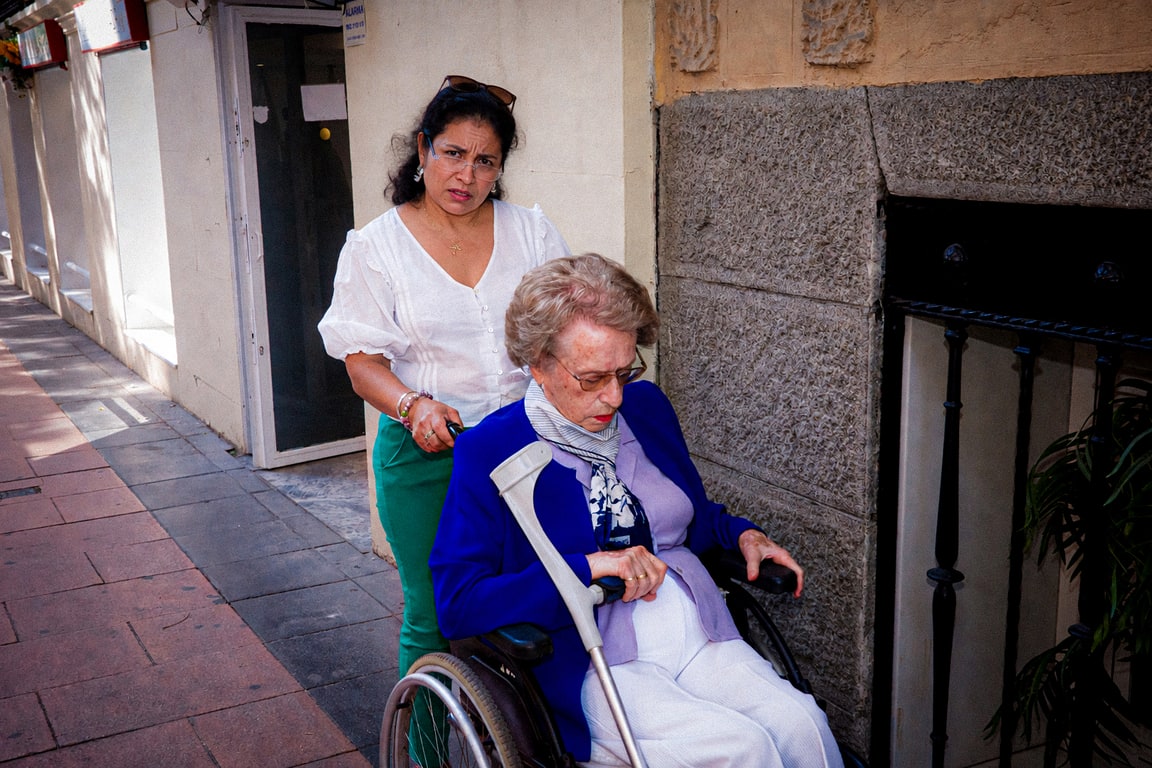
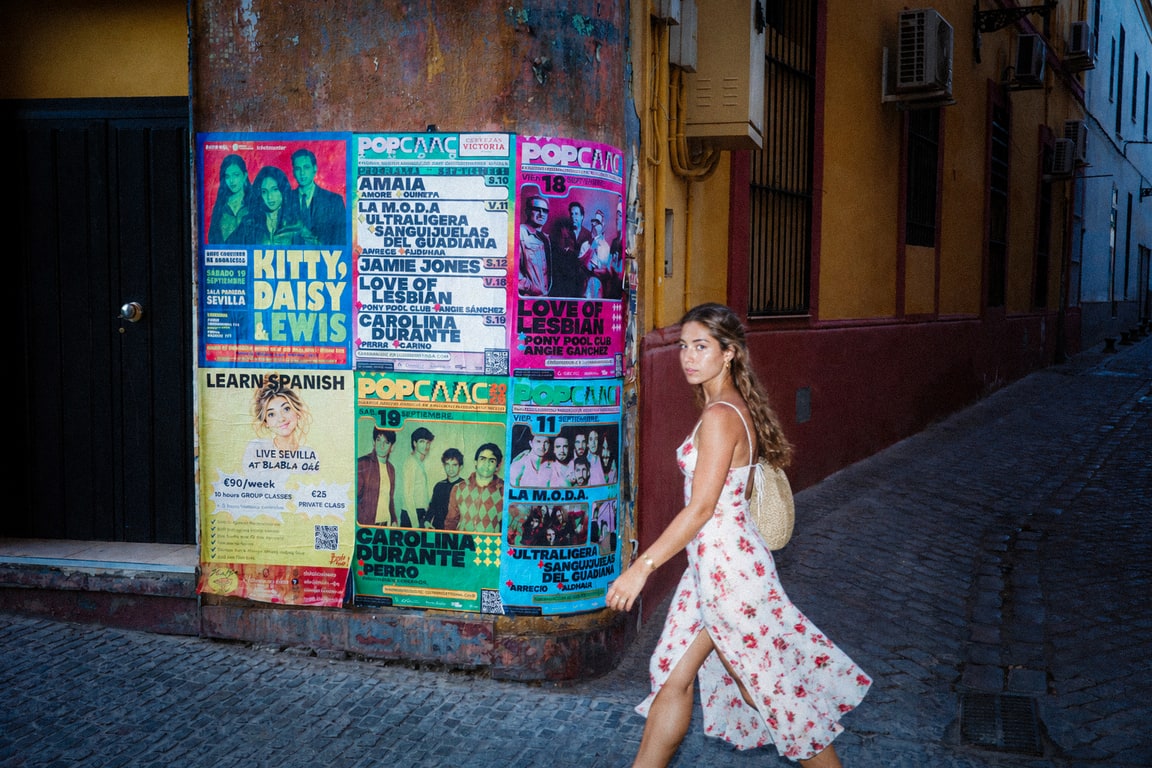
The difference went beyond transport or beautification. It affected where life happened. For many of us back home, the pattern is to move from one private indoor space to another, treating the city in between as something to get through. In the Spanish neighbourhoods we visited, the streets and squares were themselves places to spend time.
How Can There Possibly Be This Many Bars?
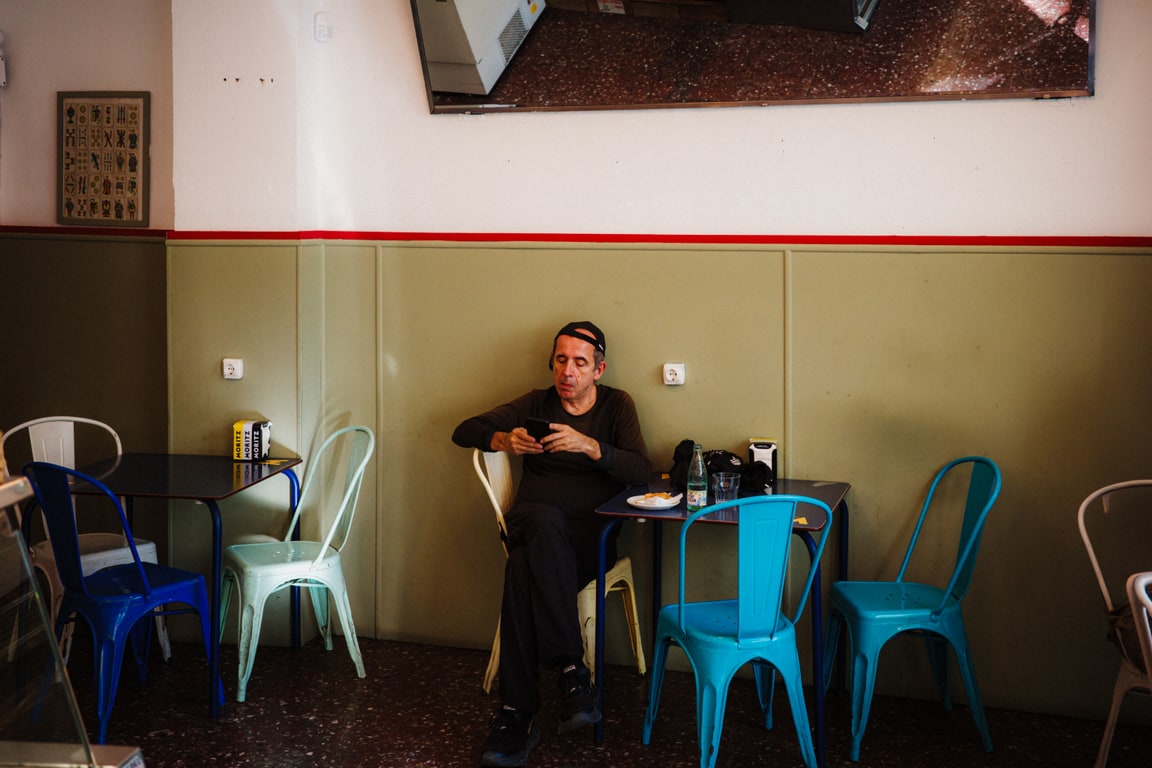
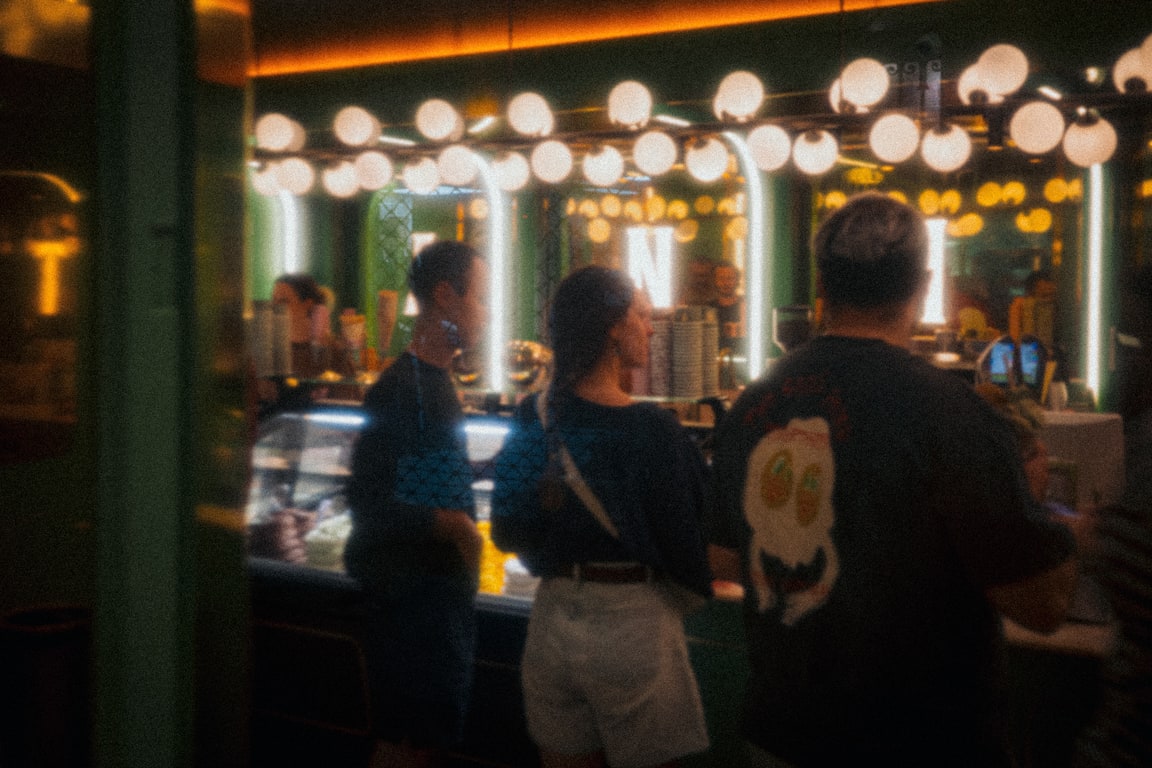
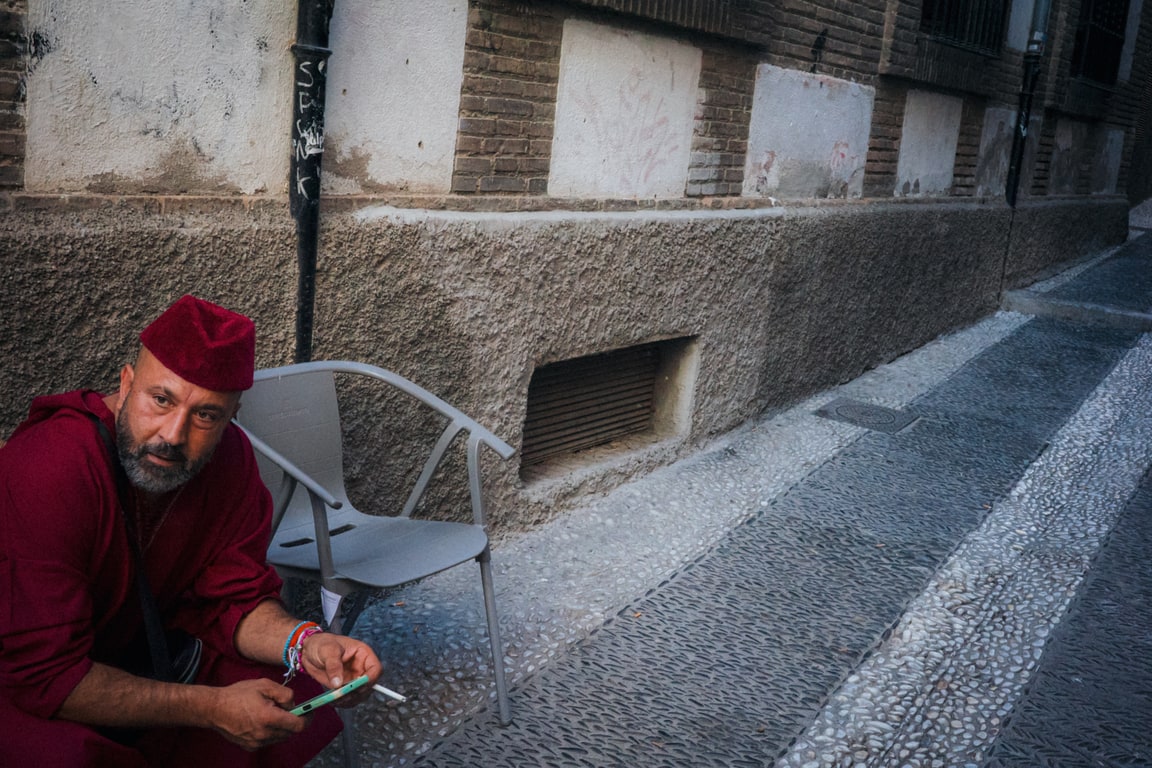
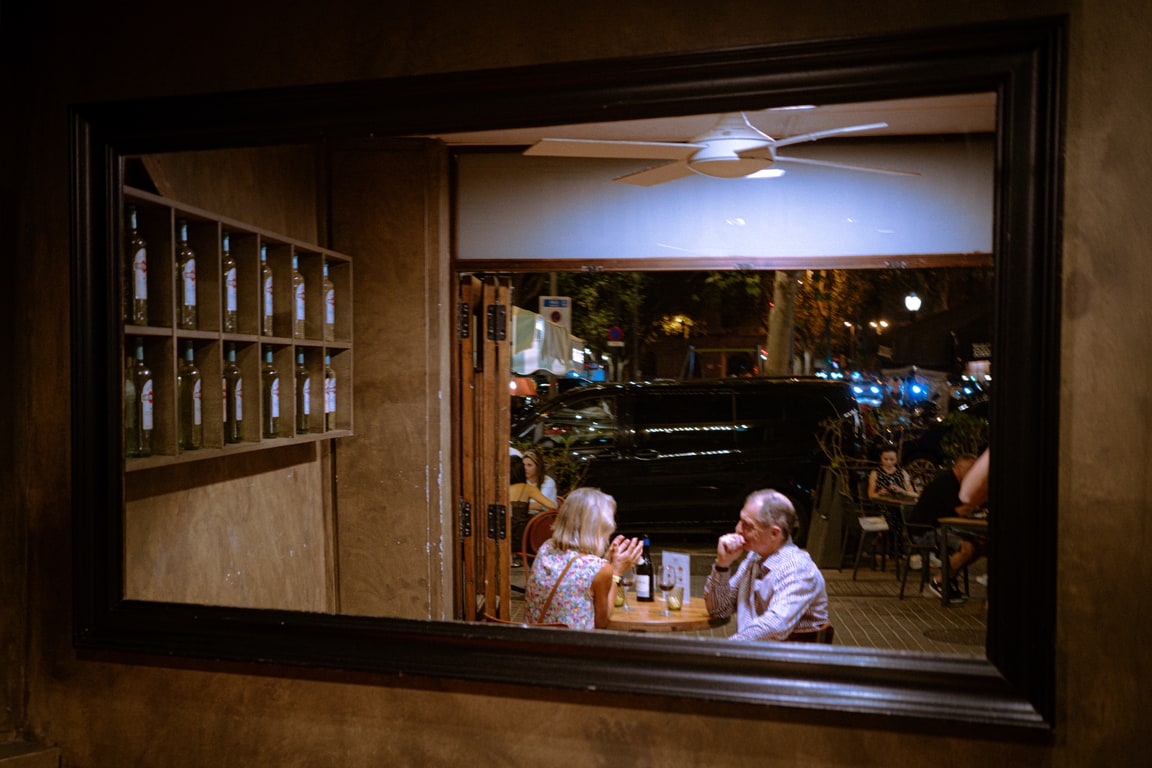
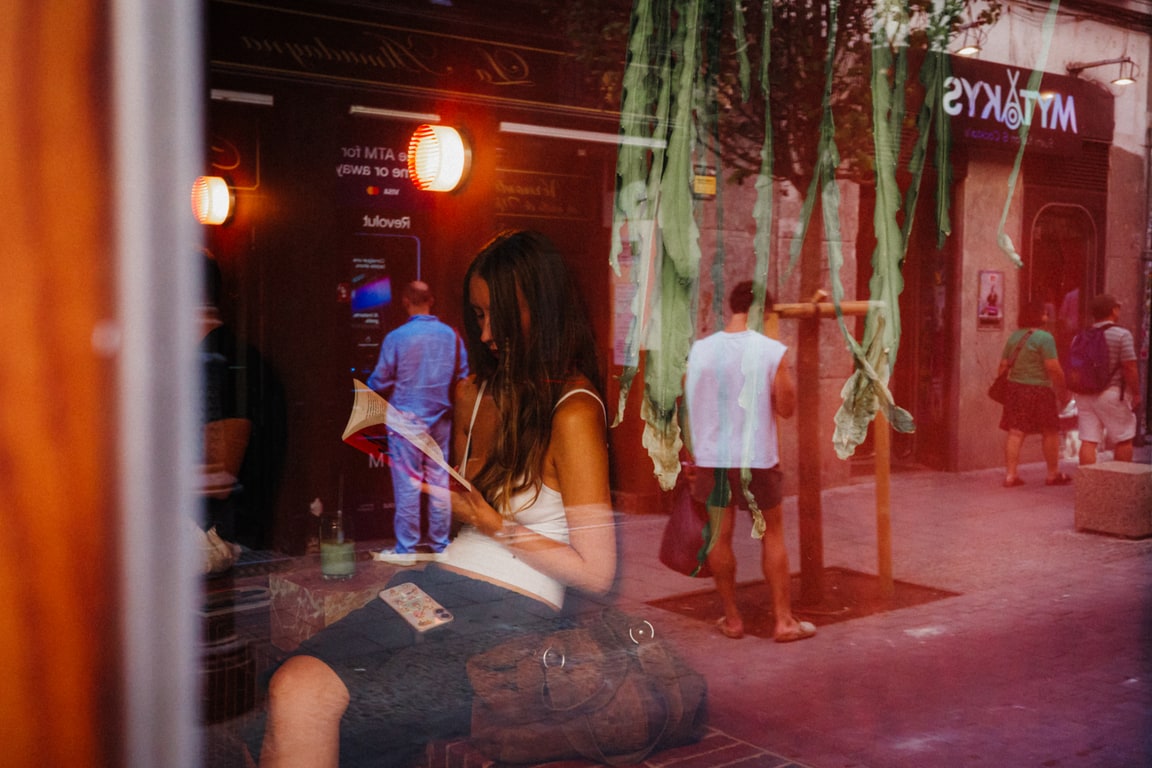
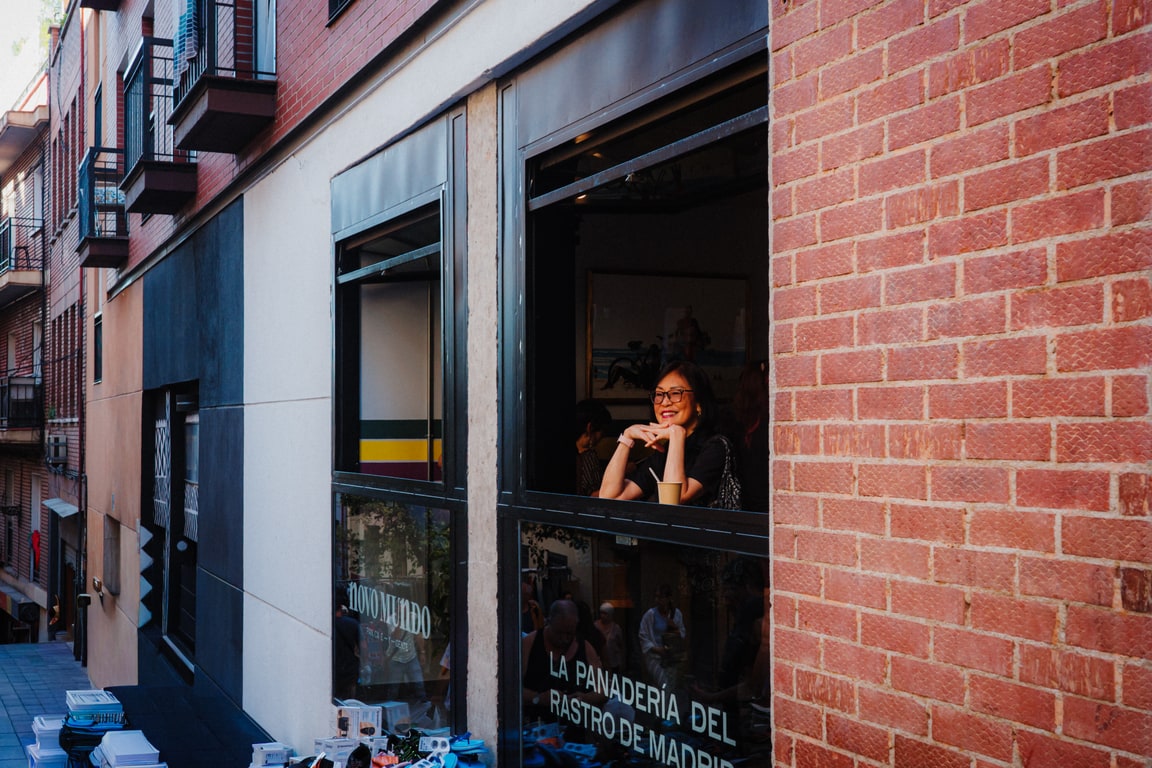
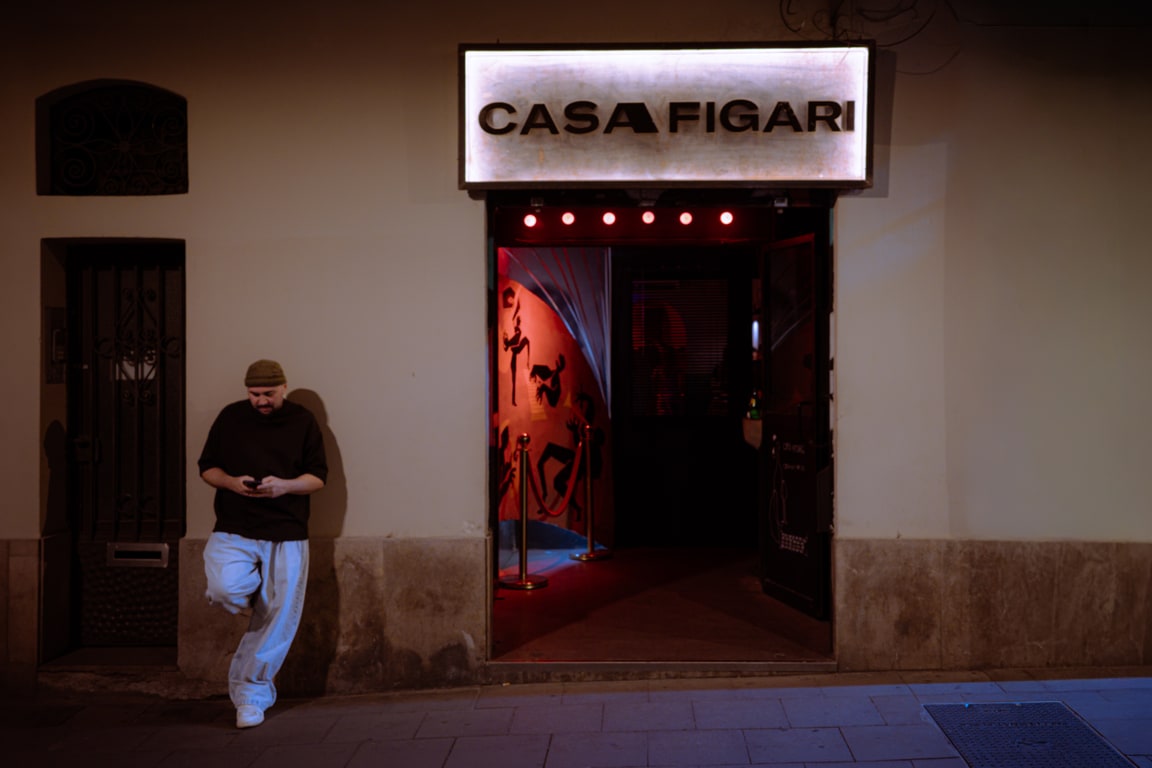
The neighbourhood bars fitted naturally into this way of spending time outside. Even so, their sheer number seemed almost excessive. Every city, town and neighbourhood we visited had tapas bars, bodegas, taverns and cafés, often with several more to choose from just a short walk away.
One explanation we heard was that people spend much more of their everyday lives eating and drinking outside the home. Someone might step out for coffee and breakfast, meet for an aperitivo or vermouth, have lunch out, and head out again for drinks and tapas later. These places could have customers at several different points in the same person’s day. What initially seemed like an improbable number of establishments began to make more sense.
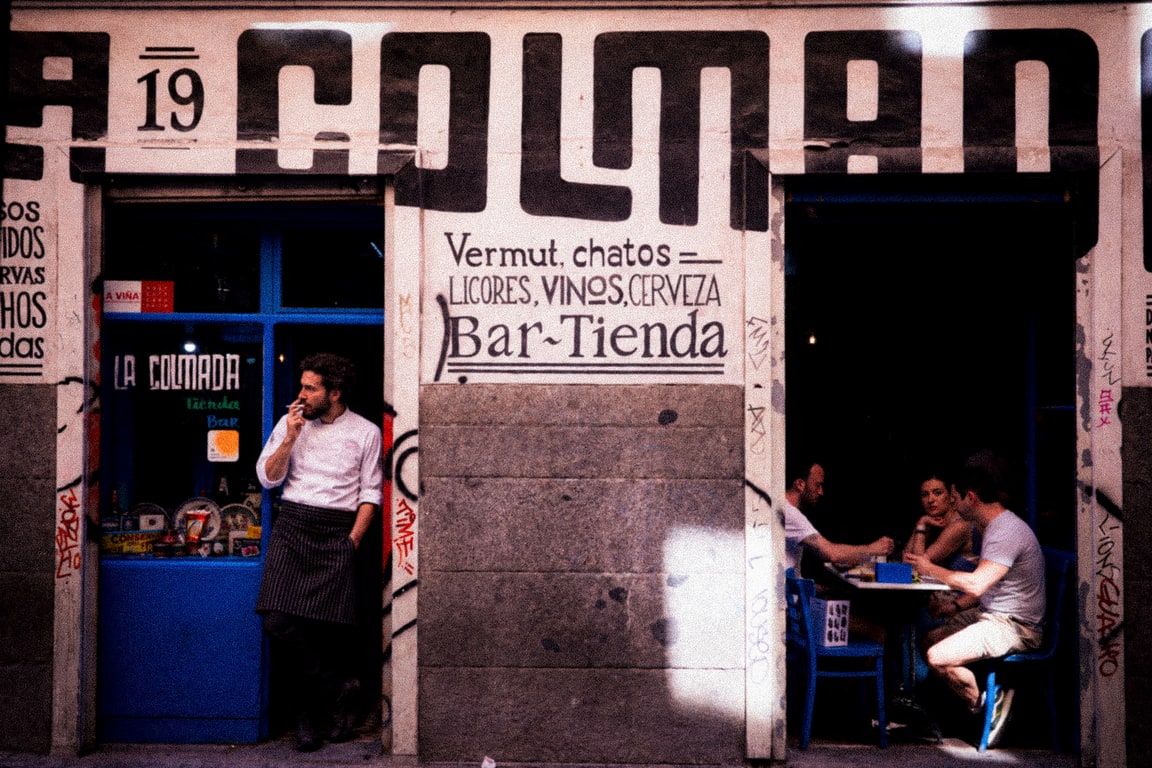
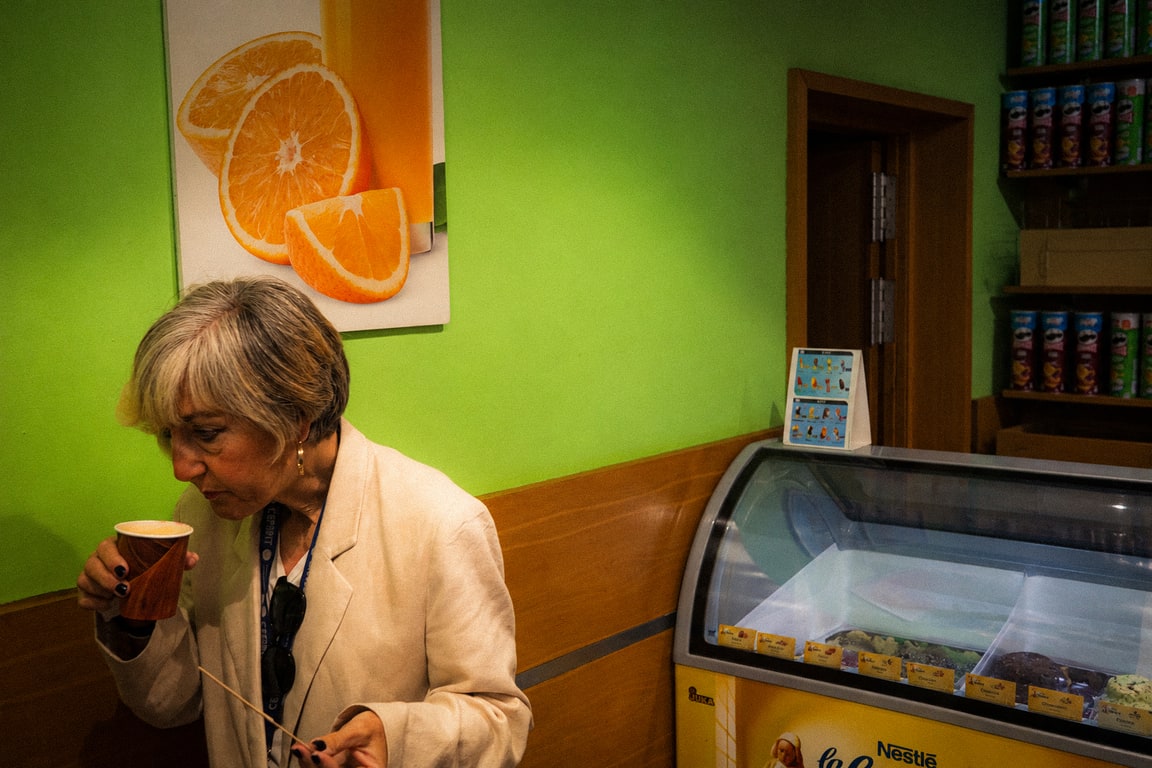
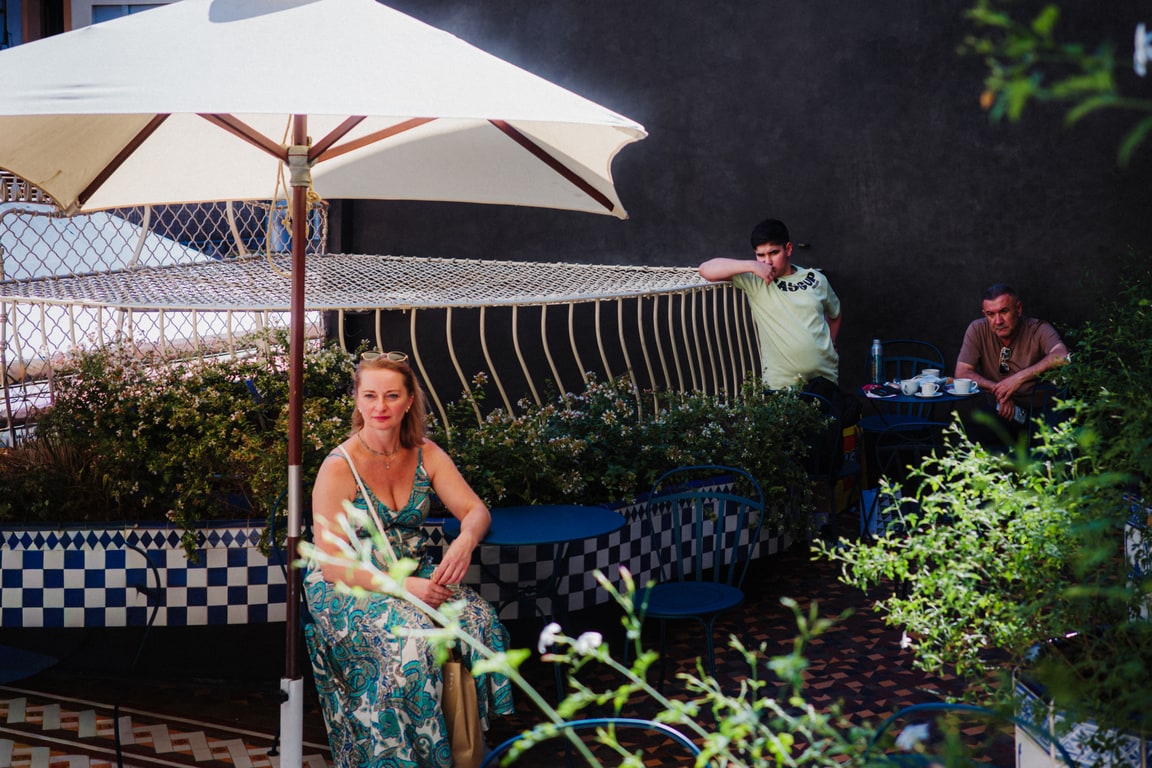
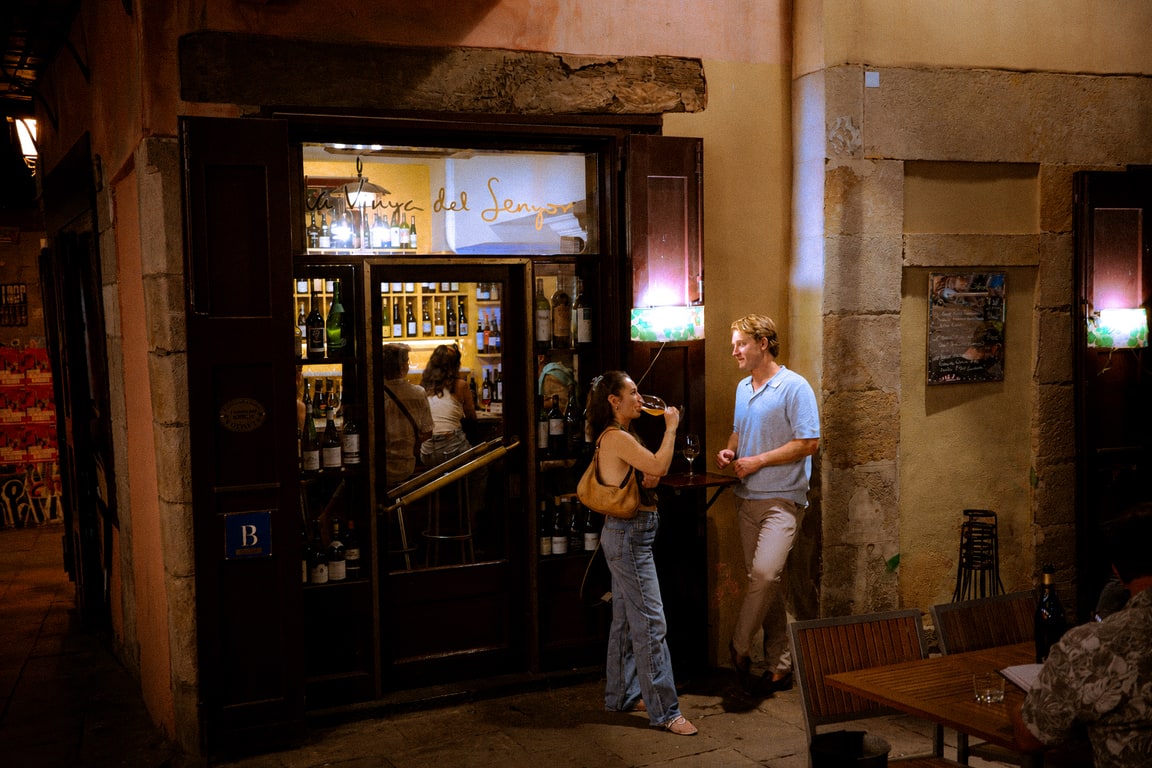
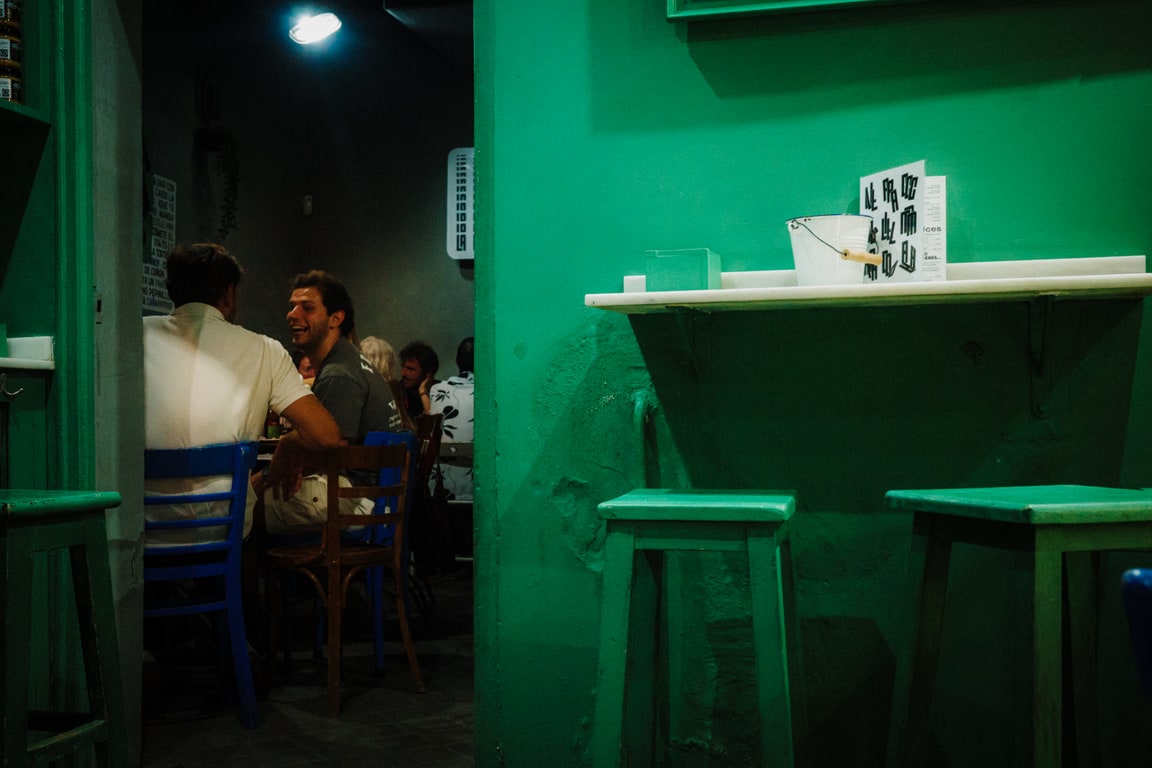
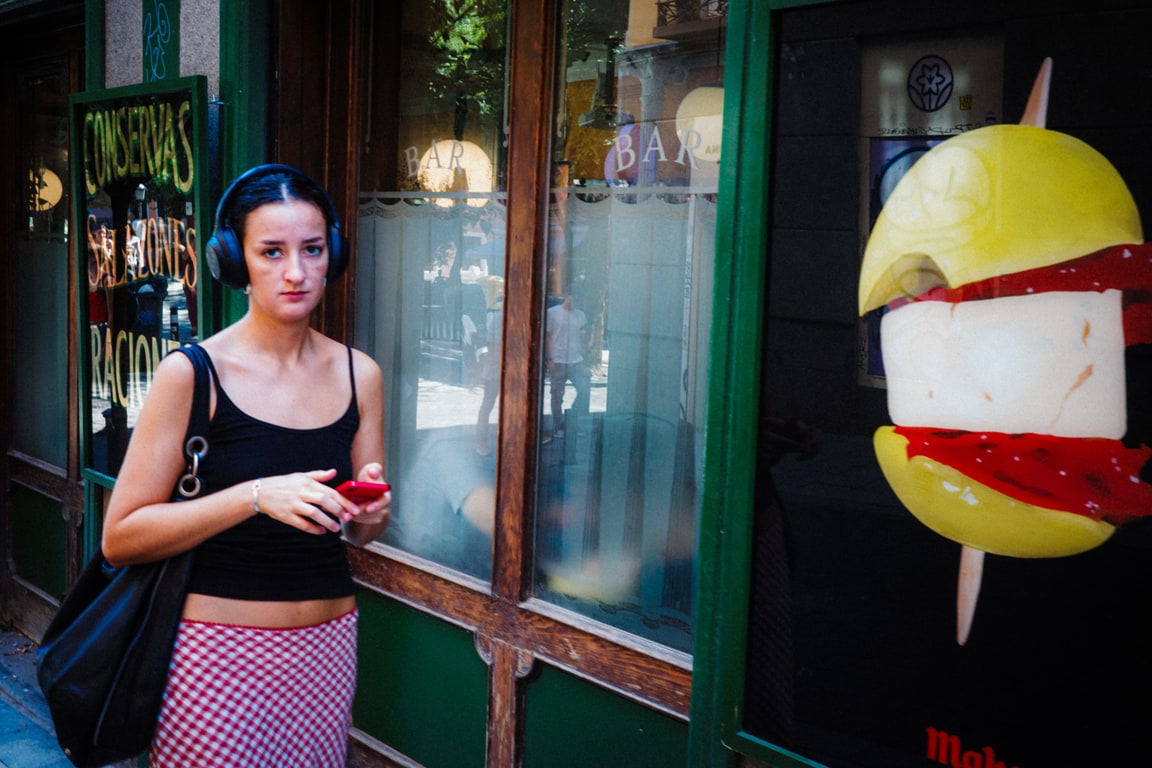
Inside, they were often wonderfully animated. People stood shoulder-to-shoulder at counters, conversations were loud, and plates kept appearing and disappearing. Even the speed, rhythm and expressiveness of Spanish being spoken seemed to amplify the energy. Some taverns had been around for centuries; elsewhere, we found tiny neighbourhood bars that looked untouched for decades, newer places built around particular ingredients, and whimsical or heavily themed bars. Having so many close together hadn’t stopped them from having their own personalities.
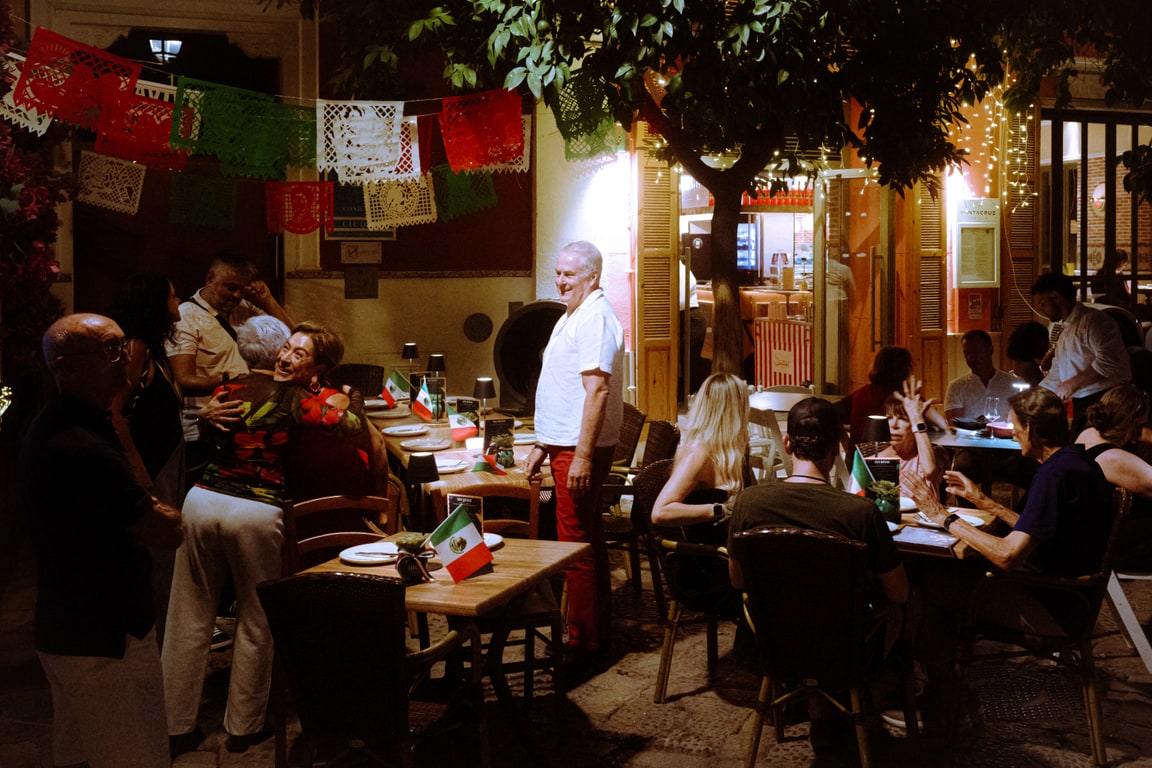
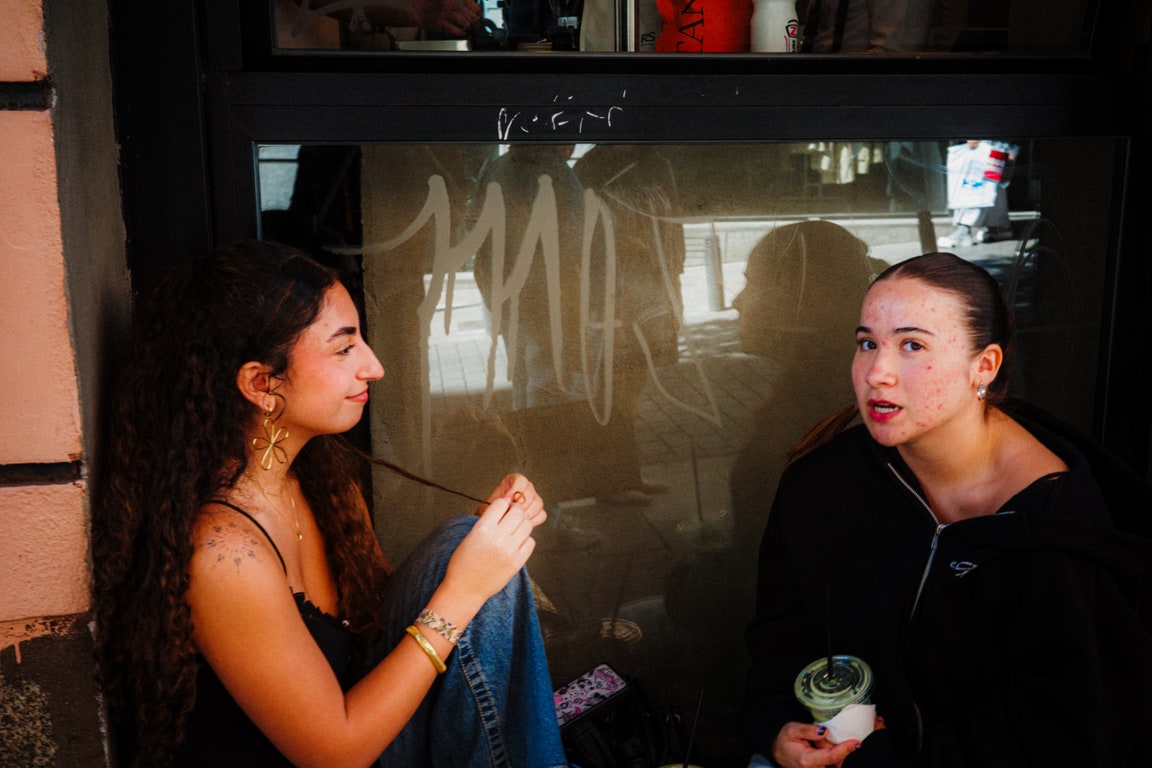
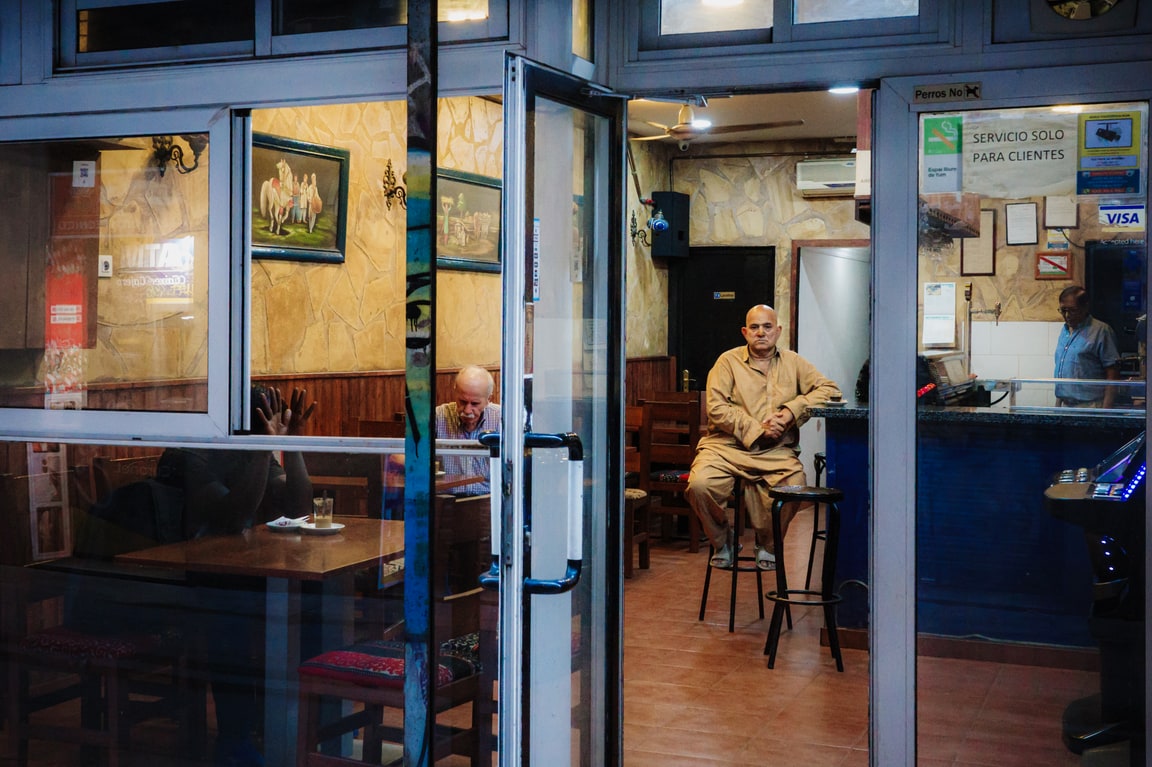
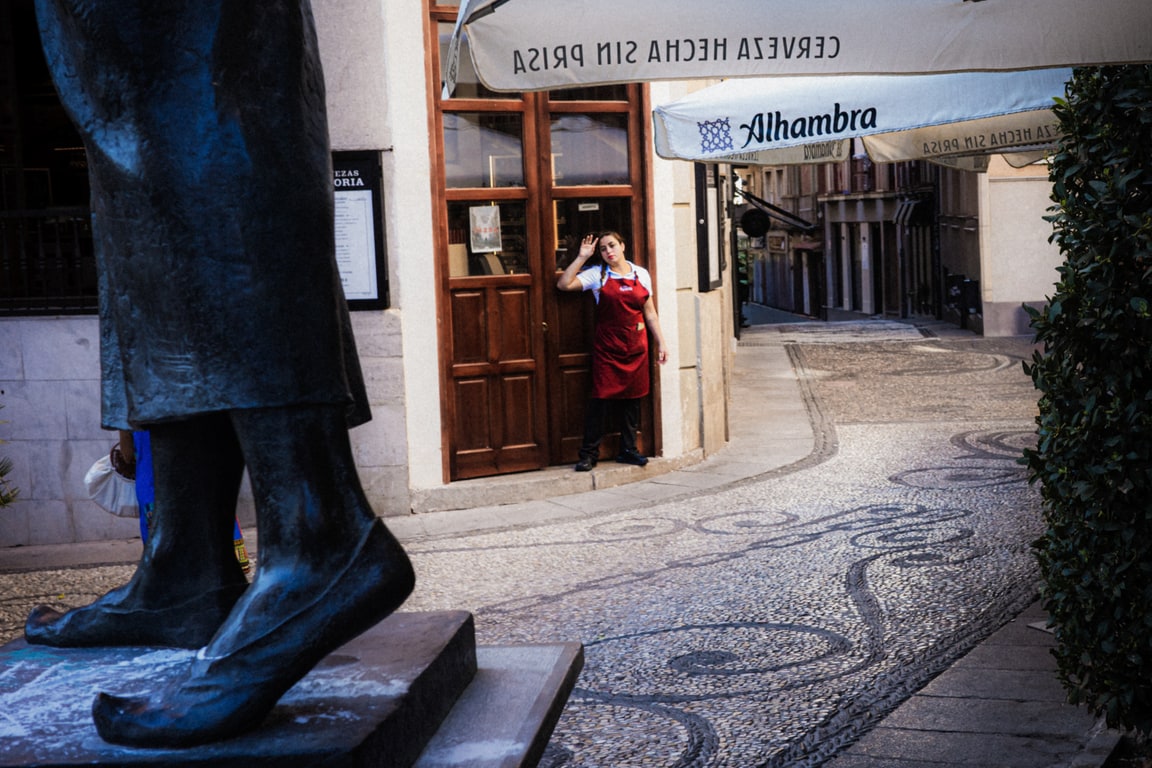
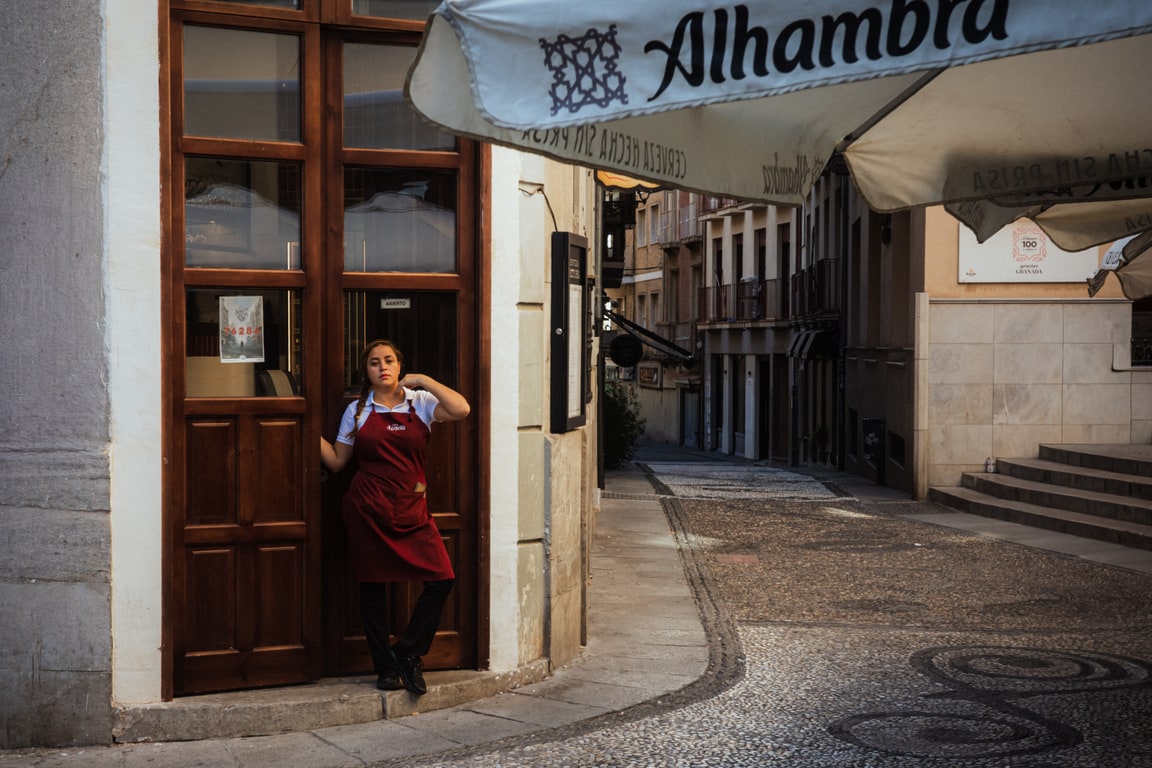
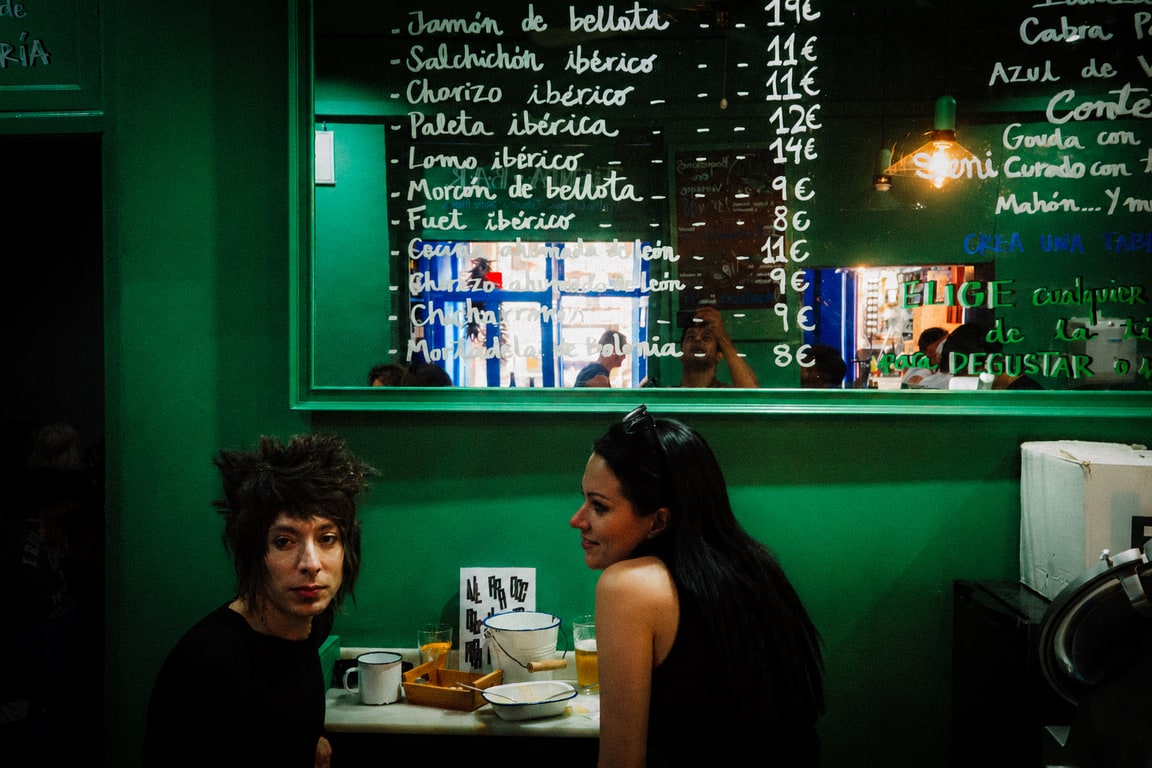
What I liked most was how little you had to decide beforehand. Tapas are small portions of food served with drinks, and it was quite normal to have one drink and a tapa before moving somewhere else. You could walk in, order whatever looked interesting, and decide twenty minutes later whether to stay. Choosing somewhere to eat didn’t have to mean committing the evening to it. Tapas felt less like a particular kind of food than a way of eating and spending time together.
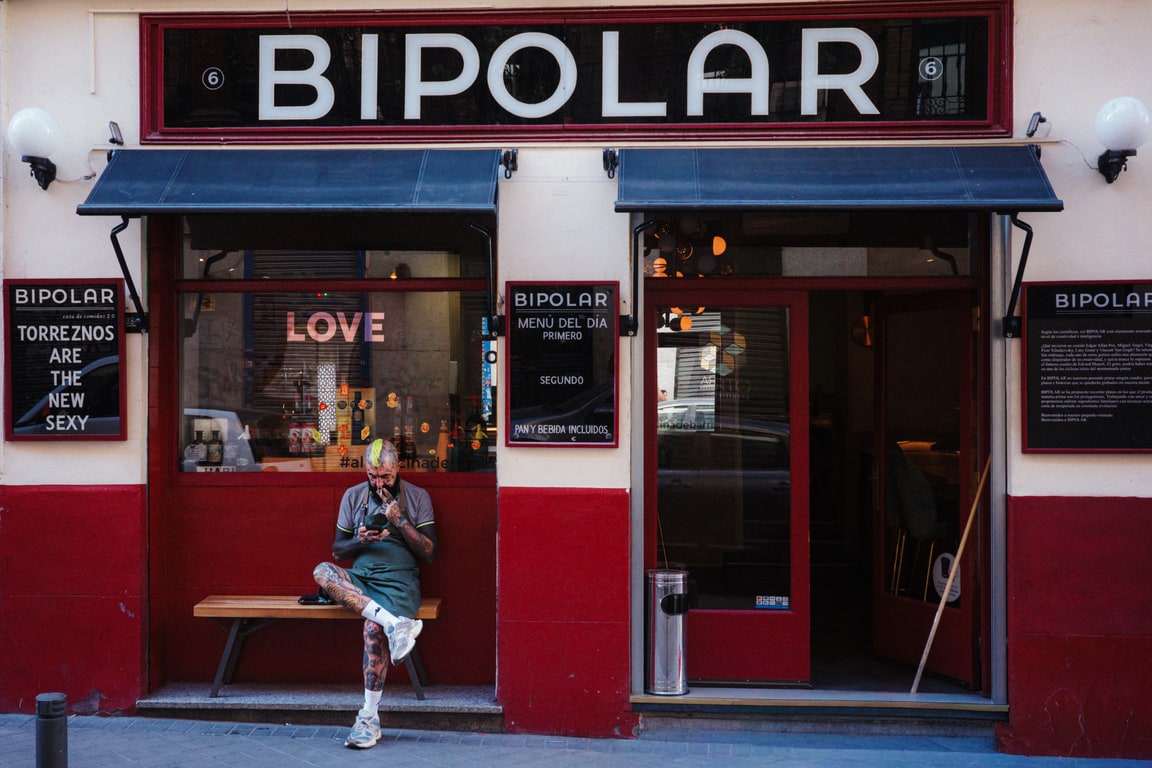
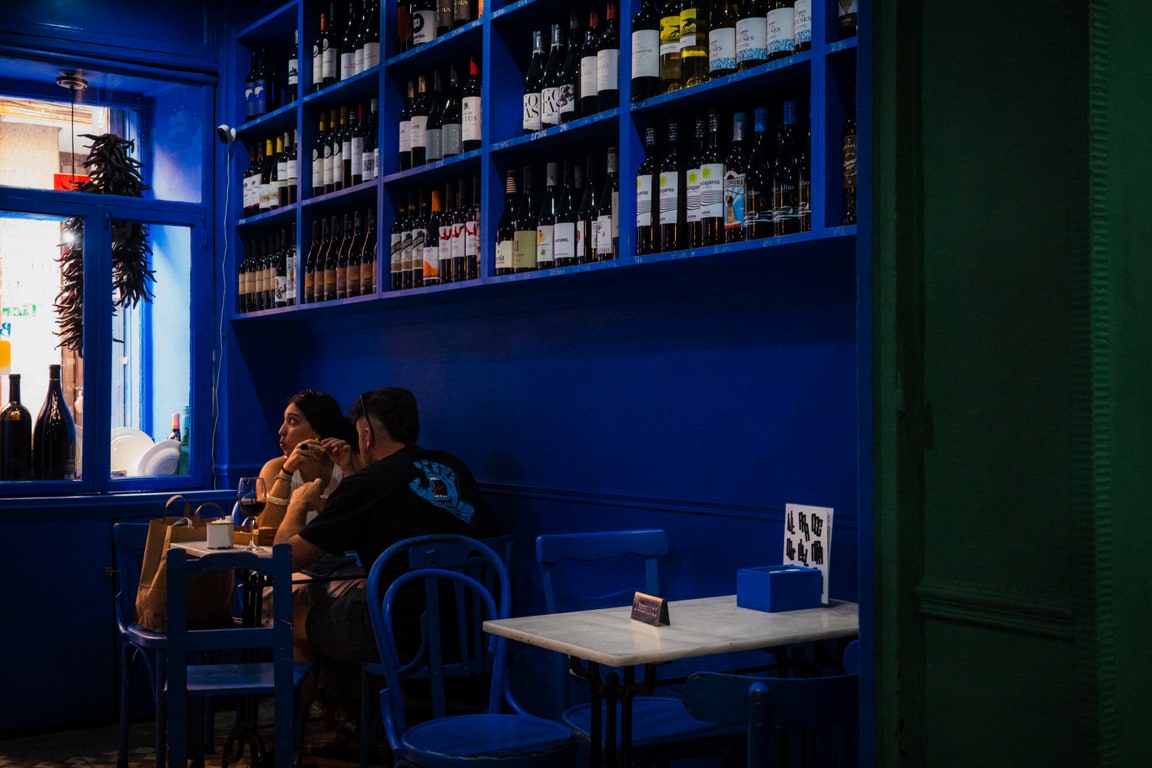
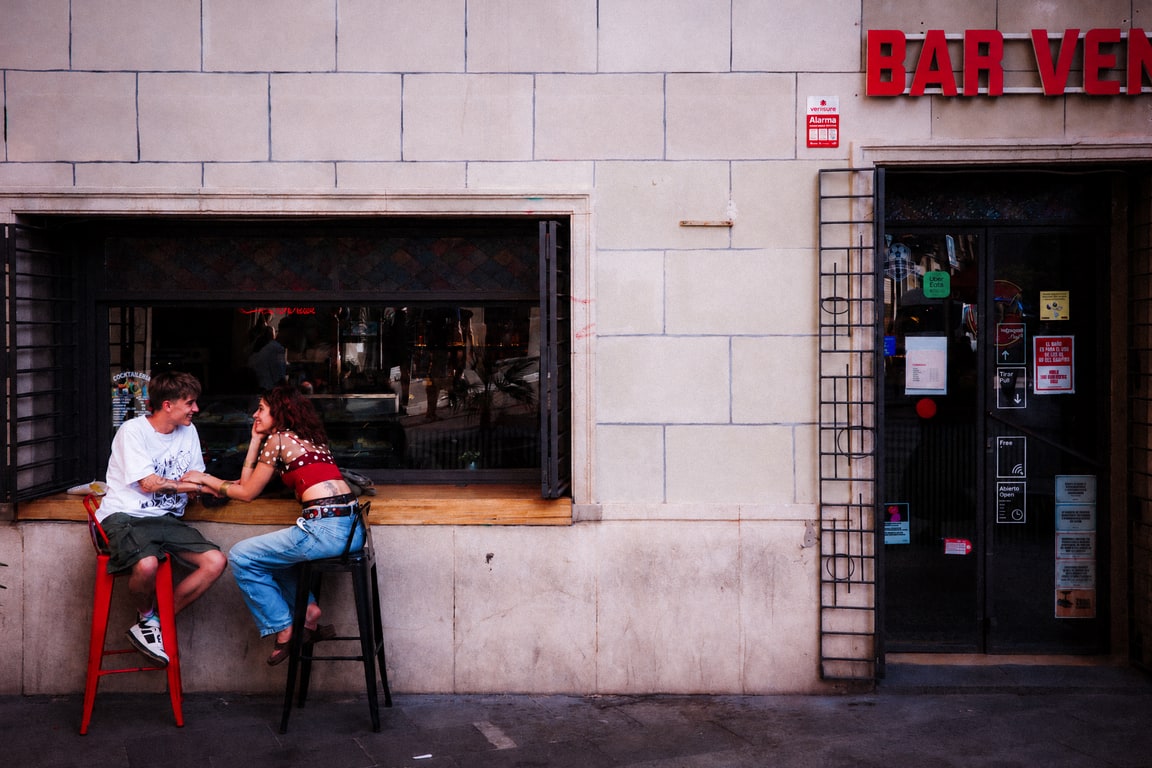
Spain was also my first proper introduction to vermouth. I had mostly known it as something that went into cocktails. Drinking it on its own initially reminded me of mulled wine, which made more sense once I learnt that it is wine infused with herbs and spices. I particularly liked the richer red versions: aromatic, sweet and slightly bitter, especially before the melting ice diluted them too much. It was something to sip slowly with a few small plates, without turning the stop into a proper drinking session. I ended up having it every day, usually more than once.
There were plenty of other things I grew fond of: anchovies in vinegar (boquerones en vinagre), oxtail stew (rabo de toro), chickpeas with spinach (espinacas con garbanzos), patatas bravas, and simple ham, cheese and tomato sandwiches. Also toasted bread, meat paella, Victoria beer, tinto de verano, red wine mixed with fizzy lemonade, and some very good peaches.
But vermouth was the discovery that followed us home. Divya had become just as enthusiastic about it as I had. We brought two bottles back to India and opened one the very day we returned, with ice and a slice of orange.
The Customer Isn’t King
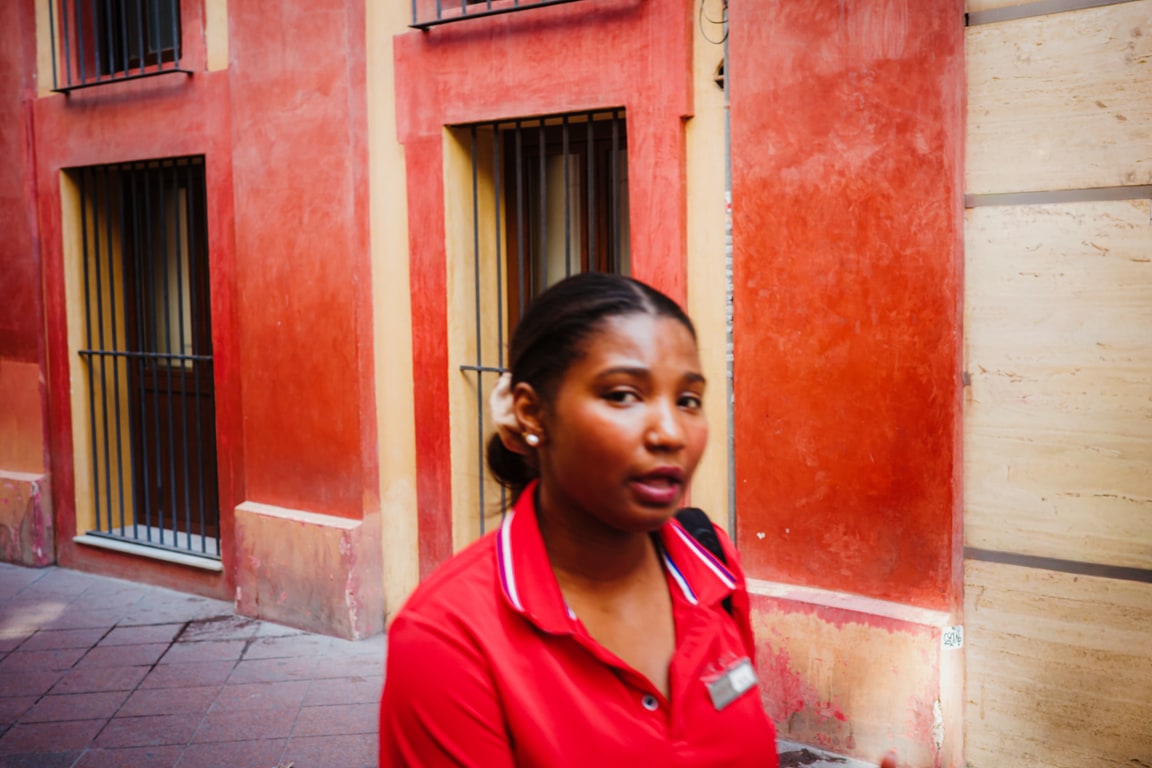
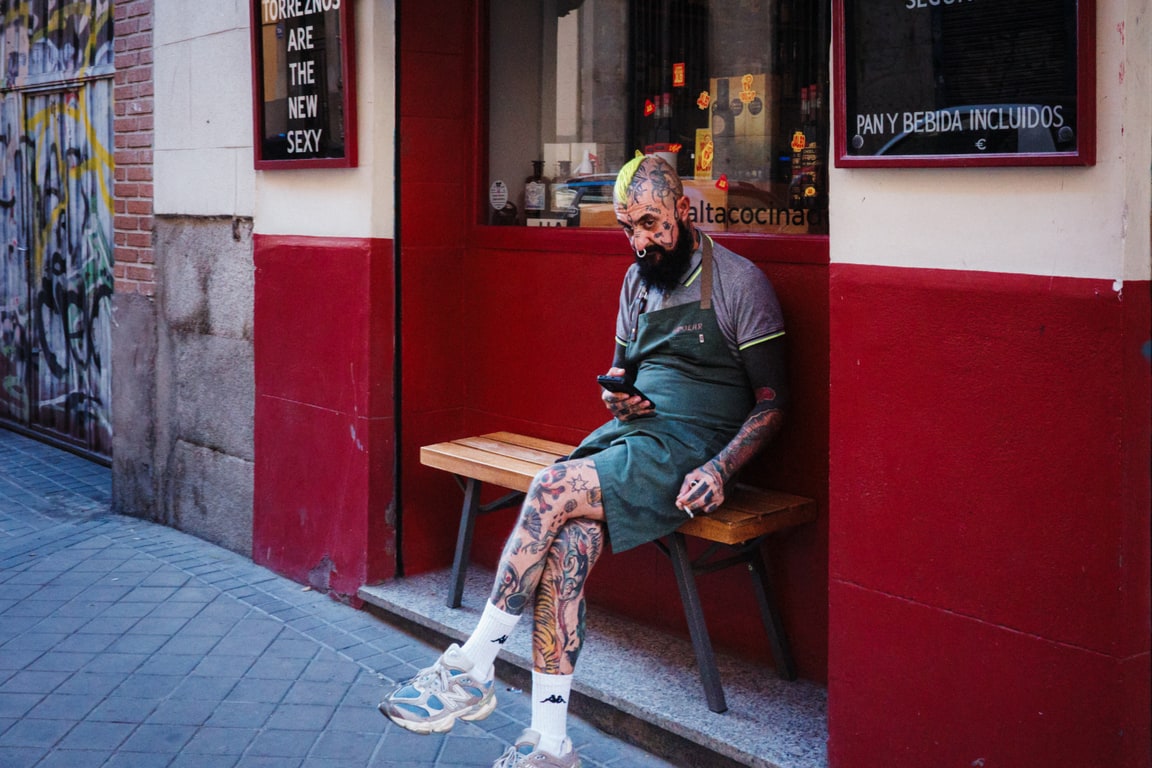
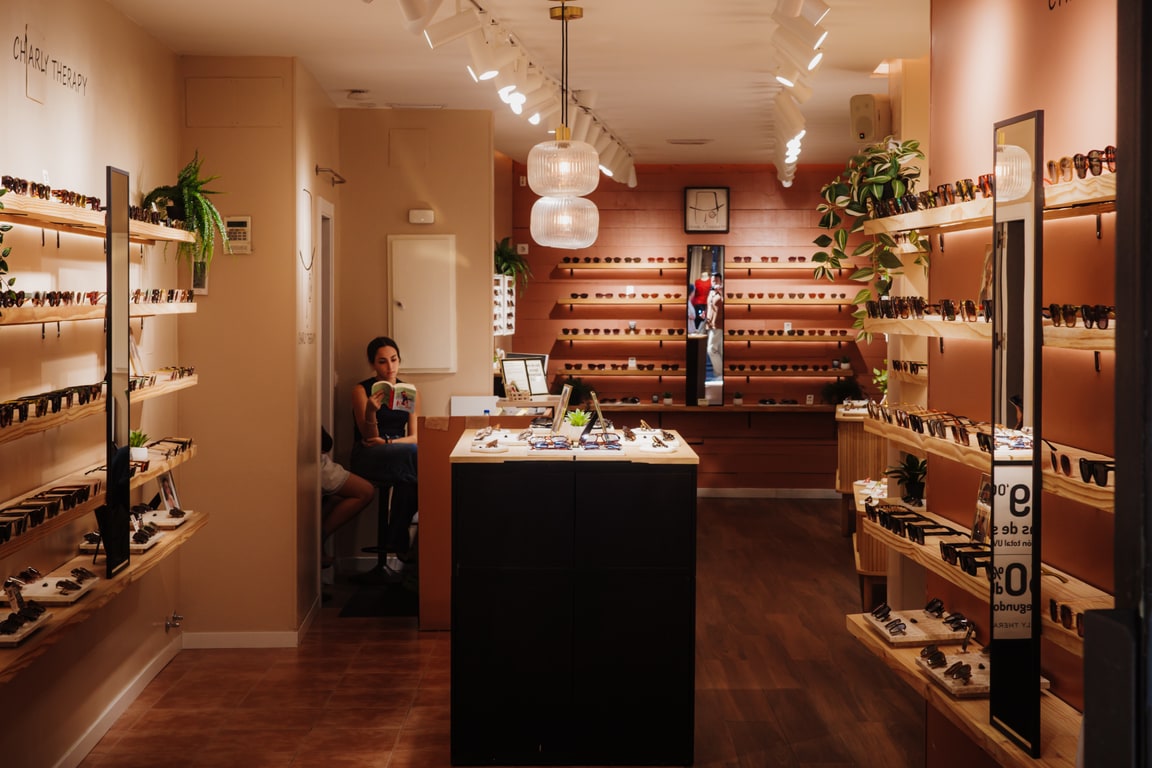
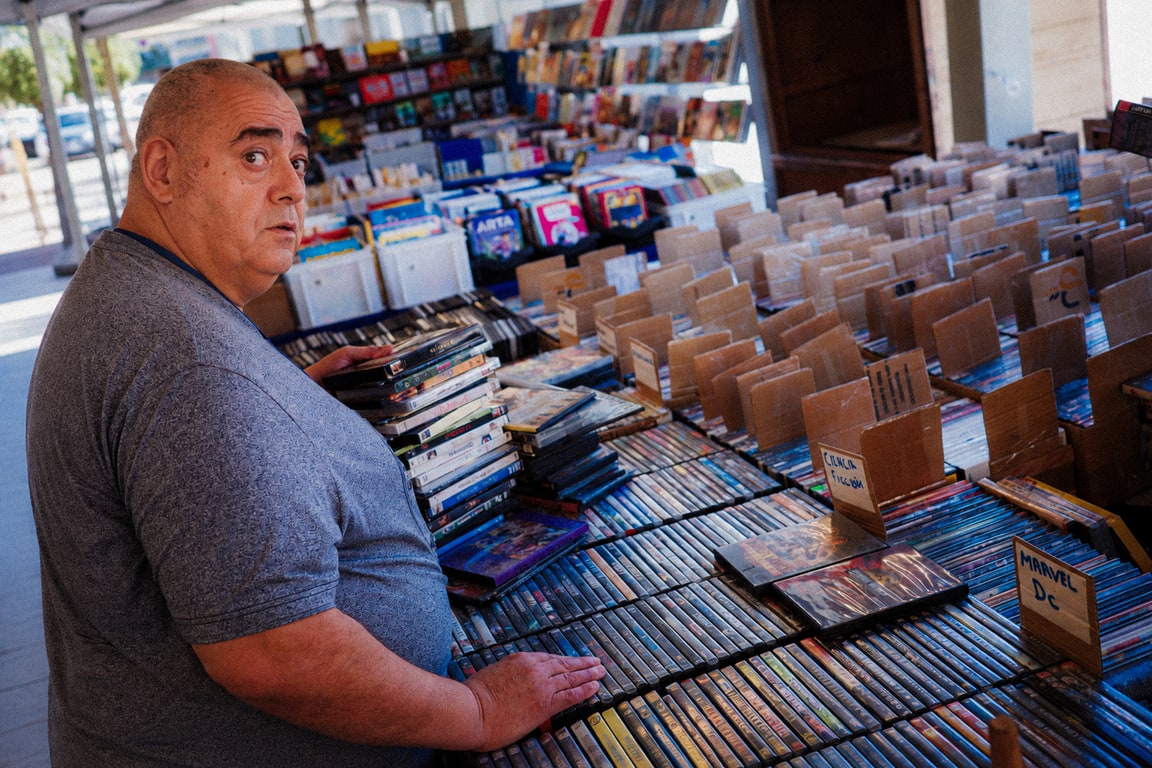
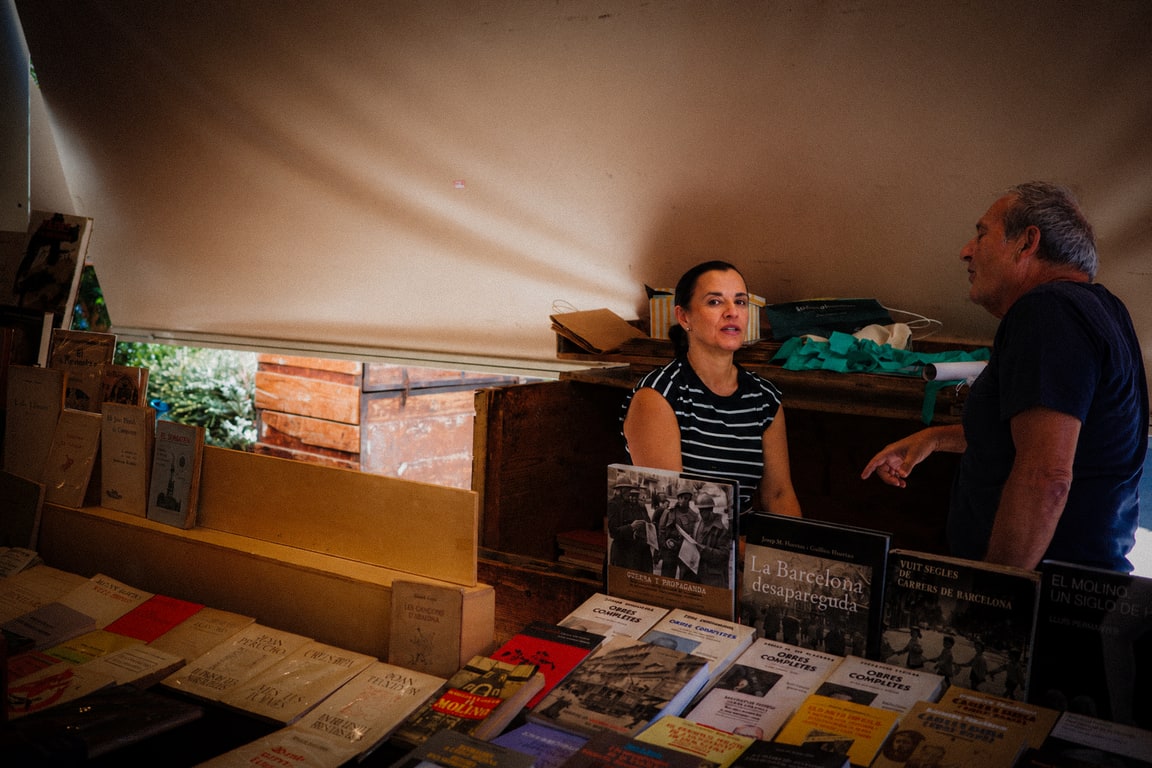
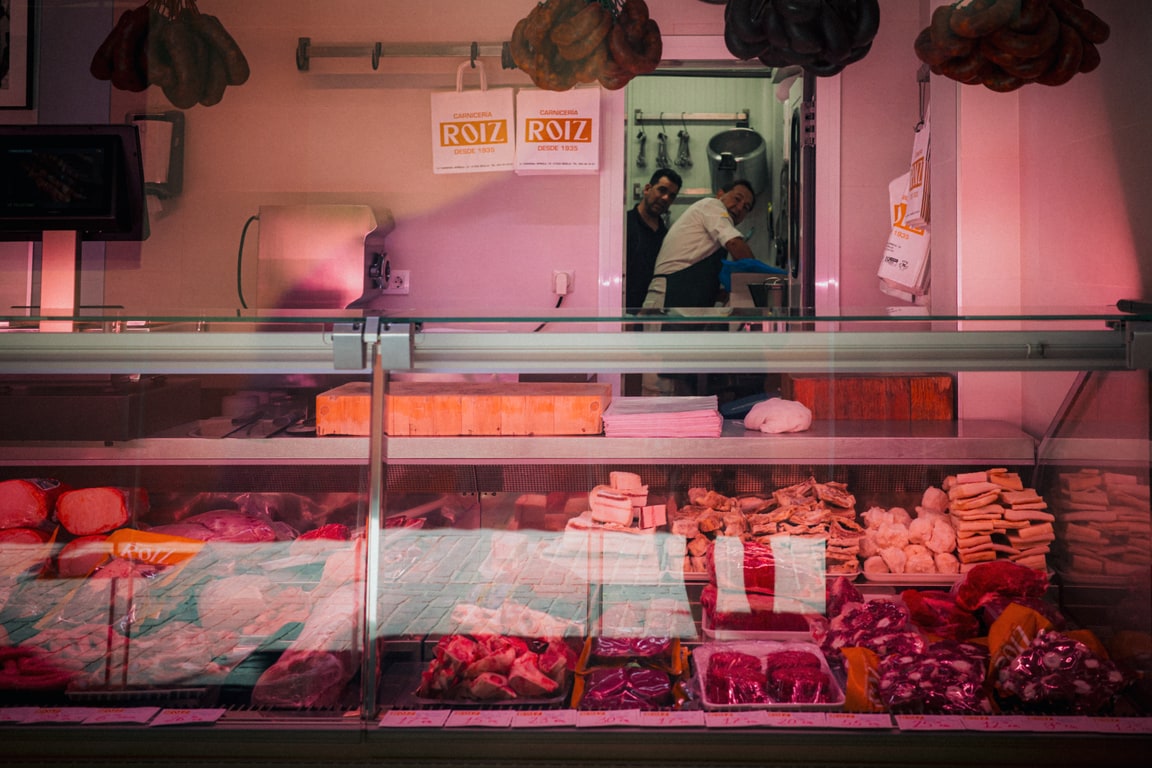
After a while in Spain, I found myself wanting to be fitter, dress better and generally take better care of myself. The people we encountered seemed to make an effort with their appearance. They were generally well dressed, well groomed and reasonably fit, and we saw surprisingly few people who looked very overweight or in poor health. Being surrounded by that began to make doing less feel conspicuous. This wasn’t confined to wealthy people or fashionable neighbourhoods. Taxi drivers, bartenders, waiters and shopkeepers often seemed better dressed and groomed than the average person back home.
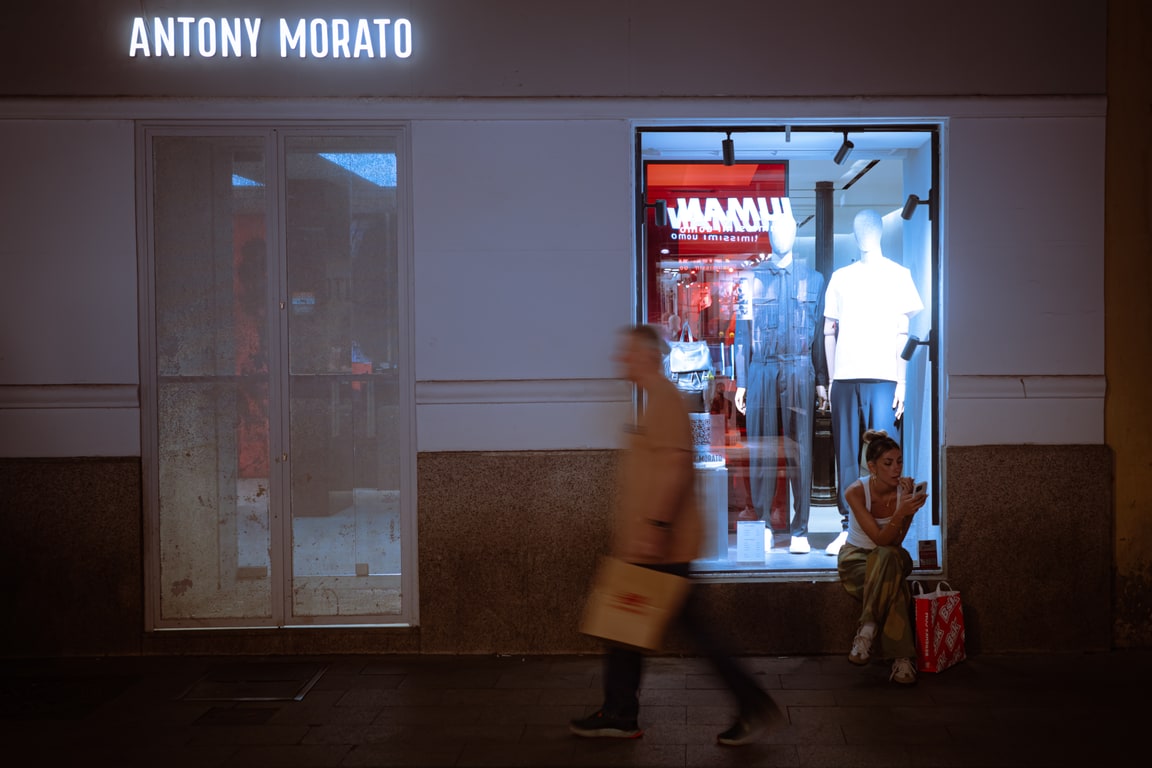
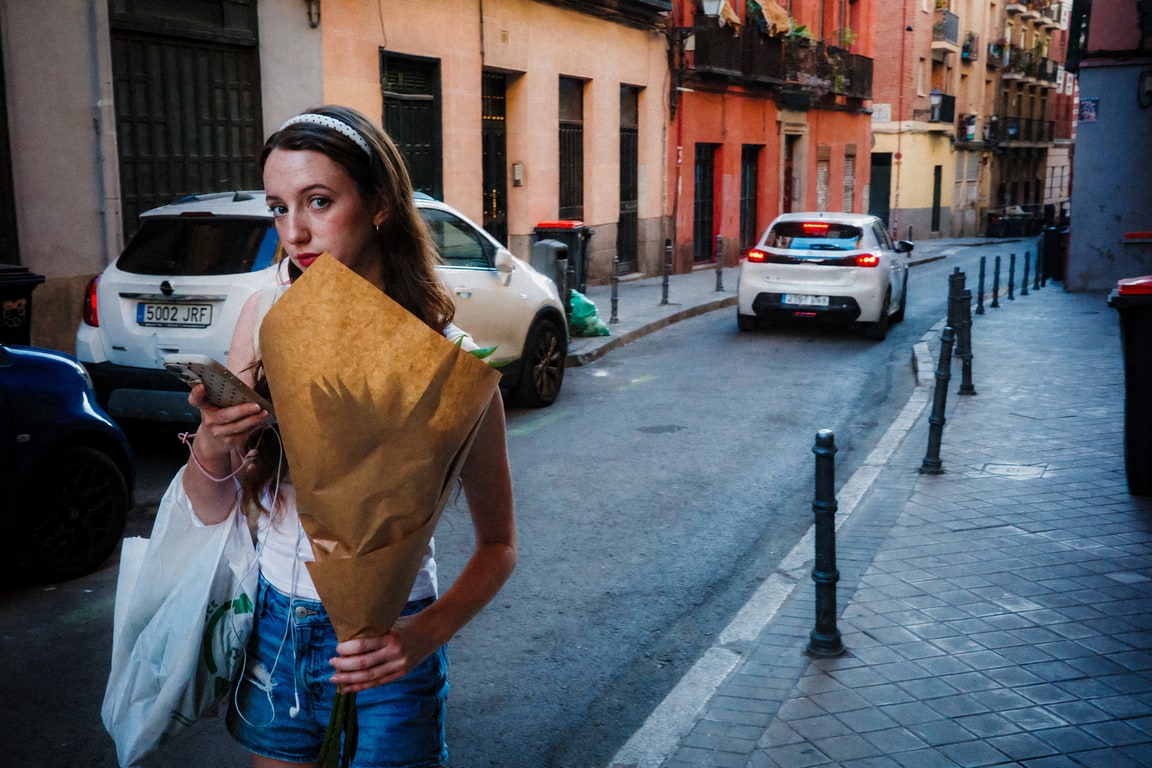
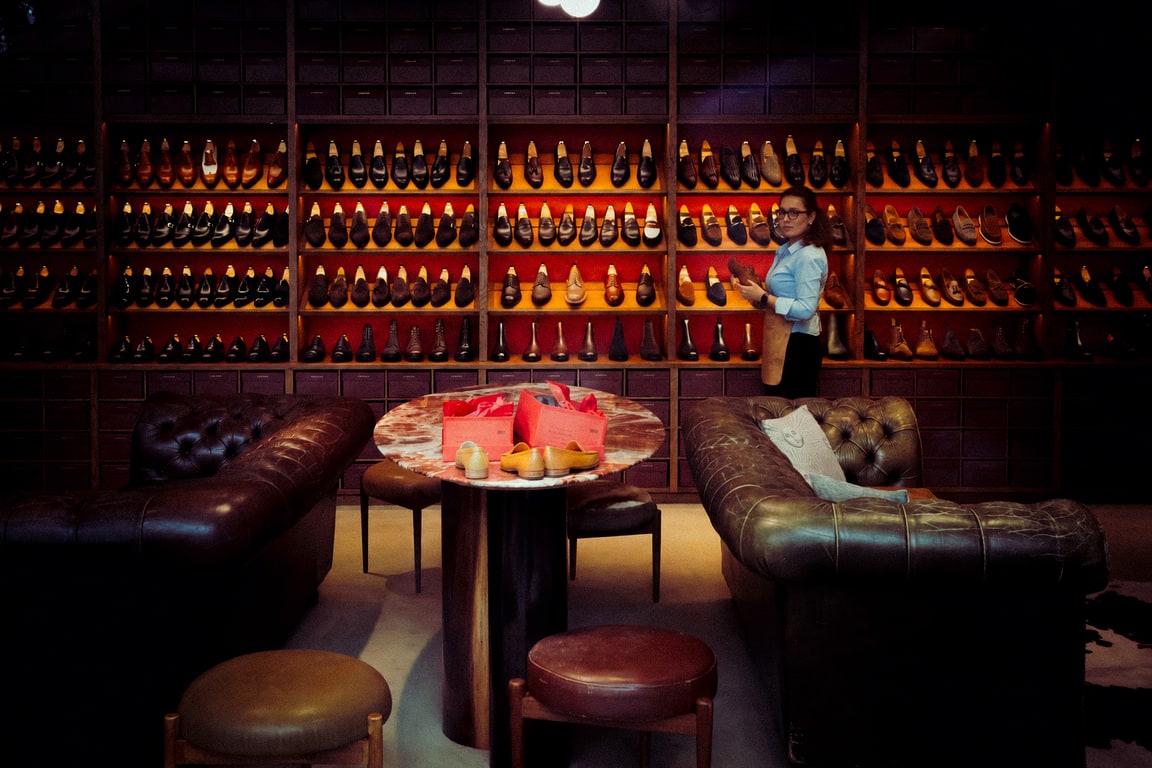
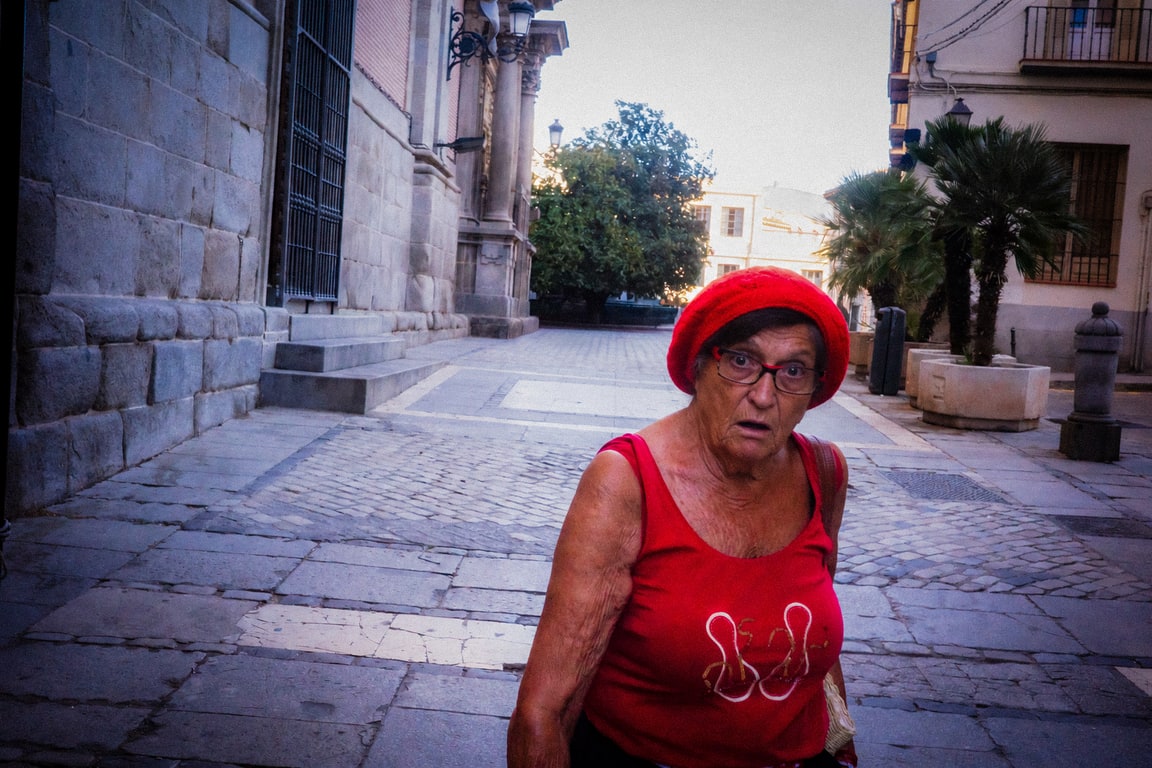
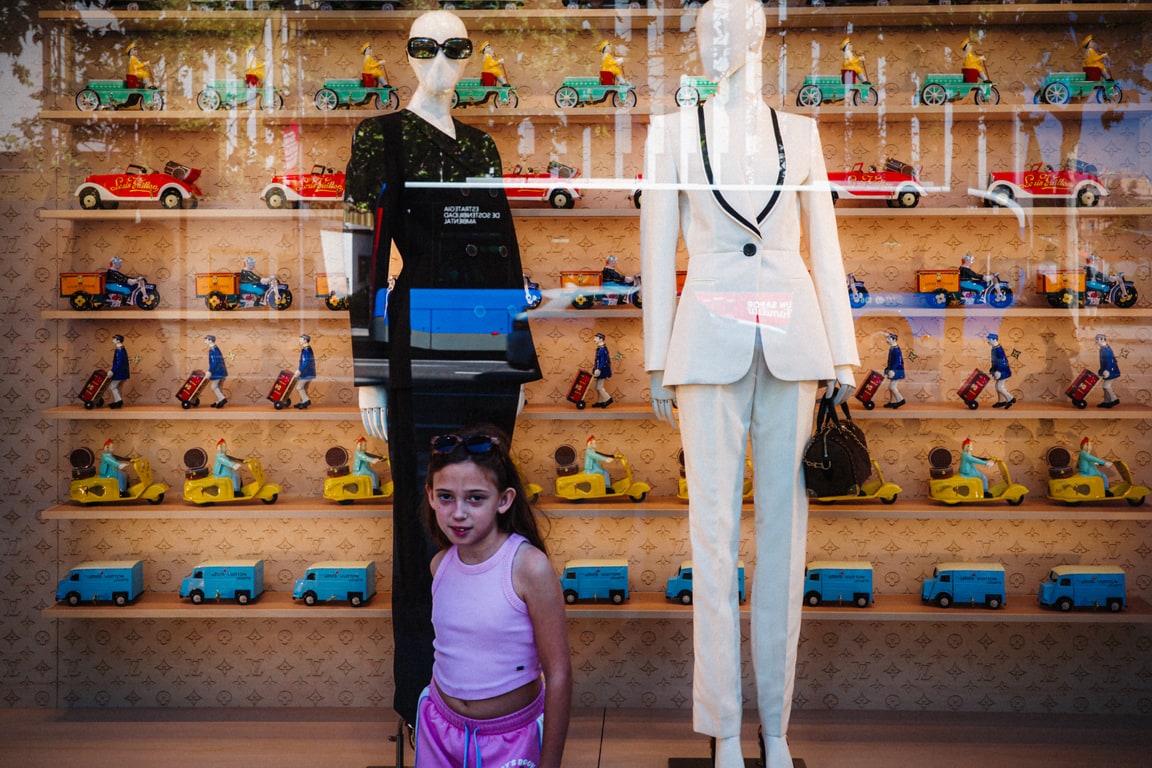
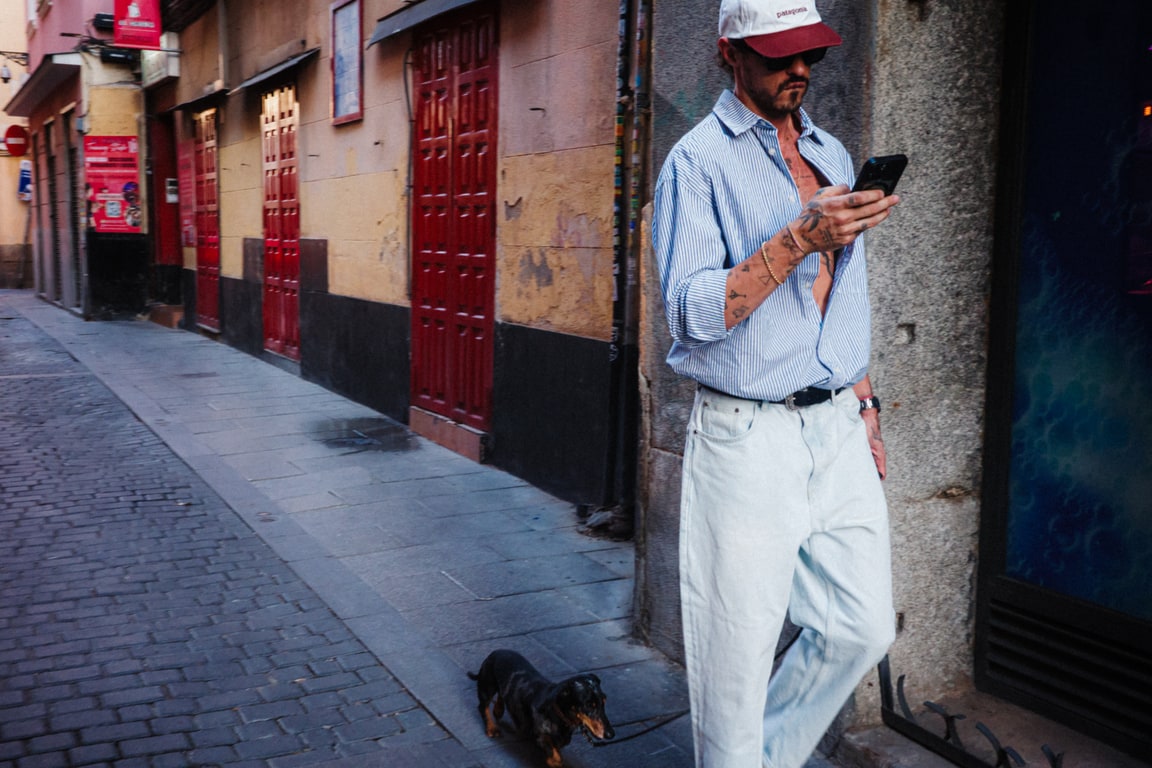
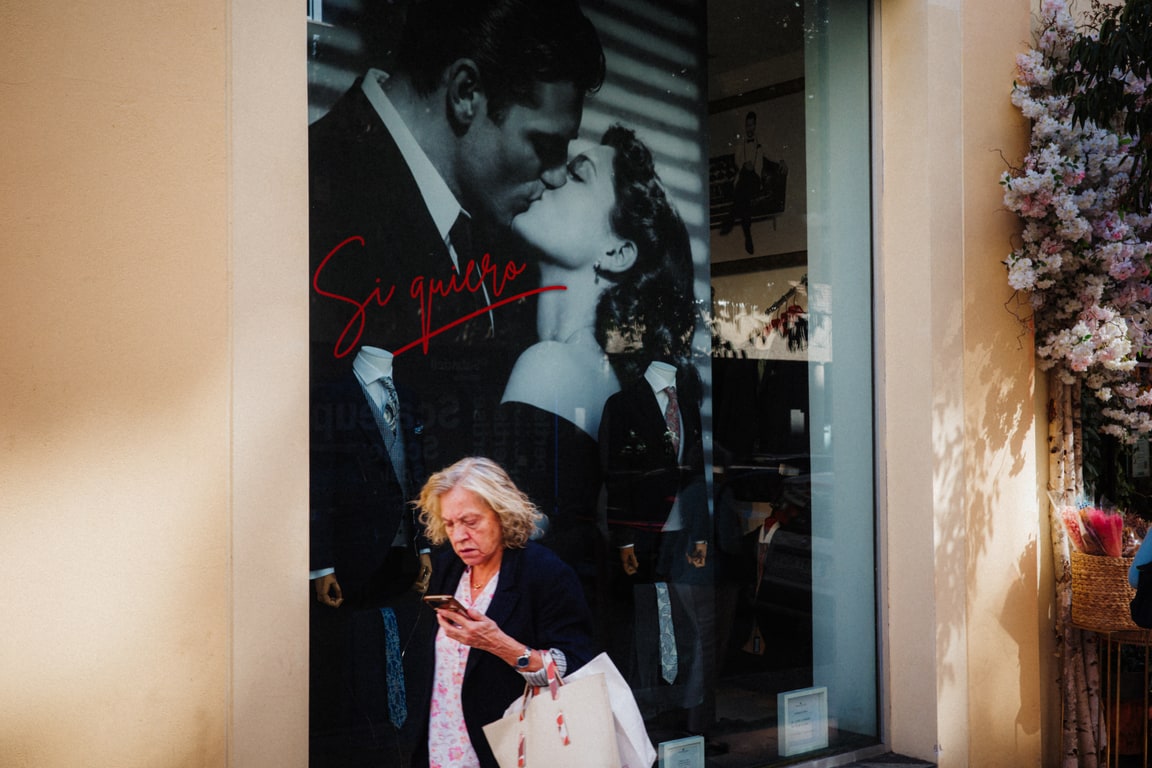
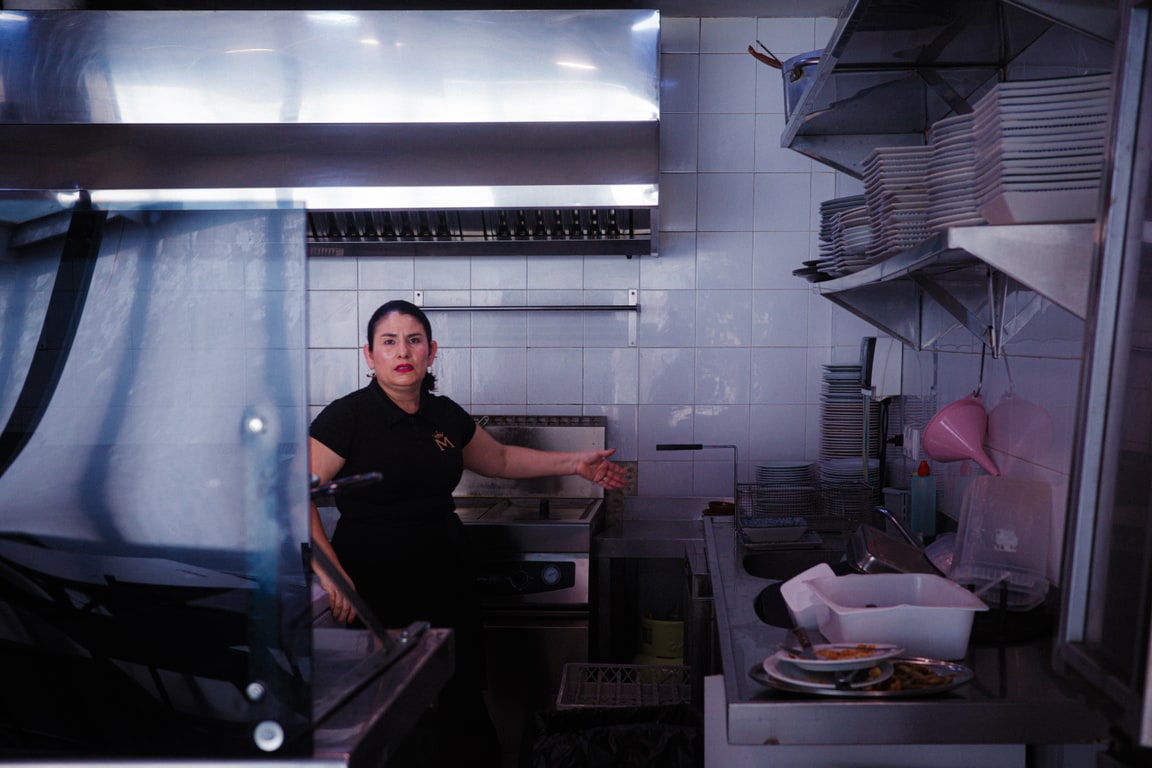
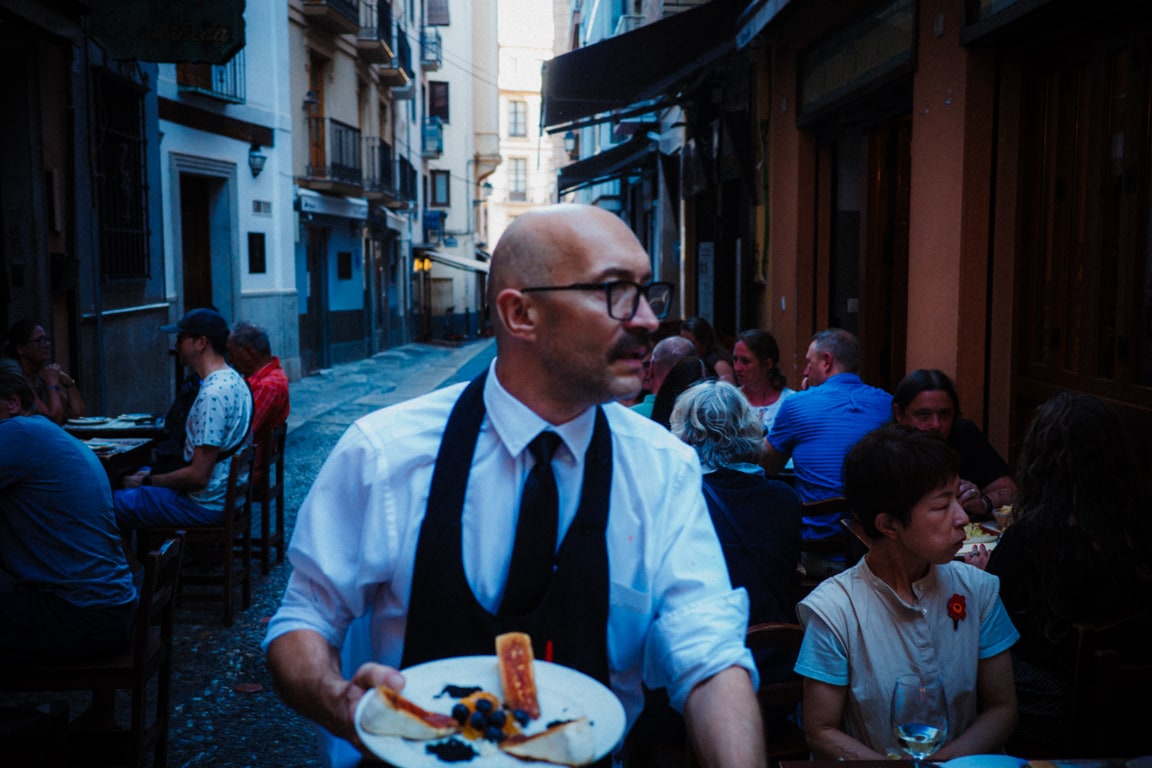
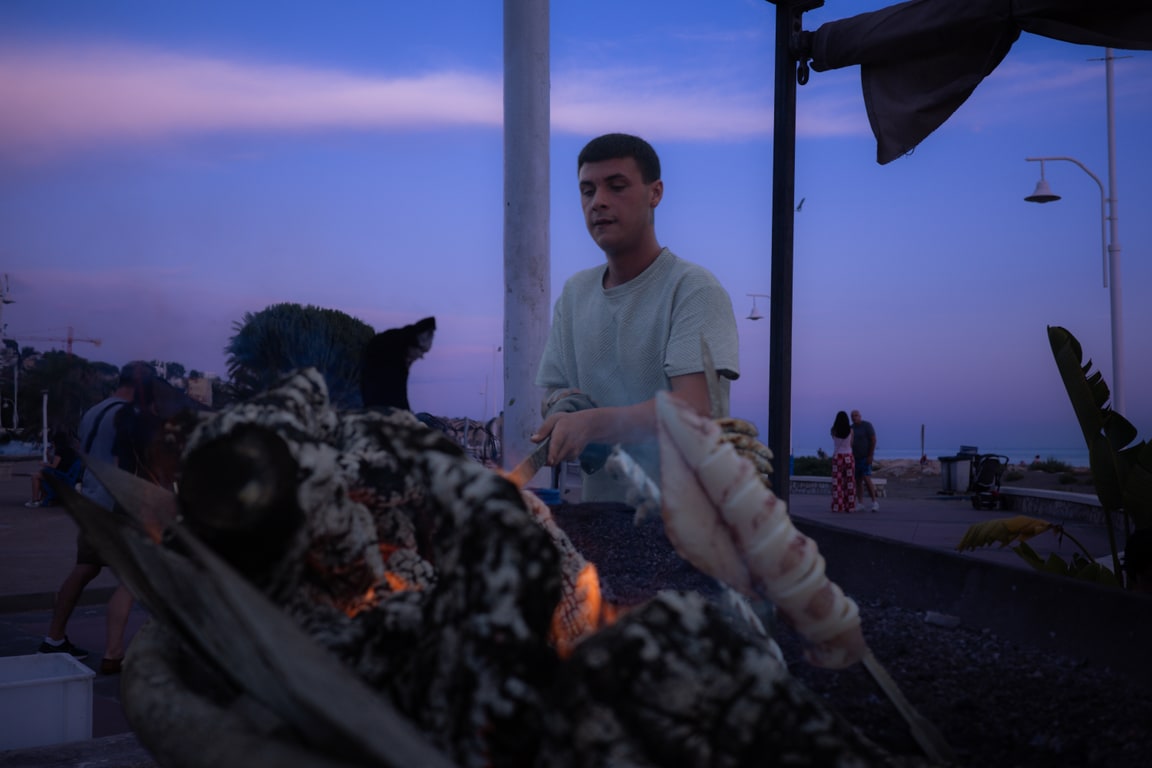
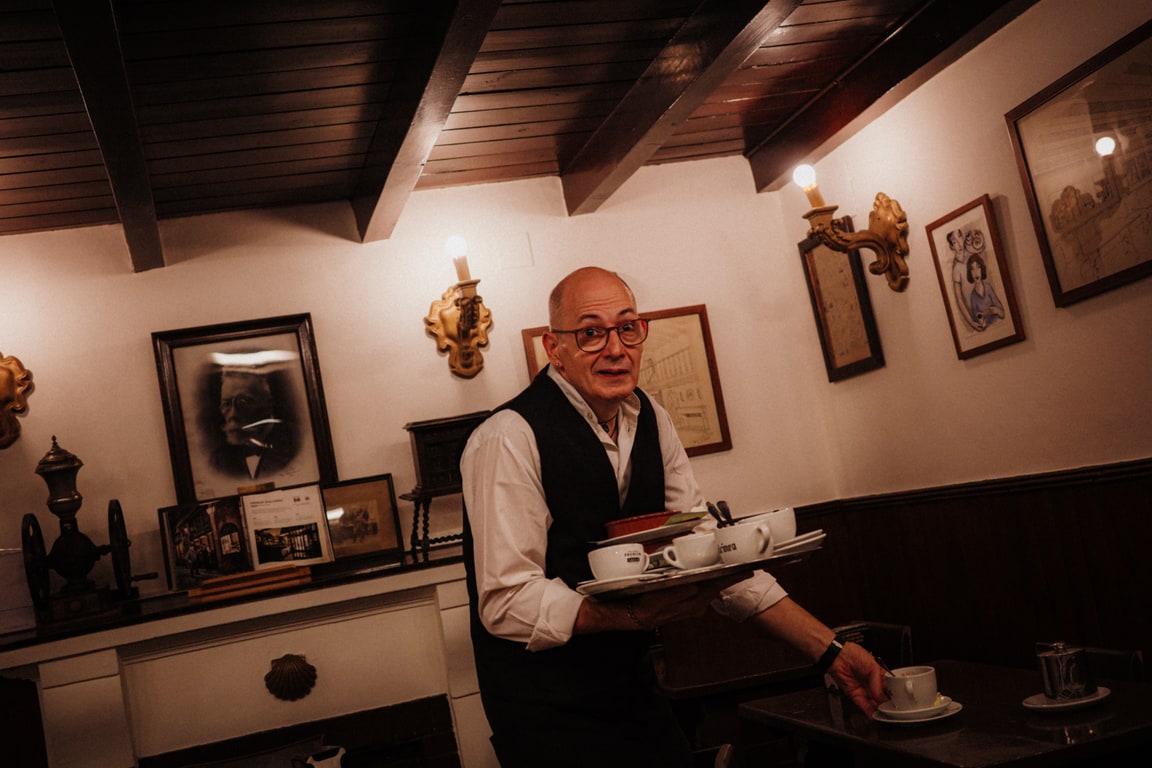
Divya noticed something that took the observation beyond appearance. People doing these jobs didn’t seem to inhabit a visibly separate social world. Outside work, you could easily imagine them eating at the same neighbourhood bars, dressing similarly and spending time in the same public spaces as their customers. They were simply people who happened to be driving a taxi, serving food or working in a shop.
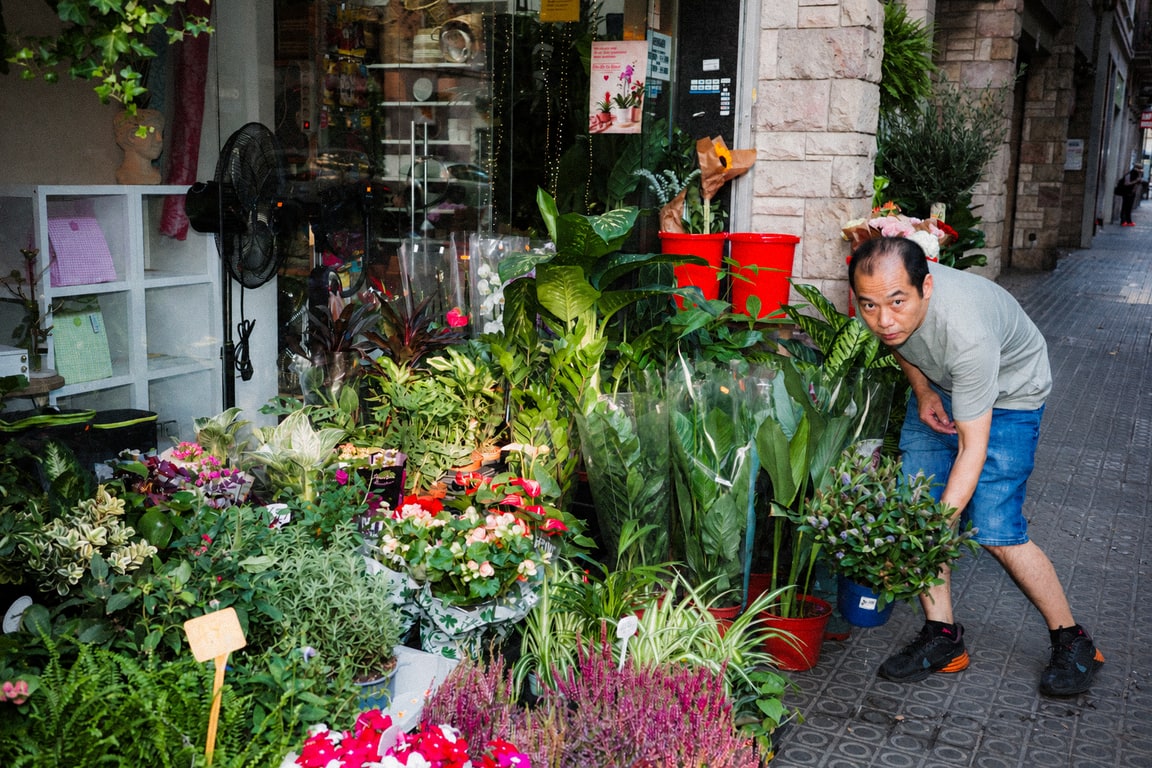
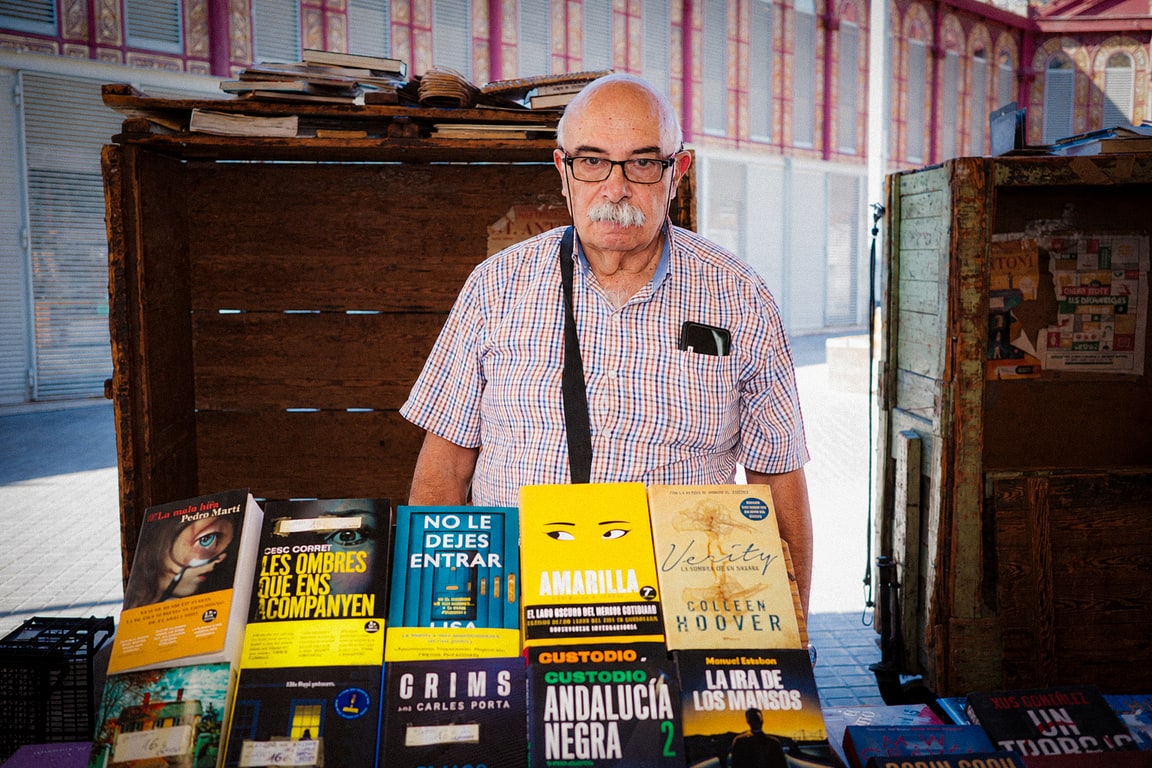
That sense of being on equal terms also showed up in bars and restaurants. Compared with India and many parts of South and Southeast Asia, staff seemed less inclined to put the guest on a pedestal. Sometimes they seemed annoyed at being called over or having requests phrased as direct orders, and they weren’t particularly hesitant to let that reaction show.
In India, occupation, income and social standing often seem much more tightly connected. A driver, waiter or domestic worker can be perceived as belonging to another social class, changing how people speak to them and behave around them. I wondered how much of that difference could be explained by income alone. India has inherited deeply entrenched social hierarchies, including caste; perhaps some of that history influences how readily we turn someone’s occupation into a judgment about their standing. I don’t know how much can be attributed to caste, but the trip made me more conscious of how culturally constructed that connection is.
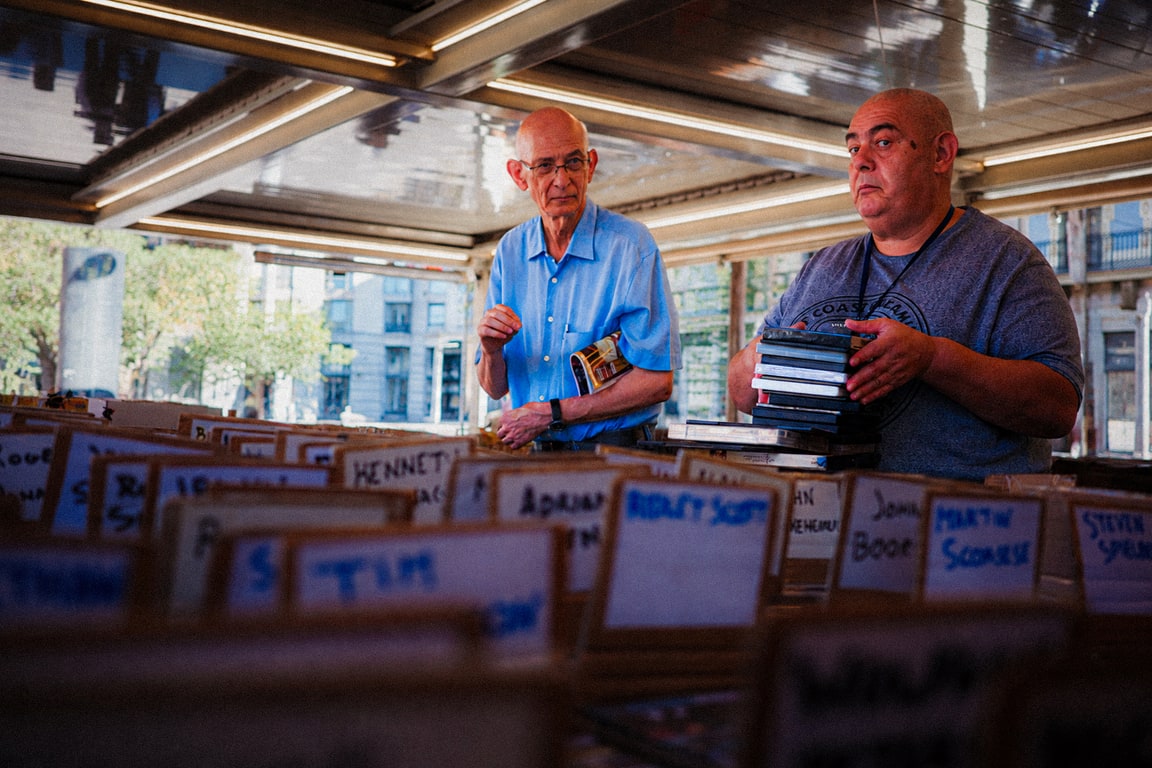
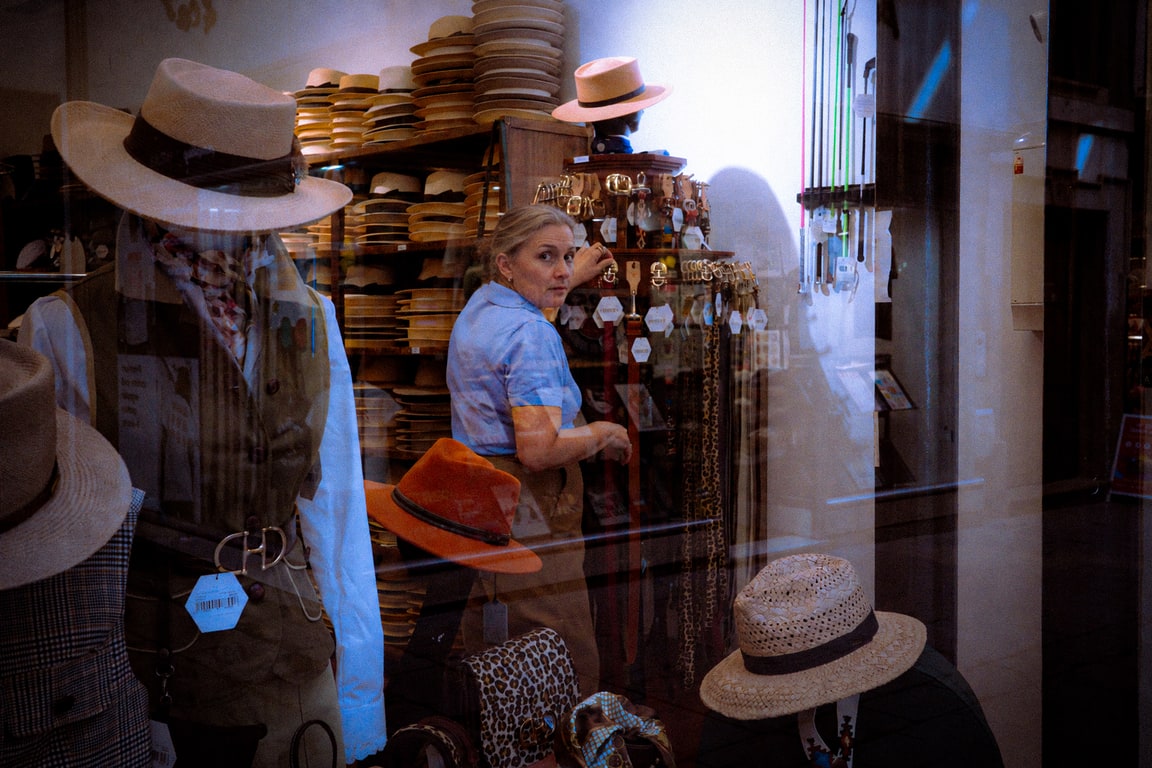
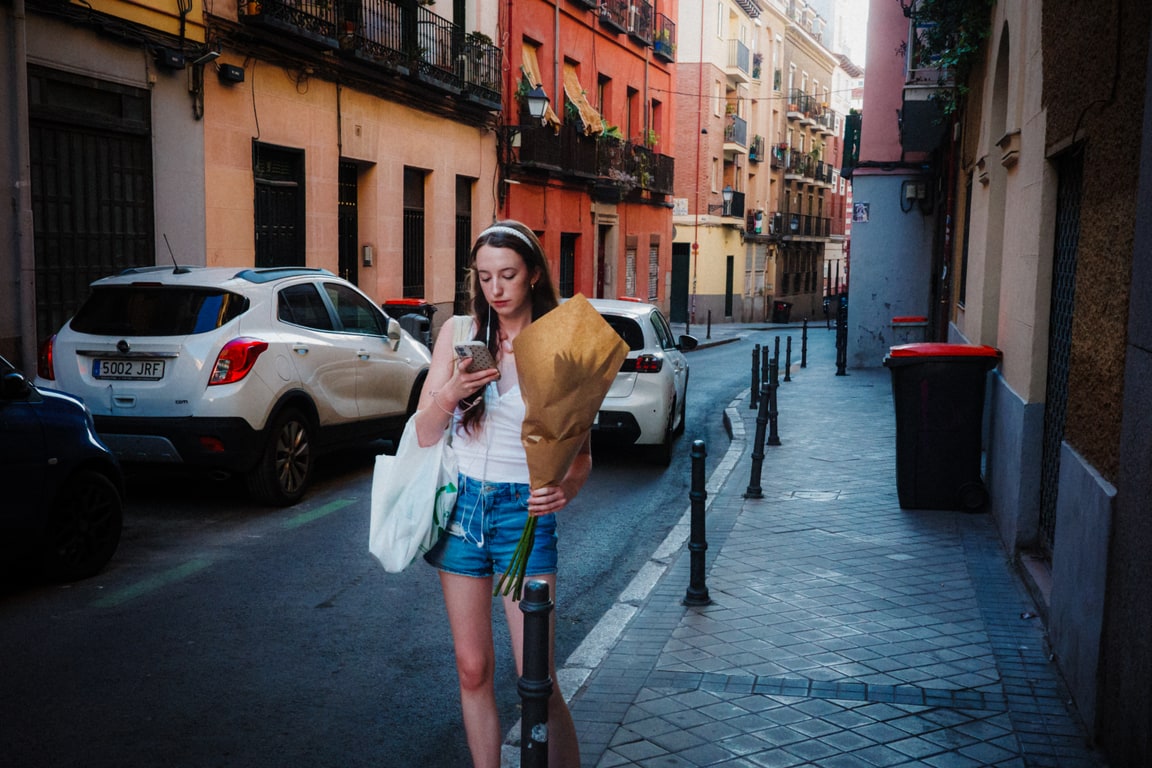
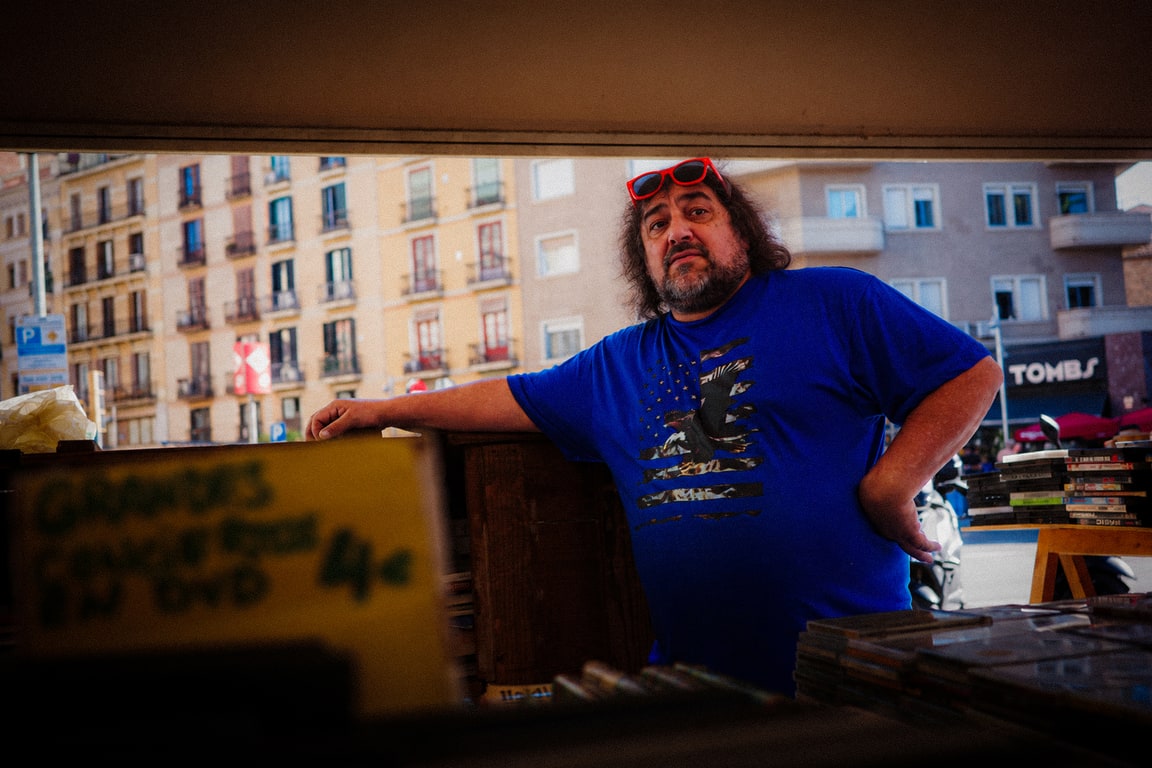
Paying for a meal didn’t seem to make you more important than the person serving it. The restaurant provided food and service; you provided payment. Both sides contributed something of value.
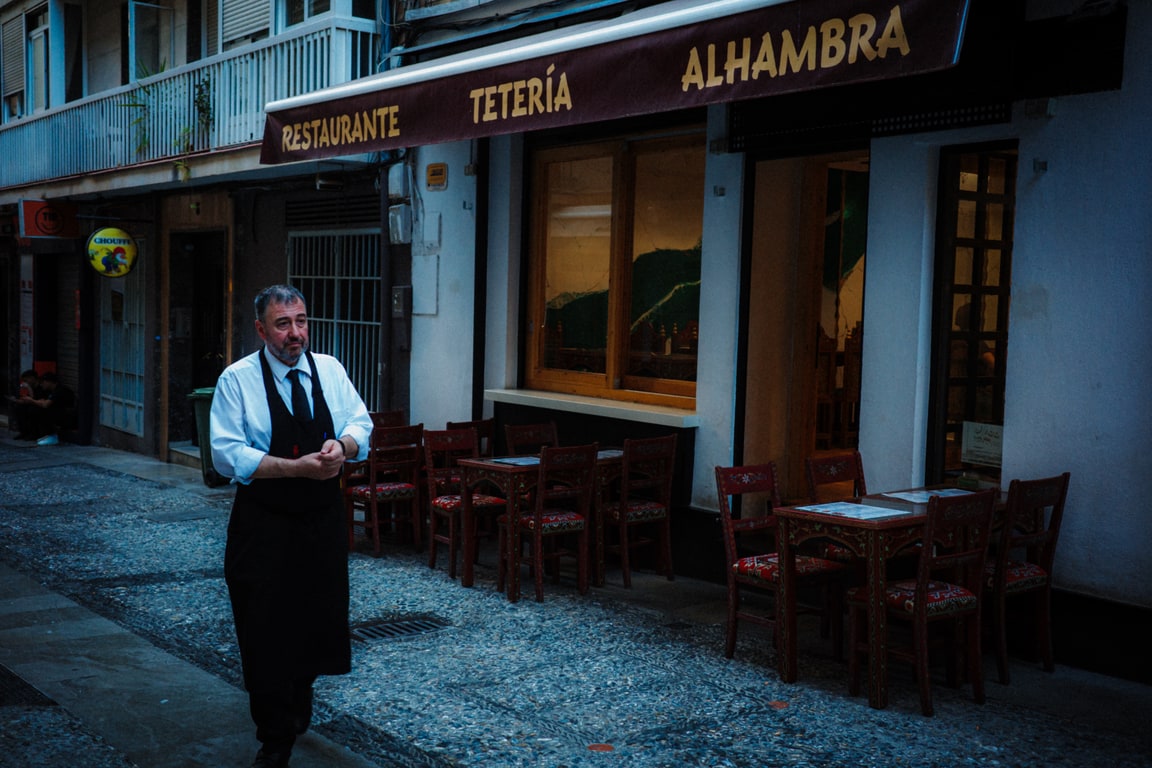
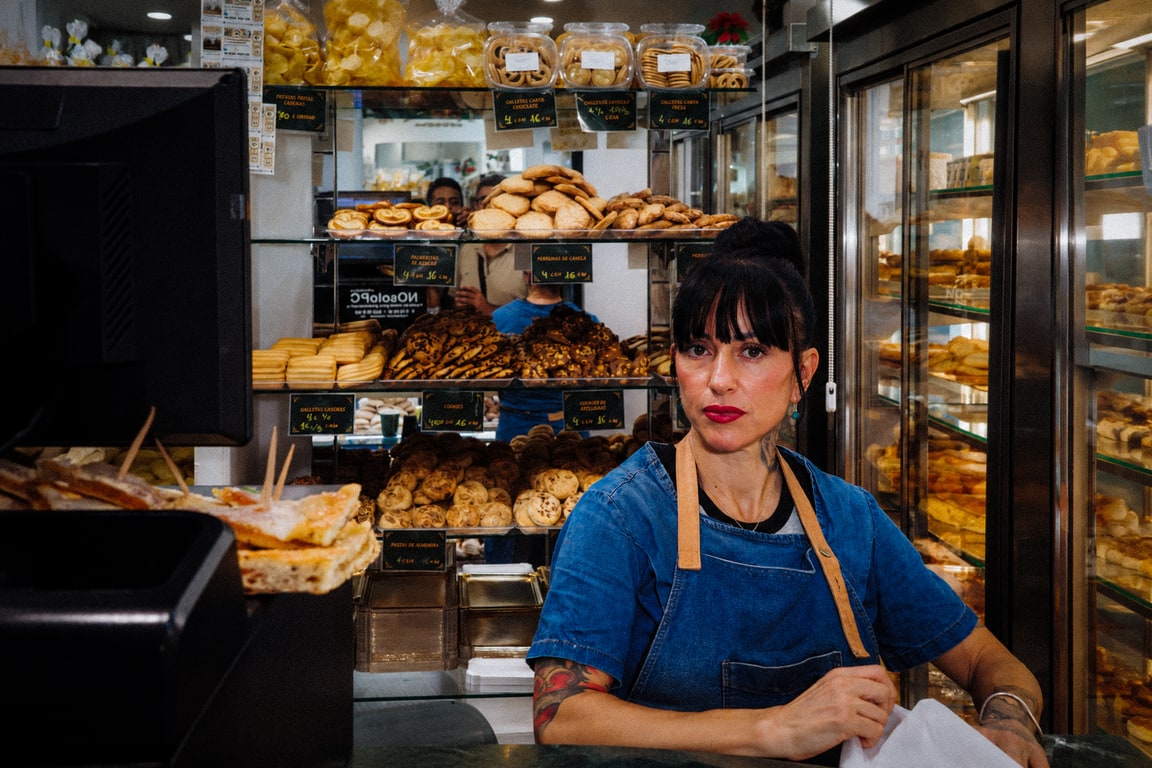
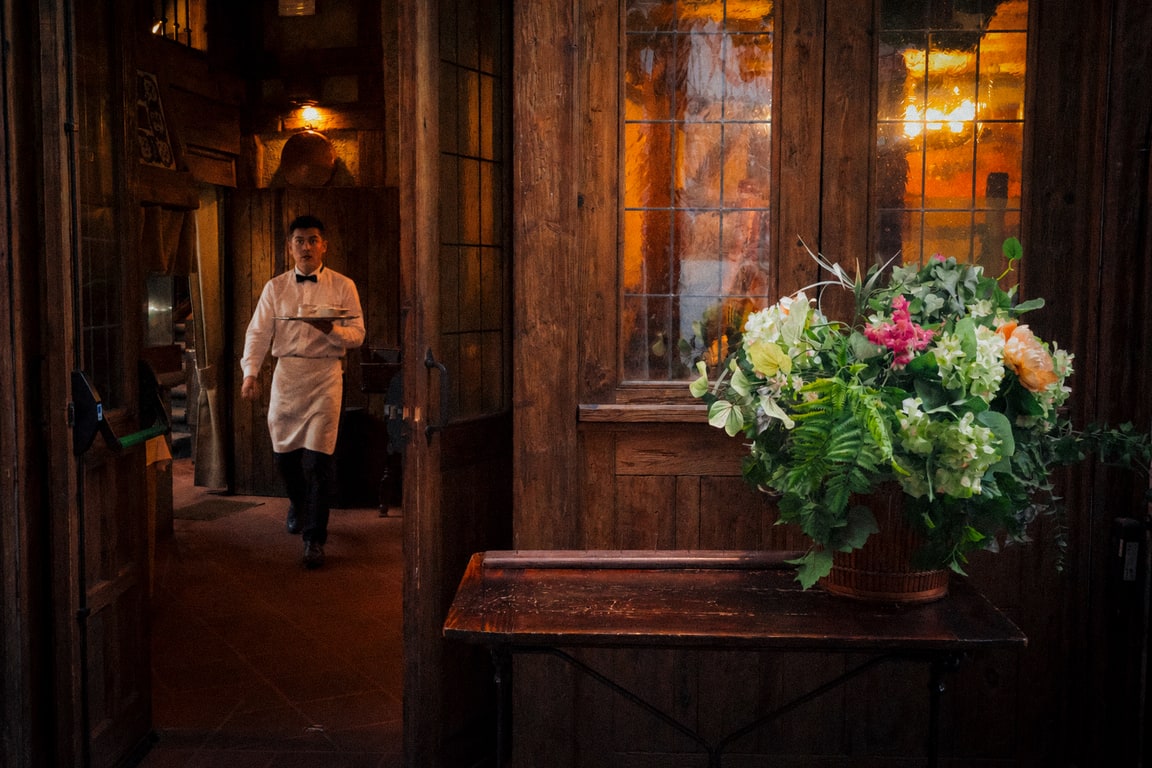
It made me think about what luxury hotels sell. Better rooms, food and service are part of it, but so is the feeling of being treated as someone of higher standing. Being made to feel important is itself part of the product, and can command a substantial premium.
Flamenco Can Be Slightly Intimidating
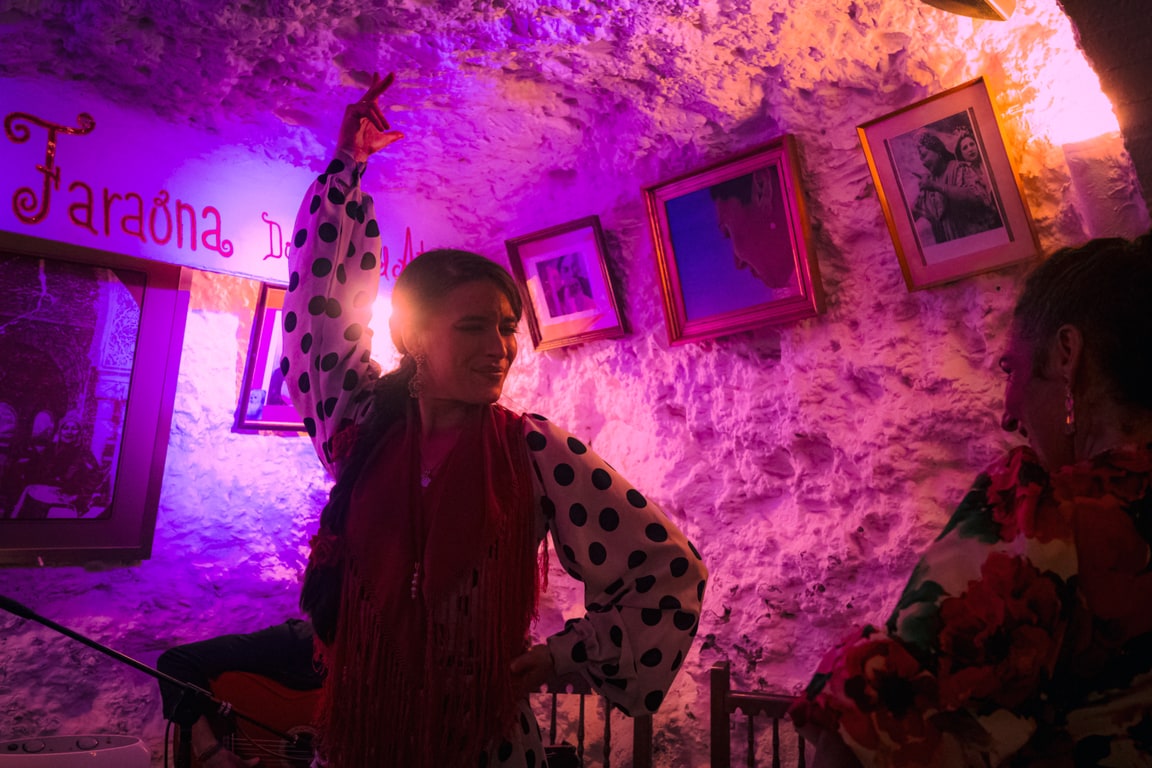
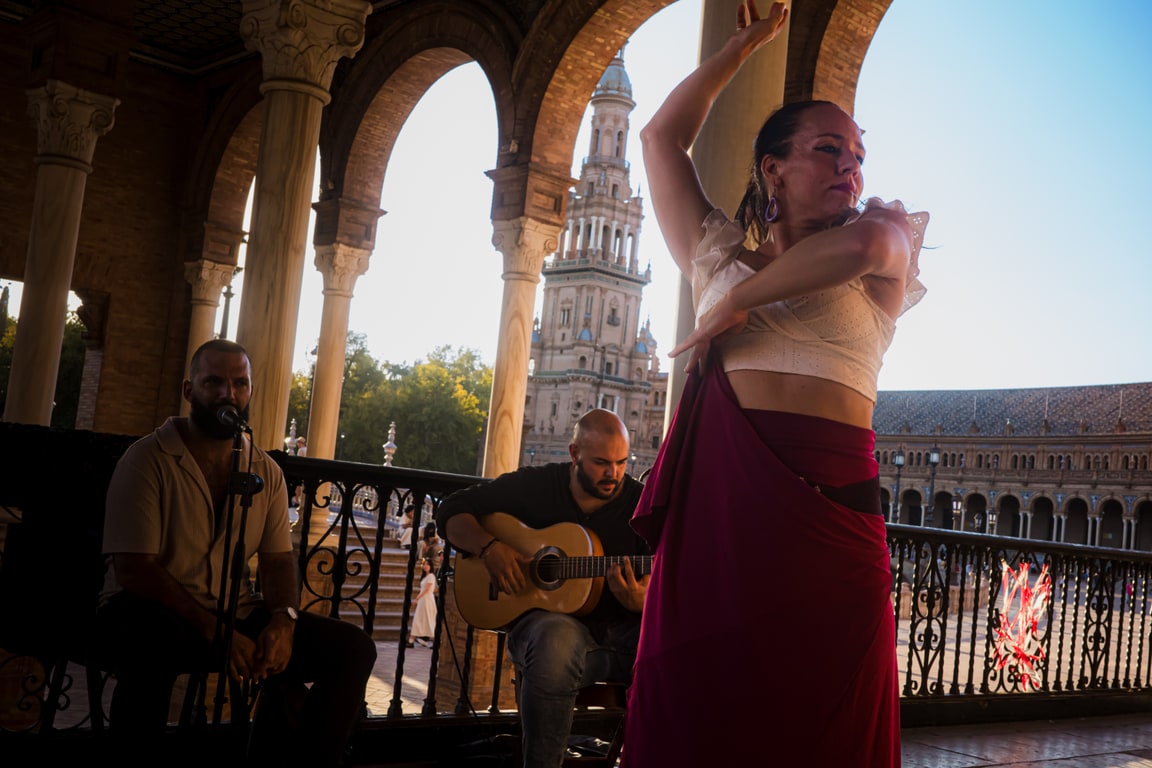
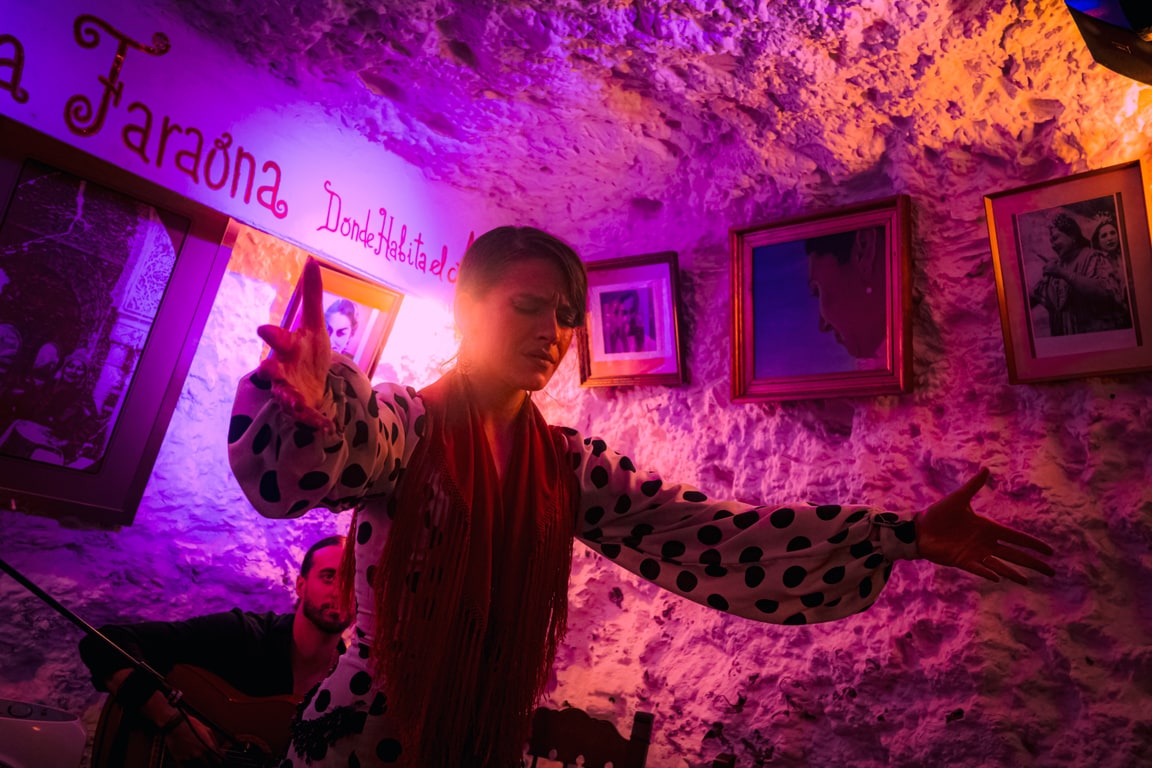
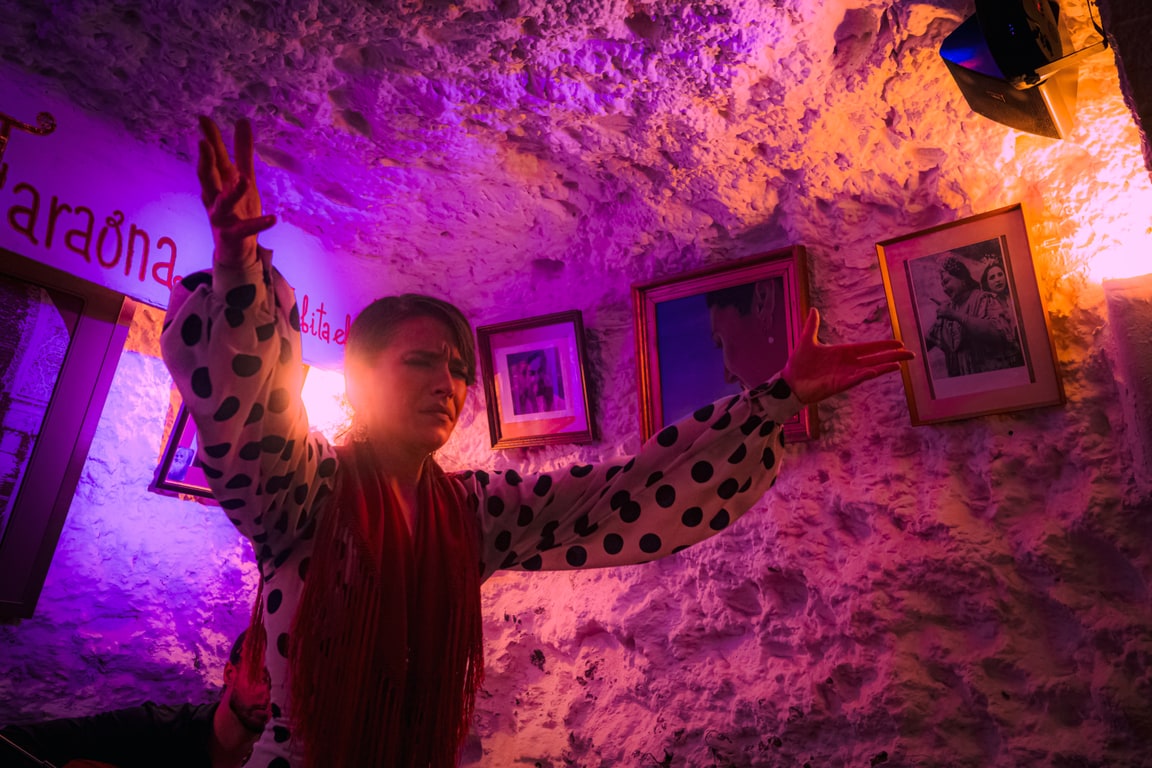
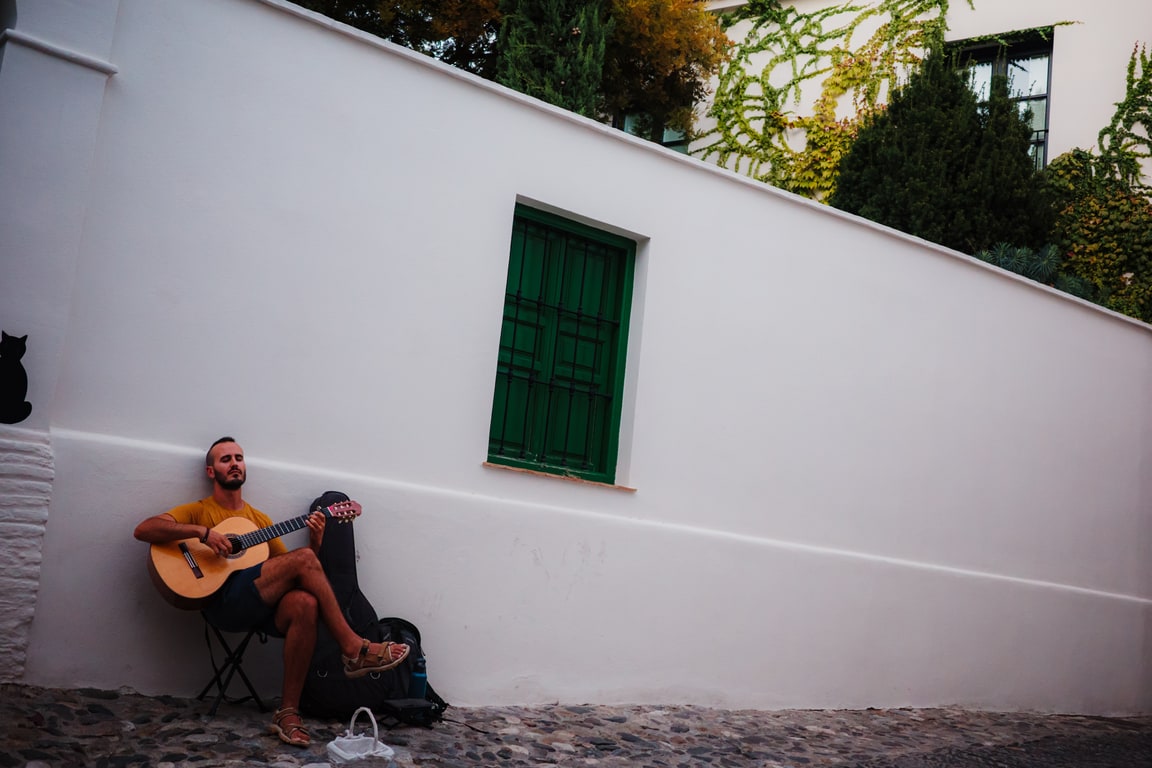
We saw multiple flamenco performances, but our favourite was in a traditional cave house in Granada. The setting has its own history: in Sacromonte, Roma families have long lived in cave houses, where music and dance were part of family celebrations before they became performances that visitors came to watch.
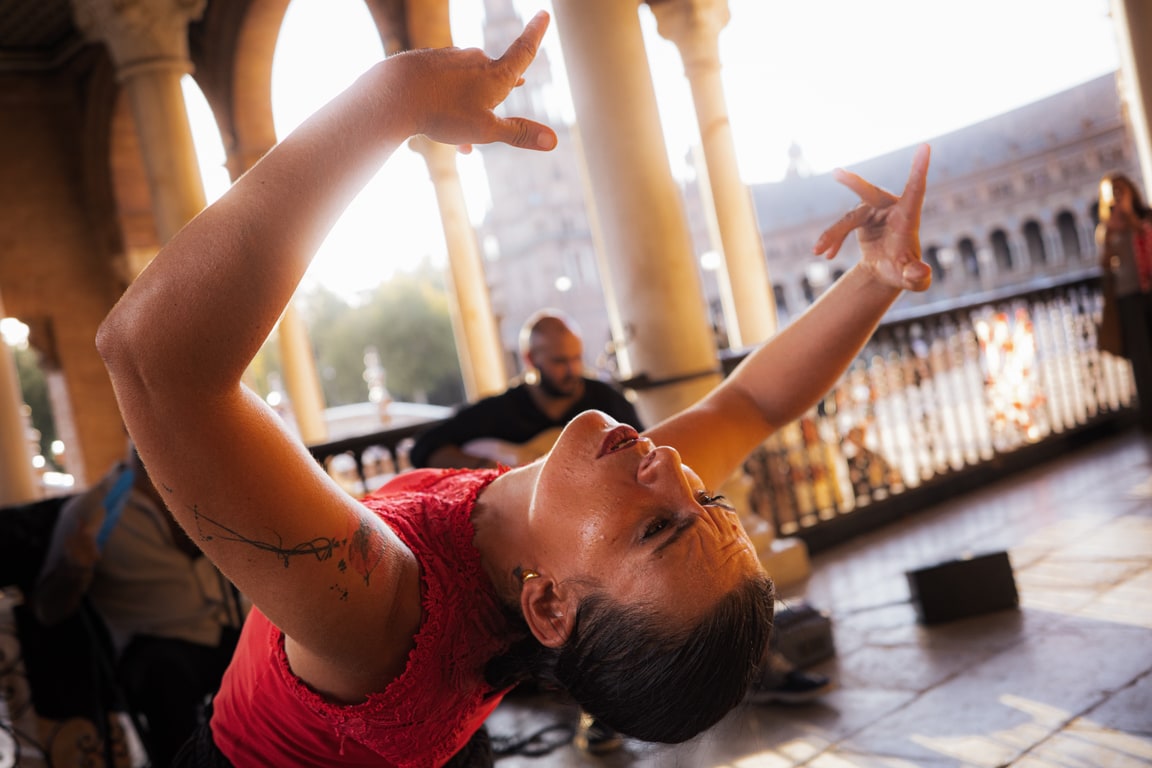
Sitting a few feet from the performers changed the experience considerably. We could see the changes in the dancer’s expression, hear their breathing and feel the force of their feet hitting the floor. At that distance, we were aware of the physical effort behind every movement.
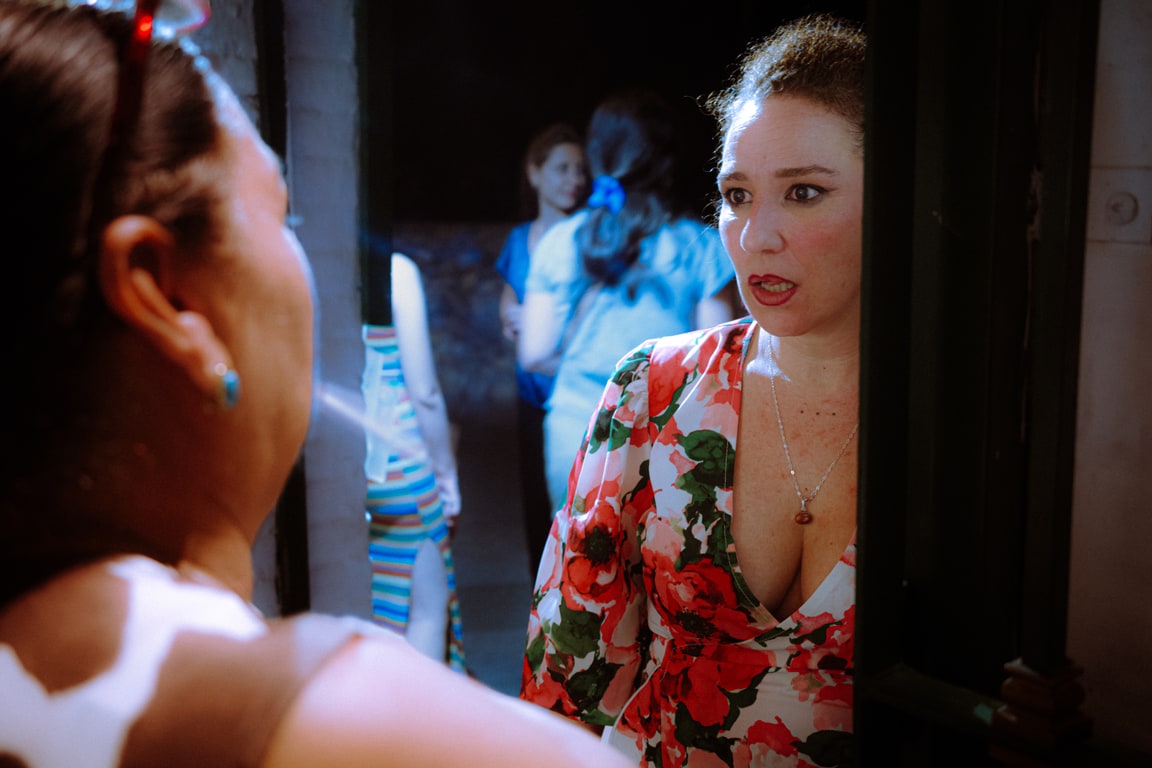
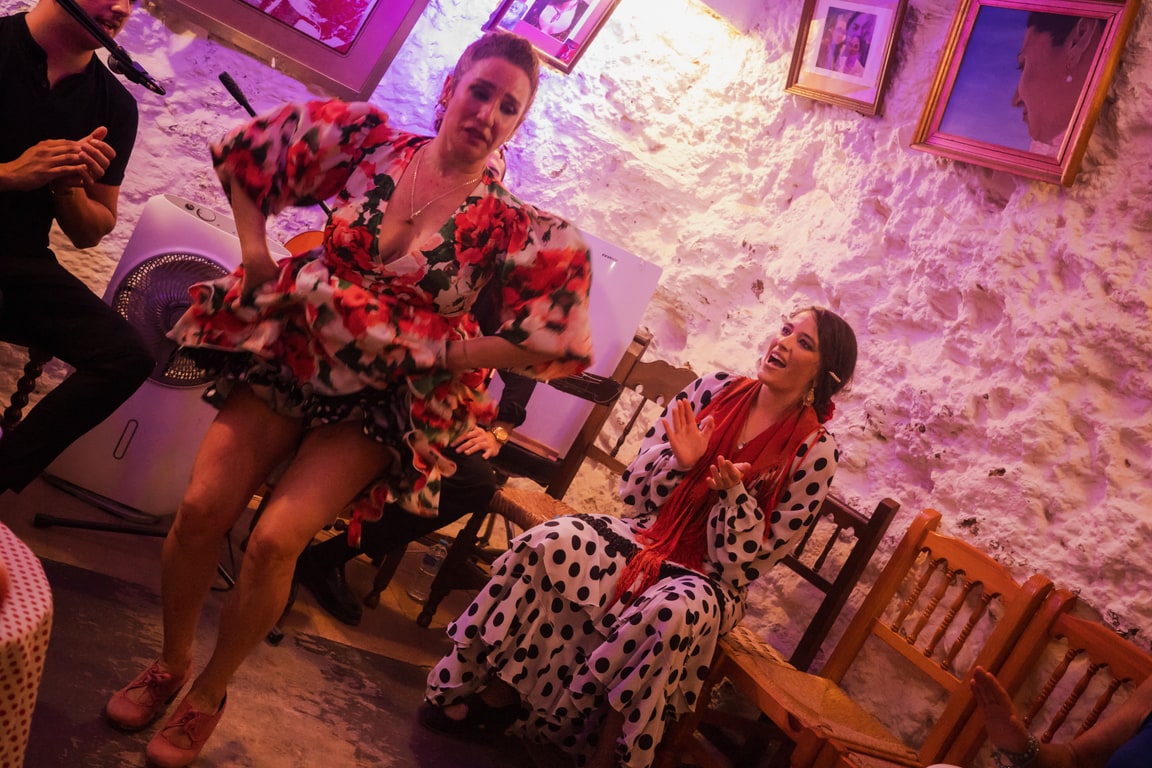
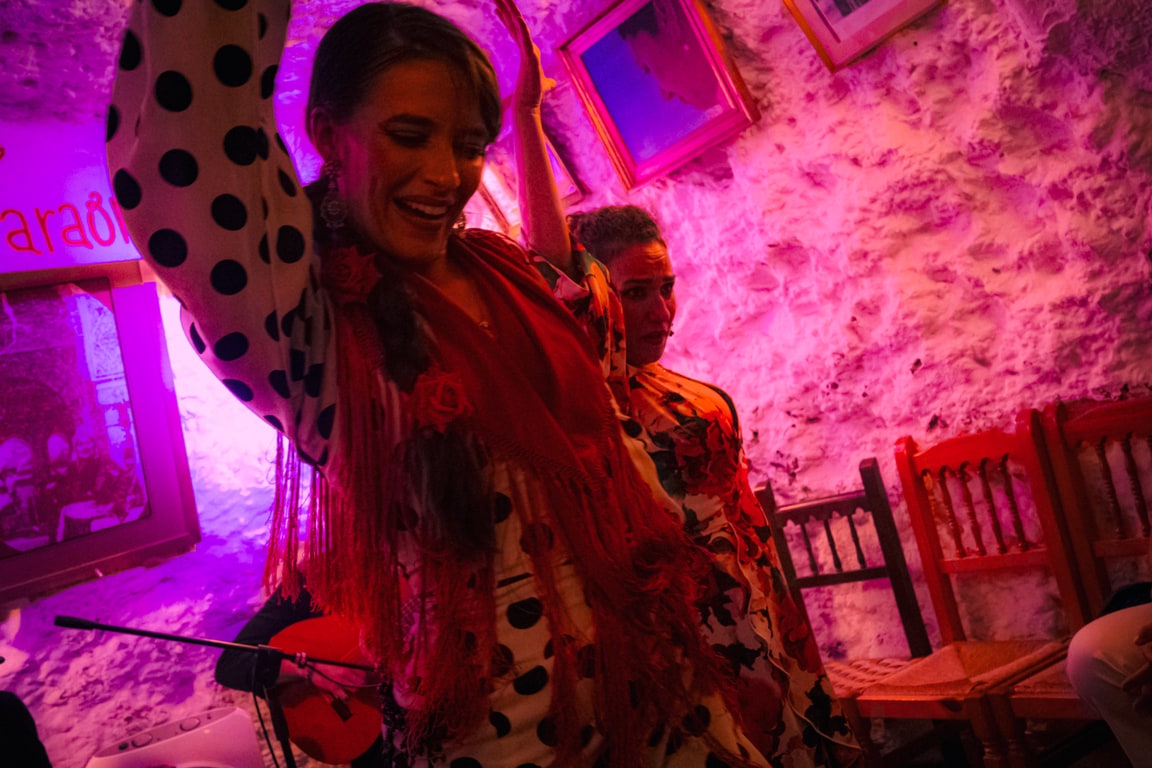
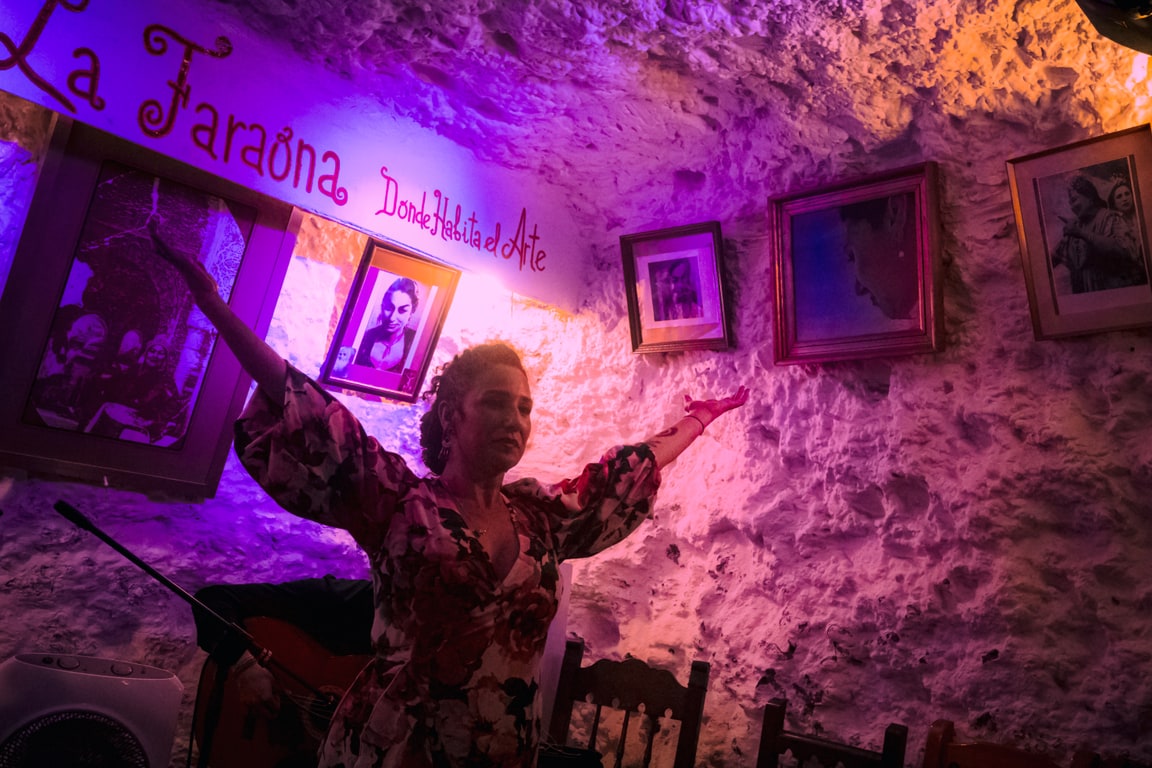
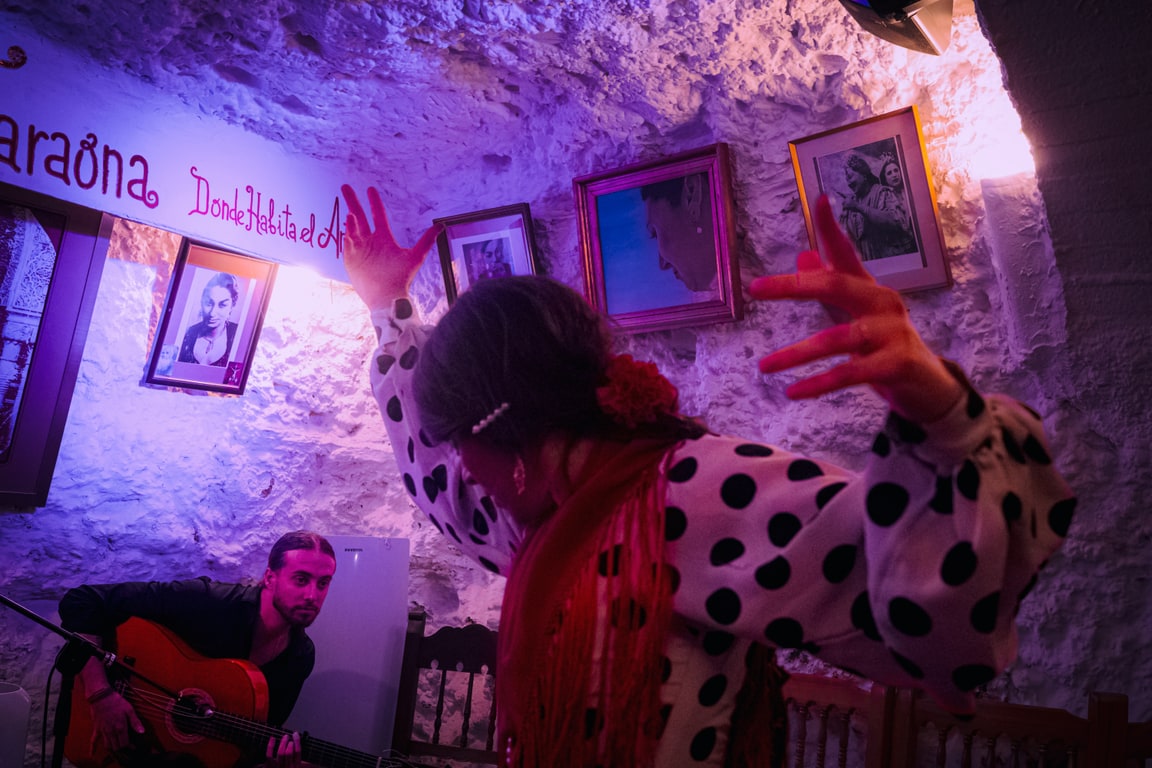
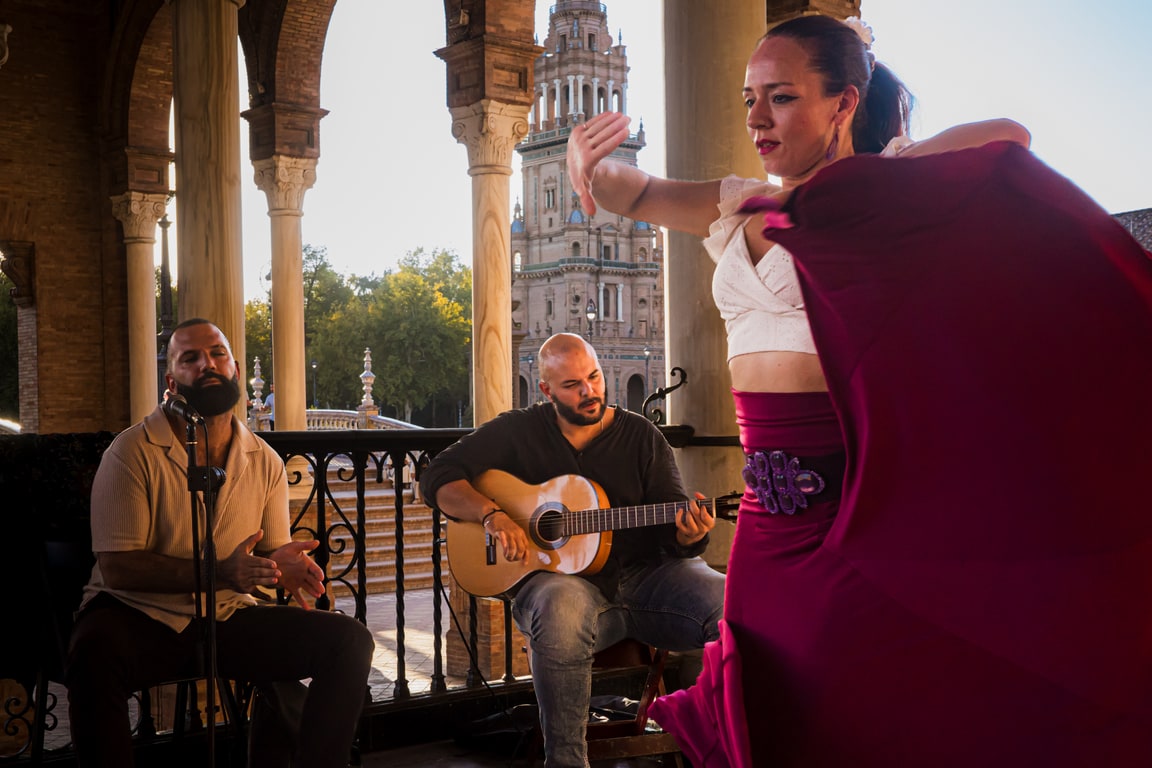
Flamenco brings together singing, Spanish guitar and dance. (I’ve always loved Spanish guitar, and this playlist has some great music featuring it.) We were told that the dancers respond to the music and what they are feeling in the moment, leaving room for the same performance to unfold differently from one day to another. That helped explain the intensity of what we were watching. The emotion came through in their faces as much as their movements, and there was something slightly intimidating about seeing someone express themselves so uninhibitedly just a few feet away.
One of my favourite parts was watching the footwork gradually build towards a crescendo. As the tapping became faster and more forceful, the feet were producing a rhythm of their own. Watching the performance as a whole, it was easy to get caught up in the movement and music. Concentrating just on the feet made the technical difficulty much clearer: all that speed, rhythm and sheer volume depended on precisely controlled movements.
What If Making More Money Isn’t the Point?
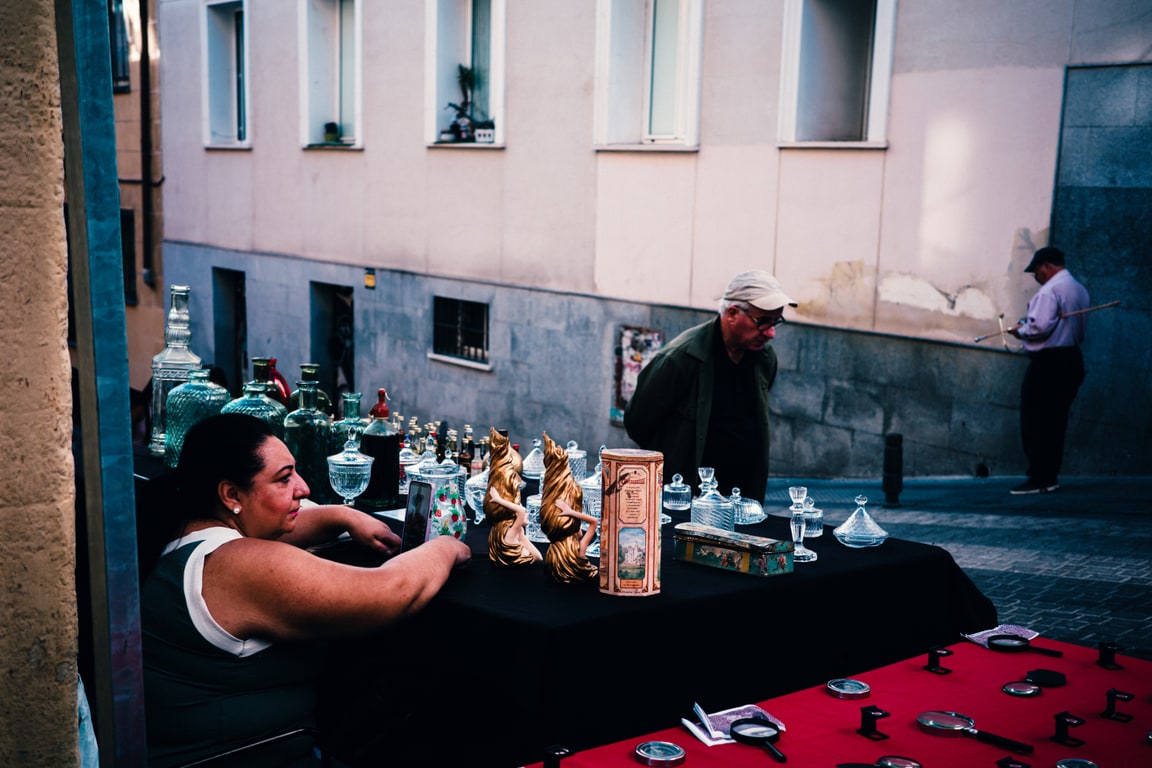
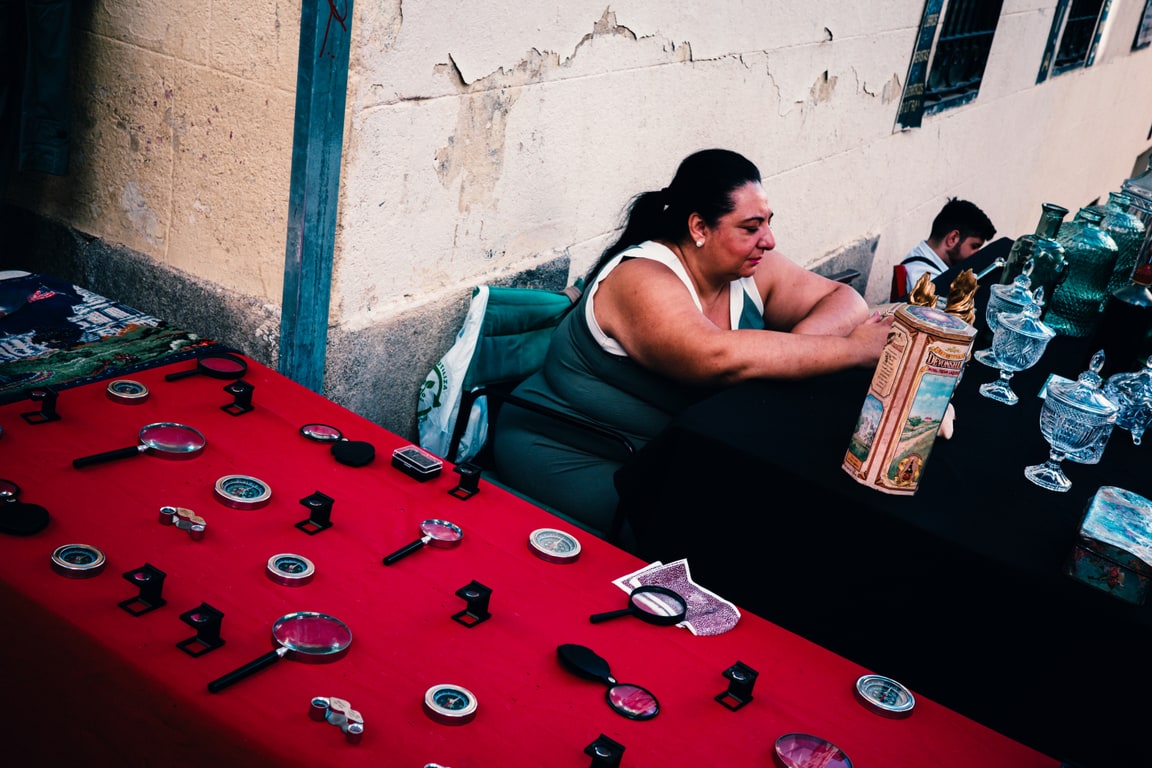
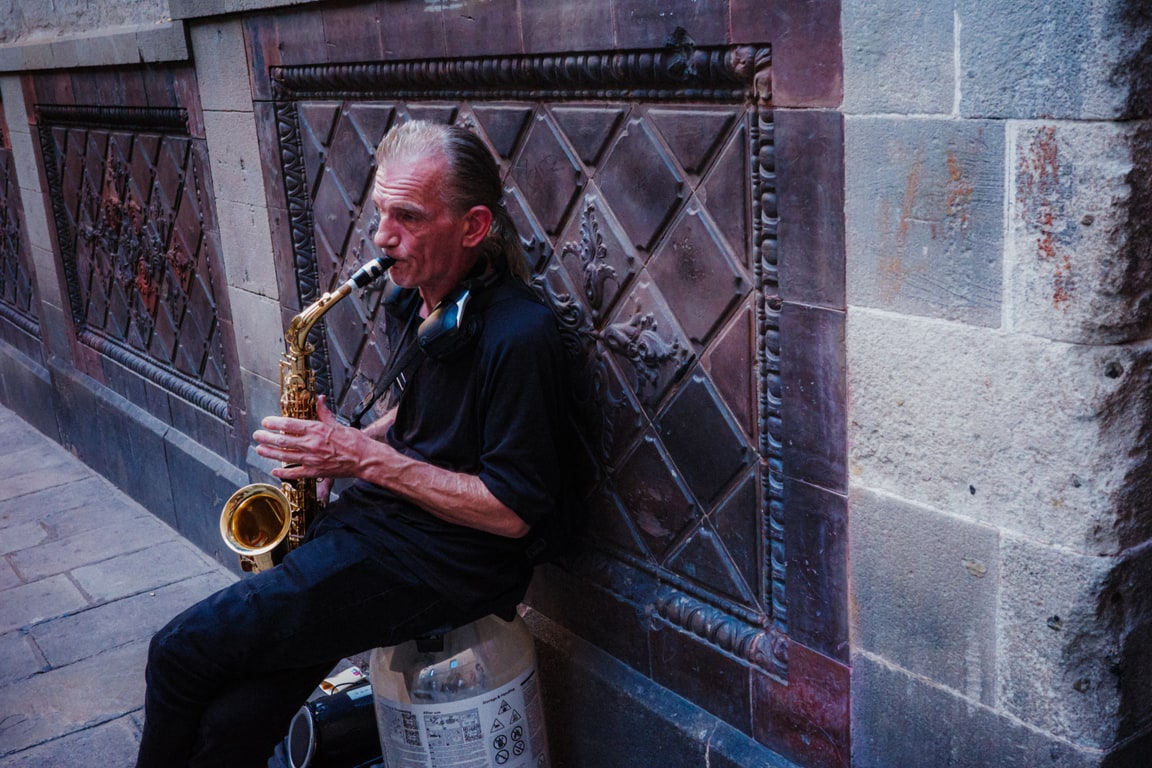
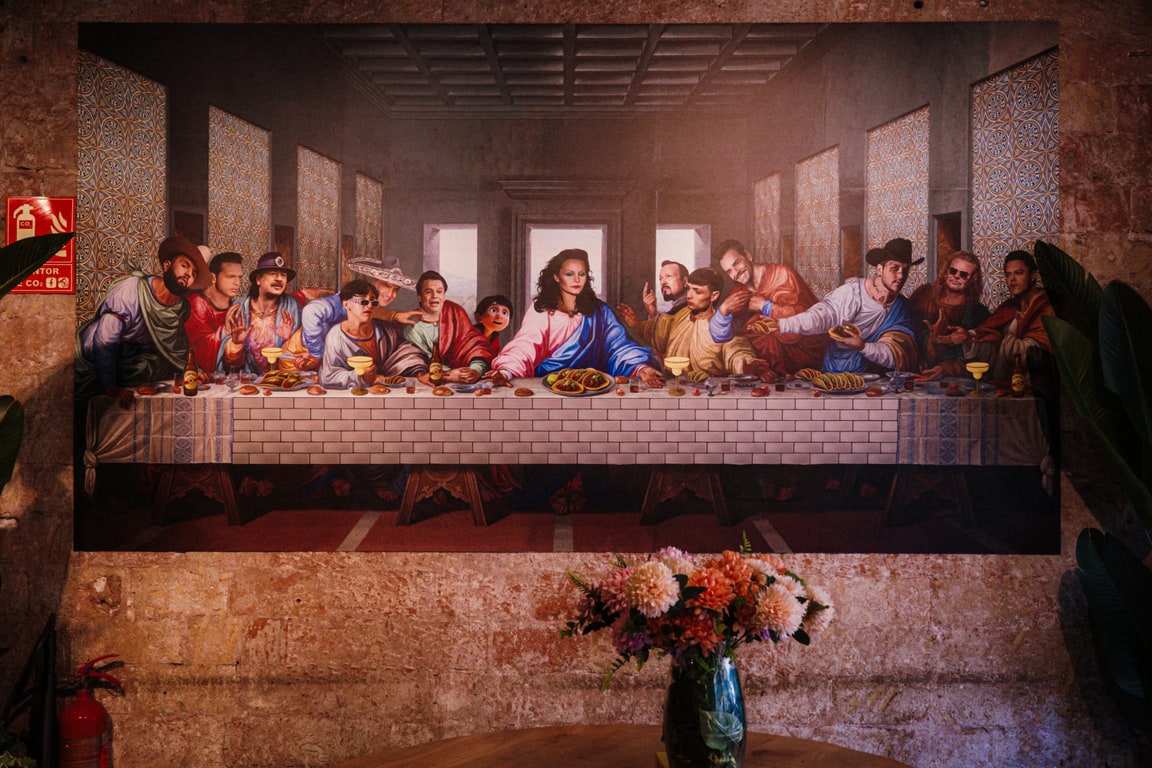
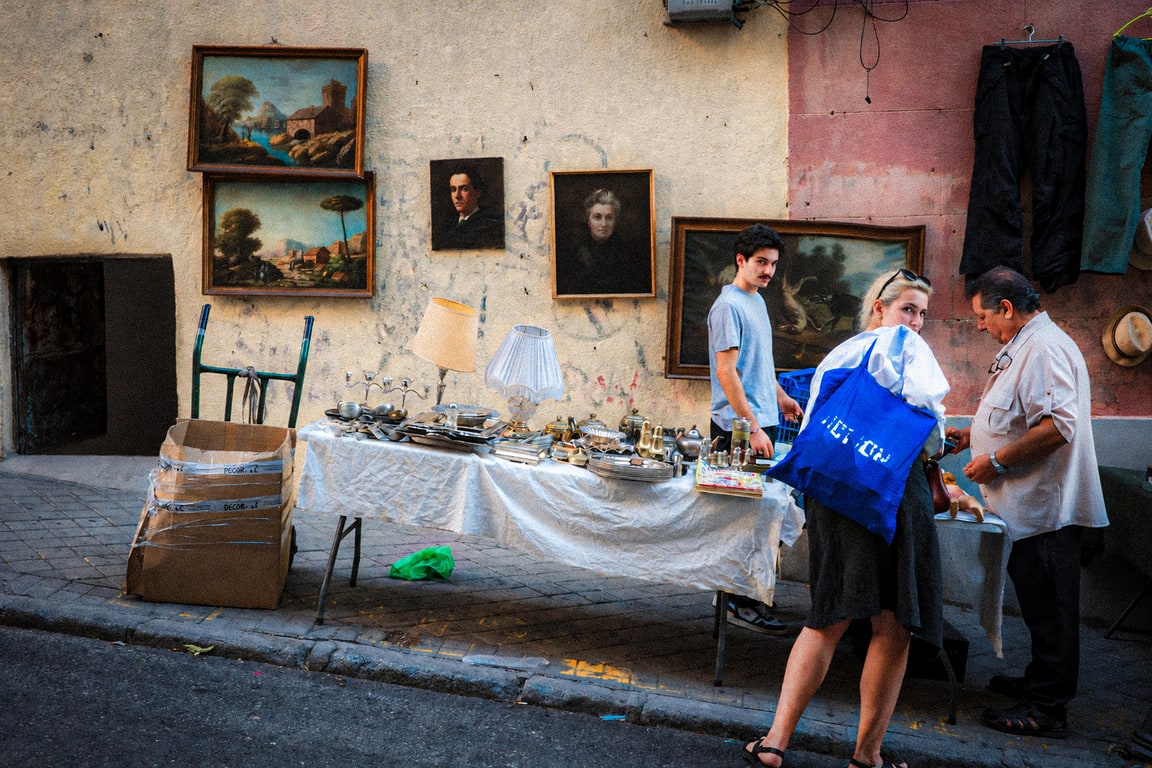
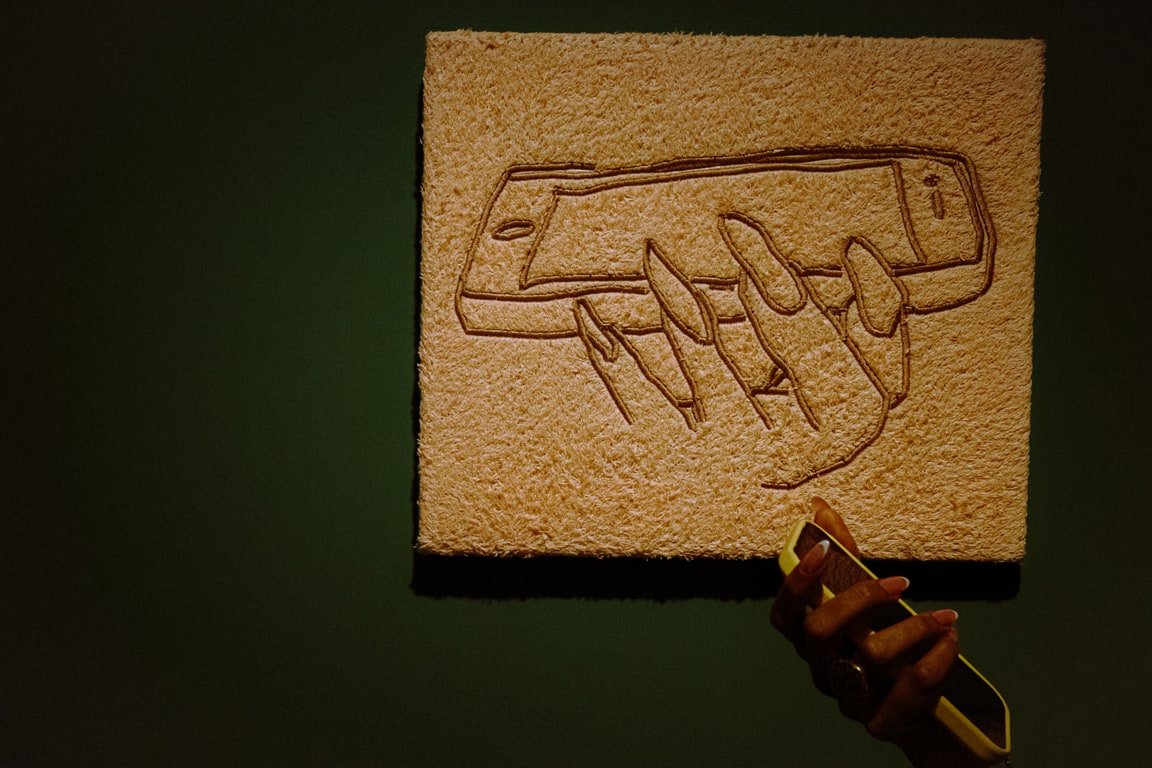
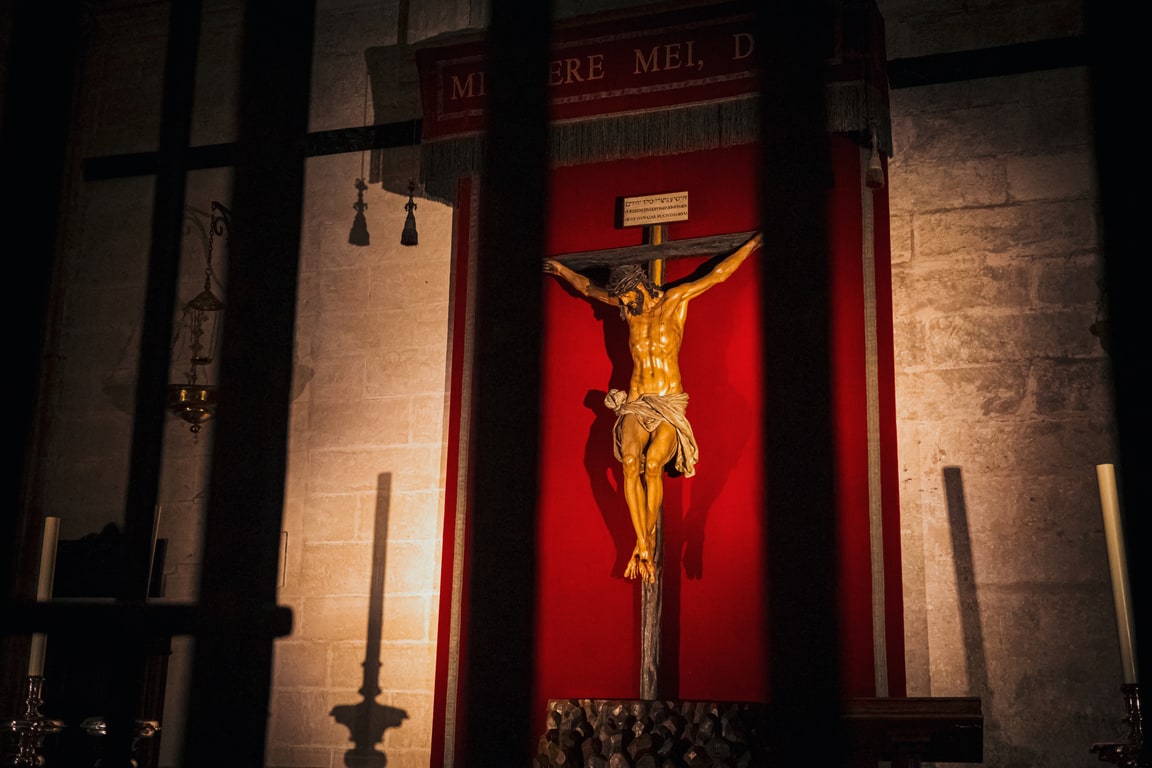
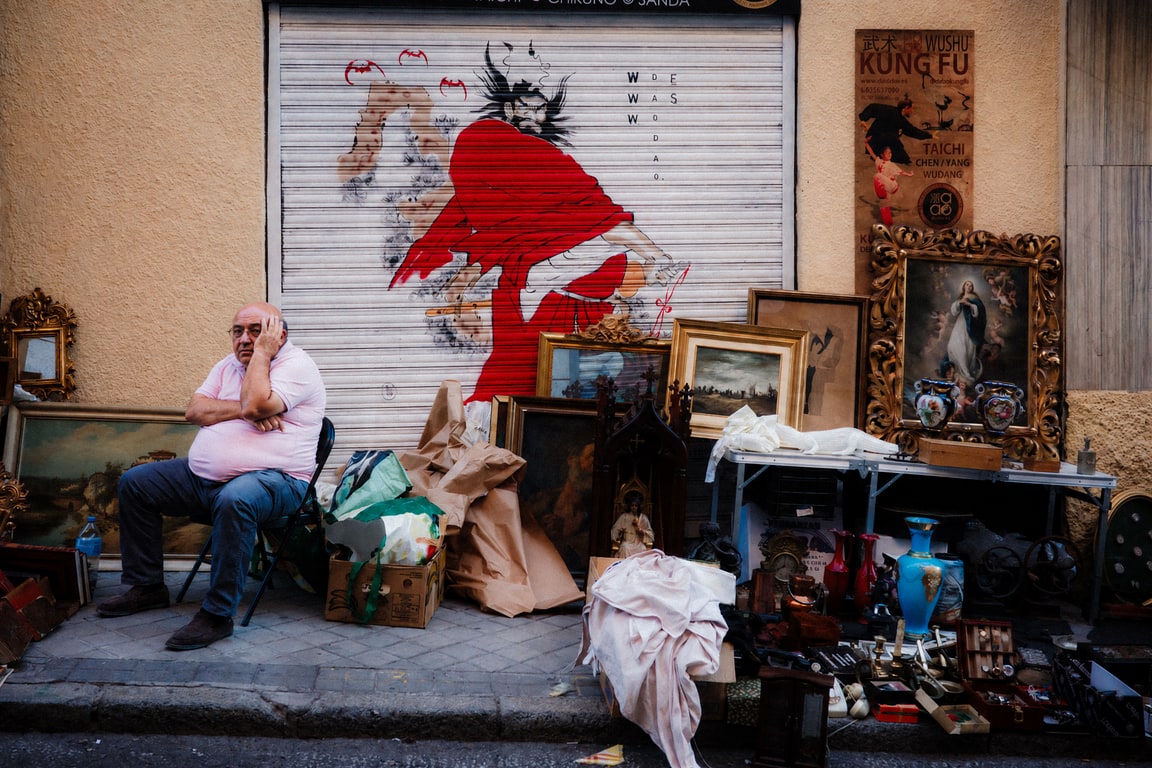
Across the trip, I kept getting the feeling that life in Spain seemed organised around something beyond maximising income or economic productivity. I suspect this is true of parts of Europe more generally. Human connection, leisure, art, craft, food and simply enjoying everyday life seemed to have a substantial place in the day. People lingered over meals, and small businesses built around a particular craft or way of life seemed to have a place even when they might not be maximising their economic potential. Earning more didn’t always seem to be the measure against which everything else had to justify itself.
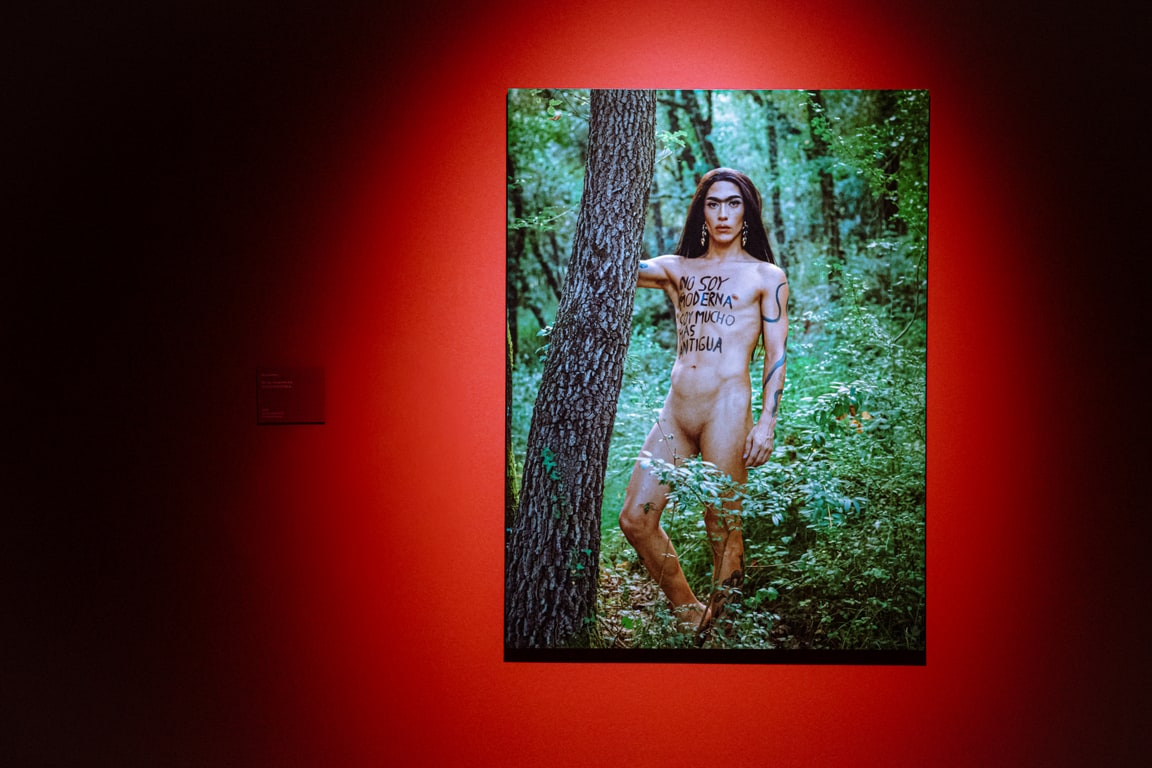
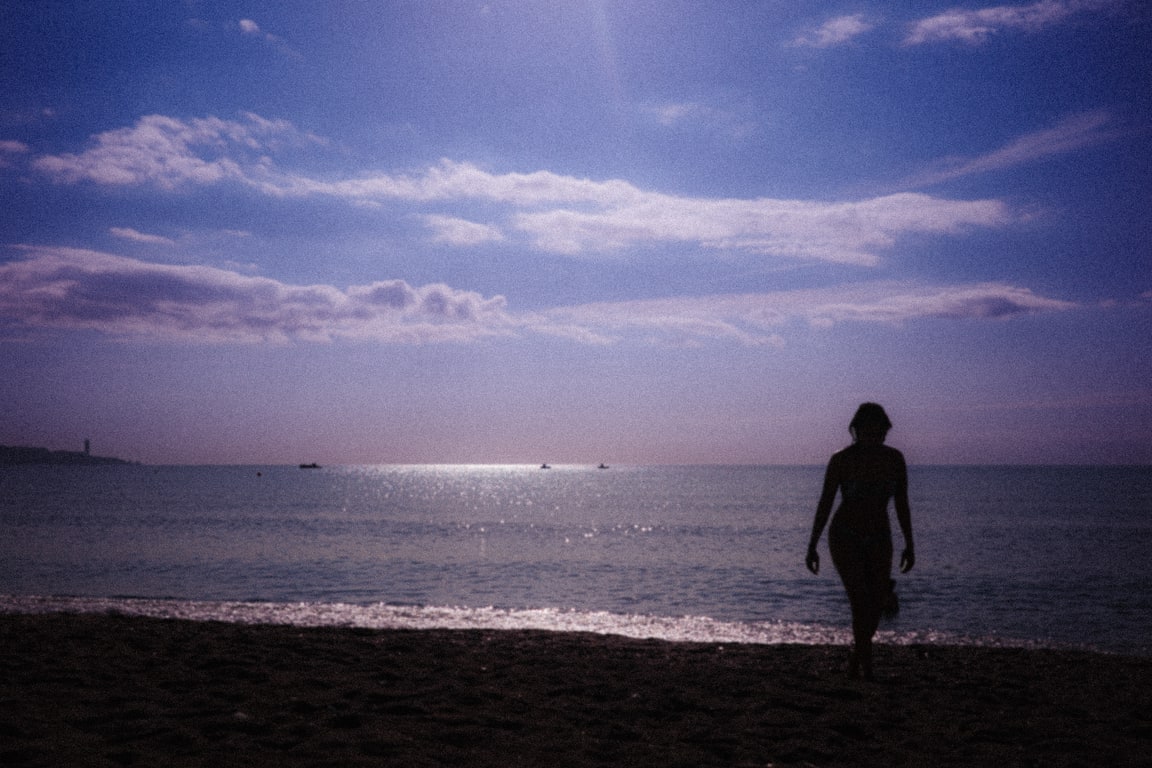
I wondered what made that possible. Perhaps greater economic security and stronger social safety nets made it easier to devote time to things that didn’t pay. Perhaps public life, craftsmanship and leisure had become deeply embedded through generations of habit. Or perhaps there was a different cultural understanding of success, in which how you spent your days mattered as much as how much you earned.
Of course, I was seeing this as a visitor. That quiet morning in El Raval, with people who seemed to be heading to work and others sleeping outside, was part of the same trip. I couldn’t know how widely the life I found appealing was available, or how much each explanation accounted for. The contrast with India still felt noticeable.
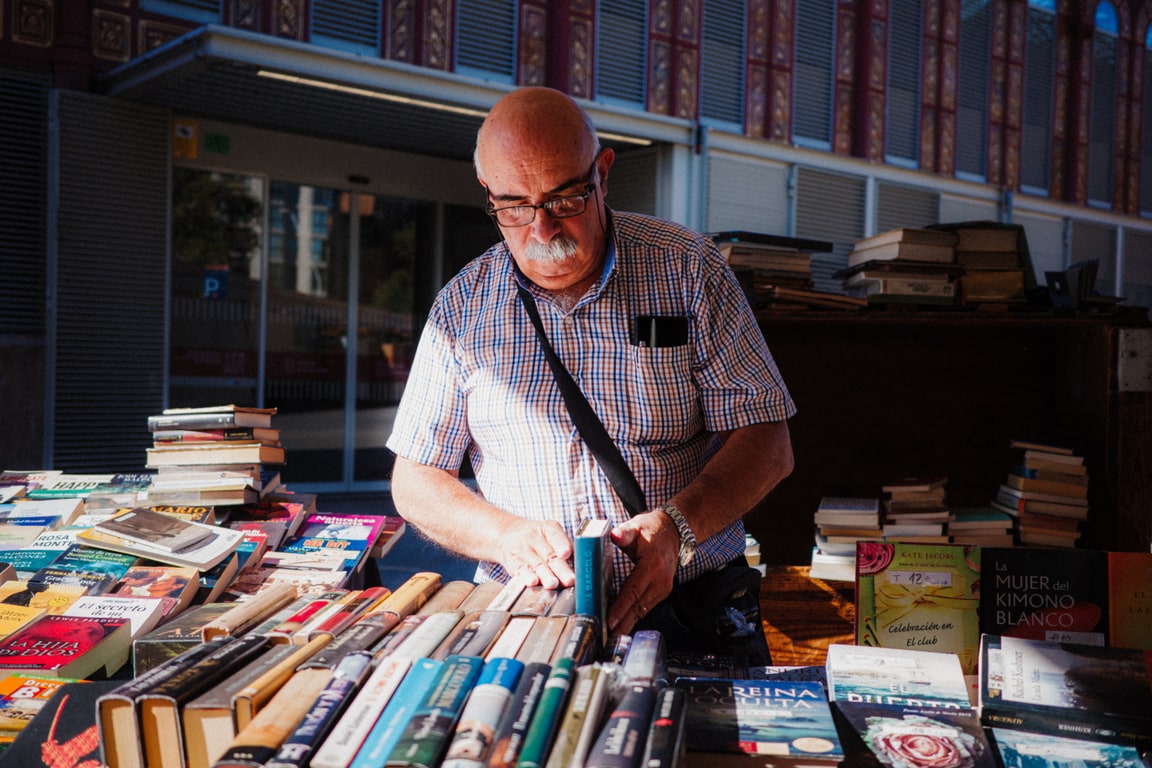
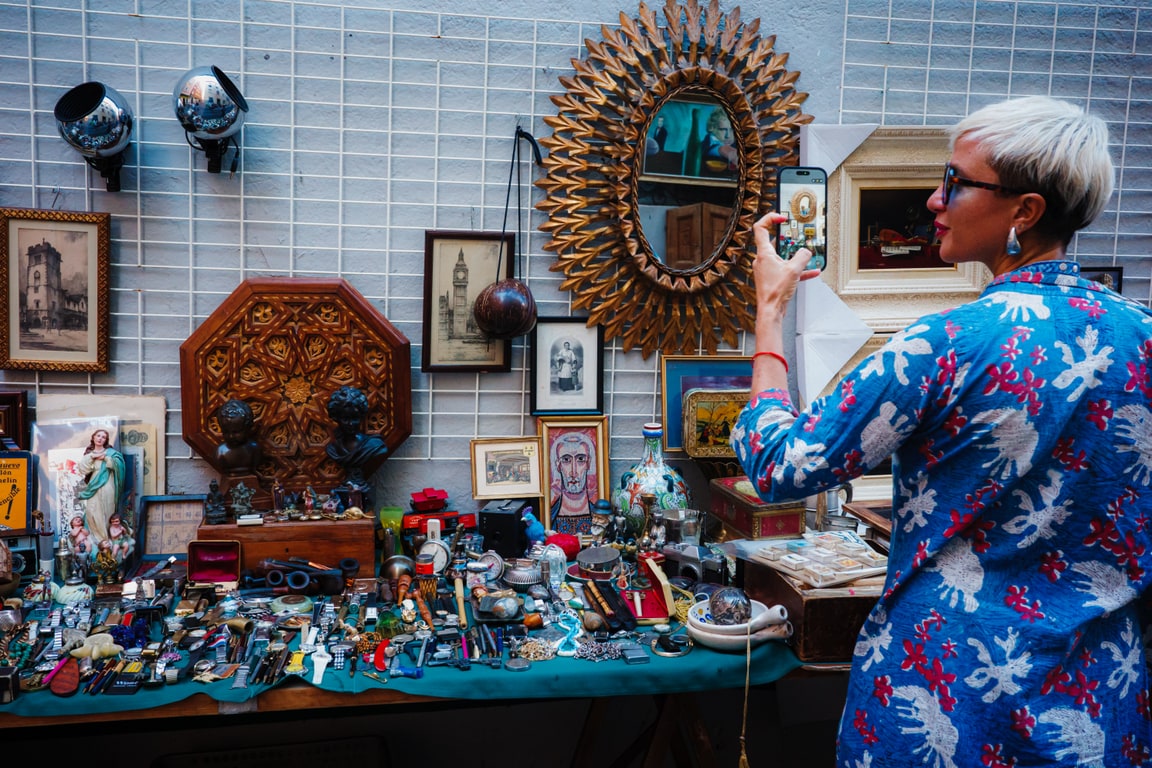
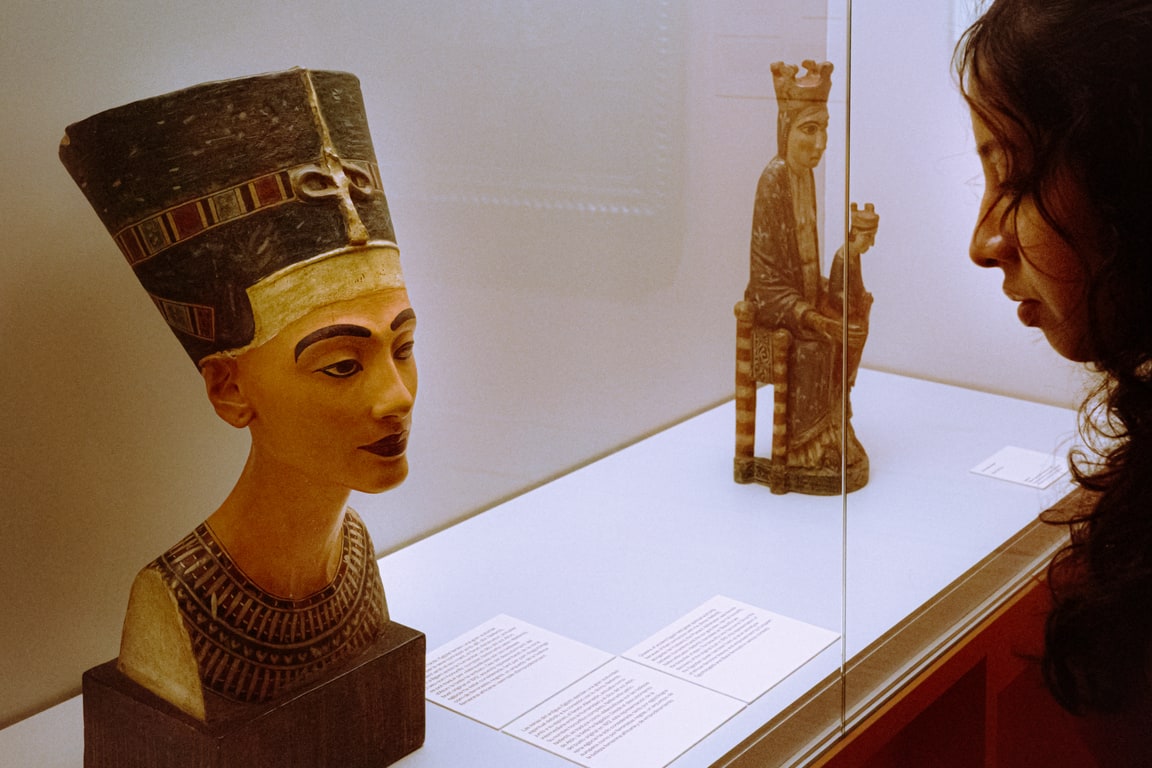
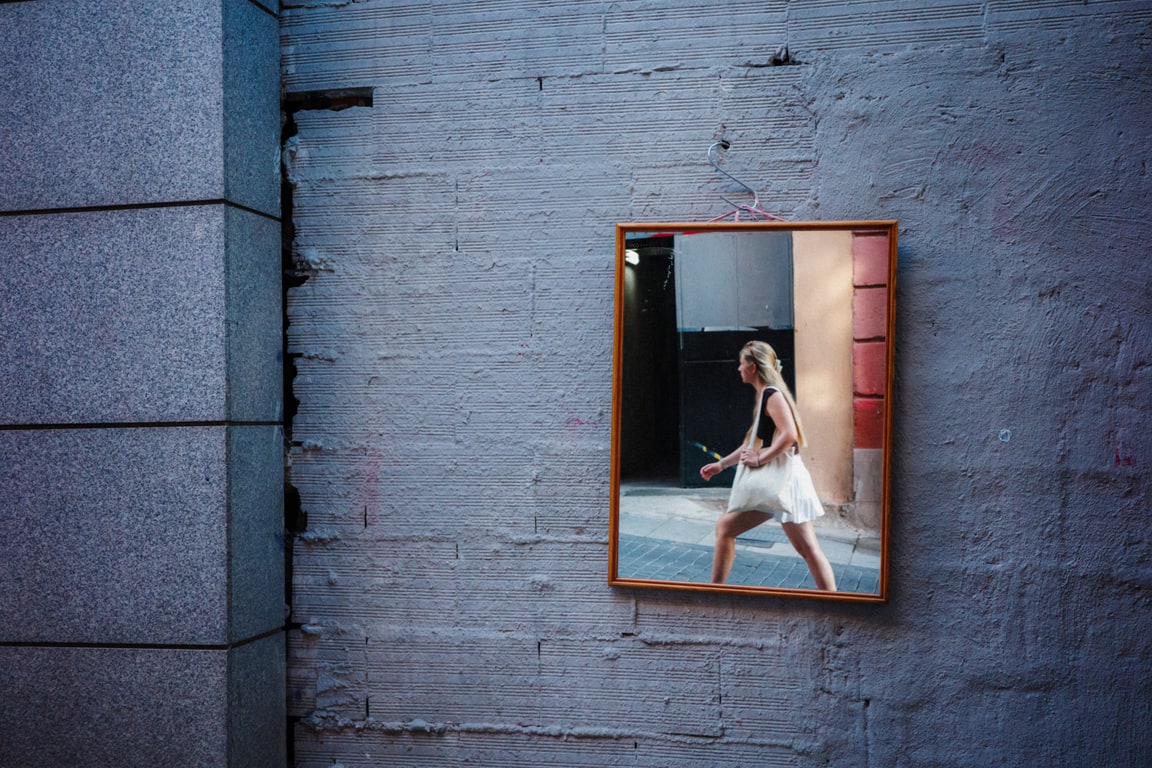
What appealed to me was the possibility of understanding ambition more broadly. Running a small business well or becoming very good at a craft can take years of attention, commitment and care, even if the business never expands or the craft never earns much. Making time for other people also involves choices about what deserves your attention. A life organised around these things needn’t be understood as settling for less.
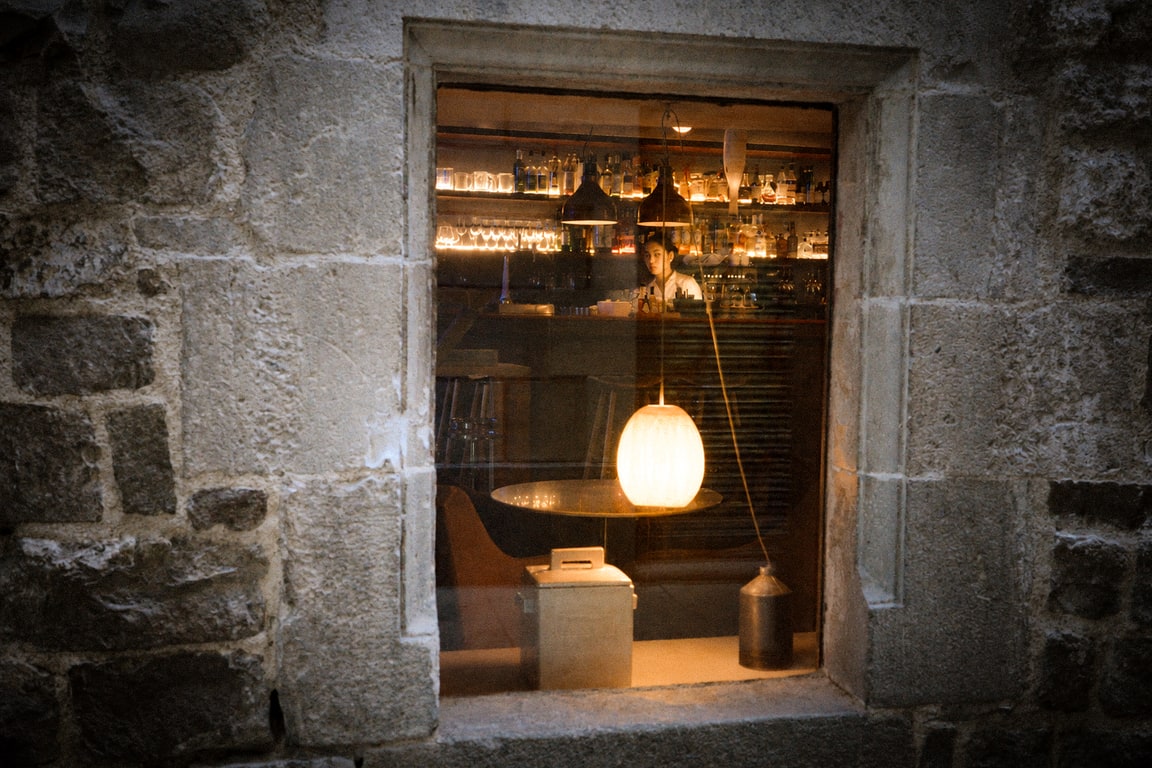
During the trip, Divya got a small tattoo on her wrist. It says “La vida es ahora”, which means “Life is now”. It felt like a fitting reminder that the things that make life worth living deserve time in the present, rather than being postponed until we have earned enough to enjoy them.